
Vivo X300 FE Review: Fan of this edition but…
 Follow Us

There was a time when taking good photos meant carrying a DSLR camera and spending time editing before anything made it to social media. In 2026, that gap has narrowed quickly, and brands like Vivo deserve credit for that. Over the past few years, specifically with its imaging-focused approach and partnership with ZEISS, Vivo has positioned itself among the more serious players in smartphone photography. Cut short to 2026, Vivo X300 and X300 Pro, along with the new X300 Ultra, already reflect that direction, but they also sit on the higher side of the price ladder. That naturally leaves a gap, a space for something more accessible without letting go of that flagship camera DNA. And that is where the company brought in the Vivo X200 FE in July last year, which quickly became an instant hit.
At the time, the X200 FE felt like a smart move, bringing a capable camera setup, a fresh design and overall balanced experience close to the Rs 50,000 price point. The phone was praised not just because of the specs but for making the high-end Vivo imaging experience more reachable to the wider audience.
Now, Vivo is trying to build on that same idea but with the new X300 FE. It carries the same philosophy (a lot to talk about here) but with a massive jump in pricing, enough to overlap with the X300 itself. And that naturally raises a simple question: does it still make sense as the ‘accessible flagship,’ or has it drifted too close to the very segment it was meant to bridge?
Vivo X300 FE: Design and build
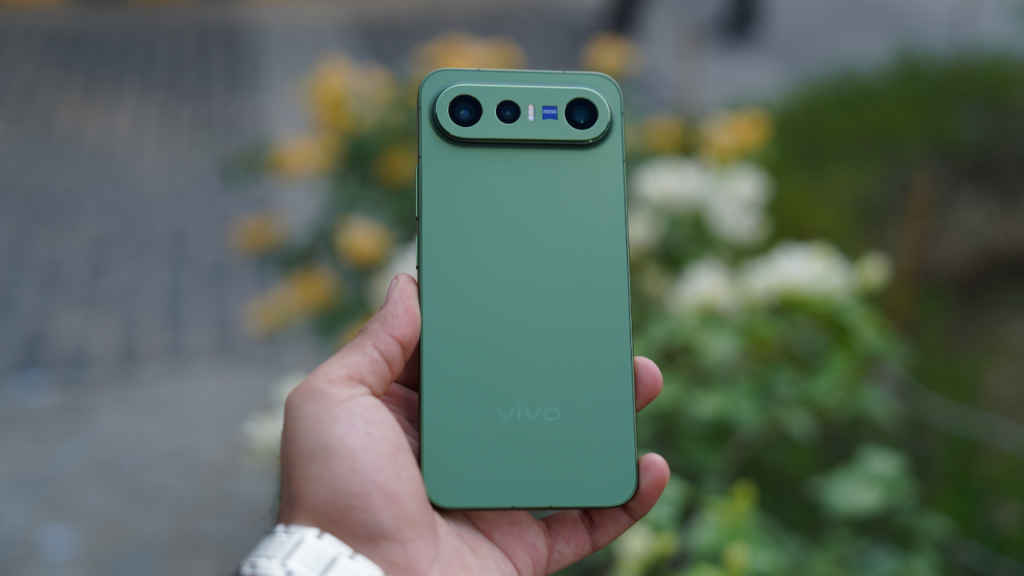
If I compare the Vivo X300 FE with the previous X200 FE, this is undoubtedly one of the biggest areas where things have changed. The company is still sticking to the idea of a compact flagship, but wait, the way Vivo has approached the design this time, it feels more refined and at the same time, experimental.
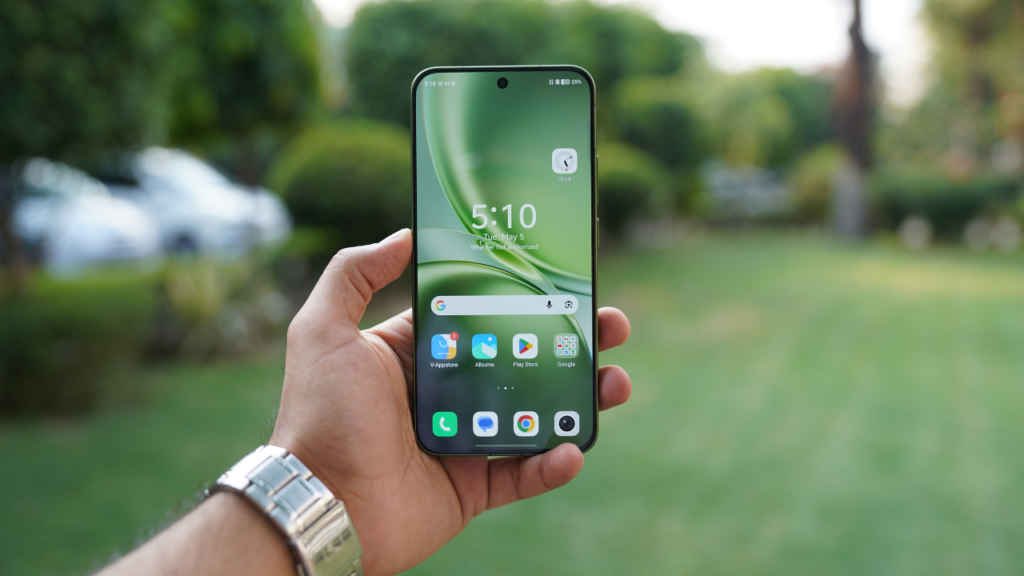
We still get to see the same 6.31-inch form factor, and honestly, I think this is one of the strongest aspects of the phone. It feels natural in the hand, easy to use and not bulky like most flagships today. It has a 7.99mm thickness and 191 gram weight, which strikes a good balance for everyday usage.
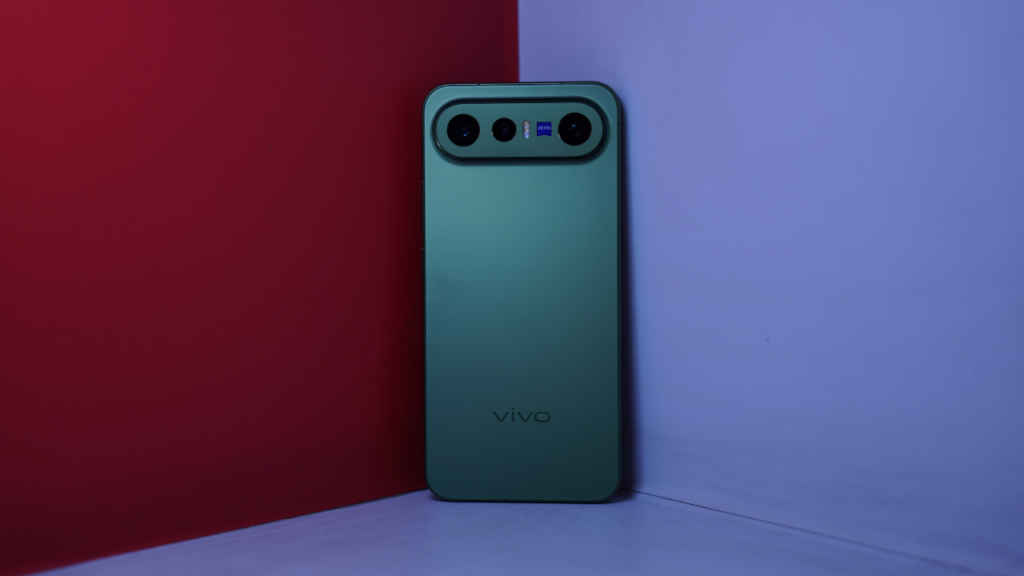
Moving to the back, and this is where you see the visible design shift. Vivo has moved to a horizontal, pill-shaped camera module placed across the top. Compared to the more complex, ZEISS-driven periscope layout on the X200 FE, this feels cleaner and more minimal. I can see some people pointing out a slight resemblance to Pixel phones, and to some extent, that’s fair, but it is subtle and not something that takes away from the phone’s identity.
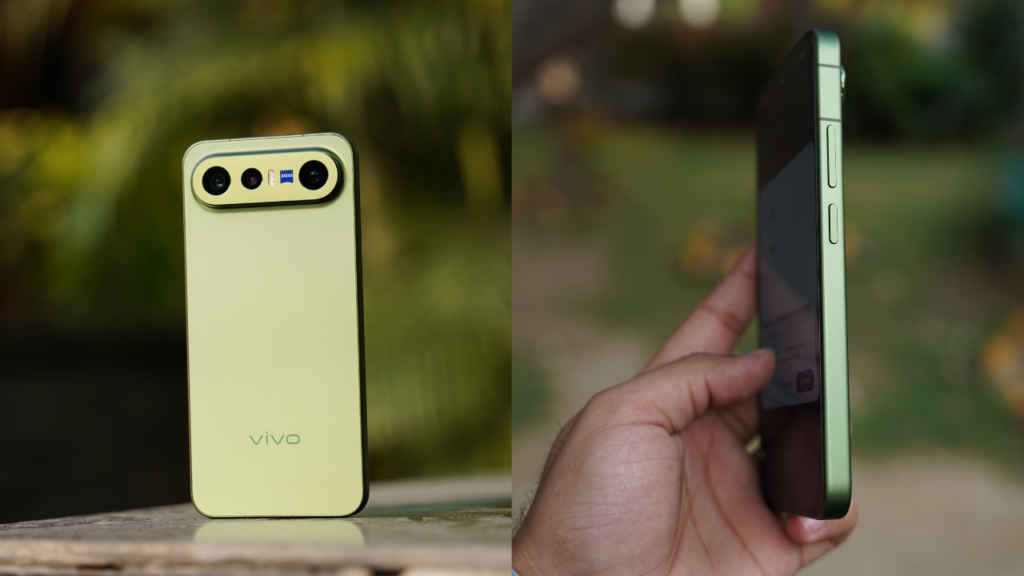
In fact, unlike the other X300 models, or for that matter, even the X200 models, that feature circular camera models, the Vivo X300 FE with its pill-shaped camera island has a unique look of its own.
The finish is also premium. The matte (AG) glass back not only looks premium but also helps with grip and keeps fingerprints in check. I got the Urban Olive colour, and while I do not like what Vivo is trying to do with this muted, almost artistic shade, the Lilac Purple and Noir Black finishes look absolutely stunning.
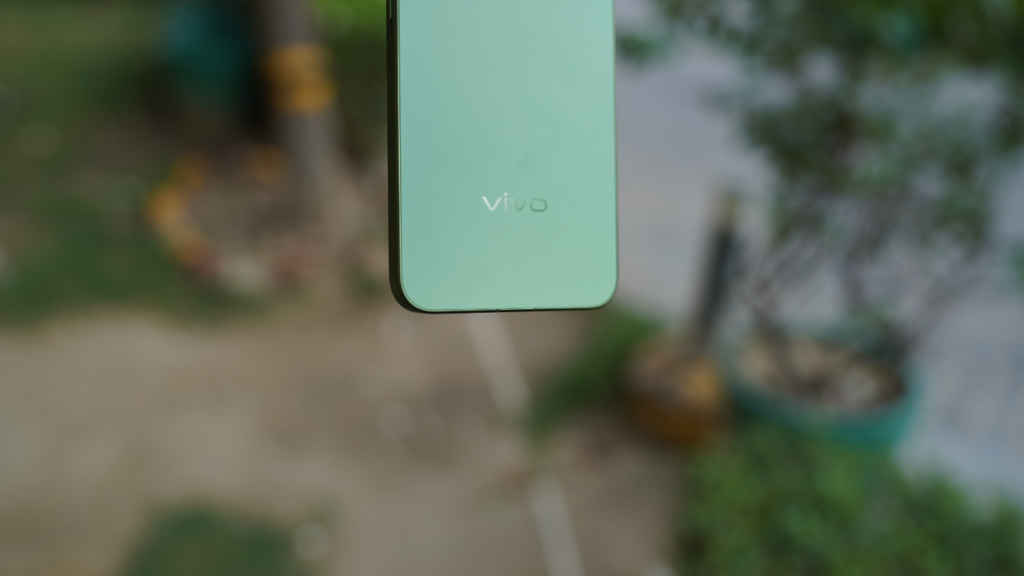
Coming to the build quality, the aluminium frame adds sturdiness, and the use of glass on both sides keeps it in line with what you’d expect from a premium device. The rounded corners and flat frame combination also make it comfortable to hold for longer durations. It also gets IP68 and IP69 dust and water resistance ratings for that added durability.
Vivo X300 FE: Display
The Vivo X300 FE comes with a 6.31-inch LTPO AMOLED display, and on paper, it ticks most of the right boxes. You get a sharp 1.5K resolution (2640 × 1216) with a pixel density of 460 PPI, a 120Hz refresh rate and support for HDR10+ along with Netflix HDR certification.
In our testing, the Calman test using Spectracal C6, the display delivered an average deltaE of 0.9, which is excellent. To put that into perspective, anything below 1 is considered almost indistinguishable from real-life colour accuracy. Even the maximum deltaE of 2.6 (on white) stays within acceptable limits, meaning most users will not notice any inconsistency. Colours look natural, not exaggerated, which is something you begin to appreciate over time.
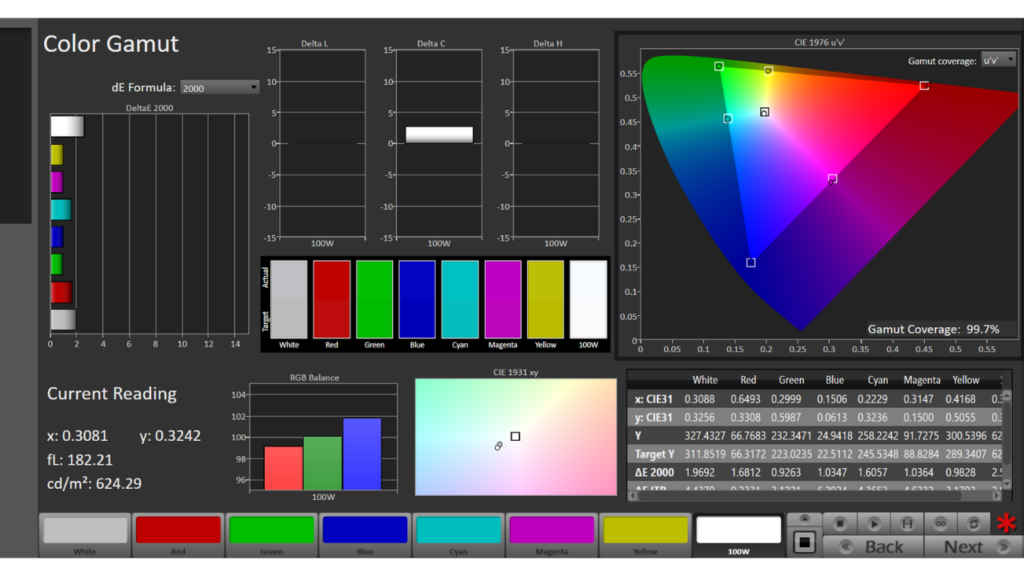
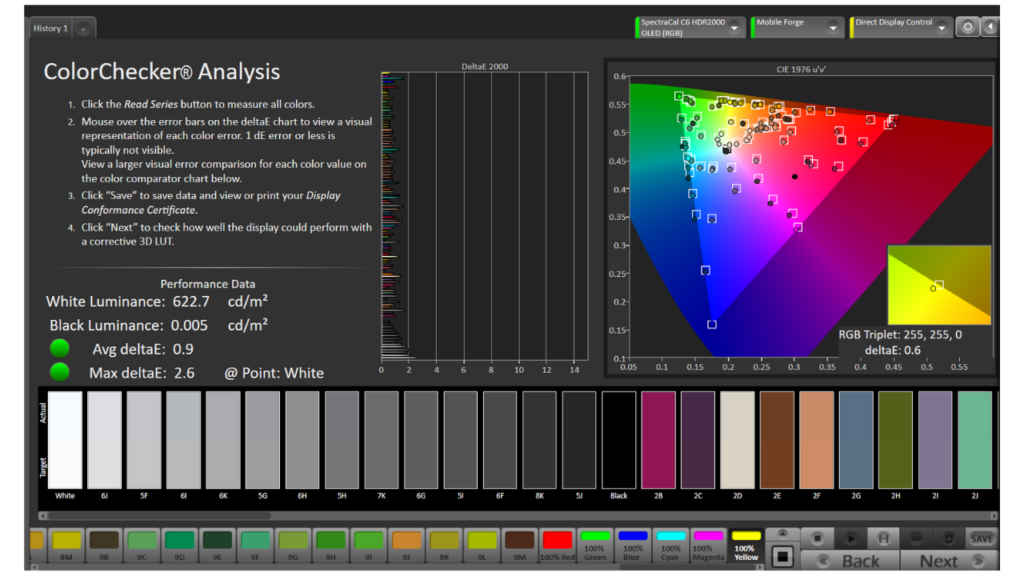
The panel also covers 99.7 per cent of the sRGB colour space, so whether you are watching videos, editing photos or just scrolling through apps, colours appear as they are meant to. The white point is very close to the industry-standard D65, which ensures that whites do not look overly warm or cool; they just look right.
Peak Brightness, officially rated at 5,000 nits, is good enough for both indoor and outdoor usage. In real-world use, visibility remains comfortable in most lighting conditions. Blacks, as expected from an AMOLED panel, are deep and inky, which helps with contrast and overall visual depth.
Vivo X300 FE: Performance
For a change, Vivo has offered an FE model with a top-tier Qualcomm chip and not a MediaTek one. The X300 FE features the latest Snapdragon 8 Gen 5, and I am still a little confused about why they went ahead with this SoC. For those unaware, the 8 Gen 5 processor gets a custom Oryon-based architecture with a 2+6 all big-core design, paired with LPDDR5X Ultra RAM and UFS 4.1 storage. Just to make it simple, this hardware setup is not just designed for power but also for smarter resource allocation depending on what you are doing: gaming, multitasking or even content creation. But again, this choice is a little expensive, and I will explain why in the verdict.
That said, in daily usage, the device did not really have anything to complain about. The Vivo X300 FE is fast, smooth and well optimised. I felt the snappiness and fluidity while doom-scrolling Instagram, switching between apps, or clicking photos on the go; everything just worked the way you’d expect from a flagship. However, thermal management can cause some trouble depending on how extensively you use this phone. Despite having a big vapour chamber cooling system, the device does get noticeably warm under load. The aluminium frame, in particular, tends to warm up quite a bit during longer sessions, which makes it slightly less comfortable to hold over time.
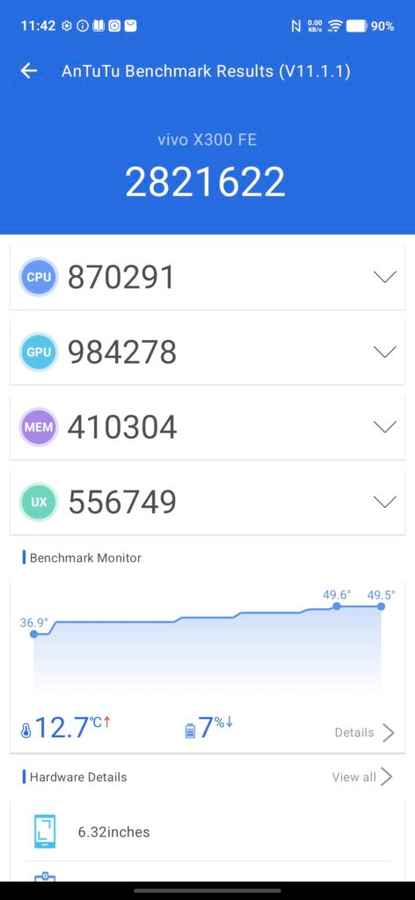
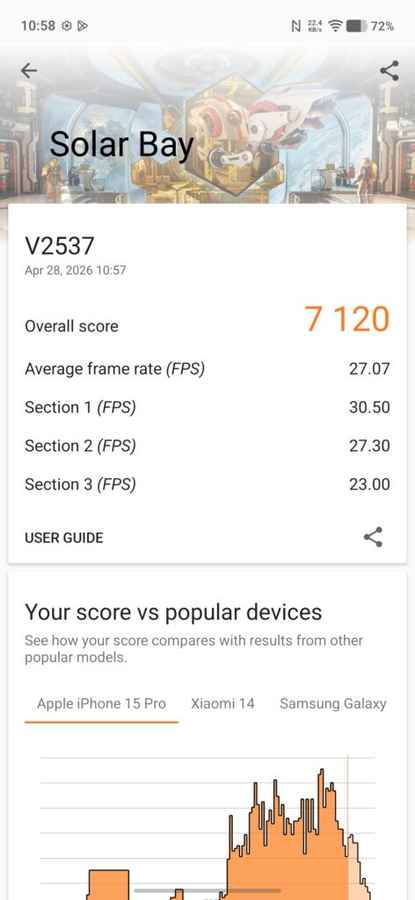
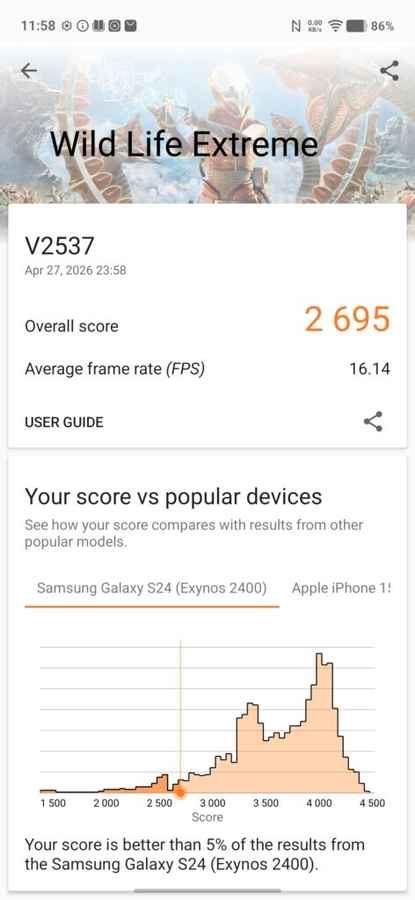
Coming to benchmarks, the Vivo X300 FE scores 28,21,622 on Antutu, which is strong, but not class-leading for this price segment. In Geekbench, it scored 2,767 in single-core and 8,750 in multi-core. GPU performance, measured via 3DMark Wildlife Extreme, came in at 2,695, while Solar Bay scored 7,120. PCMark Work 3.0 returned a score of 14,109. These are good numbers, but I was honestly expecting a bit more, specifically keeping the Vivo X300 in mind, which scored better in benchmarks.
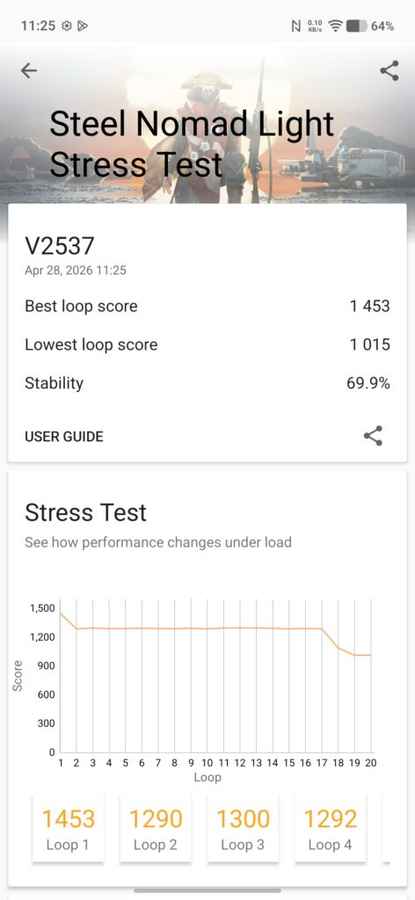


Sustained performance is another mixed area. In our CPU throttling test, the X300 FE retained around 61 per cent of its peak performance. Now, that’s definitely not poor, but it does suggest the X300 FE finds it a bit challenging to hold on to peak performance over extended use, especially when paired with the thermal behaviour.
Vivo X300 FE: Battery
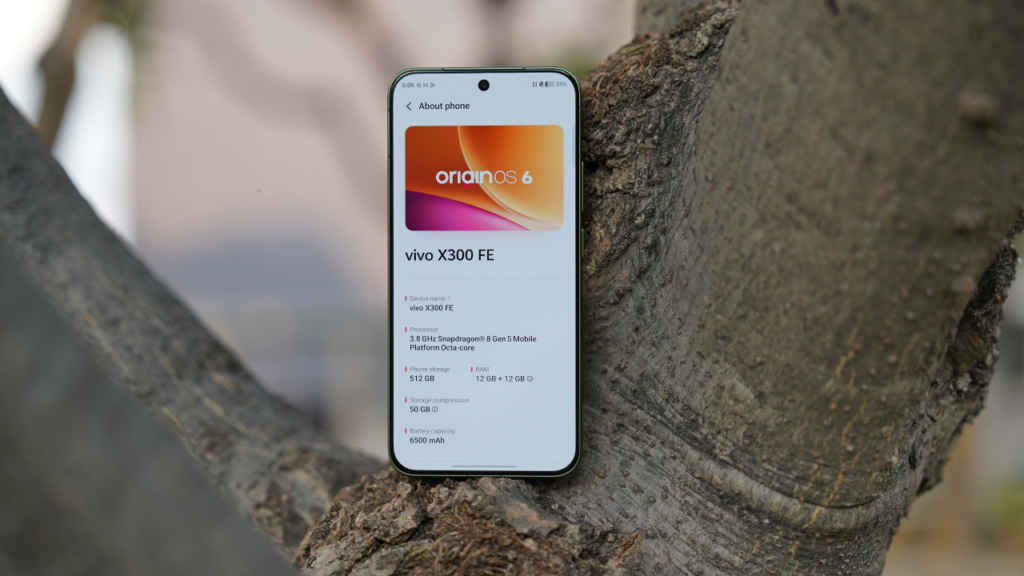
The Vivo X300 FE sticks to a familiar formula when it comes to battery, and that’s not necessarily a bad thing. You get a large 6,500mAh silicon-carbon battery, which is the same as what we saw on the Vivo X200 FE, along with 90W fast wired charging.
In everyday use, this translates to a top-notch battery performance for a phone of its size. During our testing, the X300 FE delivered 23 hours and 54 minutes in the PCMark Battery Life test, which is a solid result and comfortably puts it in the all-day (and then some) category. With a typical mix of usage, social media, camera, streaming and some gaming, I did not feel the need to constantly look for a charger.
Charging speeds are also in line with expectations. Using the 90W charger, the X300 FE goes from 0 to 100 per cent in just less than an hour. It is fast enough for most users, even if it doesn’t push into the ultra-fast territory some competitors are exploring.
One meaningful addition this time is 40W wireless charging, which wasn’t present on the previous model, making the package look more complete.
Vivo X300 FE: Camera
The Vivo X300 FE positions itself as a camera-first smartphone, and the hardware reflects that intent. You get a triple-camera setup led by a 50MP primary sensor (Sony IMX921, 1/1.56”, f/1.57) with OIS, paired with a 50MP telephoto camera (Sony IMX882) offering optical zoom and extended reach, and an 8MP ultra-wide lens with a 115-degree field of view. On the front, there’s a 50MP selfie camera. On paper, this is a versatile system, covering everything from standard shots to portraits and long-range zoom, with the added backing of ZEISS optics and Vivo’s image processing stack.
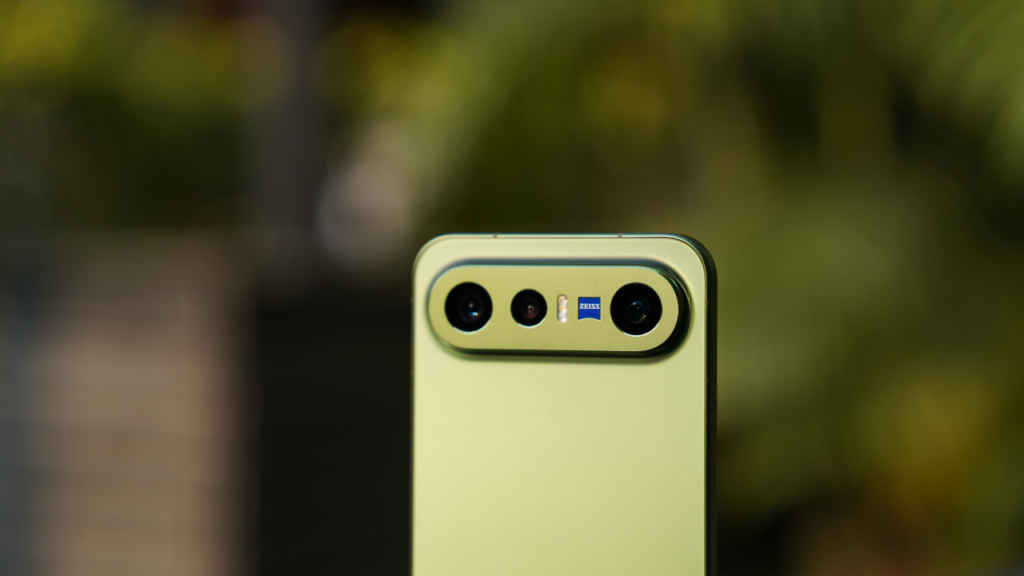
Vivo leans heavily on its ZEISS partnership here, not just for optics but also for tuning. Features like ZEISS multifocal portrait modes (ranging from 23mm to 100mm), multiple bokeh styles inspired by ZEISS lenses and the AI True Clarity Engine aim to deliver more natural textures, better subject separation, and improved detail retention, especially at higher zoom levels. There’s also support for a detachable telephoto extender, which pushes focal length further for niche use cases like distant landscapes or architectural shots.
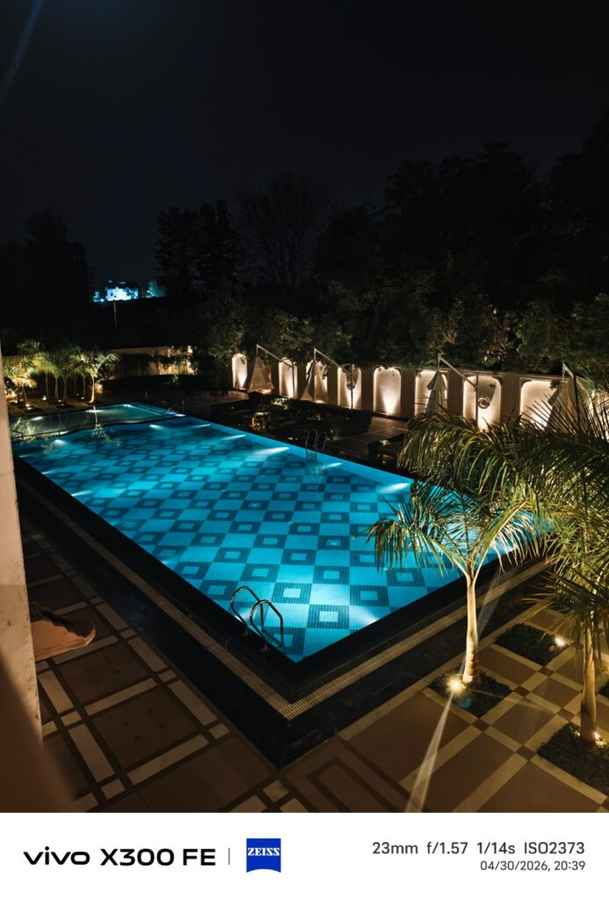
In real-world use, the main camera does most of the heavy lifting, and it does it well. Images come out sharp, with strong dynamic range and good detail retention. Colours, for the most part, look vibrant, although there are instances where they lean slightly towards oversaturation rather than strict accuracy. Low-light performance is another strong area, with the sensor managing to pull in enough light while keeping noise under control.






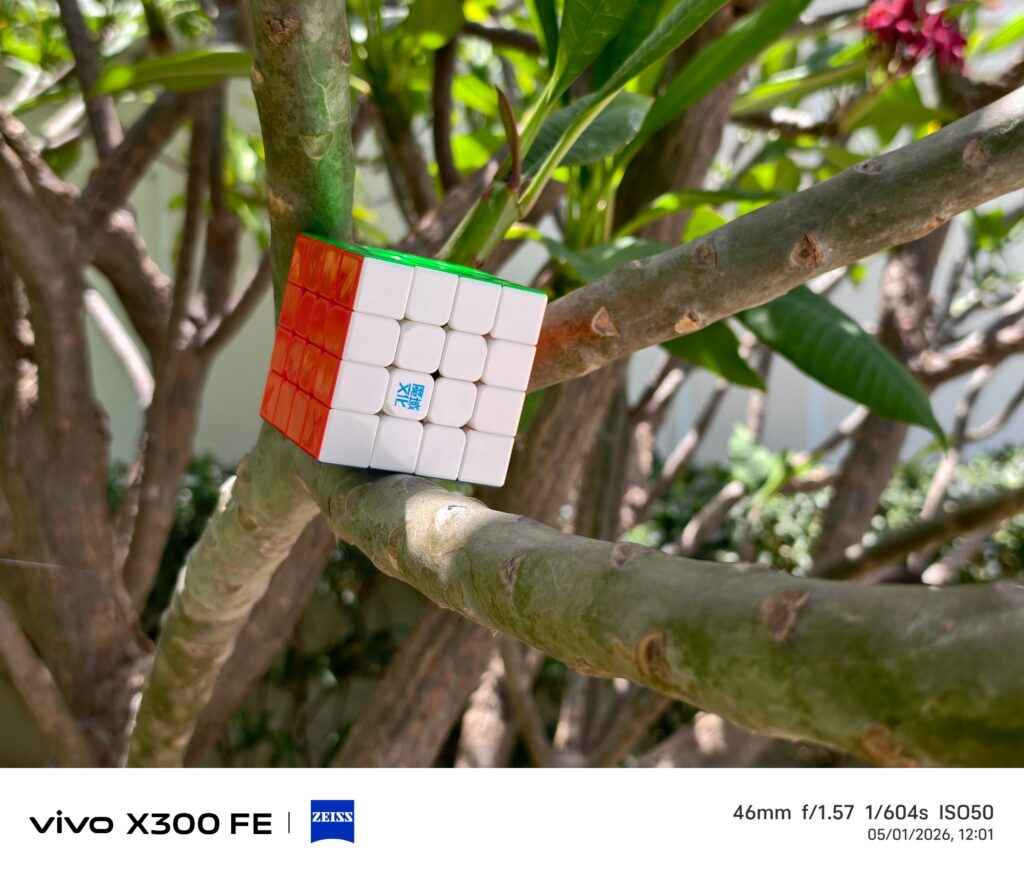





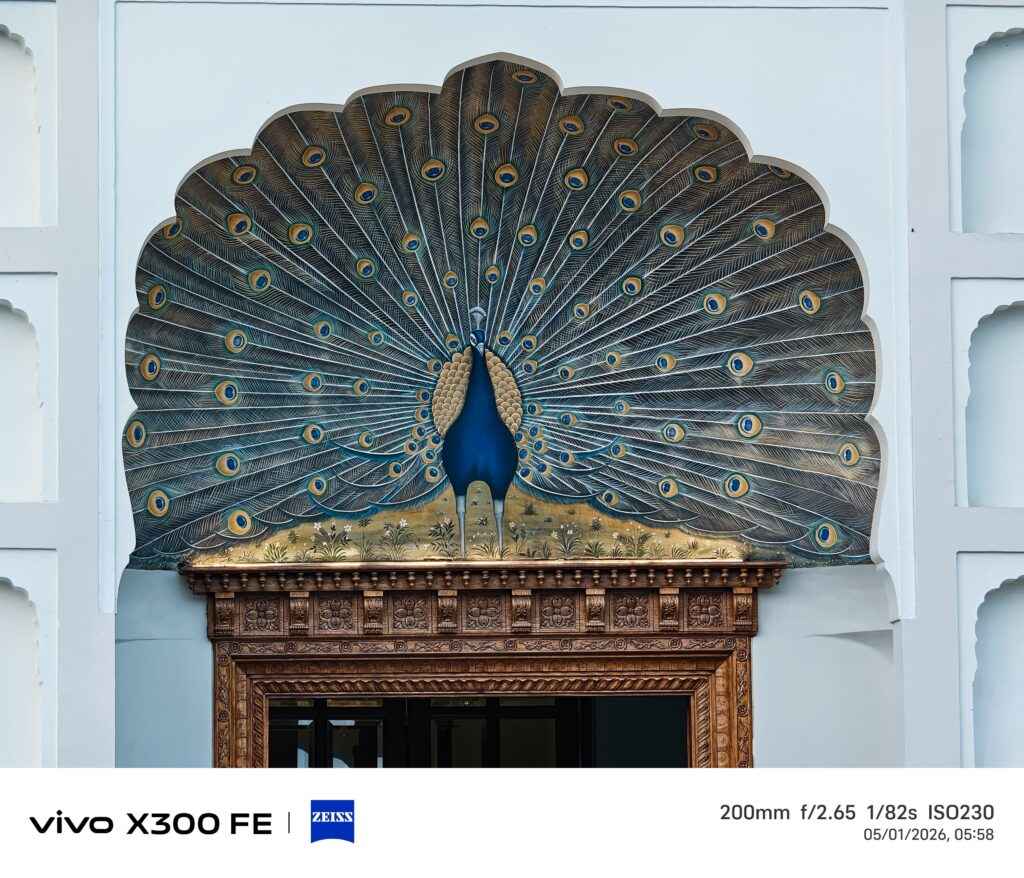



The telephoto lens is also a reliable performer. It maintains a consistent colour profile with the main sensor, which helps when switching between lenses. Detail levels are good, and importantly, it holds up reasonably well even in low light, something that’s often a weak point in this segment. For portraits, the telephoto lens actually delivers better results than the dedicated portrait mode in many cases, offering more natural separation and sharper subject detail.

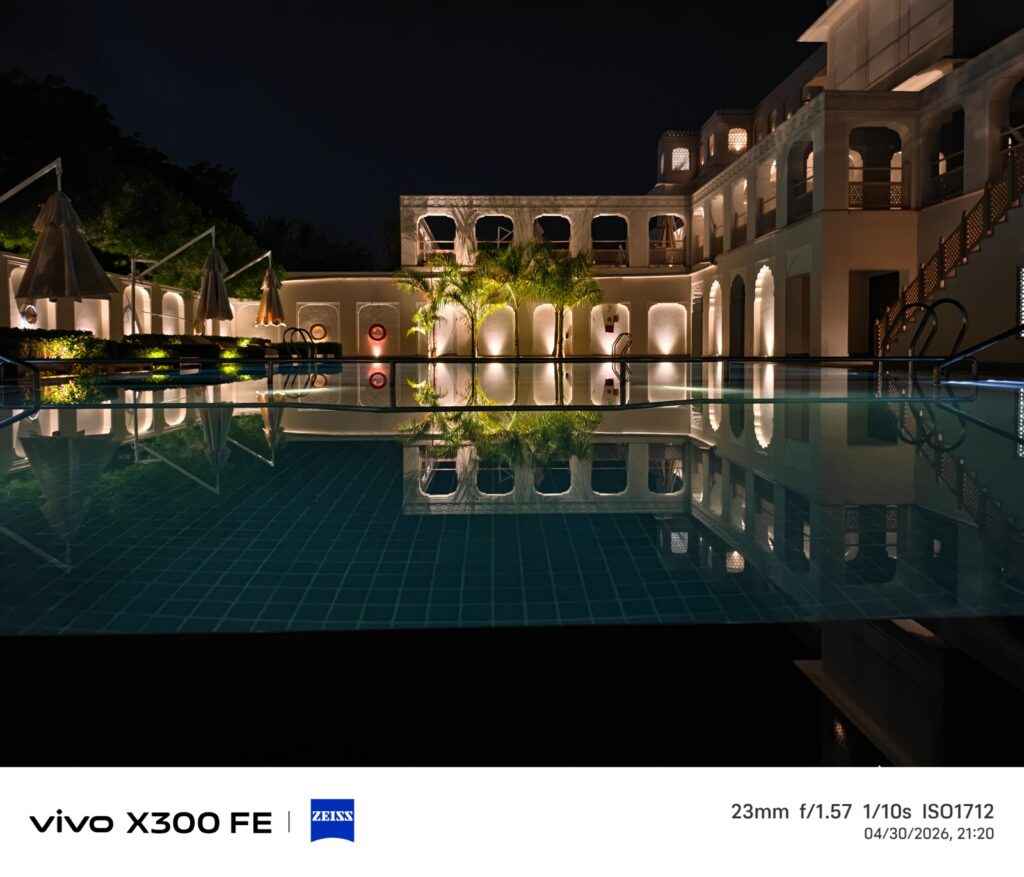
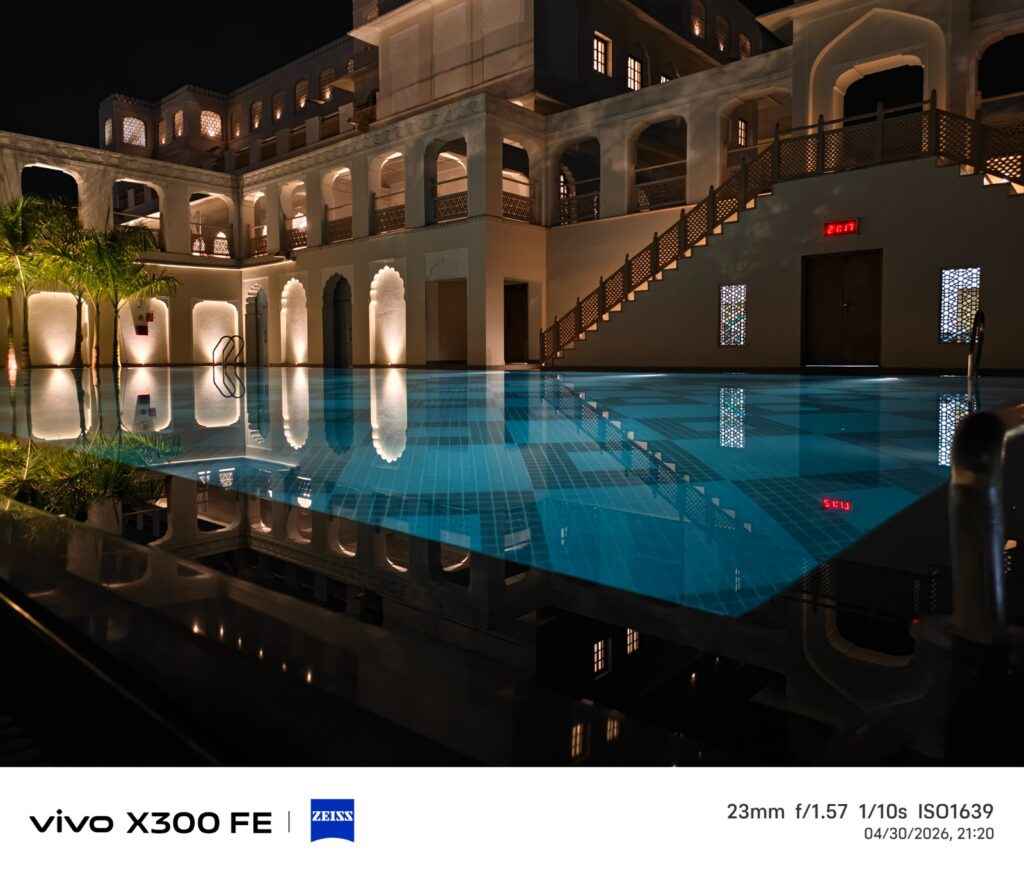

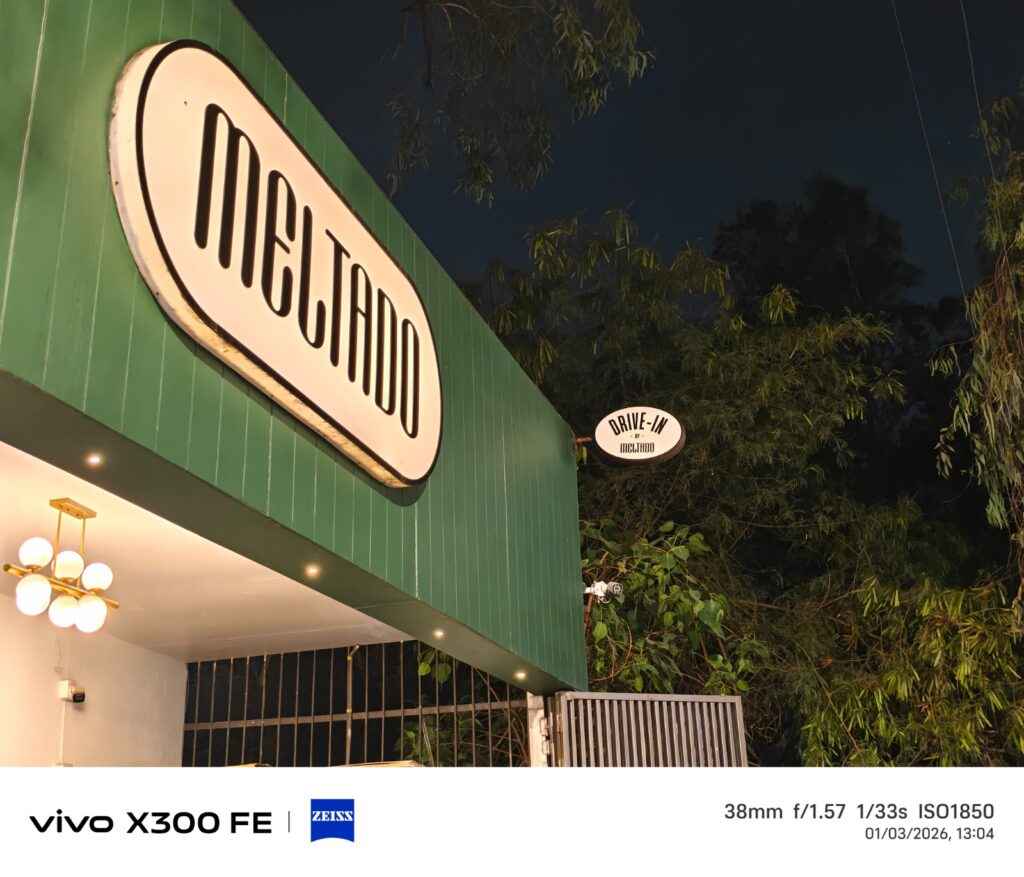

The ultra-wide camera, however, is where the setup feels less convincing. There is a noticeable drop in quality when you switch to it, both in terms of detail and dynamic range. It is usable, but it doesn’t quite match the standard set by the primary and telephoto cameras.
Zoom is a mixed bag. Up to around 3x, results are solid and usable. Beyond that, especially with digital zoom, the processing becomes aggressive. Images tend to lose detail and can appear overly softened, sometimes taking on an almost ‘oil painting’ look. The optional telephoto extender does help push boundaries, but it’s clearly more of a niche accessory than something most users will rely on daily, especially if they are buying an ‘FE.’

Tools like AI Retouch, object removal, reflection erase and even audio noise reduction for videos are designed to enhance usability. These work well in controlled scenarios, though, like most AI features, results can vary depending on the scene.
Vivo X300 FE: Verdict
The Vivo X300 FE is a good smartphone, but it feels slightly caught between its intent and where it sits in the lineup. On one hand, Vivo has delivered a well-rounded package. You get a compact, premium design, an excellent colour-accurate display, strong battery life, and a camera system that performs reliably. In daily use, it feels fast, polished, and easy to live with, which is exactly what you expect from something positioned close to a flagship.
But the bigger conversation is around its positioning. At this price, it sits very close to the Vivo X300, which, with ongoing offers, starts to feel like the more complete option, thanks to its better camera and performance, while offering a largely similar overall experience.
This simply makes me wonder if using the MediaTek Dimensity 9500s or another chipset in that range would have allowed for a slightly better balance, or if Vivo is intentionally placing it this way to make space for the Vivo X300T, if and when that arrives or maybe to show X300 as a promising choice.
For what it’s worth, the Vivo X300 FE is a solid compact flagship, one that makes sense more for what it offers than where it is placed.
Vivo X300 FE Key Specs, Price and Launch Date
| Release Date: | 06 May, 2026 |
| Market Status: | Launched |


