
iQOO Z11x 5G review: Massive battery life meets budget pricing
 Follow Us

Buying a good smartphone under Rs 20,000 is not as simple as it sounds, especially in 2026 when smartphone prices are getting hiked left, right and centre. Still, there are many options available in the market with good features, which makes it really difficult to choose the right one. With every new release, brands are trying to offer better displays, good cameras and big batteries. With that, iQOO is placing its latest bet in this segment with the Z11x 5G, priced starting at Rs 18,999. At first glance, the iQOO Z11x looks simple and clean, and its large 7,200mAh battery quickly stands out. But a good first impression doesn’t always tell the full story.
I used the iQOO Z11x 5G for a few weeks to see how it performs in real life. Here’s my full review, covering design, display, performance, camera and battery.
iQOO Z11x: Build and design
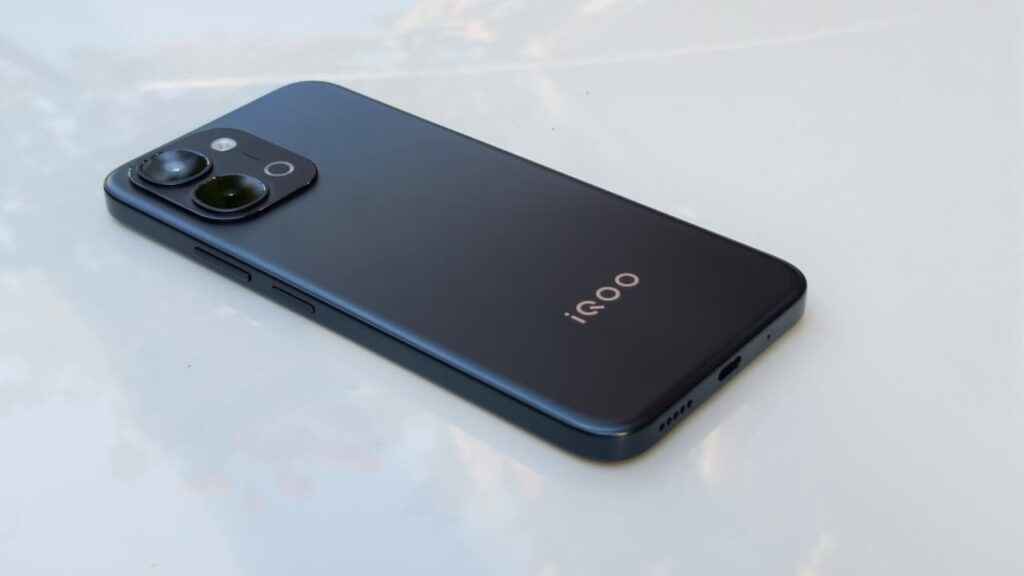
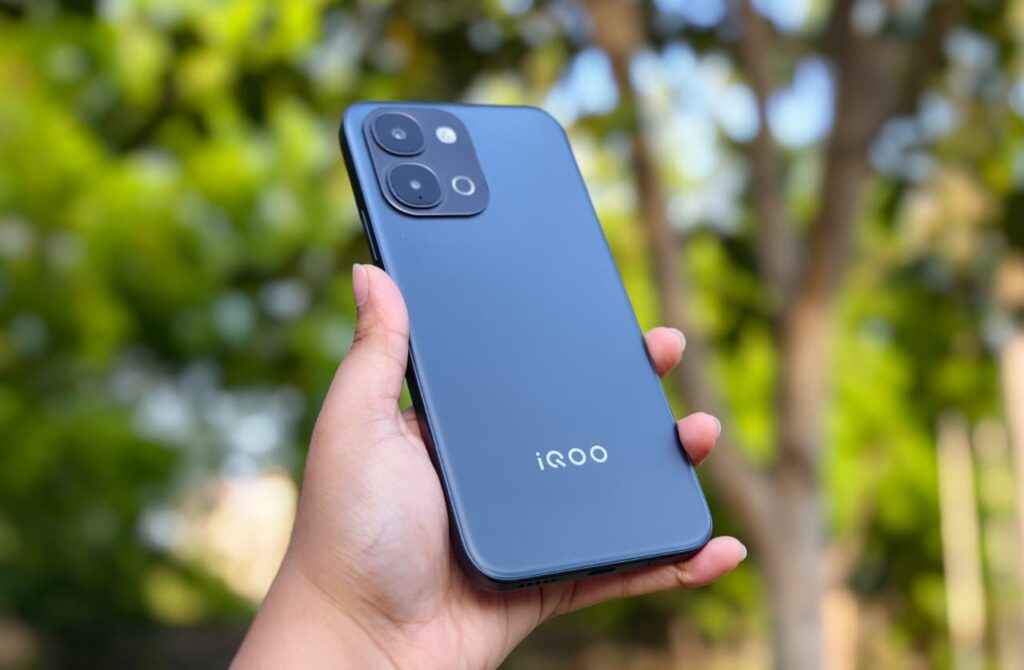
The iQOO Z11x comes in two colour options: Prasmic Green and Titan Black. I got the latter option for the review. It features a clean, simple look with a matte finish that doesn’t attract fingerprints.
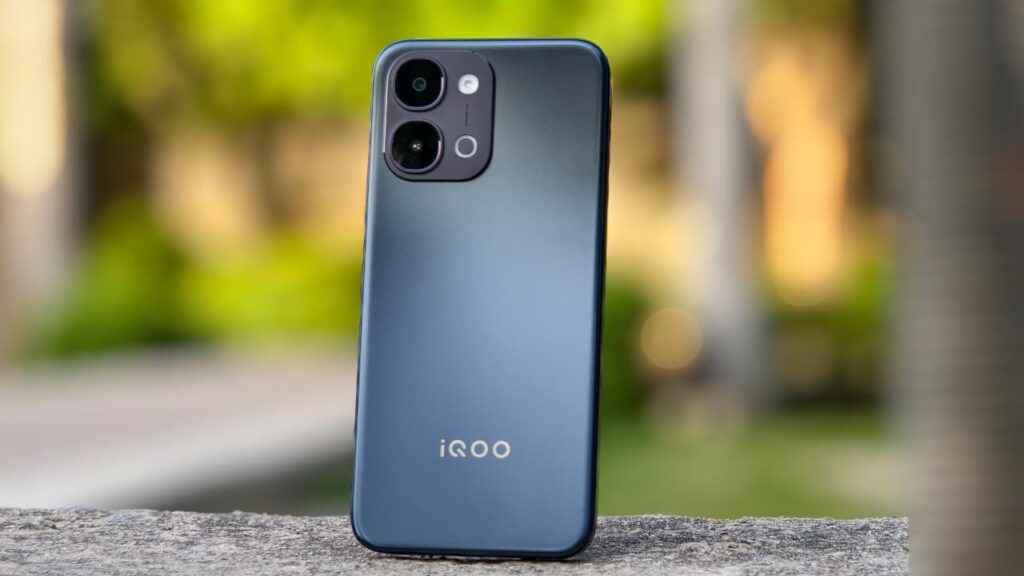
On the back, there is a squoval-shaped camera module that houses the dual-lenses and flash, along with a small Dynamic Light ring. This light glows for notifications, incoming calls, etc. One thing you’ll notice right away is the size. The iQOO Z11x is a slightly big and heavy phone. Maybe for some users, one-handed usage for long periods could be a problem. That said, the curved edges and flat sides help with grip. In terms of build, the phone uses plastic for both the back and the frame, which is expected in this price range. But it doesn’t feel cheap.
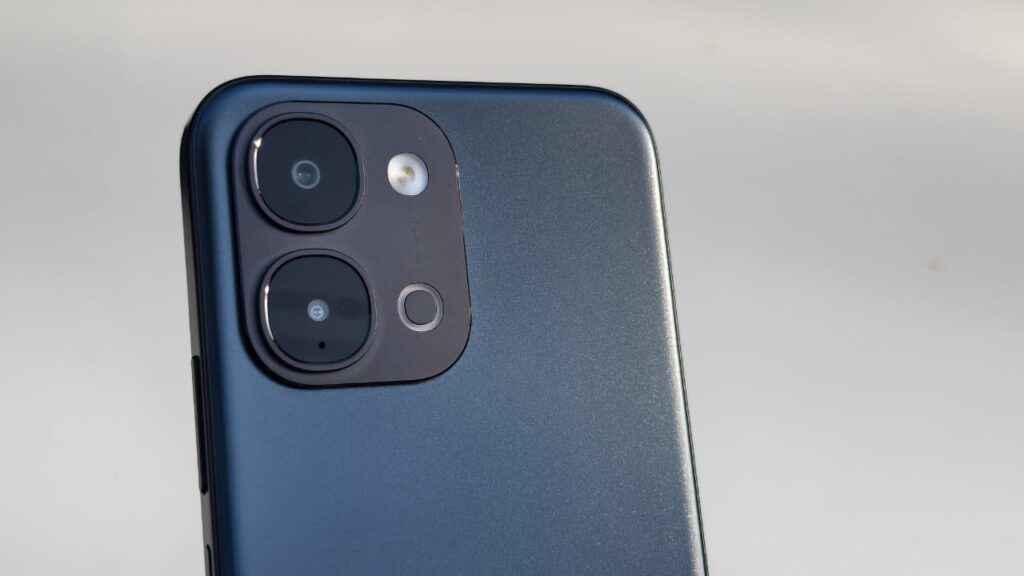
Overall, the iQOO Z11x keeps things practical. It doesn’t impress you with a bold design, but it offers a clean look, a comfortable grip and a sturdy build that gets the job done.
iQOO Z11x: Display
The iQOO Z11x comes with a 6.76-inch FHD+ (2344 × 1080) LCD panel with a 120Hz refresh rate and a resolution. The company claims the display can go up to 1,200 nits of brightness.
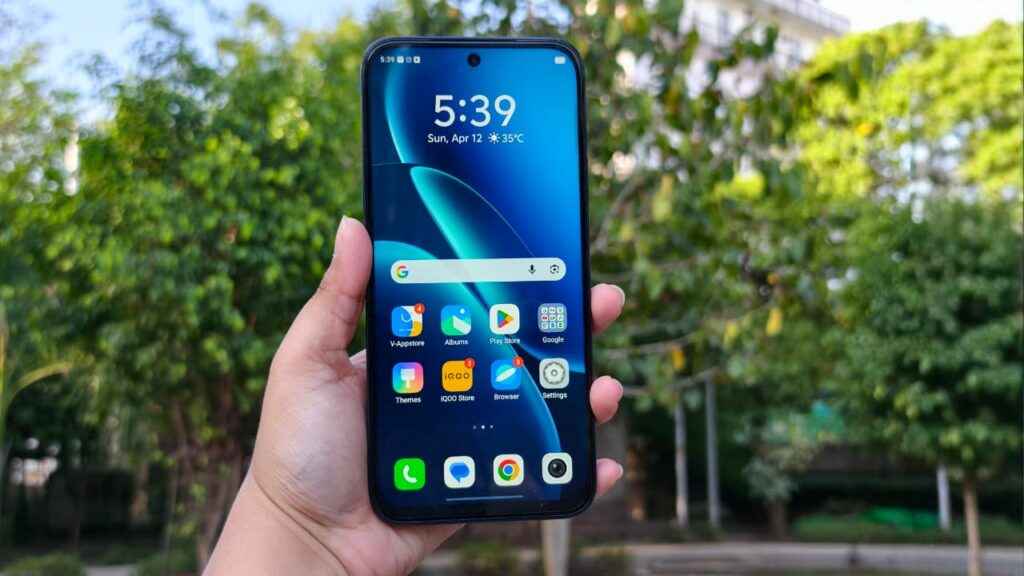
Using Calman and the Spectracal C6 Colourimeter, we tested the colour accuracy of the display. The phone achieved an average Delta E of 1.2, suggesting the panel is quite colour accurate. I also found the display, despite being an LCD, to be vibrant. YouTube videos and OTT content look very good on the screen, offering an enjoyable experience. The display also covers around 98.8 per cent of the colour gamut and maintains a good balance between red, green and blue tones.
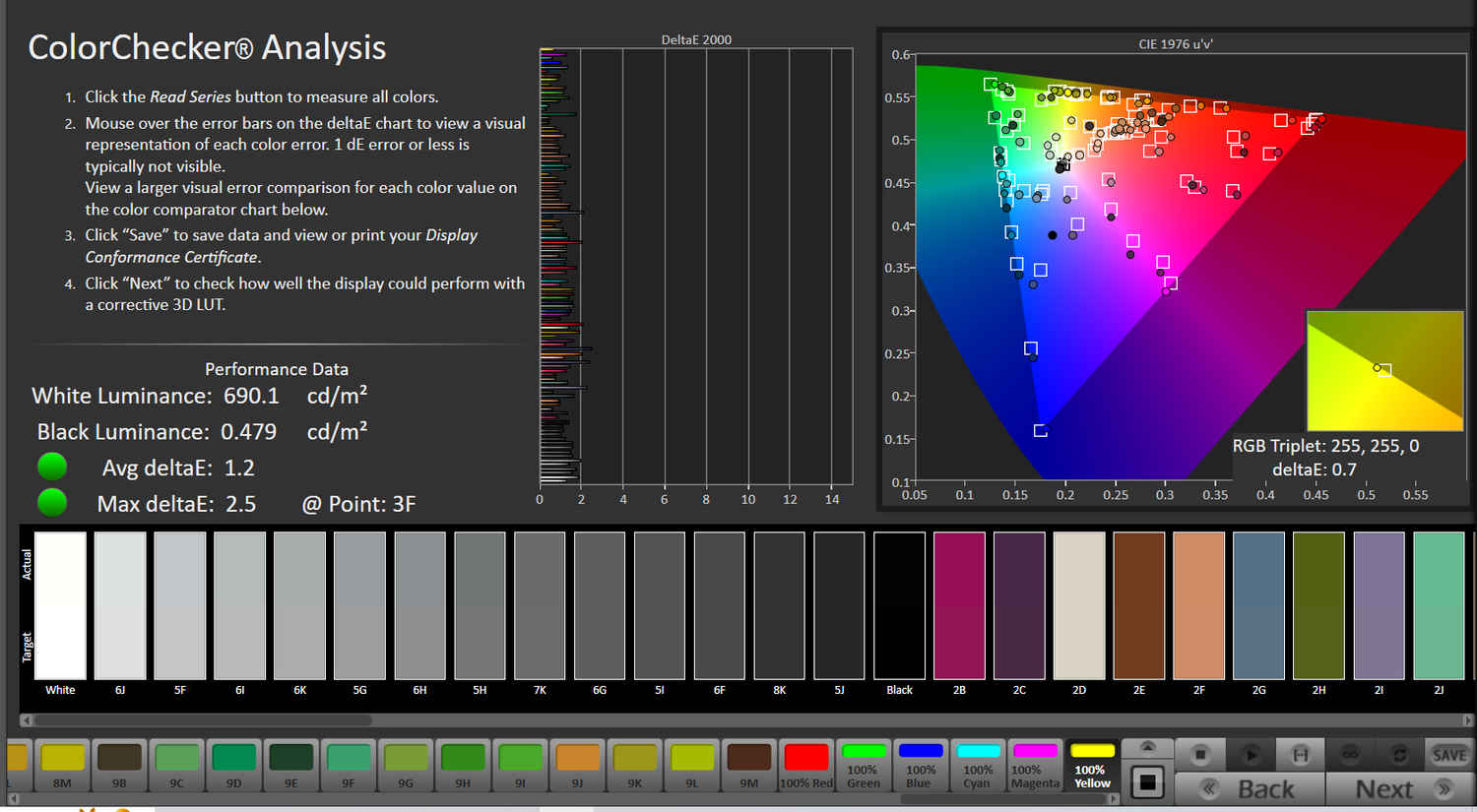
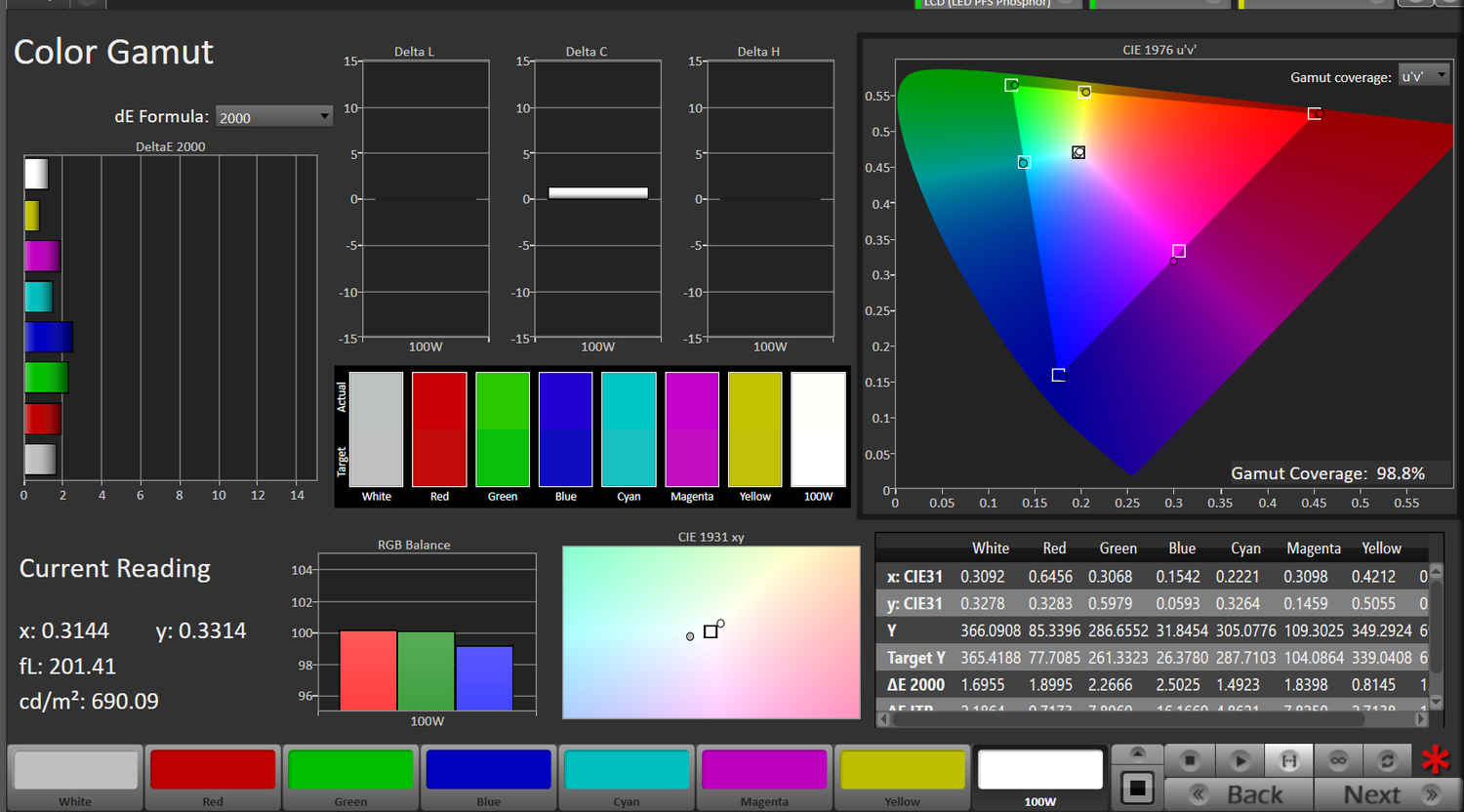
In our lux meter test, the screen reached a peak brightness of 1,320 nits in auto mode, which is slightly higher than the company’s claim. In daily use, it does its job fine. It is not the brightest out there on a harsh sunny day, but for the price, it offers adequate brightness. The 120Hz refresh rate adds to the smoothness, so general animations, scrolling and the times you interact with the screen feel fluid.
Overall, for under Rs 20,000, the iQOO Z11x offers a good viewing experience, and there’s not really much to complain about here.
iQOO Z11x: Performance
The iQOO Z11x is powered by the MediaTek Dimensity 7400 Turbo and comes with up to 8GB LPDDR4X RAM and 256GB storage. Do note that the storage is non-expandable. But, on the bright side, it’s UFS 3.1 storage you are getting here, which is a solid deal.
Which brings me to the actual performance of the iQOO Z11x, and in day-to-day use, it performs quite well. I didn’t notice any lag while doing the general stuff like texting, scrolling through Instagram, watching YouTube videos, or switching between apps. Everything feels smooth and responsive for the most part.
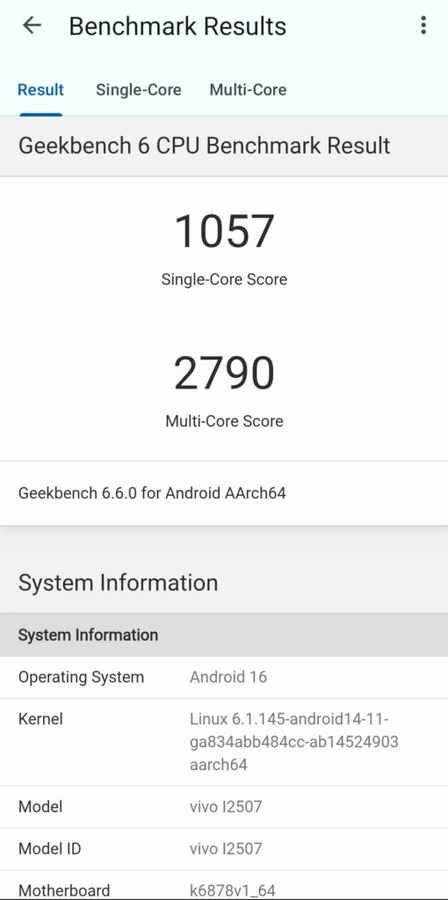
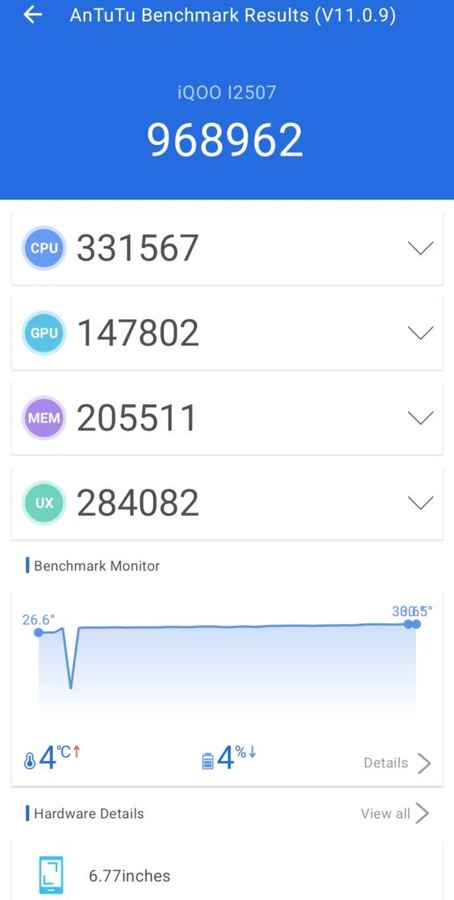
For those who care about benchmarks, the Z11x puts up strong numbers as well for a phone in its price range. It scored 9,68,962 on Antutu, which is higher than some phones in this price range. For comparison, the Poco M8 5G, which was launched recently in a similar price segment, scored 8,52,479. On Geekbench 6, the phone managed 1,057 in the single-core test and 2,790 in the multi-core test.
On the software side, the iQOO Z11x runs on OriginOS 6.0 based on Android 16. iQOO promises two years of major Android updates and four years of security updates. While this isn’t the best compared to some rivals, it’s still decent for a phone at this price.
iQOO Z11x: Camera
Now, let’s talk about the cameras. The iQOO Z11x comes with a dual rear camera setup, featuring a 50MP main sensor and a 2MP bokeh sensor. On the front, there’s a 32MP camera for selfies. What I would say is that the camera setup is not perfect, but it does a fairly solid job for the price.

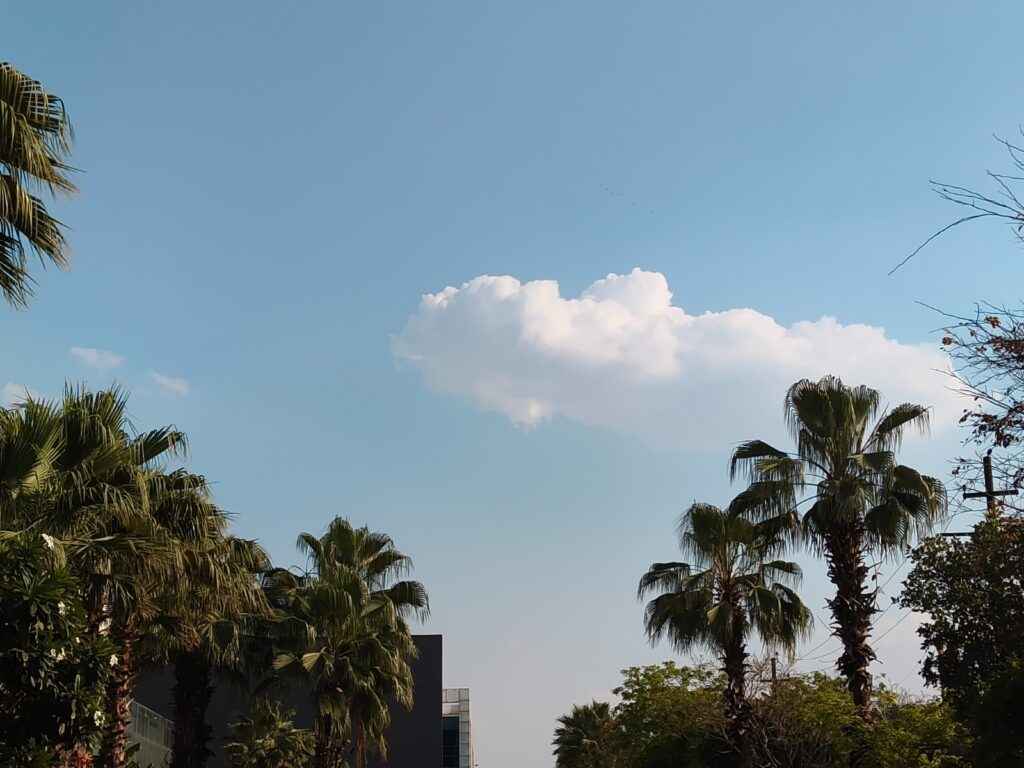

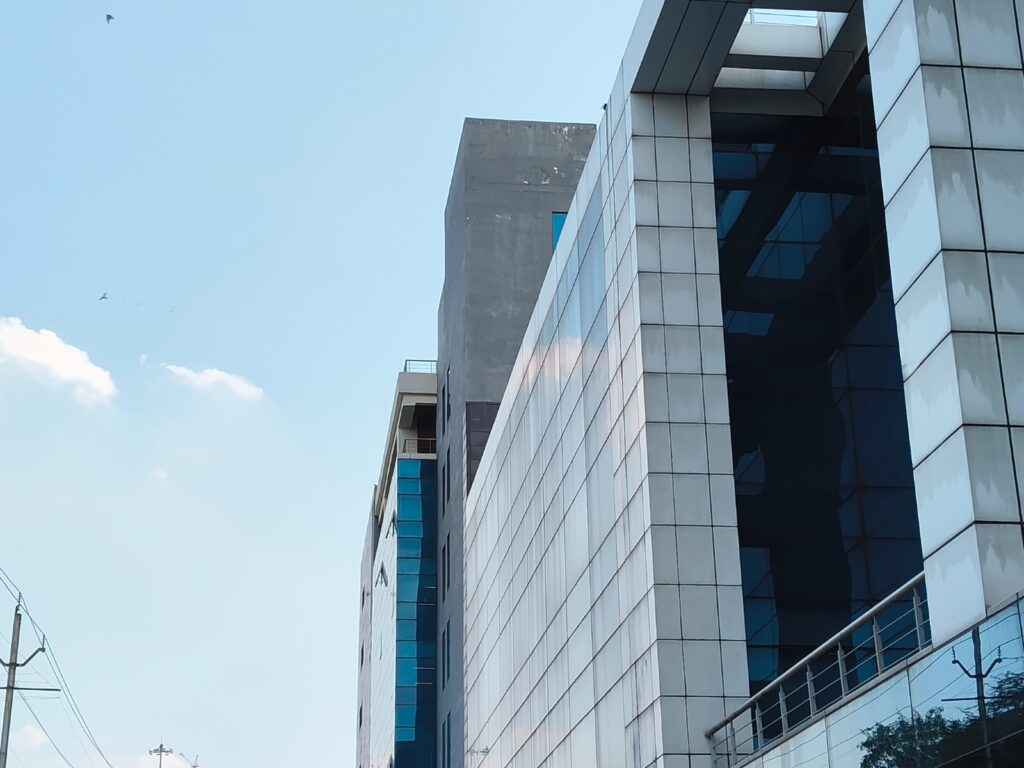





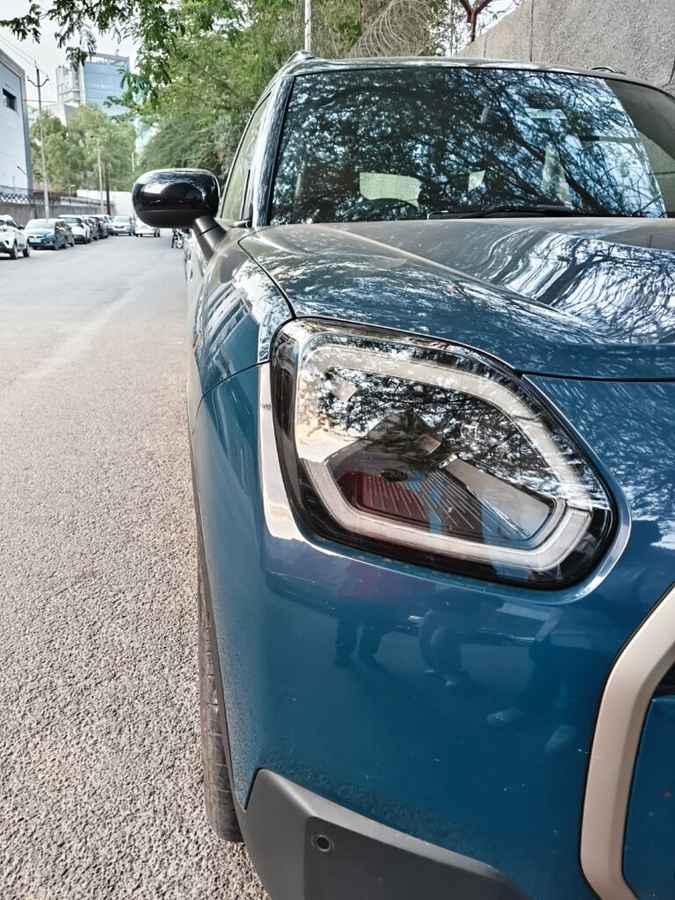
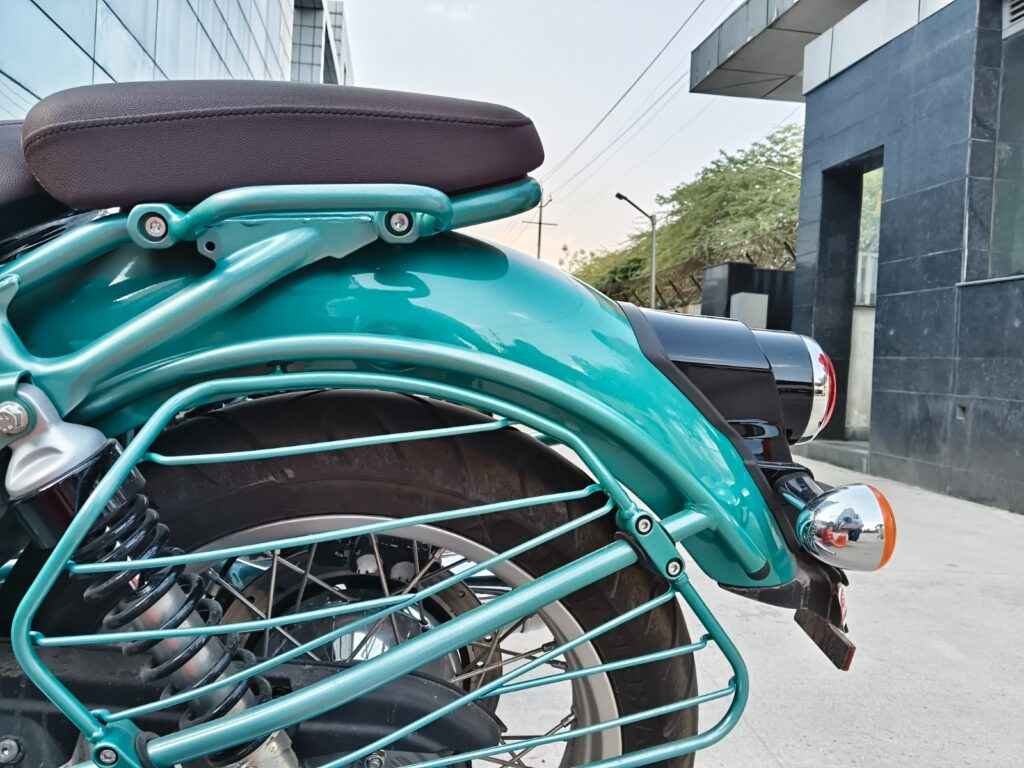
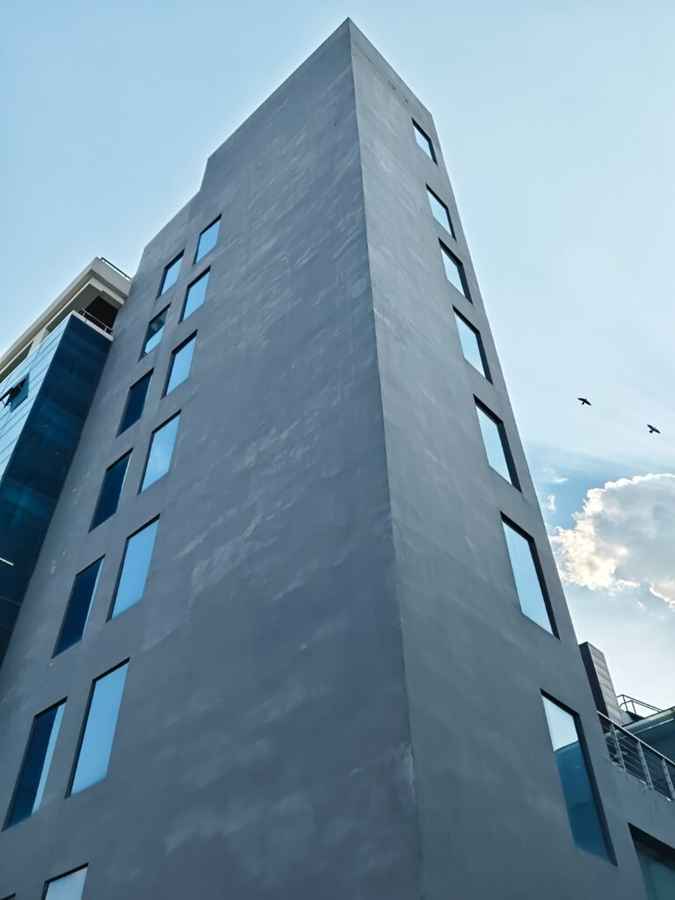

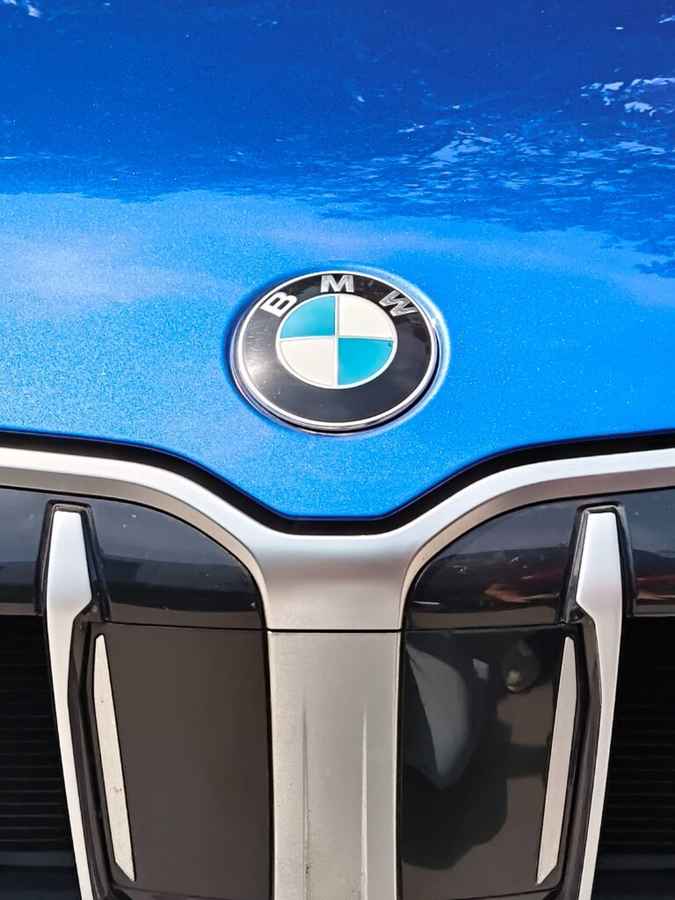
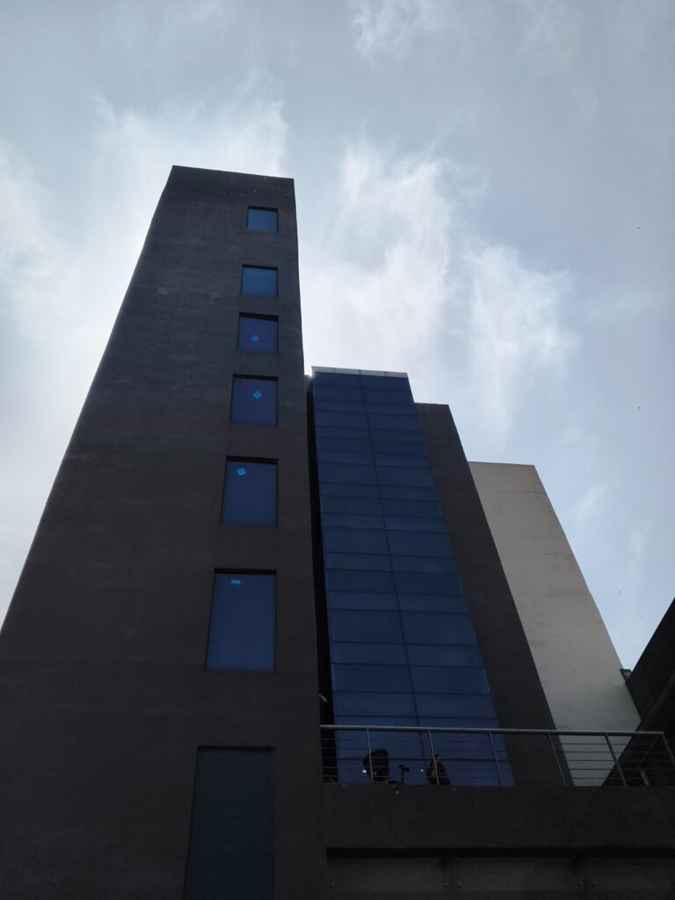
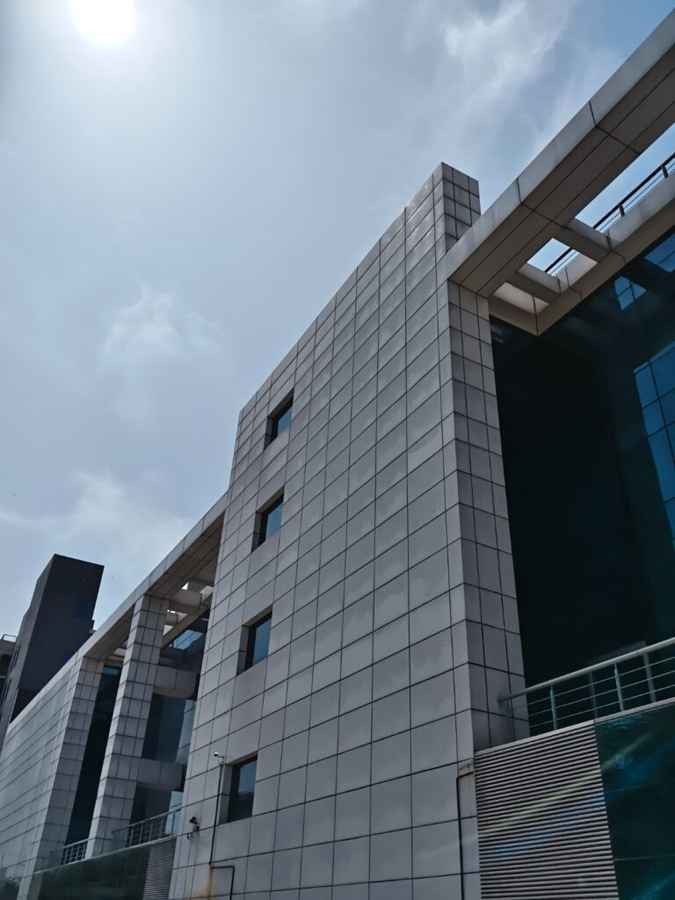



Starting with the main camera, it captures good detail in daylight. Images look sharp enough, and colours are generally pleasing. However, I did notice that the phone tends to push deeper blacks, which adds a bit more contrast to photos. Some people might like this punchy look, but if you prefer more natural or balanced tones, it’s something you’ll notice.



Low-light performance is better than expected for a phone in this segment. The camera manages to retain decent detail, and colours don’t completely fall apart. There is some noise, but the results are satisfying and good enough for social media.
Selfies are handled by the 32MP front camera, and it does a satisfactory job. Photos come out with decent detail, and skin tones look natural without going overboard on beautification. It’s reliable for video calls and social media posts.
Overall, the iQOO Z11x delivers a camera experience that’s quite dependable for its price. It may not impress in every situation, but for everyday photography, it gets the job done well.
iQOO Z11x: Battery
The iQOO Z11x packs a massive 7,200mAh battery and supports 44W wired charging. With such a large battery, endurance is easily one of the phone’s biggest strengths. In everyday use, the battery life is excellent, no questions asked. On a full charge, the phone can comfortably last over two days with casual usage. Even with slightly heavier use, you won’t find yourself reaching for the charger by the end of the day.
In the PCMark battery test, the phone lasted for more than 29 hours, which is seriously impressive for this segment. However, charging is not as fast as you might expect. Using the bundled 44W charger, the phone takes around 1 hour and 30 minutes to go from 0 to 100 per cent. Considering the battery size, it’s understandable, but it still feels a bit slow in 2026.
To give you a better idea of real-world usage, the phone dropped just 3 per cent after 30 minutes of video streaming. Even while using power-hungry apps like Google Maps, the battery drain is minimal as the phone loses only about 4 per cent after an hour of navigation.
iQOO Z11x: Verdict
The iQOO Z11x is a phone that focuses on what really matters for most users. Its biggest strength is the battery life, which easily lasts up to two days on normal use. Performance is smooth, and the display is vibrant, even though it’s not an AMOLED panel. That said, the phone is not perfect. The camera is decent but not outstanding, and the charging speed feels a bit slow given the phone’s humongous battery.
That said, in this day and age, with the component prices rising and phones getting more expensive, there’s not much to complain about here, given the iQOO Z11x is a sub-Rs 20,000 device.
So, if you want a phone with long battery life, smooth performance and a reliable everyday experience, the iQOO Z11x makes quite a strong case for itself.
iQOO Z11x Key Specs, Price and Launch Date
| Release Date: | 12 Mar, 2026 |
| Market Status: | Launched |


