
iQOO Z11 Review: Battery beast with a catch
 Follow Us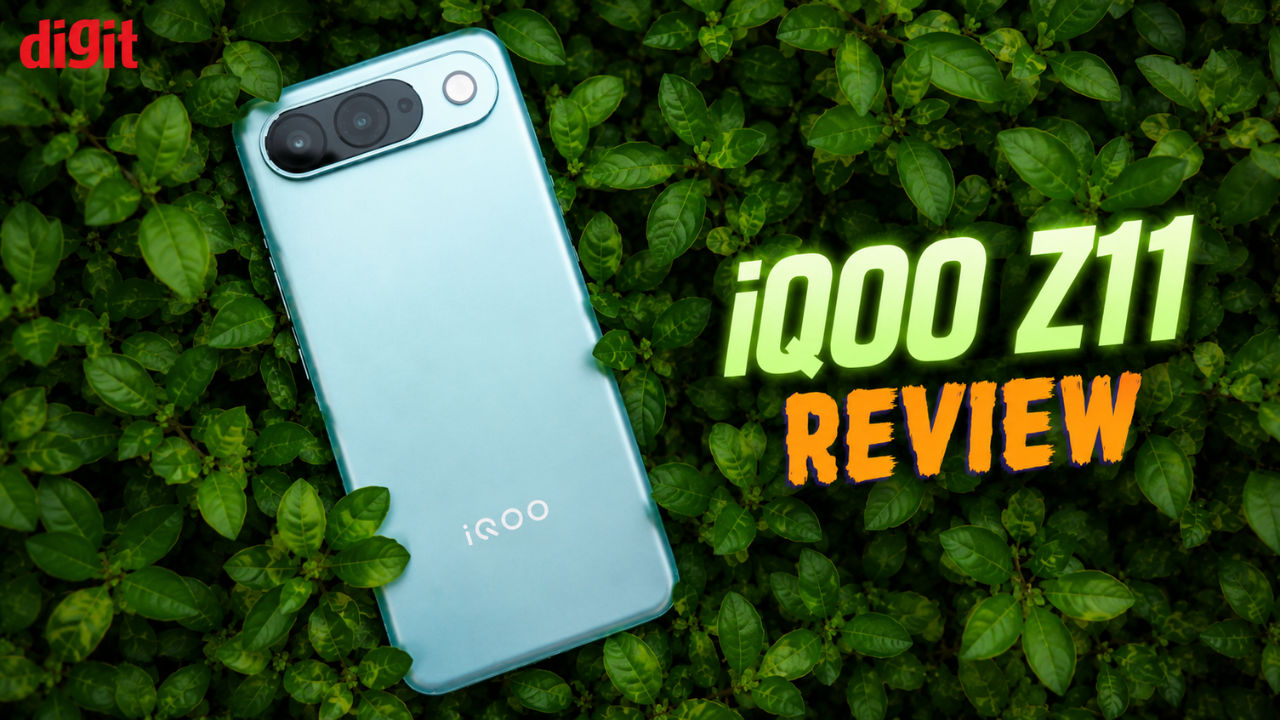

A friend of mine still uses last year’s iQOO Z10, and when I mentioned I’m reviewing the Z11, the first thing he asked wasn’t about the chipset or the camera, it was whether it’s actually worth upgrading. But then the conversation flipped around: is the 144Hz display actually better, does the new processor have enough power to handle heavy tasks, is the ultrawide sensor worth having, and does any of that justify the price hike of Rs 15,000? For these questions, the answers would be mixed. That conversation stuck with me through the whole week, and this review is built around trying to actually answer it and here’s what I found.
iQOO Z11: Display
The iQOO Z11 features a 6.83-inch 1.5K curved AMOLED panel with a 144Hz refresh rate, and it’s one of the strongest parts of this phone. I watched Operation Safed Sagar on Netflix over a couple of nights, and the display handled it well. Aerial shots of jets held their detail, mountain scenes came through with real depth, and dark sequences stayed properly black rather than sliding into grey.
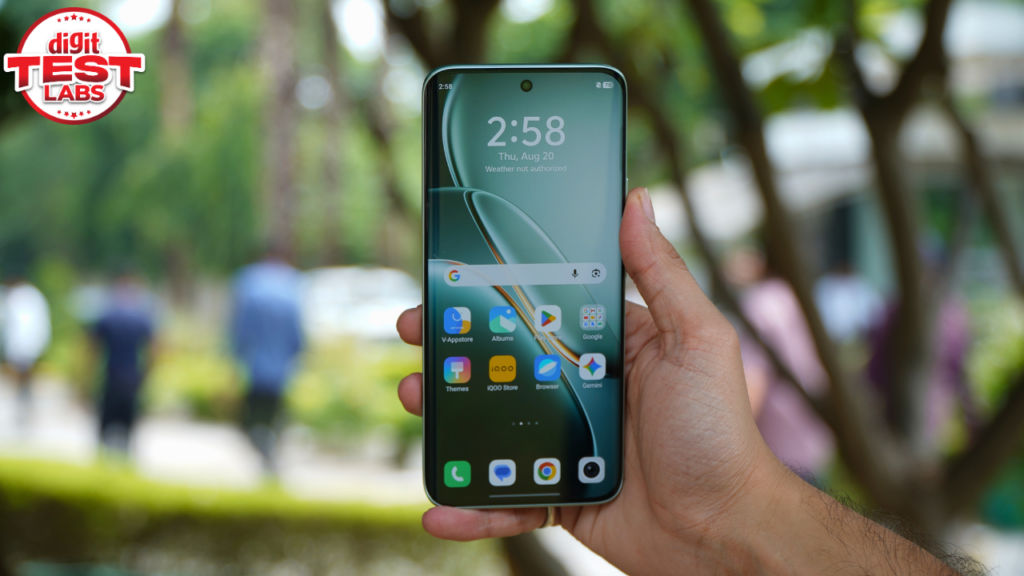
At 144Hz, scrolling feels smooth, and if you spend a lot of time moving through social media feeds, that smoothness is noticeable. One thing worth knowing, not every app runs at the high refresh rate by default. You’ll need to turn on high refresh mode manually for individual apps in the settings.
The curve on the display did cause one issue for me. While shooting photos, I accidentally kept touching the edge of the screen, which occasionally shifted focus in the viewfinder.
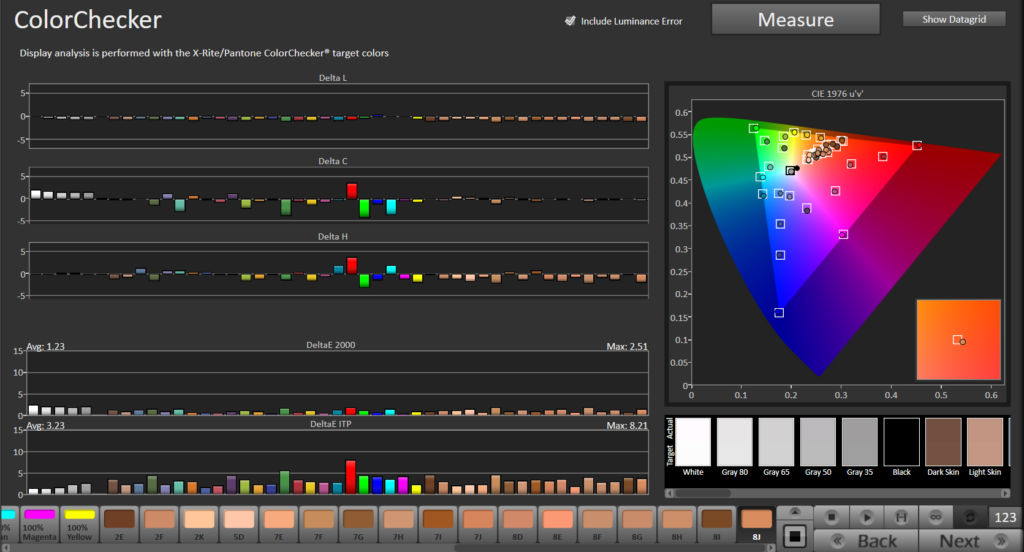
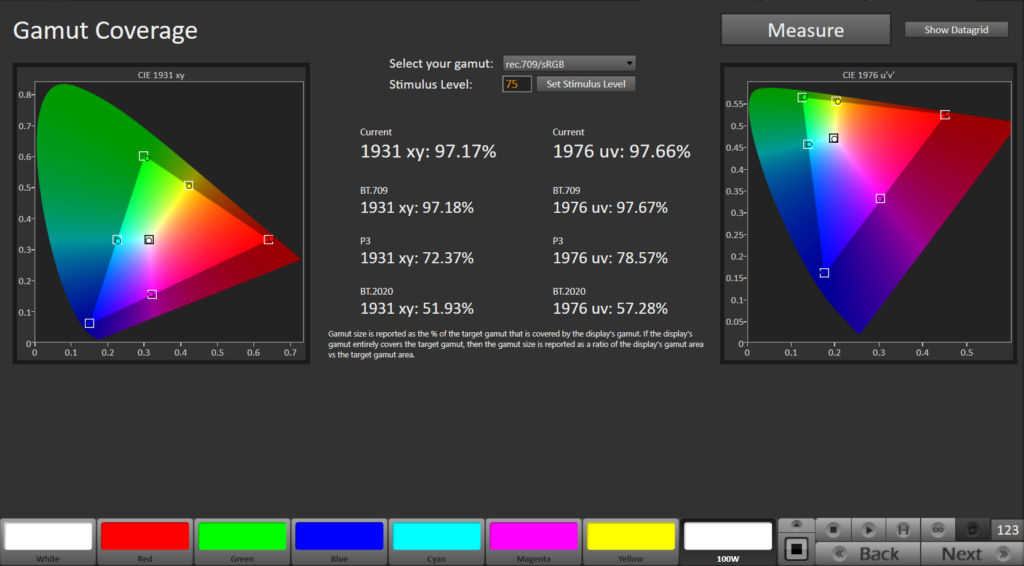
On the bench, the numbers back up what I saw. Our Calman test returned an average Delta E of 1.23, an excellent result, and the Colour Gamut test measured 97.67% coverage. Peak brightness is where things get interesting, our testing recorded 3,560 nits, higher than iQOO’s own claim for this panel. What isn’t in question is real-world visibility. I never had to squint at this screen, even in harsh direct sunlight.
iQOO Z11: Design
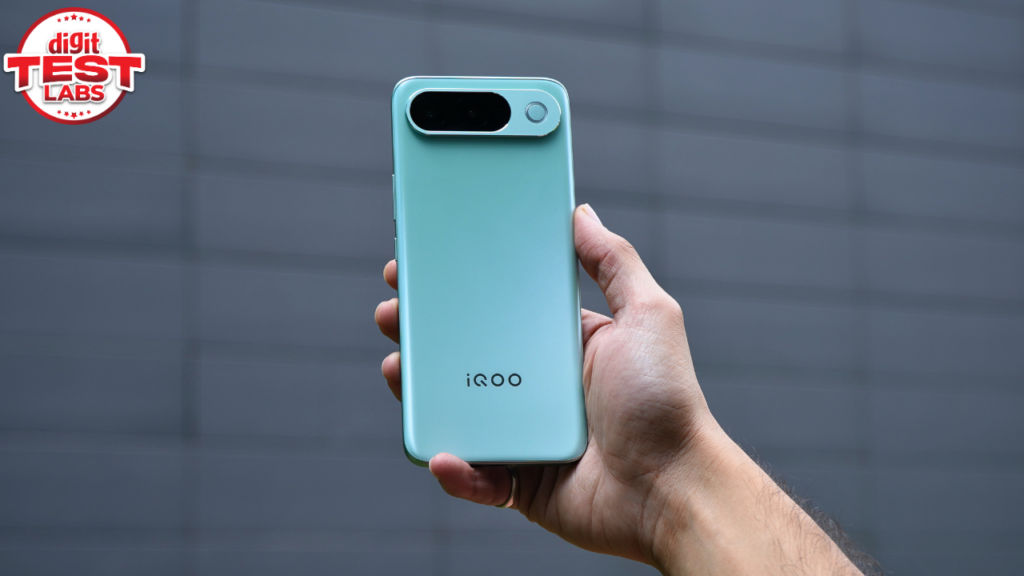
When I picked up the iQOO Z11, the camera island on the back is the first thing that stands out, it’s laid out in a way that immediately reminded me of a Pixel phone. Beyond that, the design stays fairly minimal. iQOO sent us the Aurora Green colourway, which shifts to a blue tint under certain light and looks distinct. Buyers can also buy the Celestial Blue option.
Despite the size of the battery inside, the iQOO Z11 does not feel heavy. At 199 grams and 7.99mm thick, it sits comfortably in hand, and I never struggled with typing on it for long stretches. The one real complaint is grip, the back is slippery enough that I’d recommend using the case iQOO includes in the box rather than skipping it.
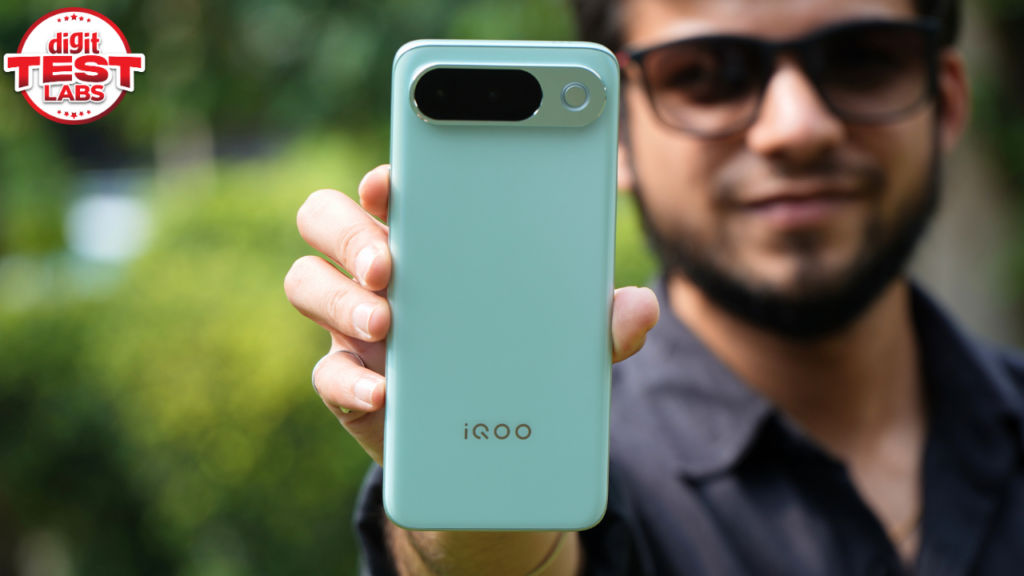
Stereo speakers here can hit up to 200% volume, though sound quality drops off and gets distorted the louder you push it. Durability is solid on paper, with MIL-STD-810H certification alongside IP68 and IP69 ratings for water and dust resistance. The in-display optical fingerprint sensor worked reliably every time I used it.
iQOO Z11: Performance
The Z11 runs on MediaTek’s Dimensity 7500 Turbo, paired with 12GB of LPDDR4X RAM and 256GB of UFS 3.1 storage on our review unit. This isn’t a flagship chipset, and it doesn’t try to be one, but that doesn’t mean it feels slow. Apps open quickly, multitasking is smooth without issue, and RAM management felt well handled throughout my time with it.
BGMI is capped at Smooth graphics with Extreme frame settings, which means you can play BGMI up to 60fps. Call of Duty Mobile fares better, running also at 60fps but the frame rates stayed consistent through my sessions.
I also noticed the phone getting warm during extended use in direct sunlight, and that warmth resulted in occasional jitter while scrolling through the UI. It wasn’t a constant issue, but it was noticeable enough to mention.
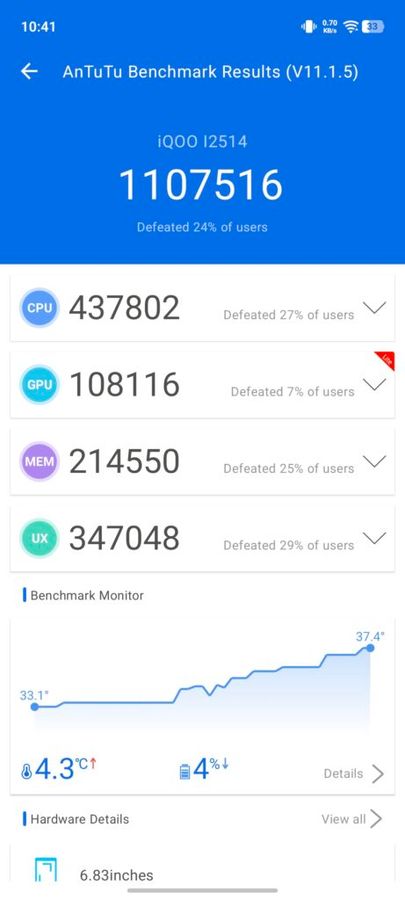
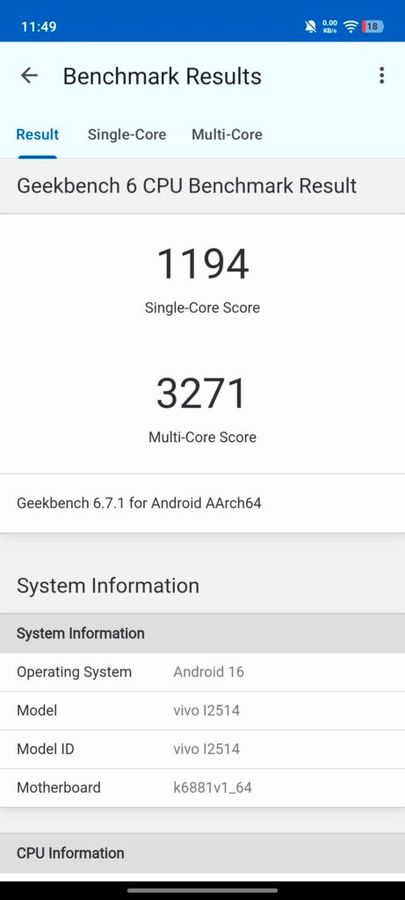
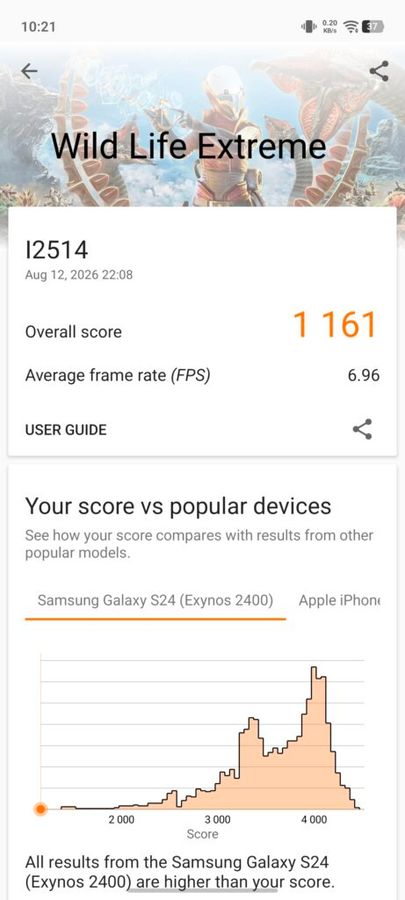
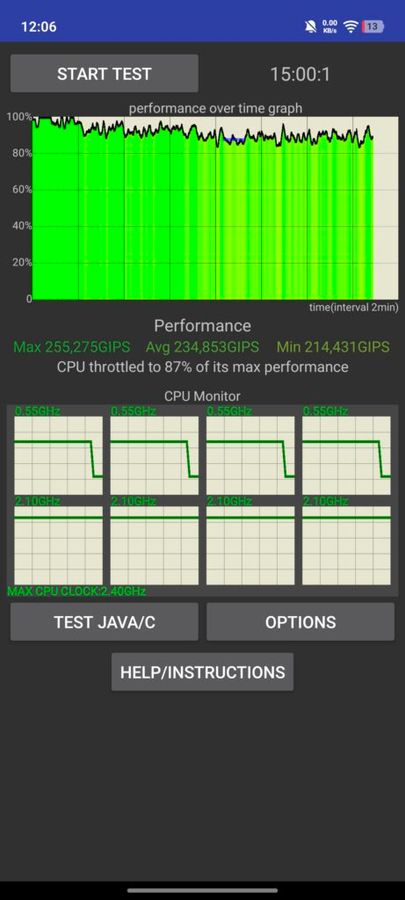
On the benchmark side, the iQOO Z11 scored 1,107,516 on AnTuTu. Geekbench returned 1,194 in the single-core test and 3,271 in multi-core. The 3DMark Wild Life Extreme test gave it an overall score of 1,161, and the CPU Throttling Test showed the chip holding on to 87% of its performance under sustained load.
iQOO Z11: Software
OriginOS 6, built on Android 16, runs on the iQOO Z11, and it feels smooth throughout. Animations are clean, and apps open and close without any noticeable stutter.
There’s bloatware here, as expected at this price, but all of it can be removed. One thing worth flagging for anyone setting the phone up for the first time, the initial boot process prompts you to install some third-party apps. It’s easy to miss, so make sure to uncheck that option if you’d rather not add third-party apps you didn’t ask for.
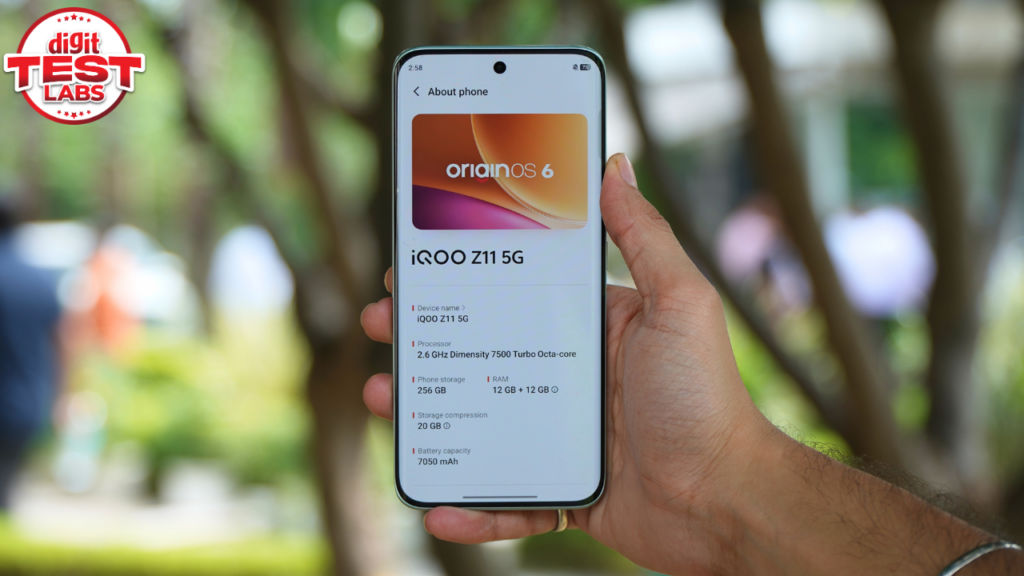
iQOO has added a few AI features worth mentioning. AI Caption handles real-time translation, useful for multilingual meetings, videos, or conversations where context and accuracy matter.
AI Writing helps with drafting emails, summarising meeting notes, pulling out action items, and cleaning up documents. Circle to Search is also here, letting you pull up information on anything visible on your screen without leaving the app you’re in.
In terms of Software updates, iQOO is promising three years of Android Updates and five years of Security Patches.
iQOO Z11: Battery
The Z11 packs a 7,050mAh battery with 44W charging support, and in daily use it held up exactly the way a battery this size should. Across full days of heavy use, gaming, scrolling, and content watching, it never once ran out on me, and it regularly carried over into a second day. In day-to-day use, this is a phone that gets you through a day and a half without needing to think about a charger.
For lighter, more casual use, I’d expect close to two days of screen-on time. It’s also worth pointing out that a 7,000mAh-plus battery isn’t the rarity it used to be, several brands are building around this size now, so it’s becoming closer to a new baseline than a standout feature.
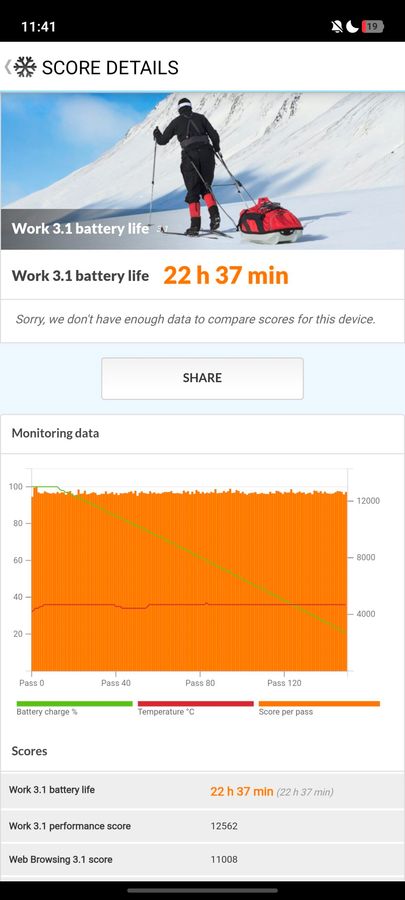
At Digit Test Labs, the PCMark Battery Life Test returned 22 hours and 37 minutes of screen-on time, a strong result that lines up with what I saw day to day.
Charging is the one area that felt behind. 44W is usable, but at this price and battery size, I expected something closer to 65W or higher. We charged this phone from 0 to 100% and it took 1 hour and 46 minutes in our testing.
iQOO Z11: Cameras
The Z11 keeps its camera setup simple, a 50MP Sony IMX822 main sensor paired with an 8MP ultrawide, and a 32MP selfie camera up front.
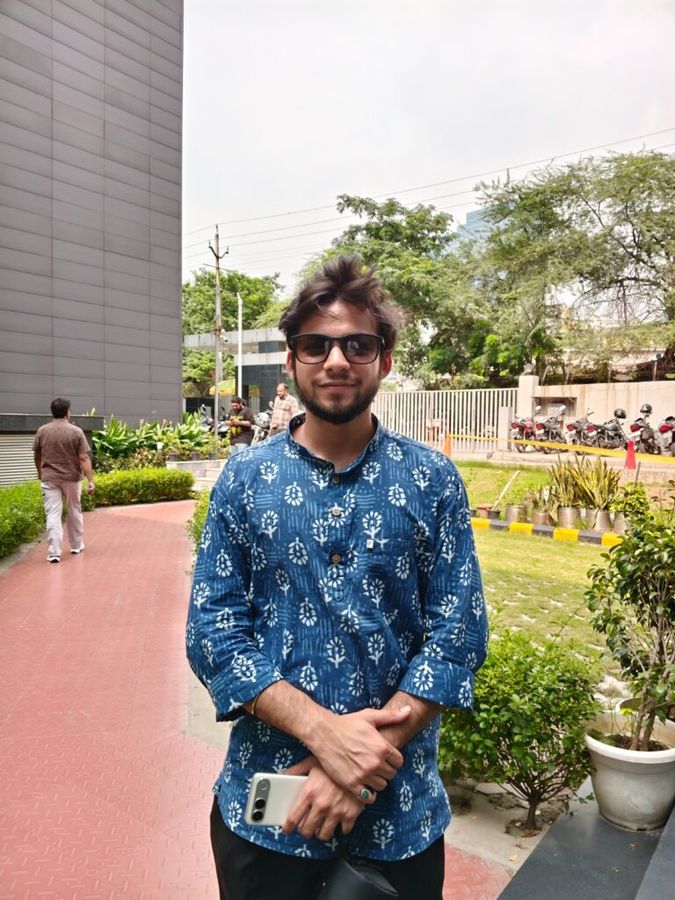
Photos of human subject where this camera struggles most. Shots came out over-processed and softer than I’d like, with detail getting lost in the process. In one shot of mine, the camera added colour where there shouldn’t have been any, my black shirt picked up a tint that wasn’t there in real life, and for context, every shot from the iQOO Z11 was taken entirely in Natural mode.
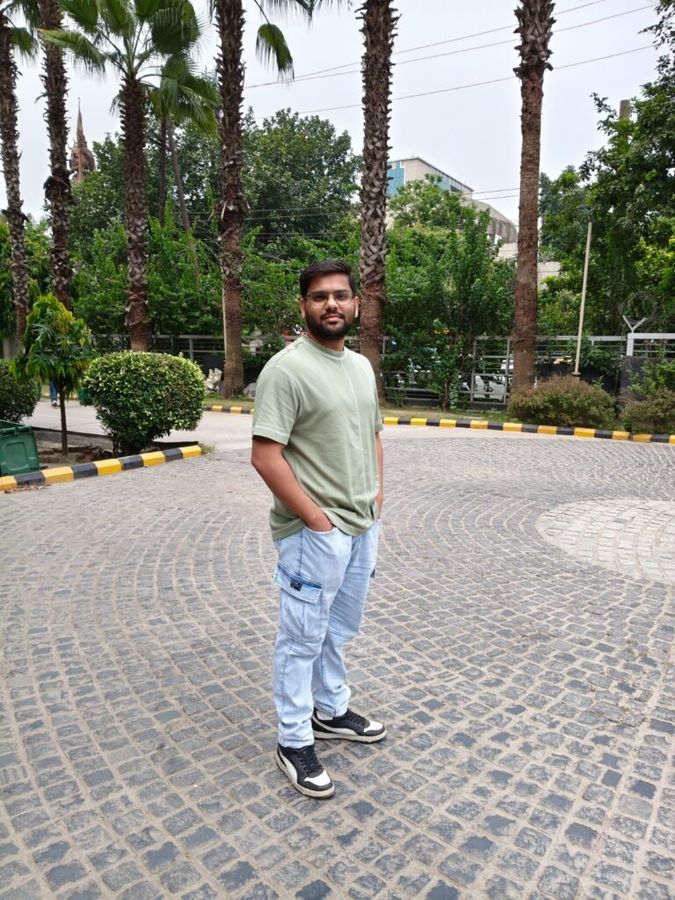

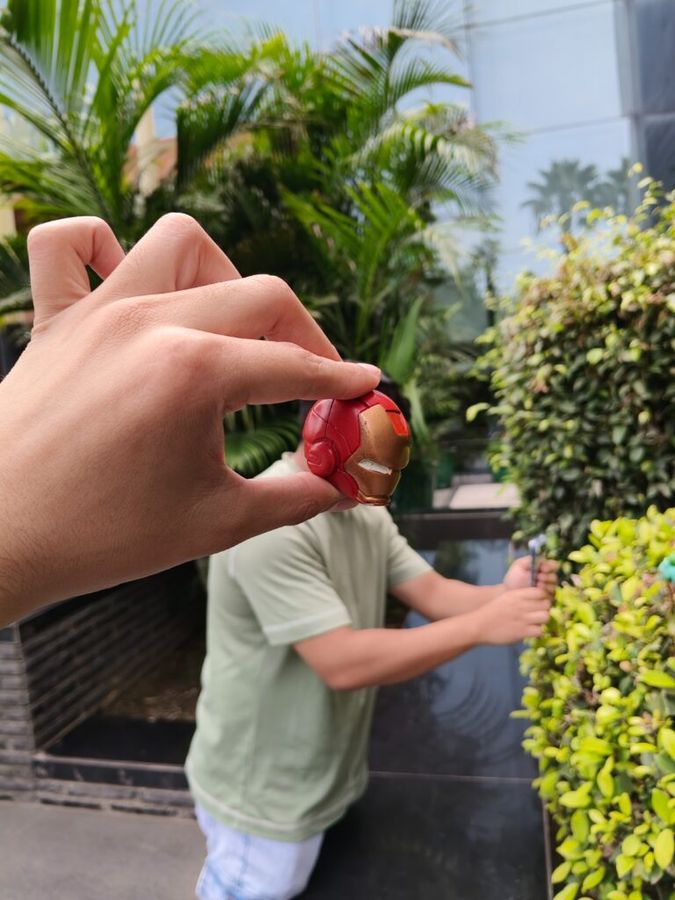
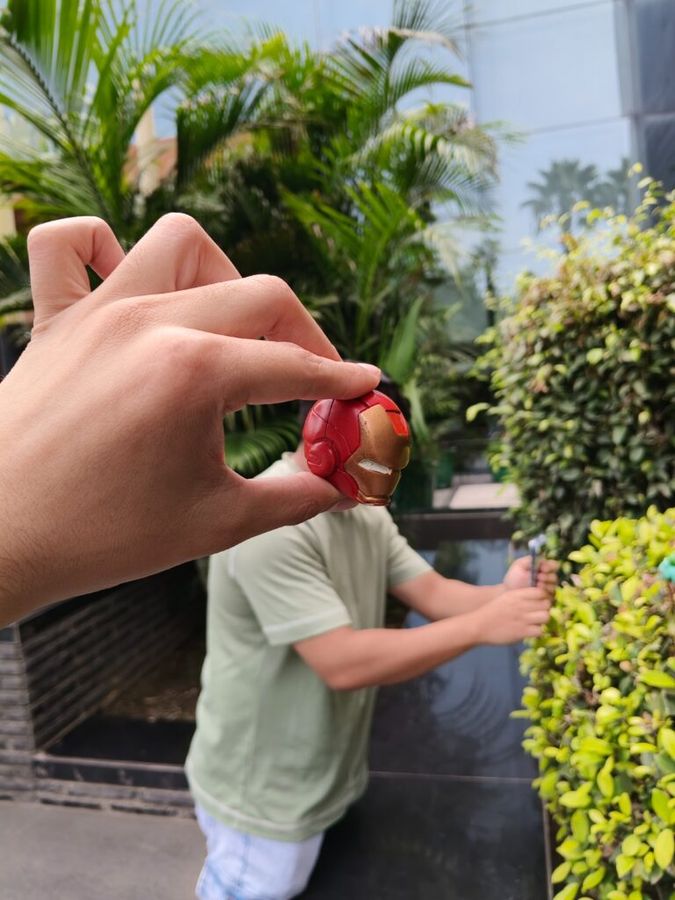
Photos looked good enough to post straight from the gallery without editing, and depth of field came through naturally without needing portrait mode to fake it.


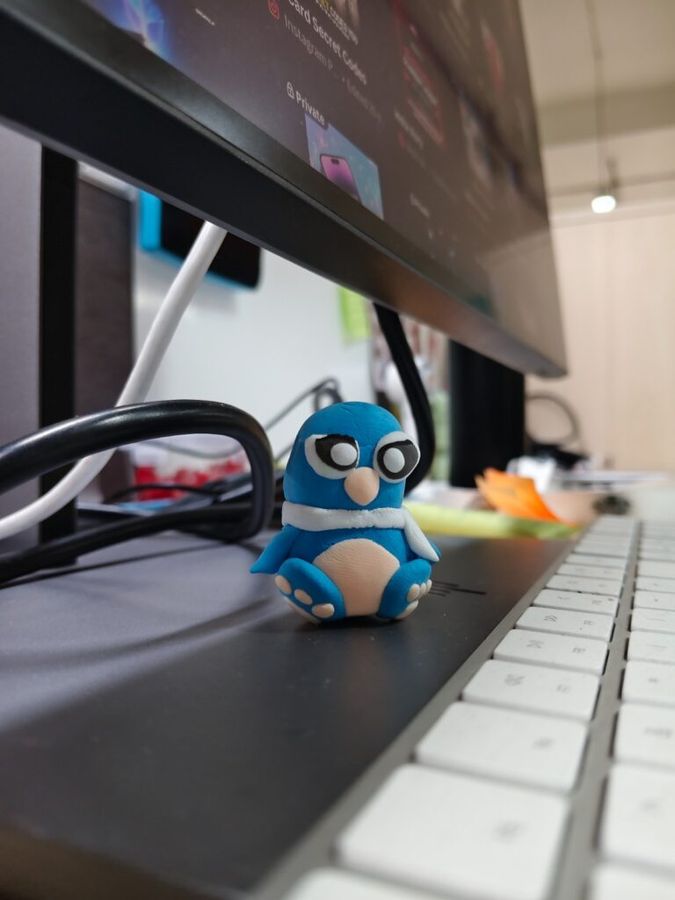
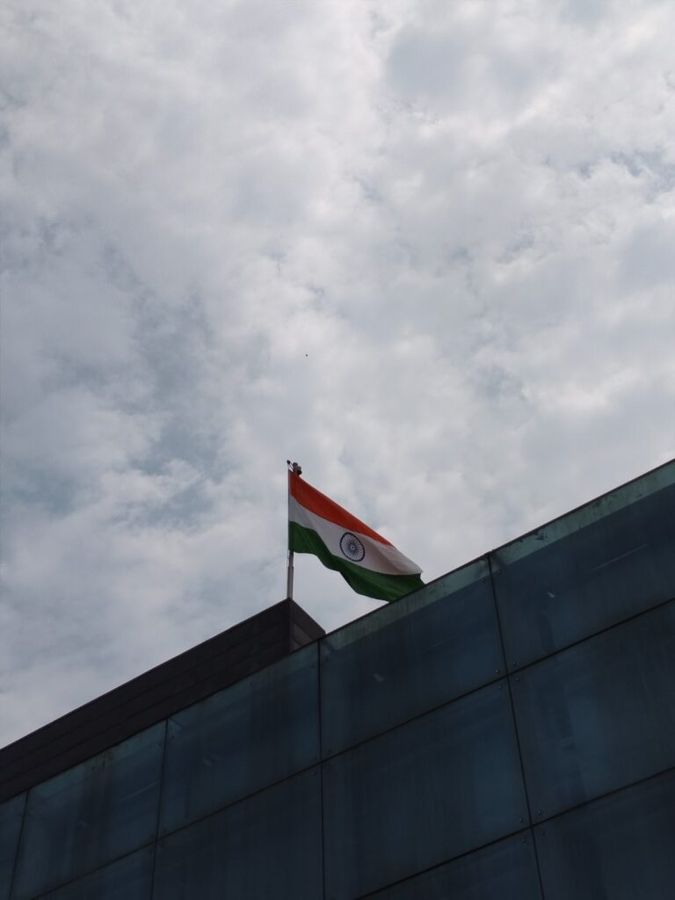
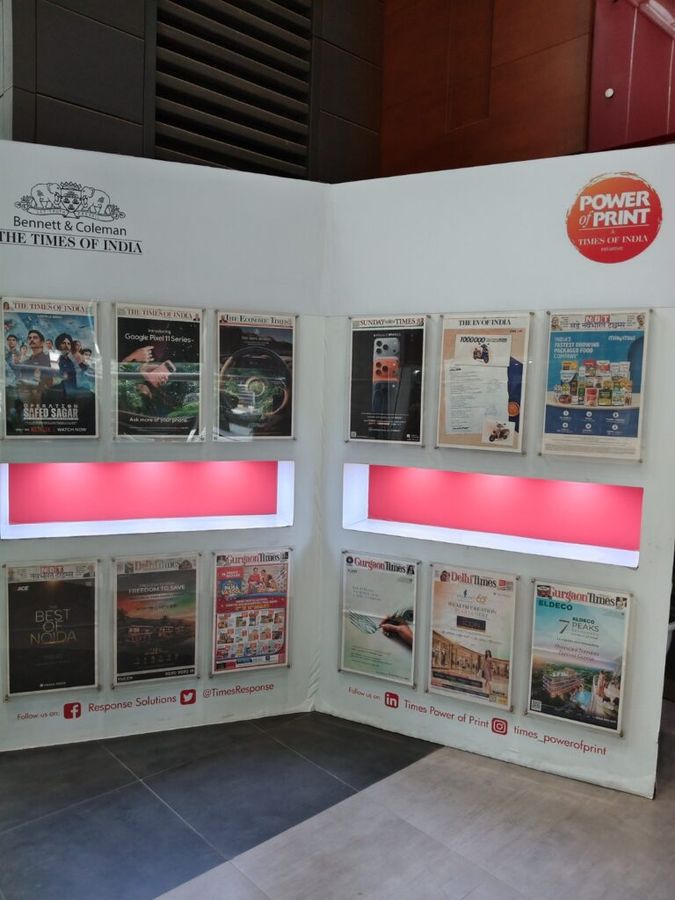

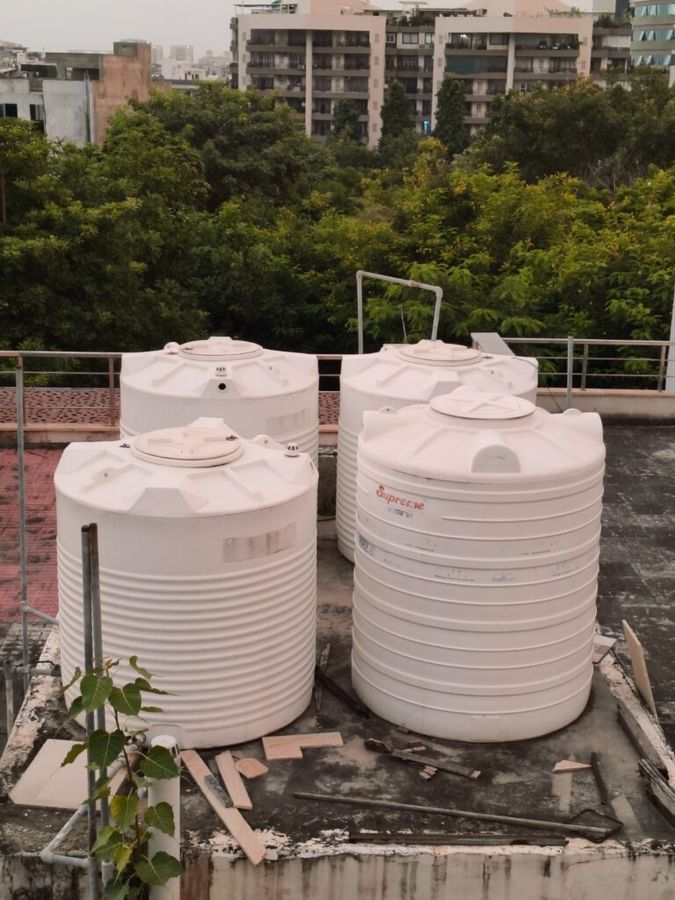
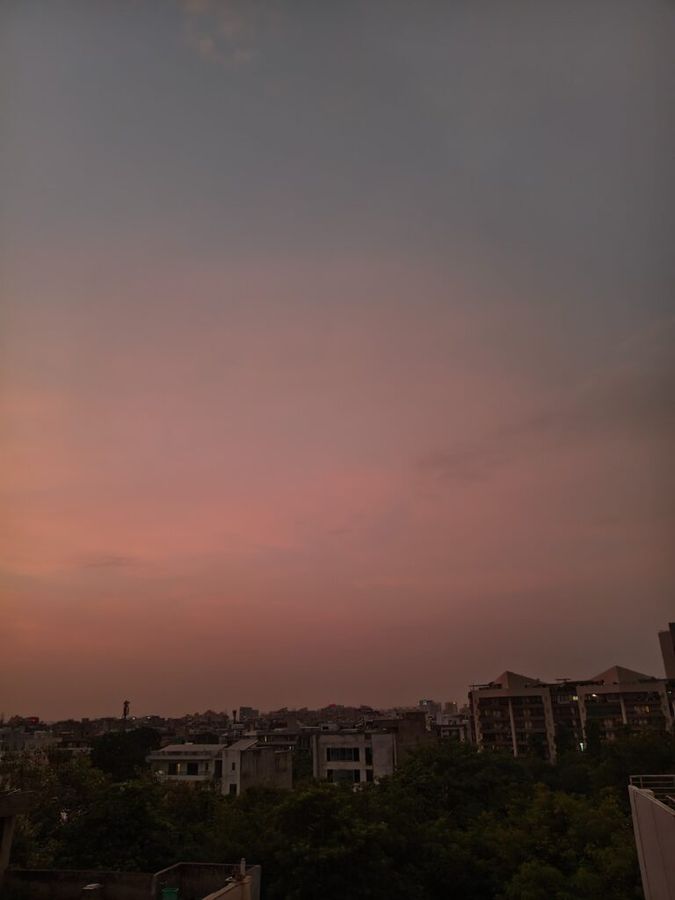
Low light performance was a pleasant surprise, particularly with skies; images matched what I was actually seeing in the moment rather than over-brightening or losing colour.
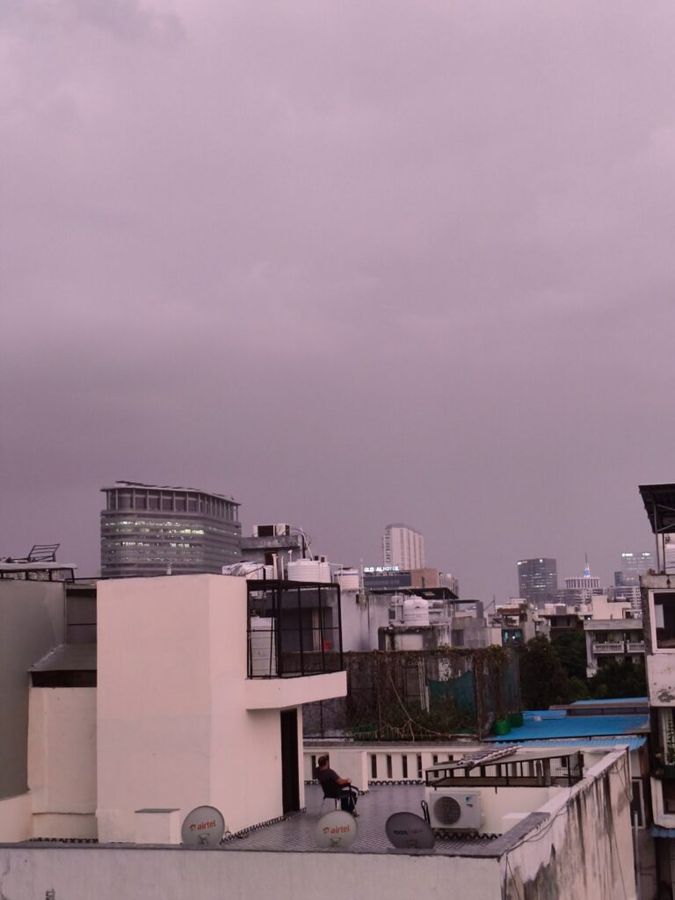

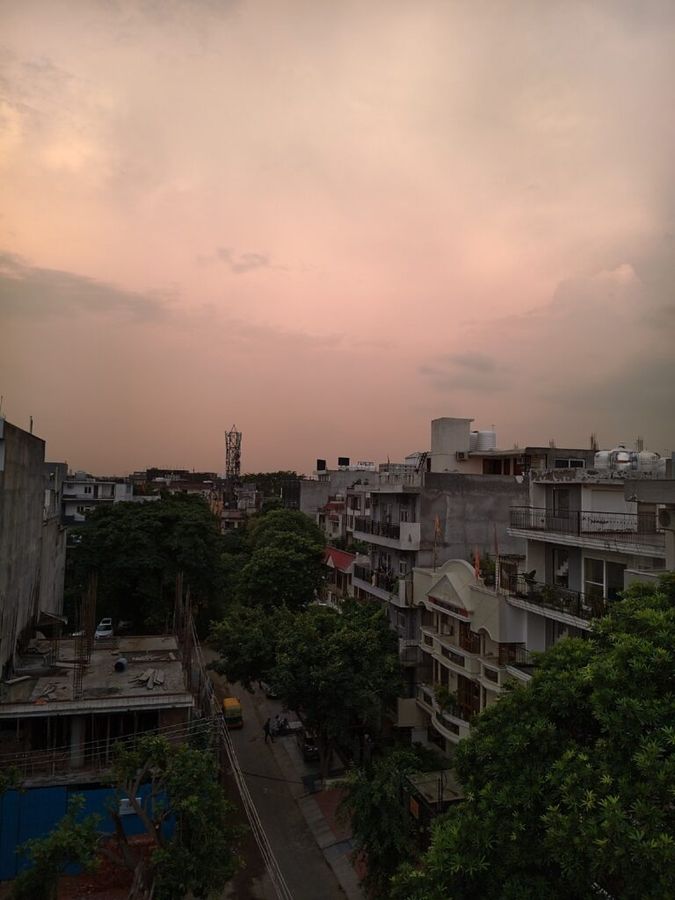
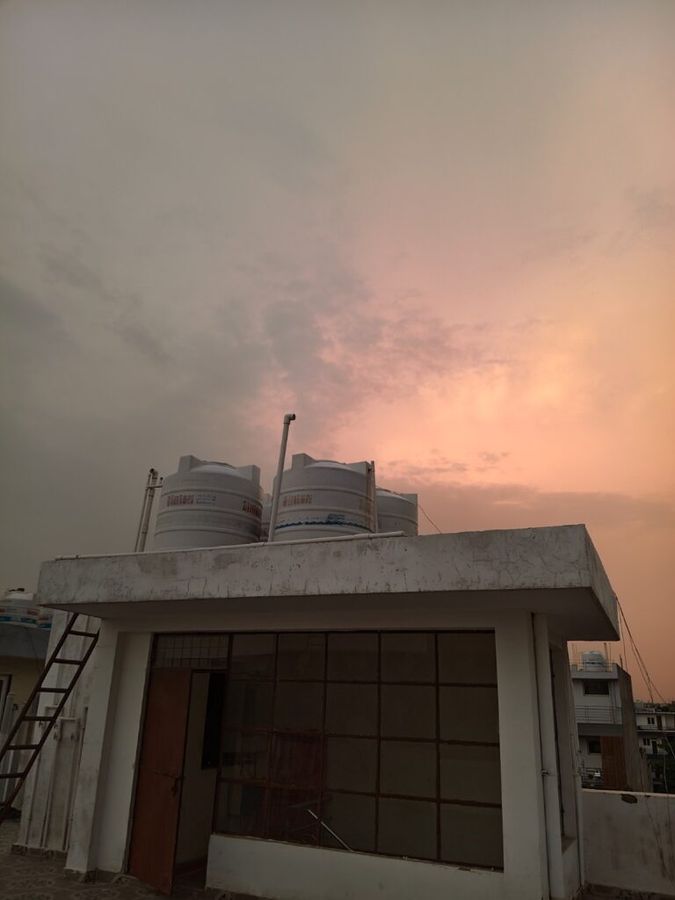

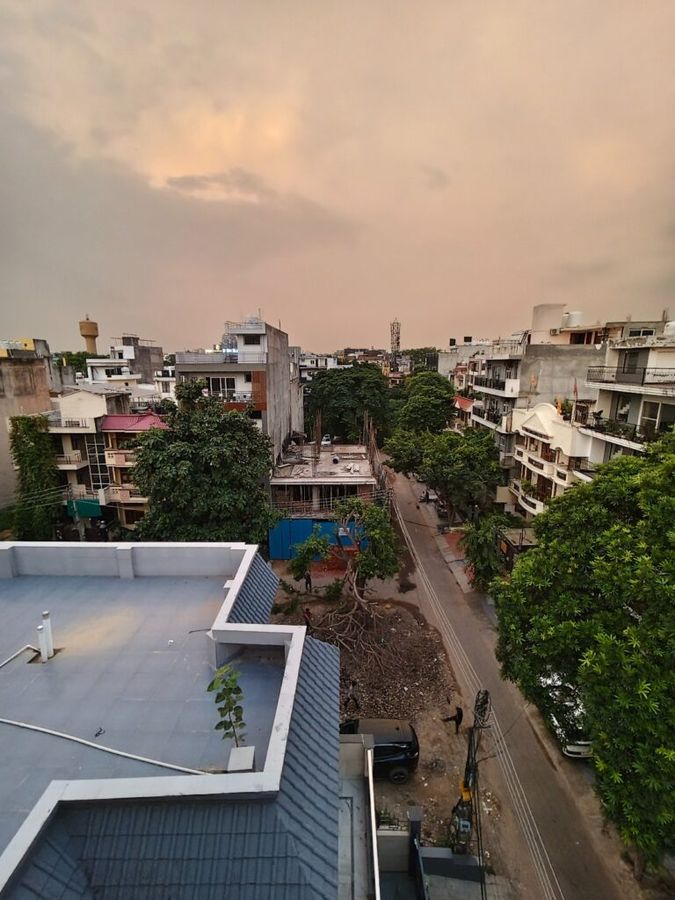

Portrait mode is a mixed bag. Edge detection is generally solid, though it occasionally struggles specifically with human subjects, the same weak spot as the main camera. When it works, though, the bokeh effect looks creamy, and the overall portraits hold up well.




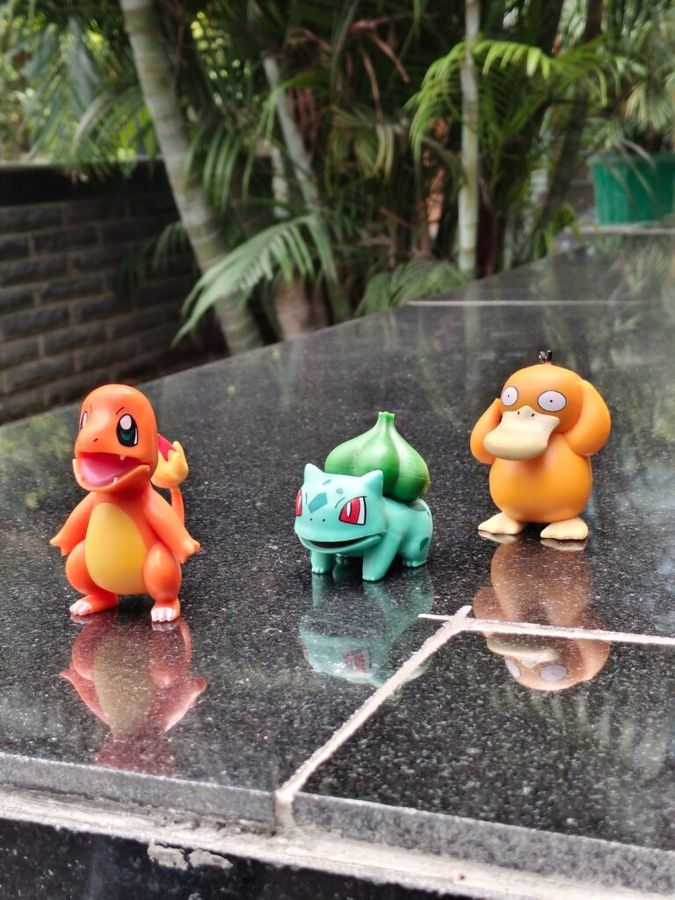
The ultrawide camera is fine rather than impressive. Don’t expect a lot of detail, but for wider shots where framing matters more than sharpness, it does the job.
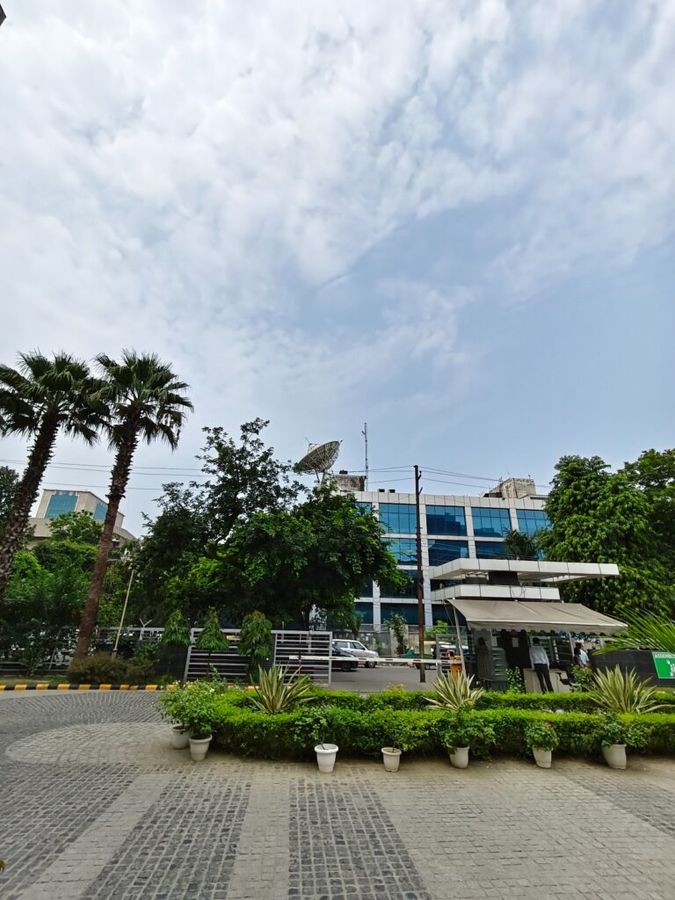
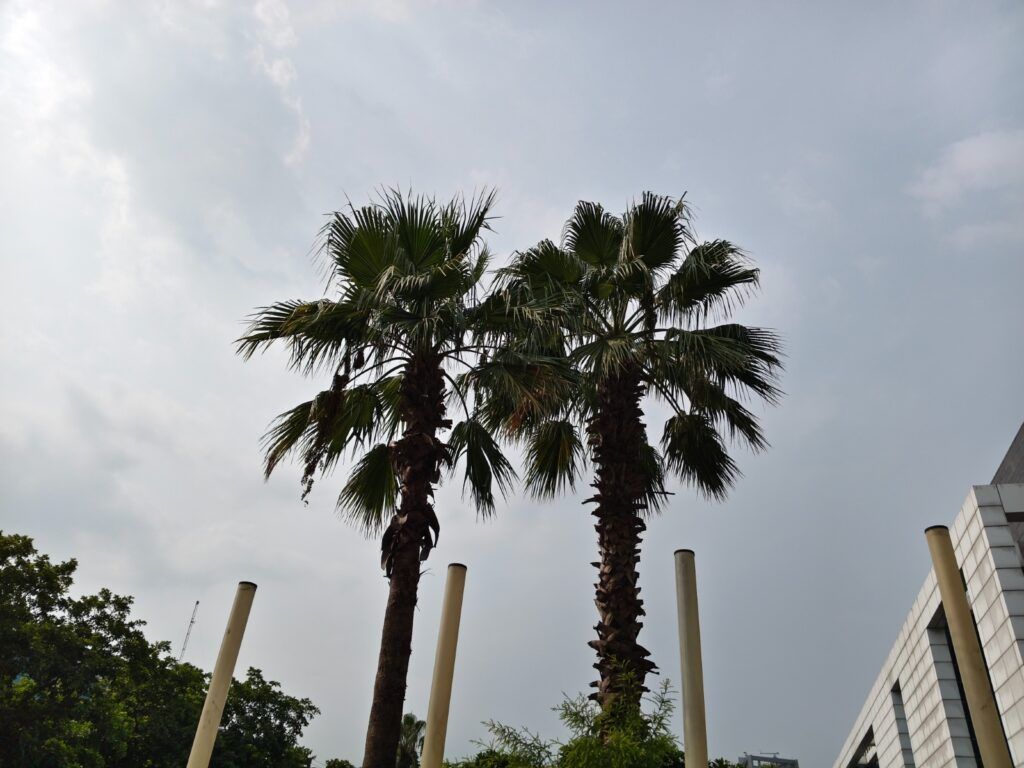
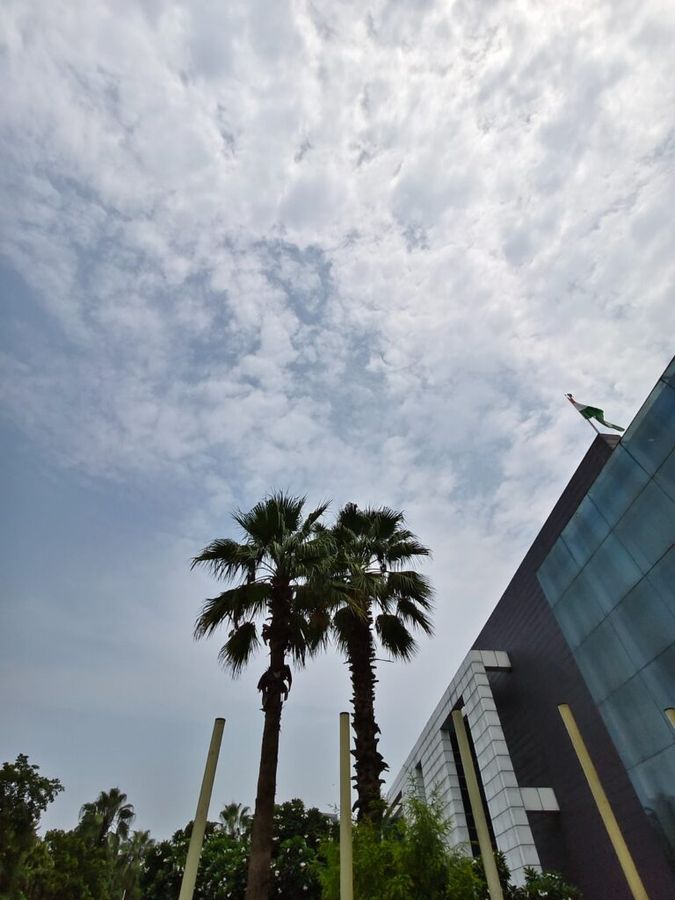
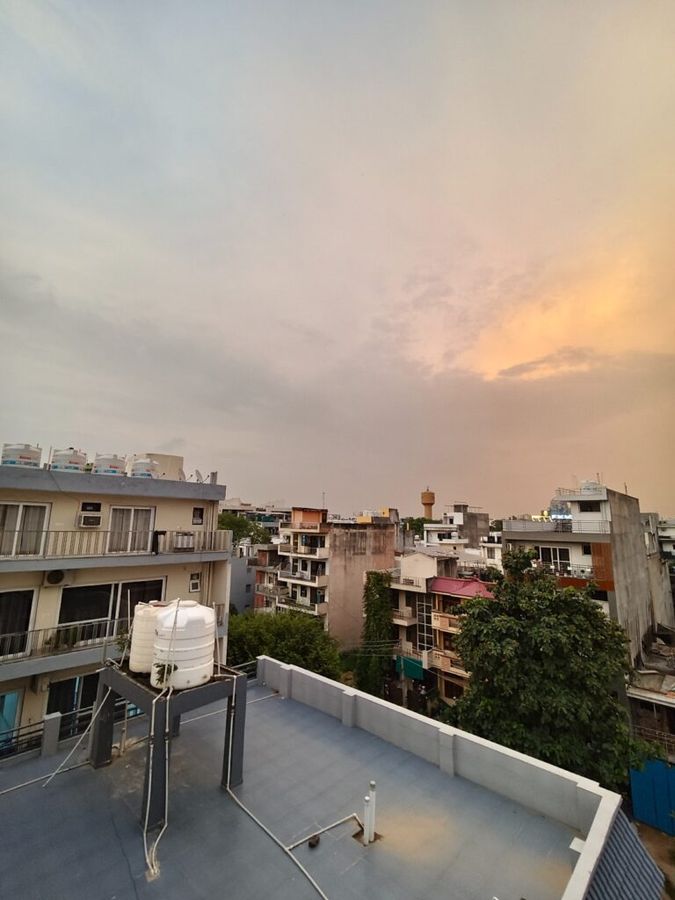
Selfies are a genuine strength here. Detail holds up well, edge detection in portrait selfies is great, and skin tones come through natural rather than overprocessed.




iQOO Z11: Verdict
After a week with the iQOO Z11, the pattern is fairly clear. Display and battery are the two things this phone gets right without much to argue about, a bright, accurate AMOLED panel backed by genuinely excellent brightness and colour numbers, paired with a battery that comfortably stretches past a single day. Performance holds up fine for daily use and the main camera handles almost everything well but sometimes struggle with portraits.
At Rs 34,999, the Z11 makes the most sense for someone who prioritises screen quality and battery life over gaming headroom or portrait photography. If either of those two things matter more to you than the display or the battery does, it’s worth looking elsewhere in this price range.


