
Mivi One 5G review: A 6,000mAh battery and clean software make a good first impression
 Follow Us

Just when I thought the smartphone market was saturating, Mivi decided to enter one of the most cluttered segments of the industry. I have reviewed enough budget smartphones to know that standing out is not easy, especially when brands such as Redmi, Realme and Motorola have already established themselves in this space. Mivi is a well-known brand in the audio category. However, the makers are now trying their luck in the smartphone industry with the Mivi One 5G. I have been using the device for around two weeks, putting it through my everyday routine, testing its performance and trying out its cameras in different lighting conditions, and here is what I feel about the device.
Before we deep dive into the review, here is what my immediate reaction to the device was like. I really liked that the company has focused on the basics, keeping the device simple and practical instead of going all out on flashy features. The biggest surprise for me was getting a Qualcomm Snapdragon processor amid the ongoing memory chip shortage in the global market. If that was not already enough, there is no bloatware on the device. I tested the mid variant that offers 6GB of RAM and 128GB of internal storage, and in a nutshell, my experience has been largely positive, but that doesn’t mean that the device comes with no shortcomings. Without any further ado, let’s talk about each aspect of the device in detail.
Mivi One 5G Design: A comfortable phone despite its weight
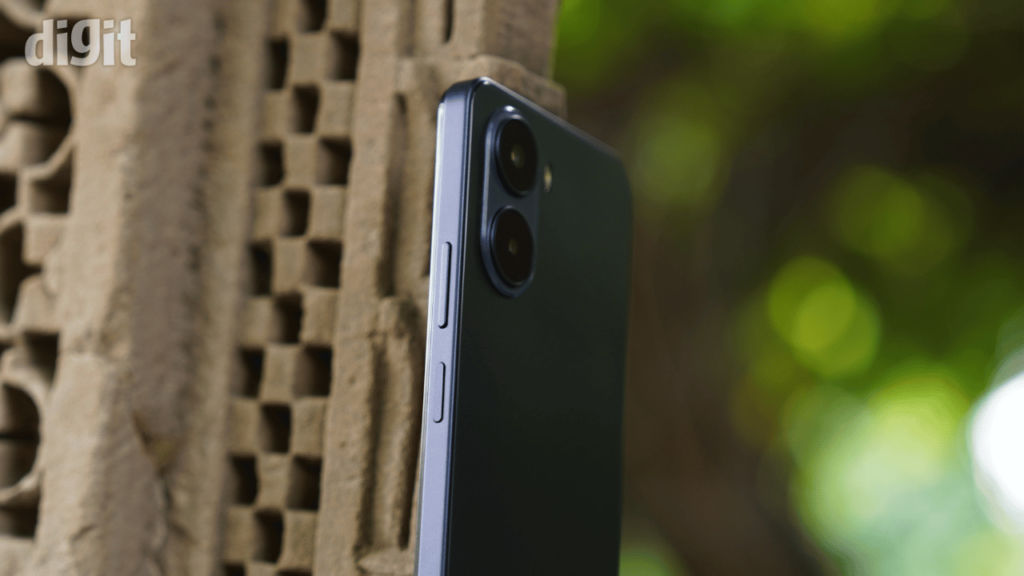
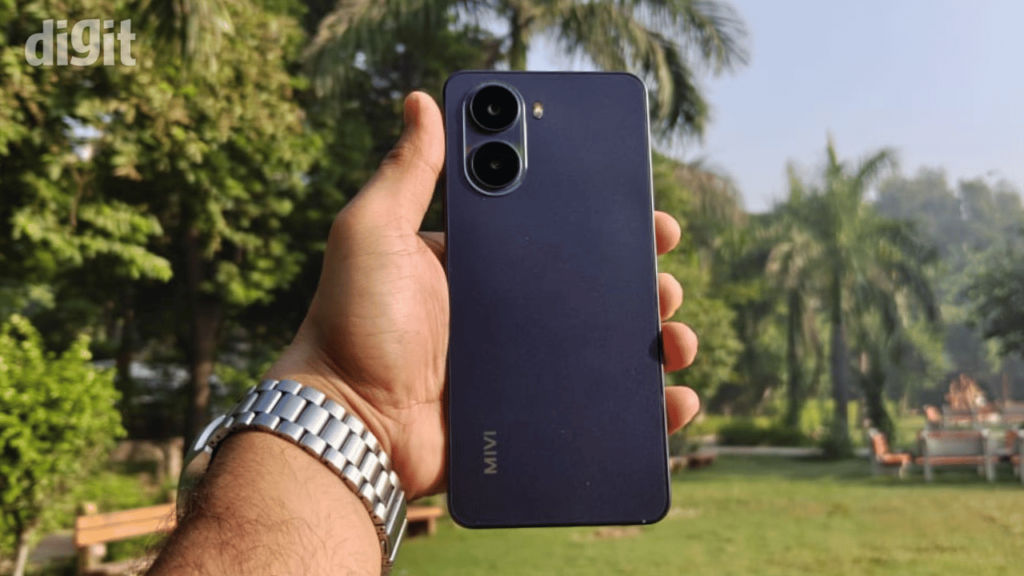
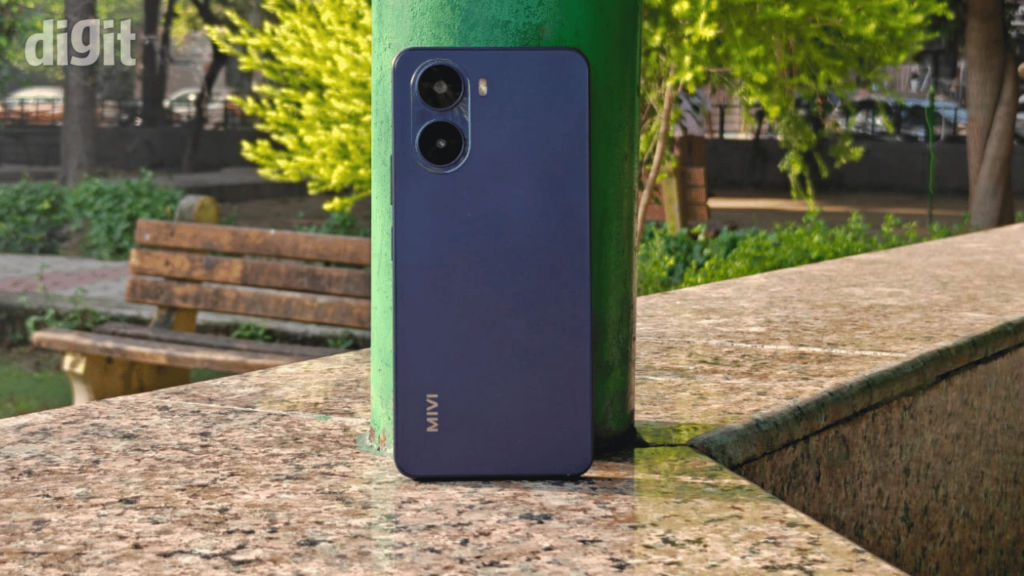
The Mivi One 5G follows a simple design approach, as the device is offered in solid colour options. I received the dark blue variant for review, and it just looked eye-pleasing with no flashy patterns or distracting design elements.
Aside from that, what impressed me was the form factor of the device along with the build quality. Despite the fact that the smartphone is a sub-Rs 15,000 device, the matte-finish plastic back provides ample sturdiness. There were no visible fingerprint smudges during my testing.
The Mivi One weighs around 210 g and is 9.15 mm thick, which is a bit more when compared to the other devices in the same price bracket, but in real life, those few extra grams and thickness have no impact. I used the device single handed for a prolonged period, and the device was not uncomfortable at all.
Other than that, the smartphone also comes with a waterdrop notch and thick bezels. When compared to the competition, these things make the device less modern. In terms of audio, the handset feels compromised, as it only houses a single bottom-firing speaker, offering a less immersive experience, particularly when watching videos without headphones. Thankfully, it comes with a 3.5mm headphone jack that provides a convenient alternative.
Mivi One 5G Display: Smooth scrolling, but I missed an OLED panel
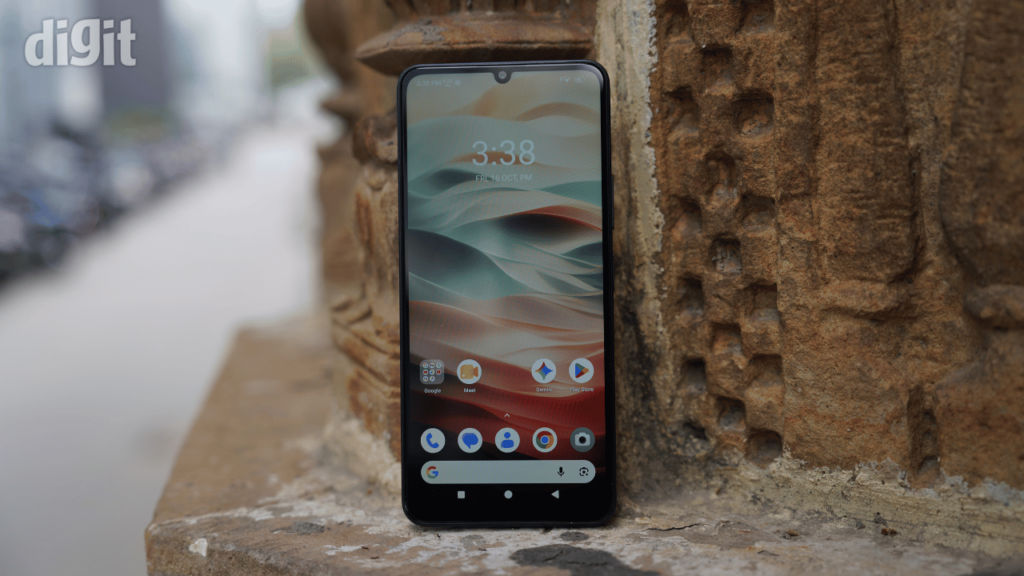
The Mivi One 5G features a 6.75-inch HD+ LCD display with an adaptive 120Hz refresh rate. During my testing, scrolling through Instagram, browsing websites, and navigating the interface felt fluid. When I used it outdoors under bright sunlight, the text on the device was readable, and the auto brightness was also quick to adapt to the illumination change.
However, though it was readable, I missed having an OLED panel. The gap particularly feels noticeable when you start watching videos or viewing photos. The LCD panel lacks vibrant colours, and inky blacks become apparent.
The OLED expectations are also not too high, as some competitors are already offering OLED displays in the price range. I just hope Mivi considers introducing OLED panels in future generations of its devices.
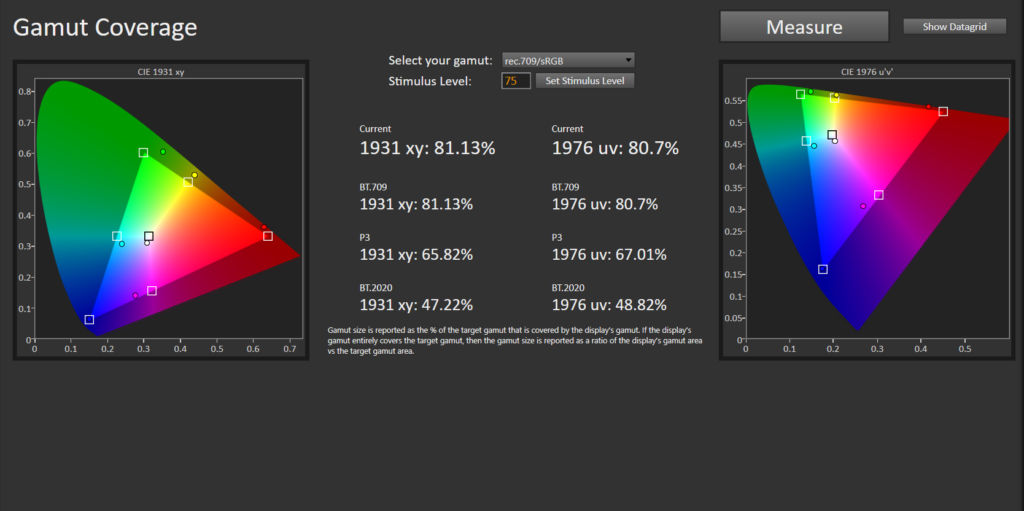
When tested by industry standards, the Mivi One’s display tests revealed some limitations in colour accuracy and grayscale reproduction. It covers 81.13 per cent of the sRGB colour gamut and 65.82 per cent of DCI-P3, which is modest for content consumption.
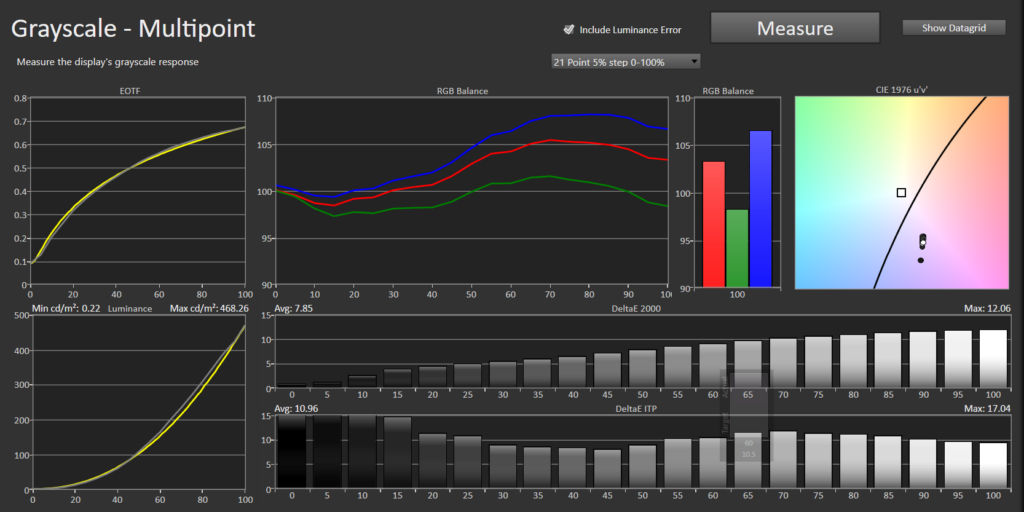
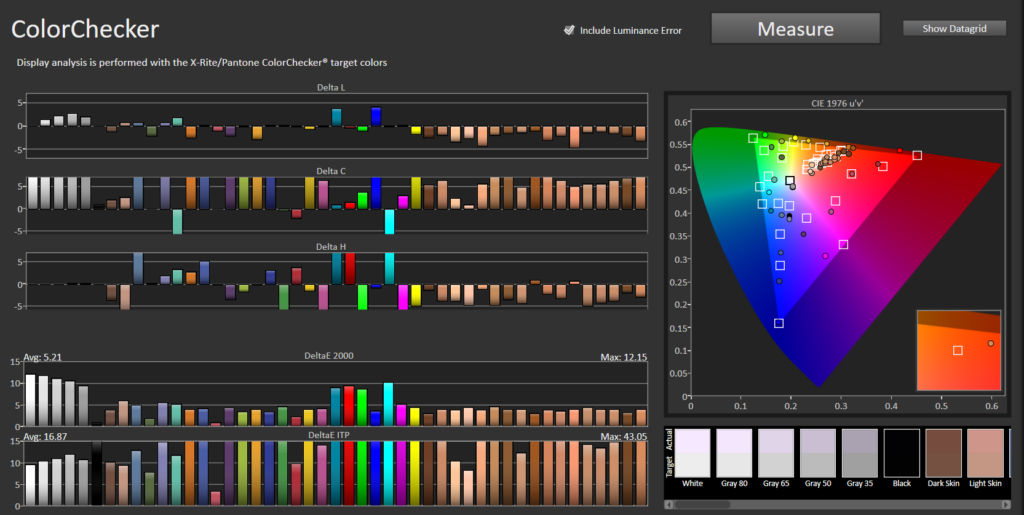
Whereas the grayscale test recorded an average Delta E 2000 of 7.85 and the ColorChecker test showed an average Delta E 2000 of 5.21. These results suggest noticeable colour inaccuracies, particularly when viewing photos and videos, which aligns with my experience of the HD+ LCD panel lacking the vibrancy of an OLED display.
Mivi One 5G Performance: Everyday use is its biggest strength
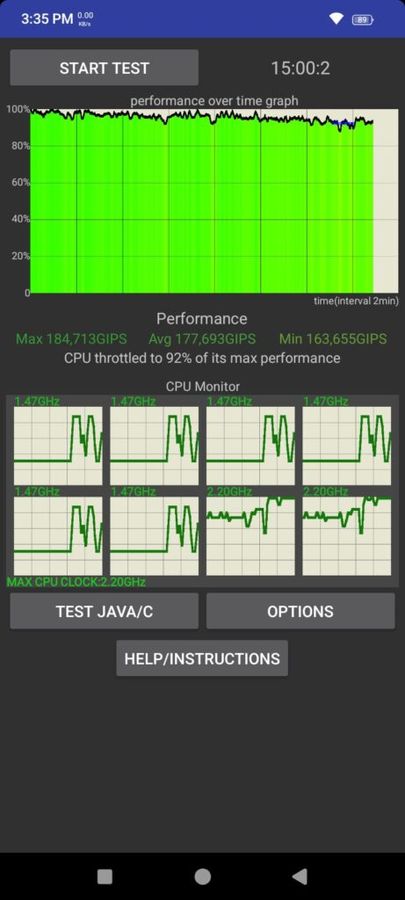
The Mivi One 5G is powered by the Qualcomm Snapdragon 4 Gen 2 processor, paired with 6GB of RAM in my review unit. During my two weeks with the phone, I found its everyday performance consistently smooth.
WhatsApp, Instagram, Chrome and YouTube worked without fuss. Switching between apps also felt responsive, making the phone dependable for regular work and entertainment. For someone who spends most of their day messaging, browsing, watching videos and making calls, the performance is more than adequate.
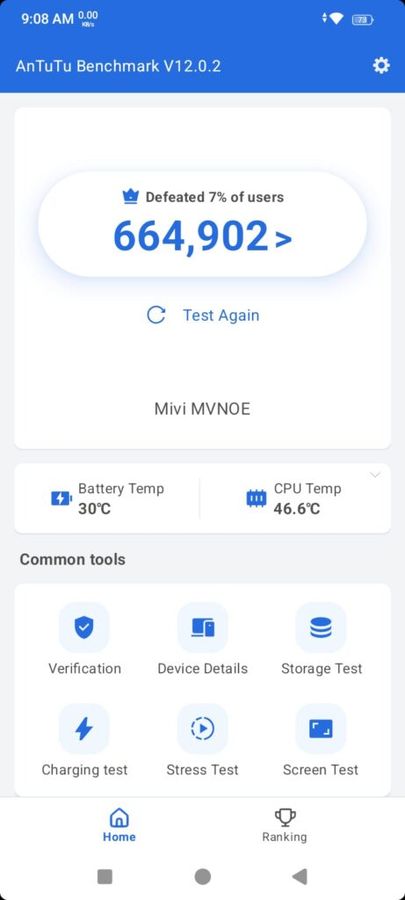
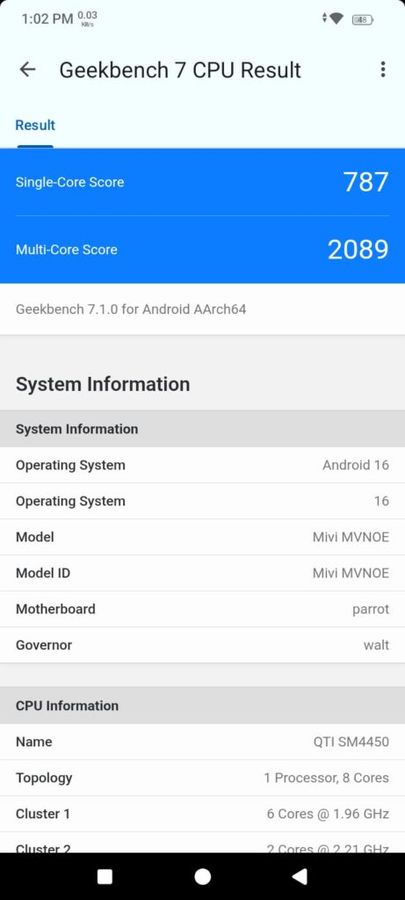
The phone’s benchmark results support this impression. The Mivi One scored 6,64,902 in AnTuTu. In Geekbench 7, it recorded 787 in the single-core test and 2,089 in the multi-core test. These results suggest that the processor is capable of handling everyday workloads comfortably, although benchmark scores alone do not determine how a phone feels in daily use.
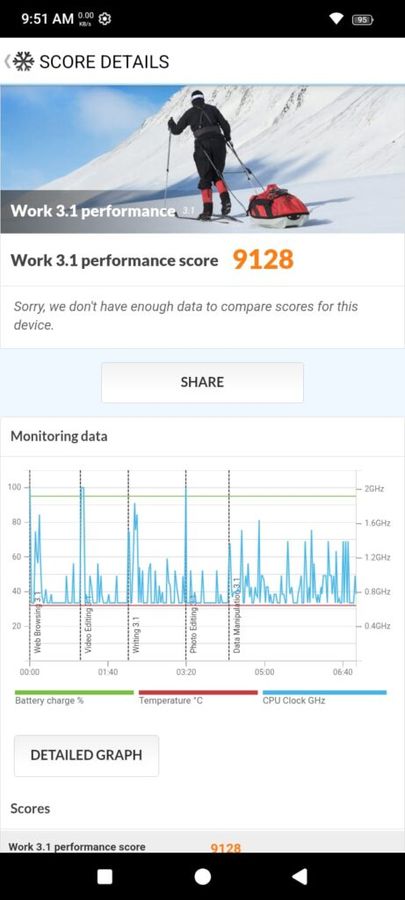
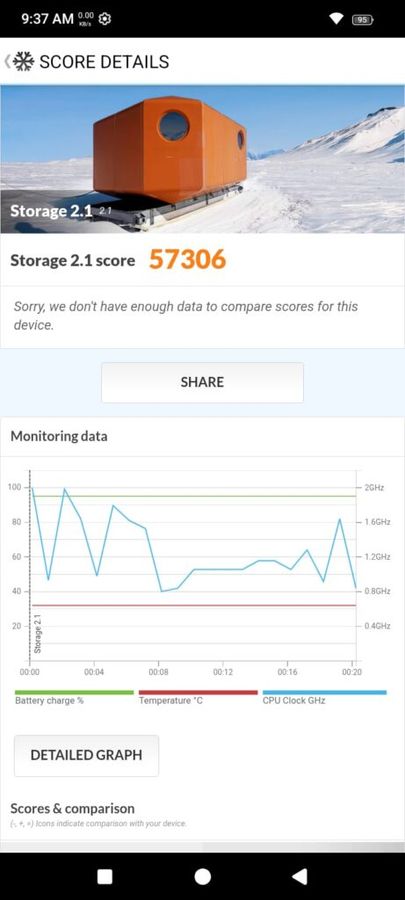
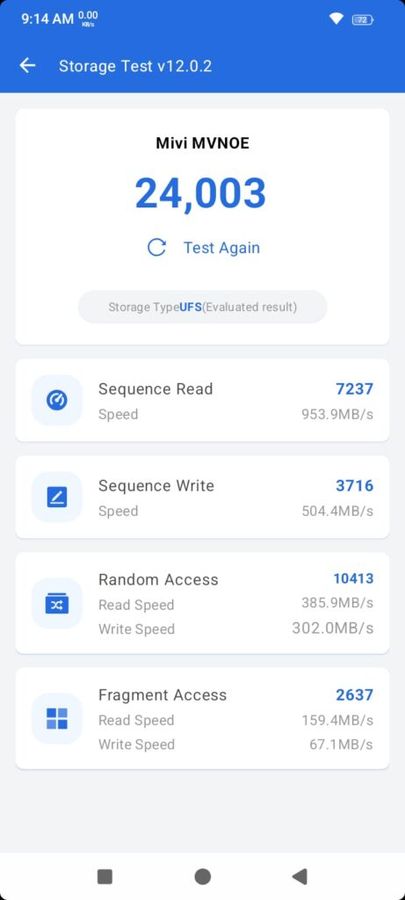
The phone also scored 57,306 in PCMark Storage 2.1. Its storage performance is sufficient for normal app usage, although these numbers should not be treated as a guarantee of performance in every situation.
Out of the box, the Mivi One 5G runs Android 16 with an interface that stays close to stock Android. I did not encounter unwanted apps, advertisements, bugs or software issues during my testing. I appreciate this approach because it lets you use the phone without spending time removing apps you never asked for.
Mivi has promised two major Android updates, up to Android 18. That is encouraging for a first-time smartphone maker, although the company will need to deliver those updates on time to build long-term trust.
Mivi One 5G Gaming: Not built for serious gamers
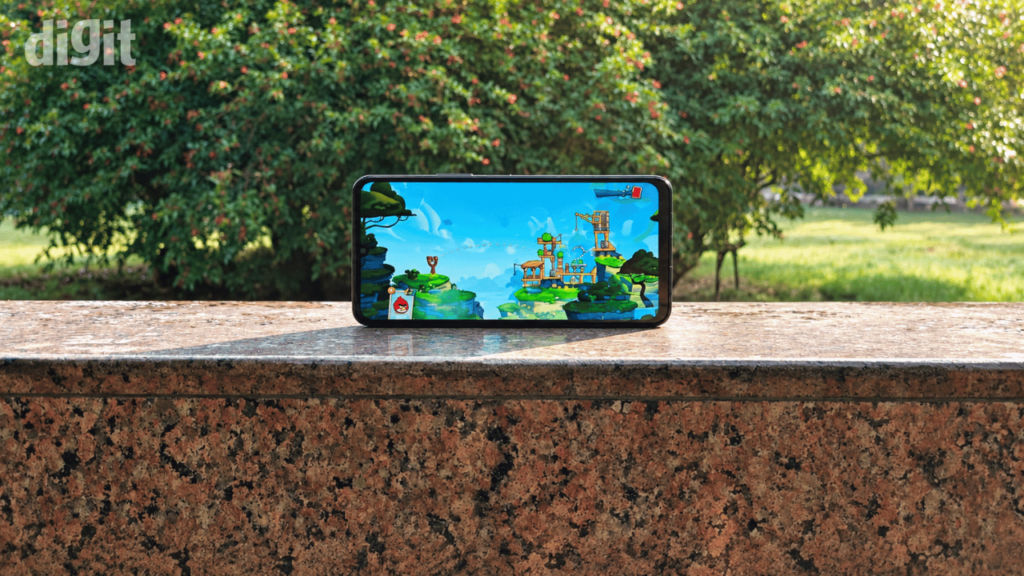
The Snapdragon 4 Gen 2 is suitable for casual gaming, but the Mivi One 5G should not be your first choice if gaming is a priority.
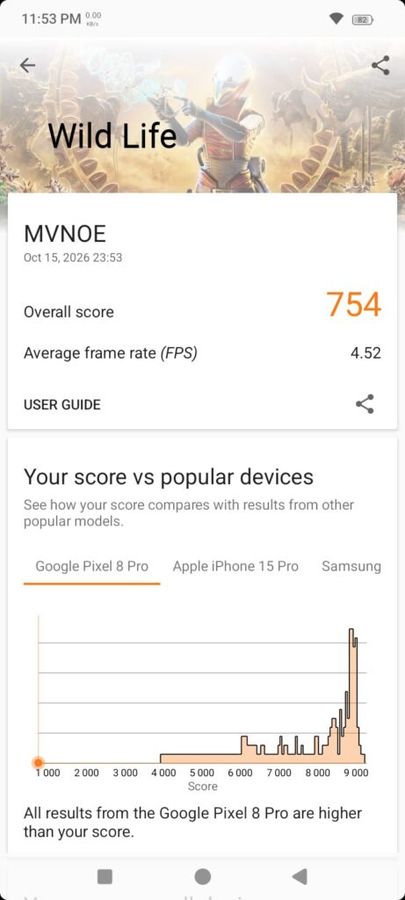
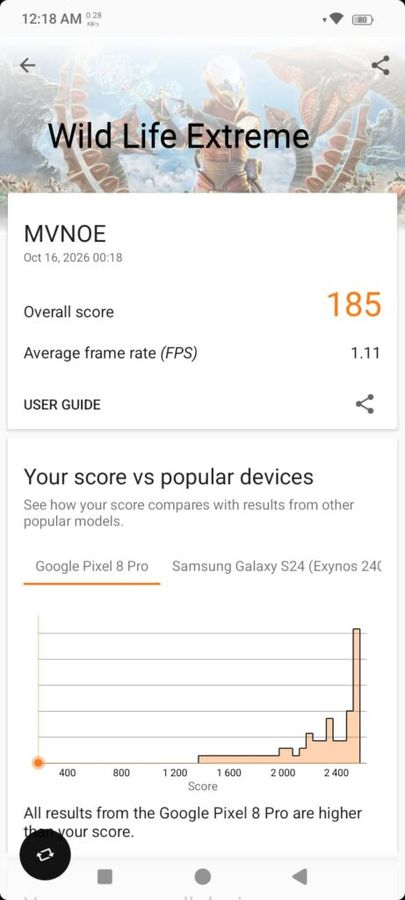
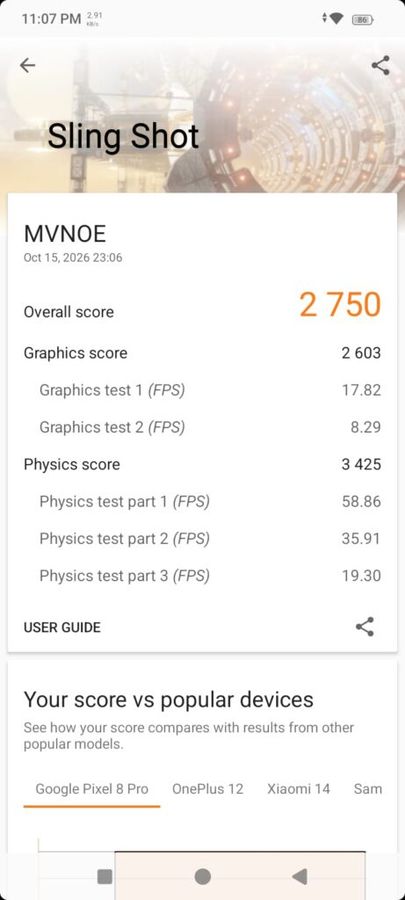
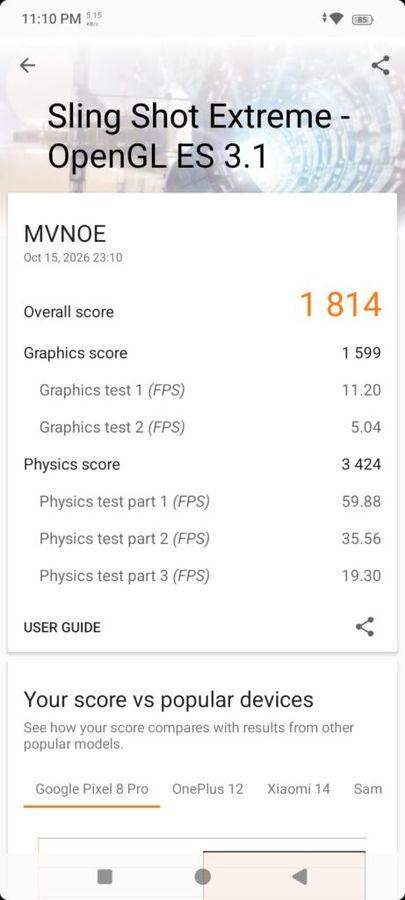
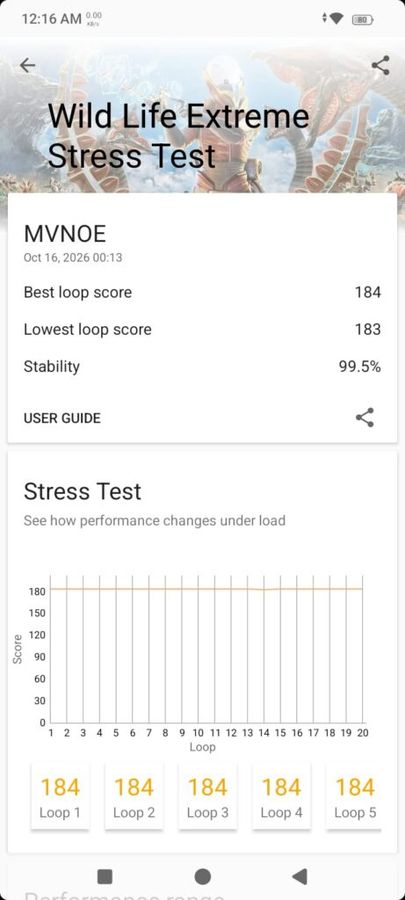
My graphics benchmarks show the limitations of its hardware. The phone scored 2,750 in 3DMark Sling Shot and 1,814 in Sling Shot Extreme. In the 3DMark Wild Life test, it recorded 754, with an average frame rate of 4.52 FPS. The more demanding Wild Life Extreme test returned 185, with an average frame rate of 1.11 FPS.
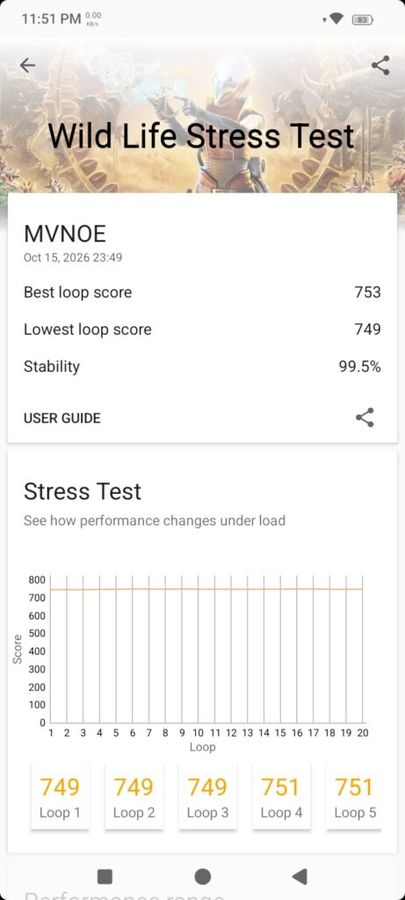
These results show that demanding graphics tests are a challenge for the phone. The good news is that the Wild Life stress test reported 99.5 per cent stability, meaning performance remained consistent across repeated runs of that particular test.
For casual games, the phone should be a reasonable option. However, if you regularly play graphics-heavy games and expect high frame rates, you should consider a more powerful device.
Mivi One 5G Battery: The feature I appreciated most
The makers have packed the Mivi One with a massive 6,000 mAh battery. Under real-life scenarios where I casually used the device for doom scrolling, calling, chatting, listening to music and watching videos, the device comfortably lasted an entire day. However, when I put the device to the PCMark battery test, it lasted around 18 hours and 42 minutes.
While the battery of the device can last an entire day, I feel that the company could have paired it with better charging support. The phone currently supports 18W charging, which takes about two hours to charge the device. When you compare it with the current standards, it particularly does not feel fast.
Mivi One 5G Camera: Decent in daylight, limited when the lights go down
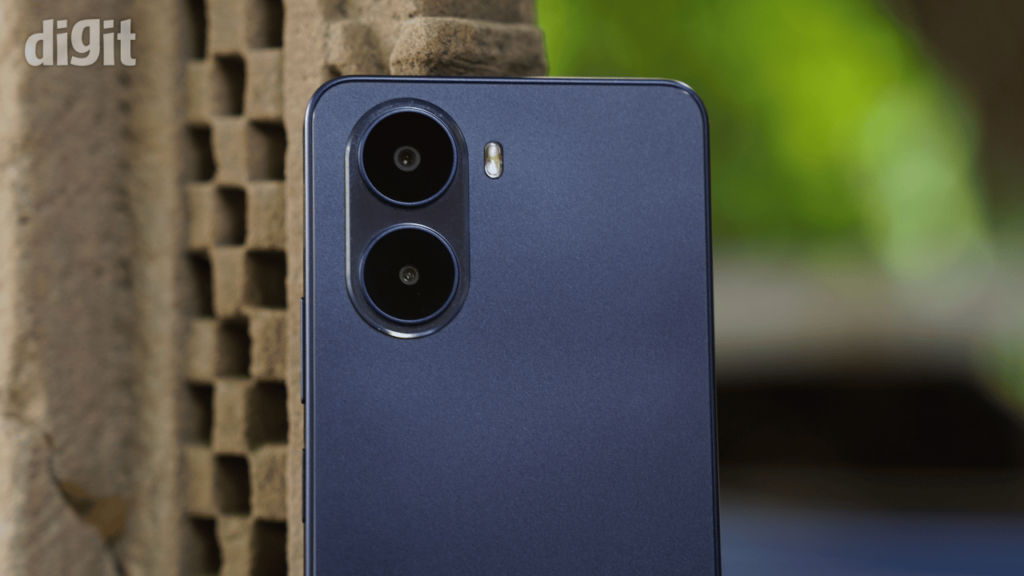
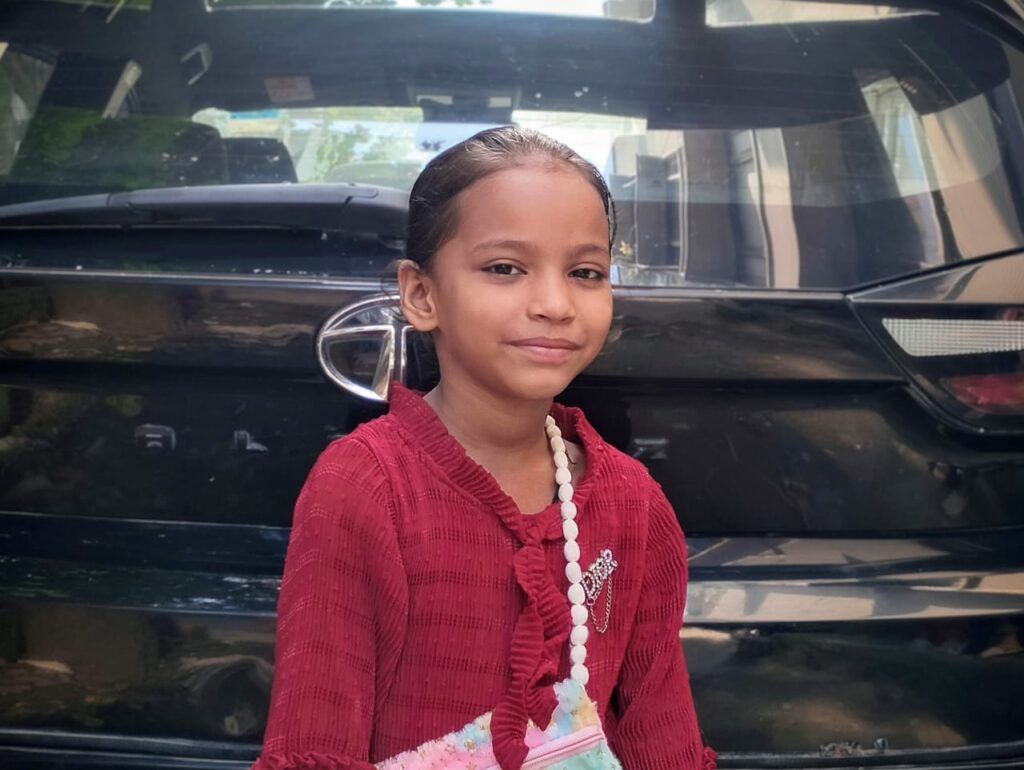
The Mivi One 5G features a 50MP primary rear camera and an 8MP front camera. In daylight, the main camera produces decent results for its price. Colours are saturated, which makes photos look lively, although the output may not always appeal to those who prefer more natural colours.
Portrait photos are also reasonably good. Edge detection does its job well enough to separate the subject from the background in suitable conditions.




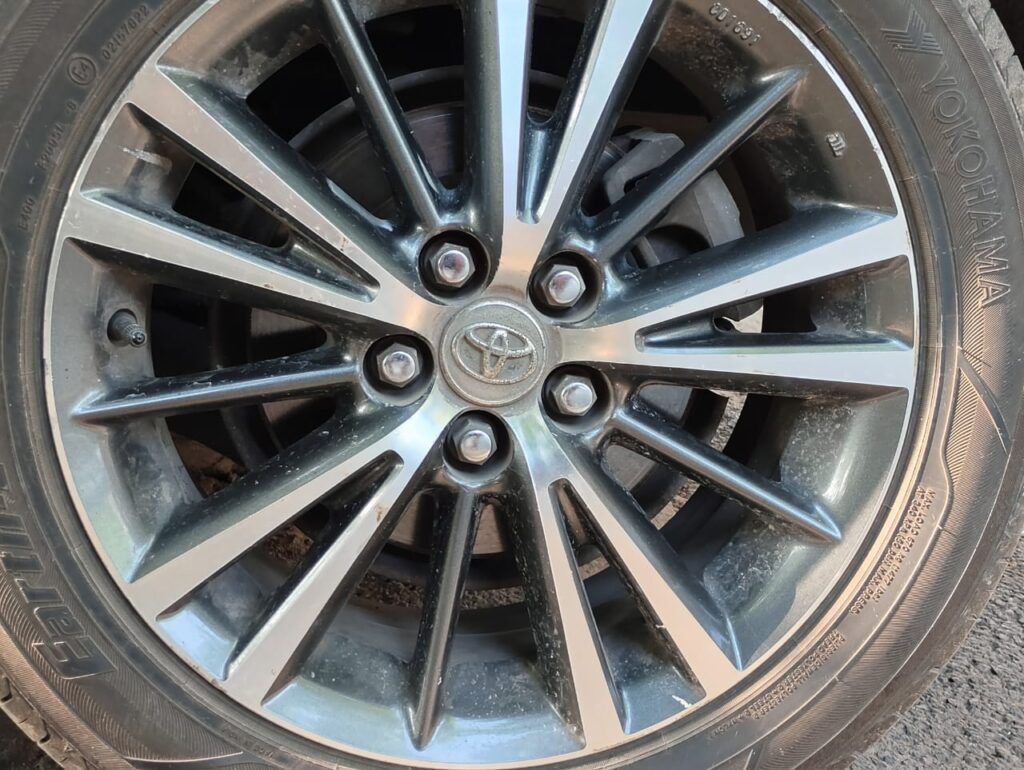

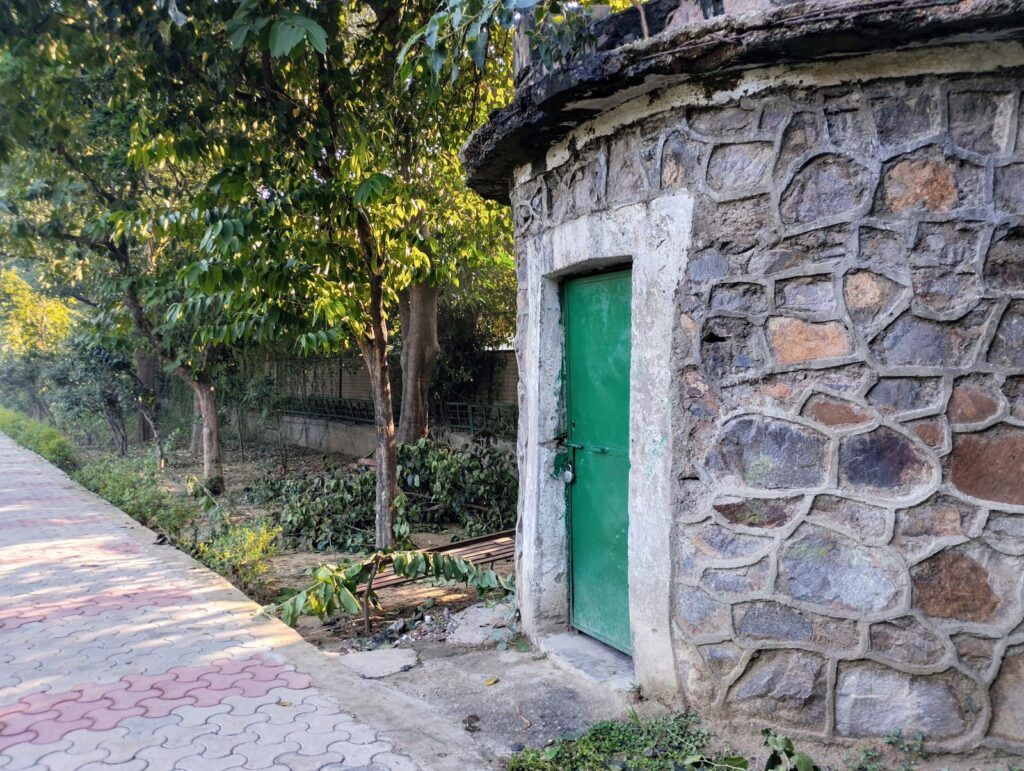
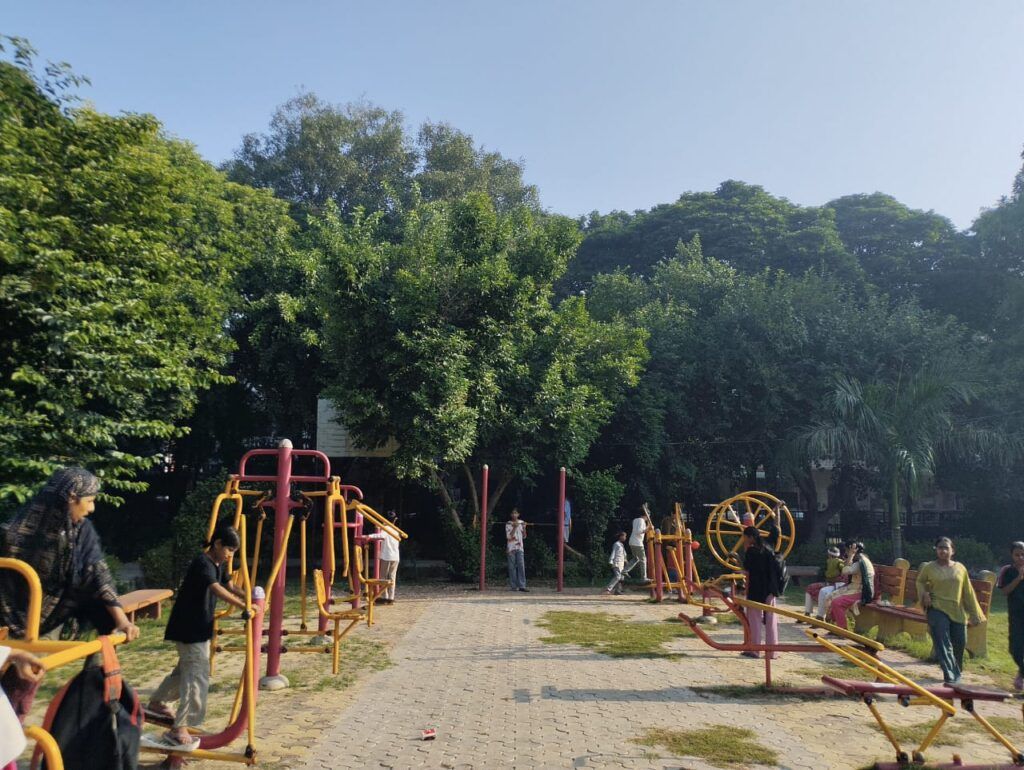


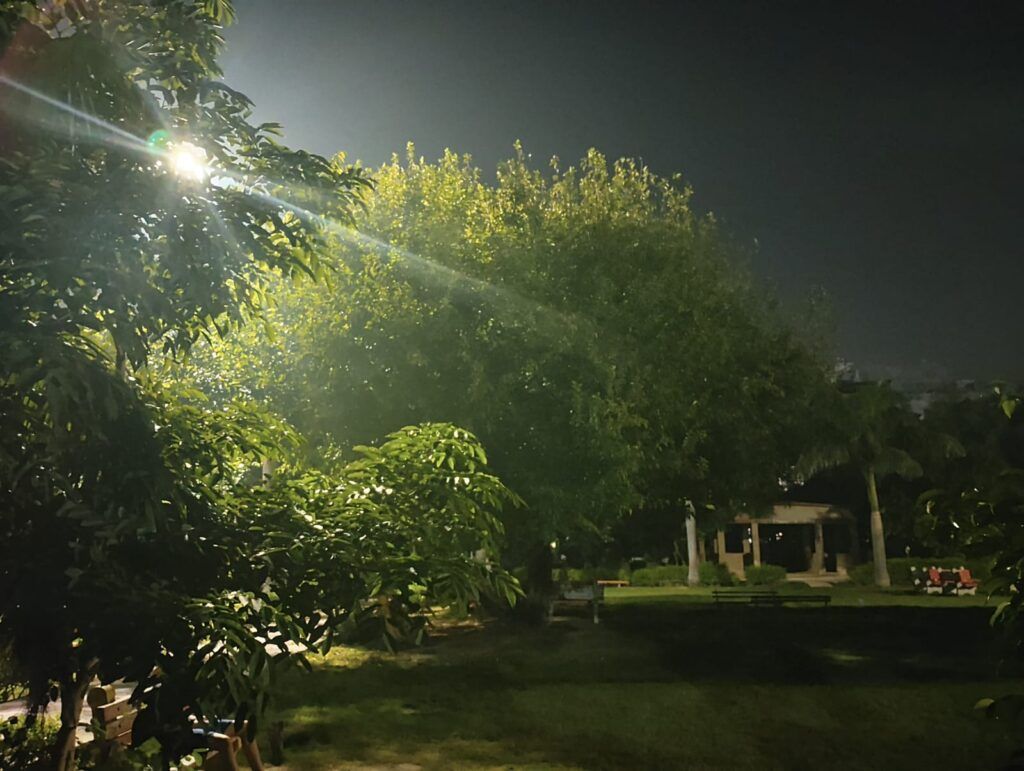
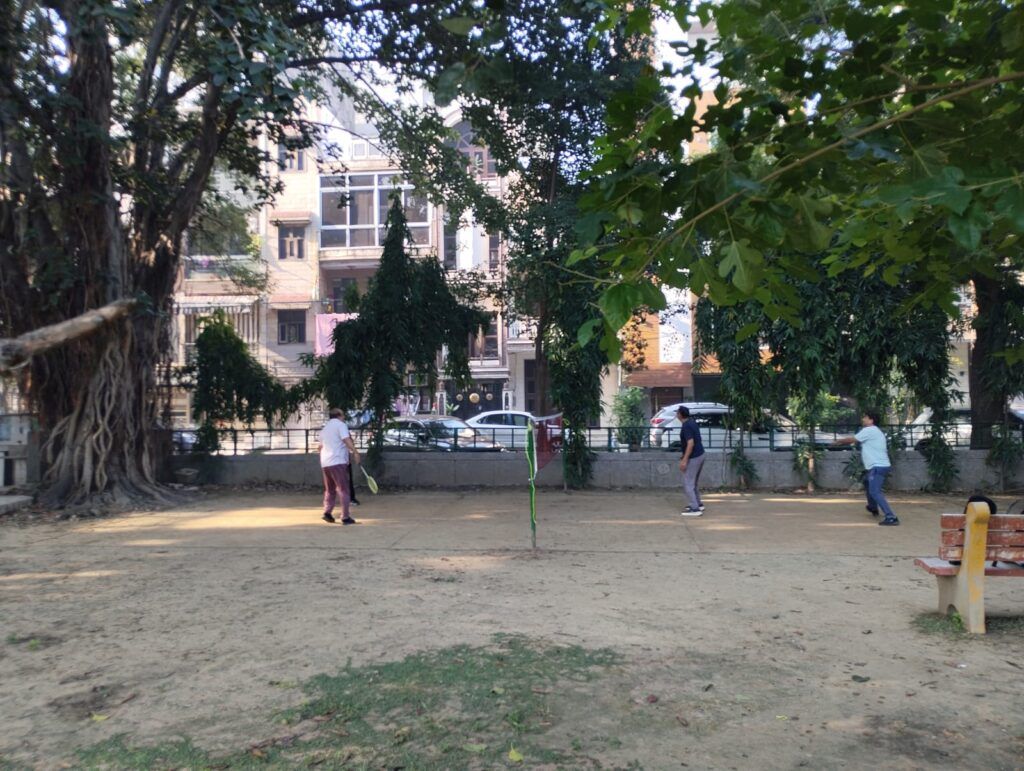
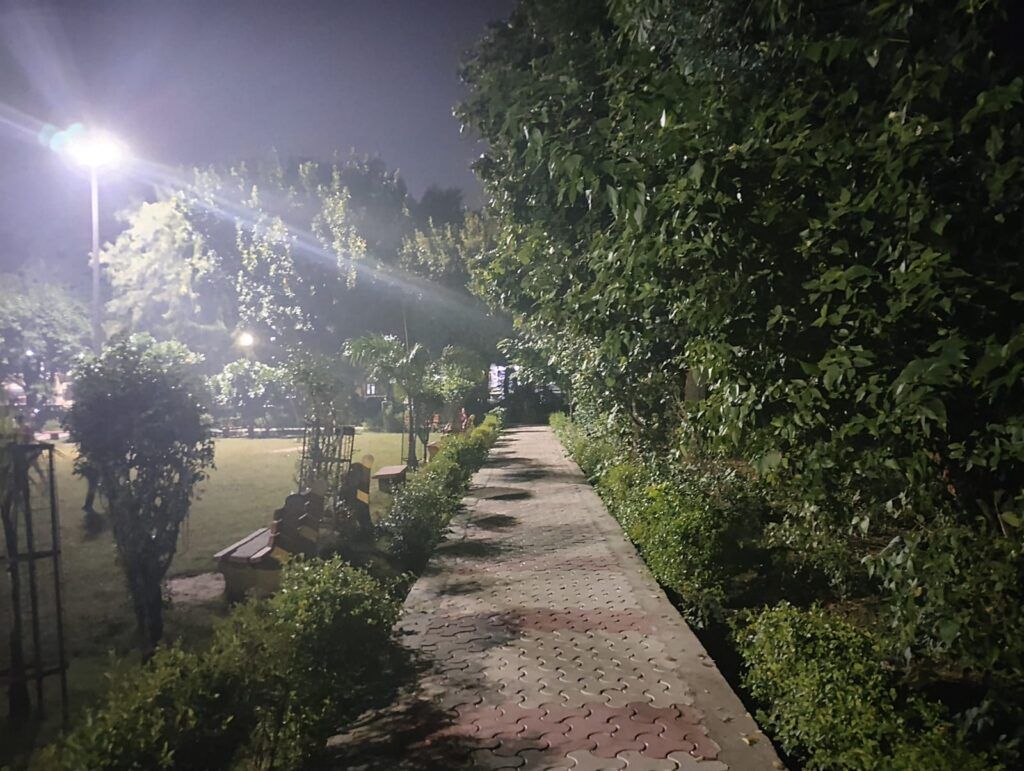
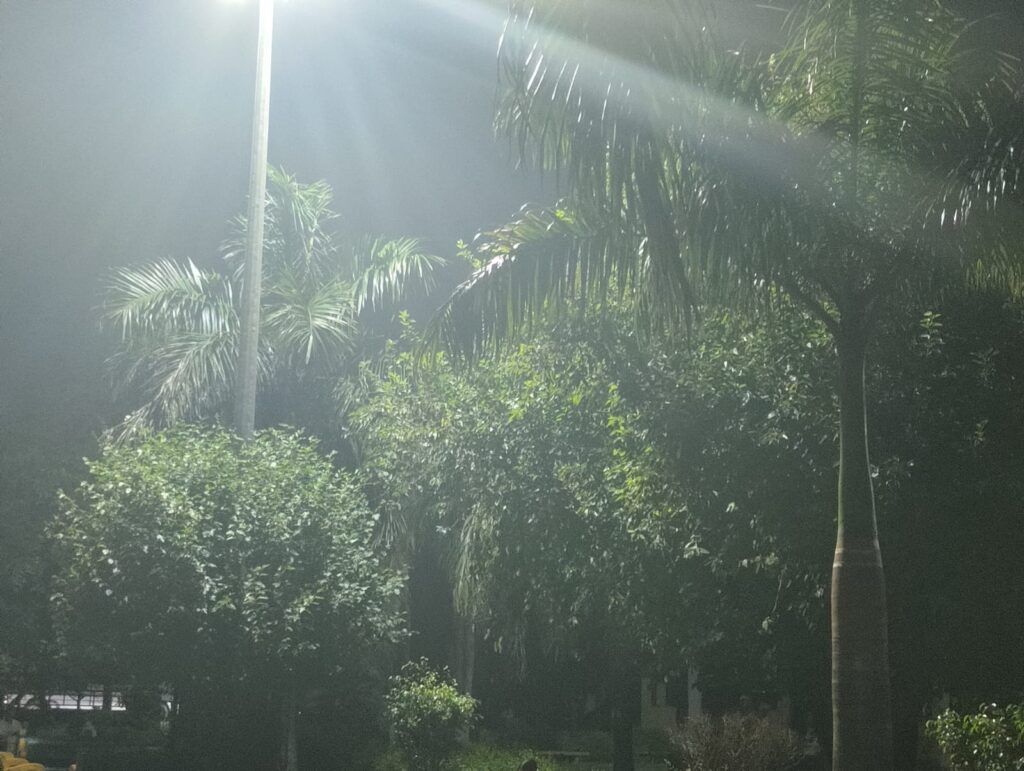



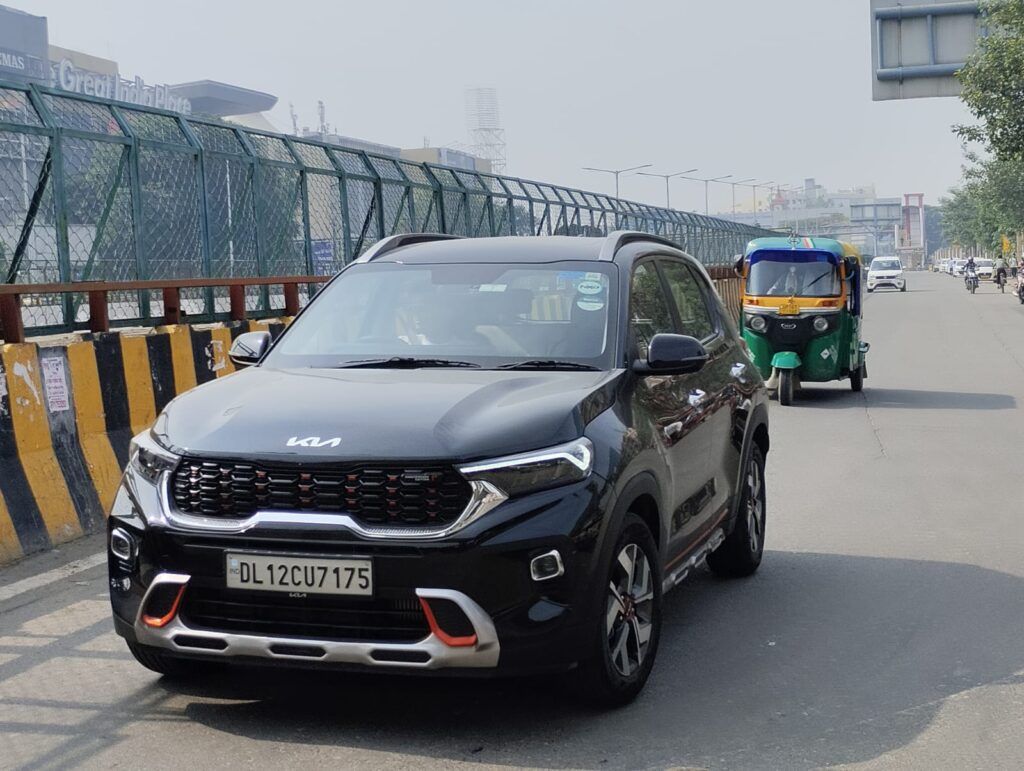

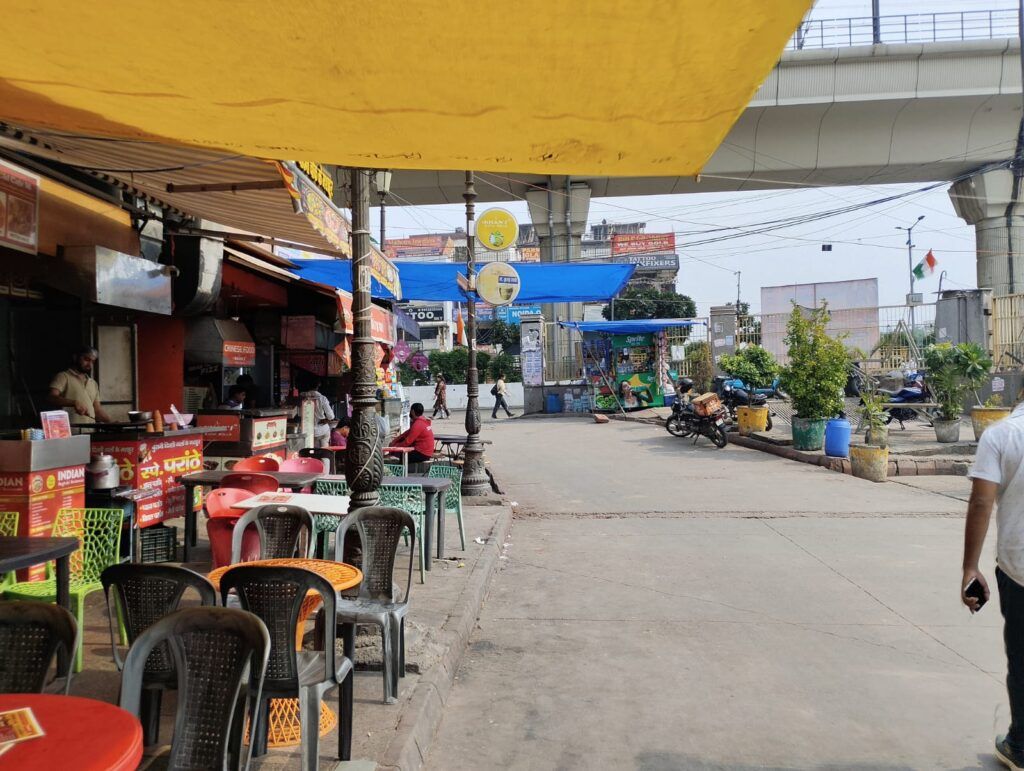
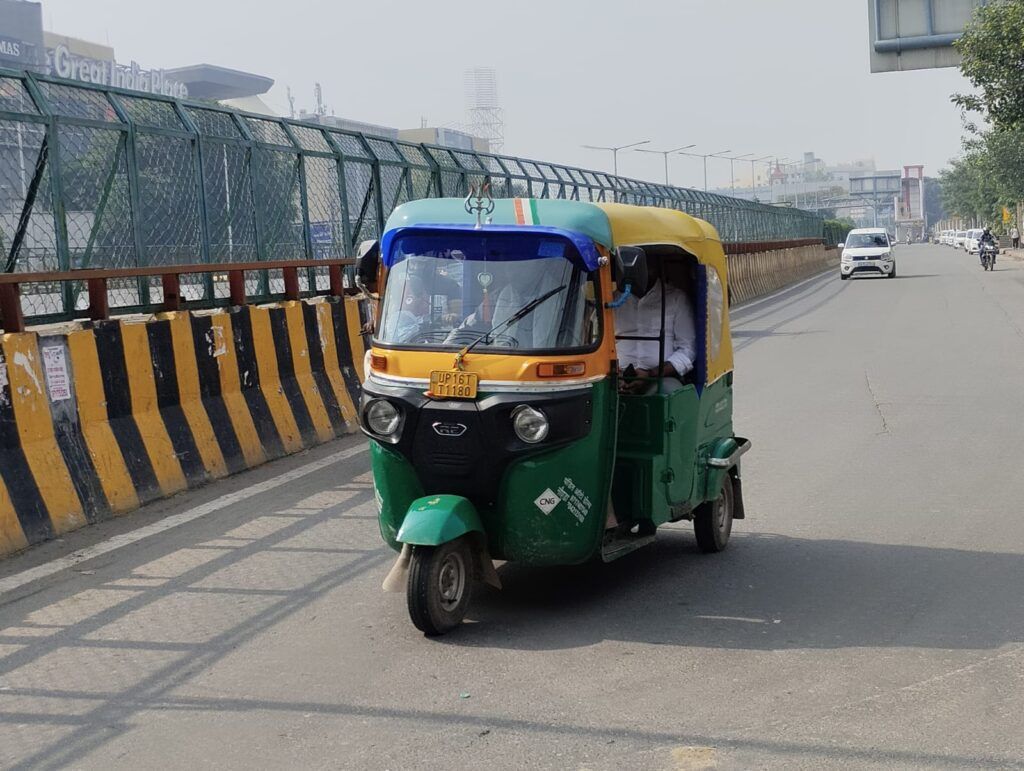
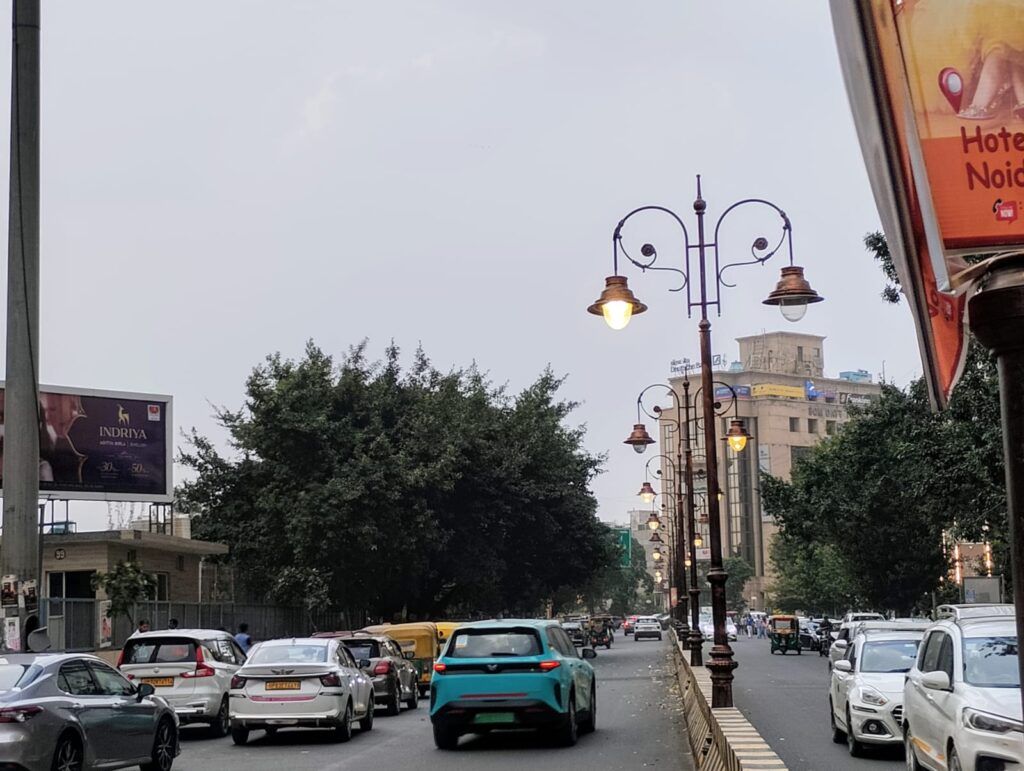
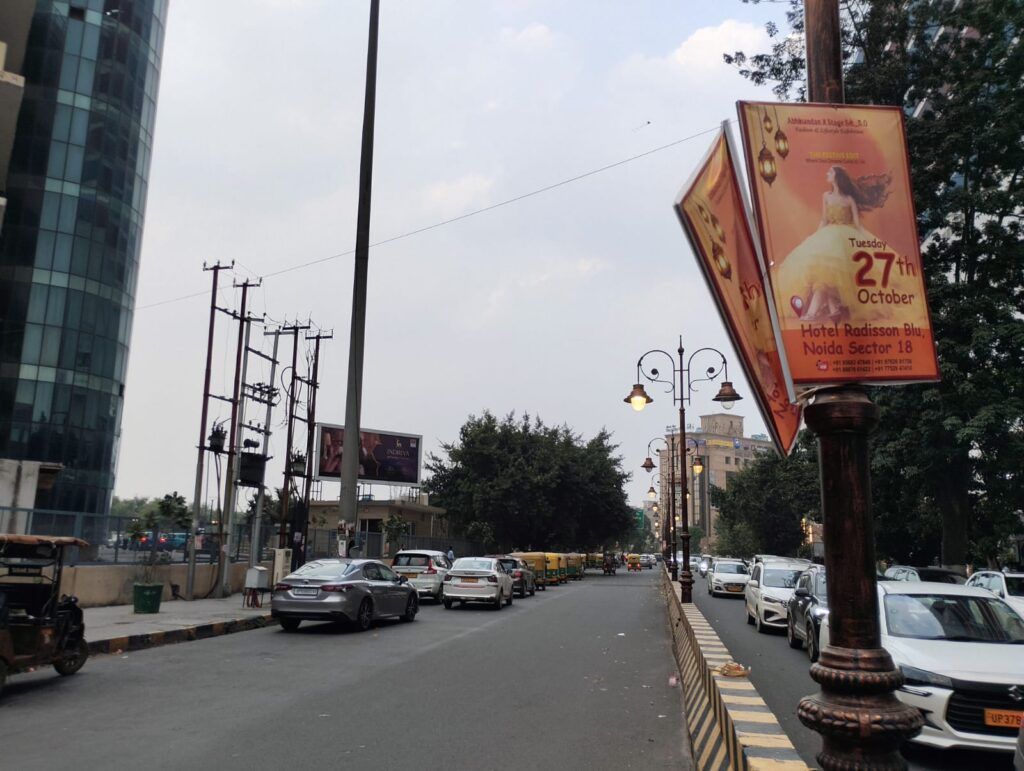





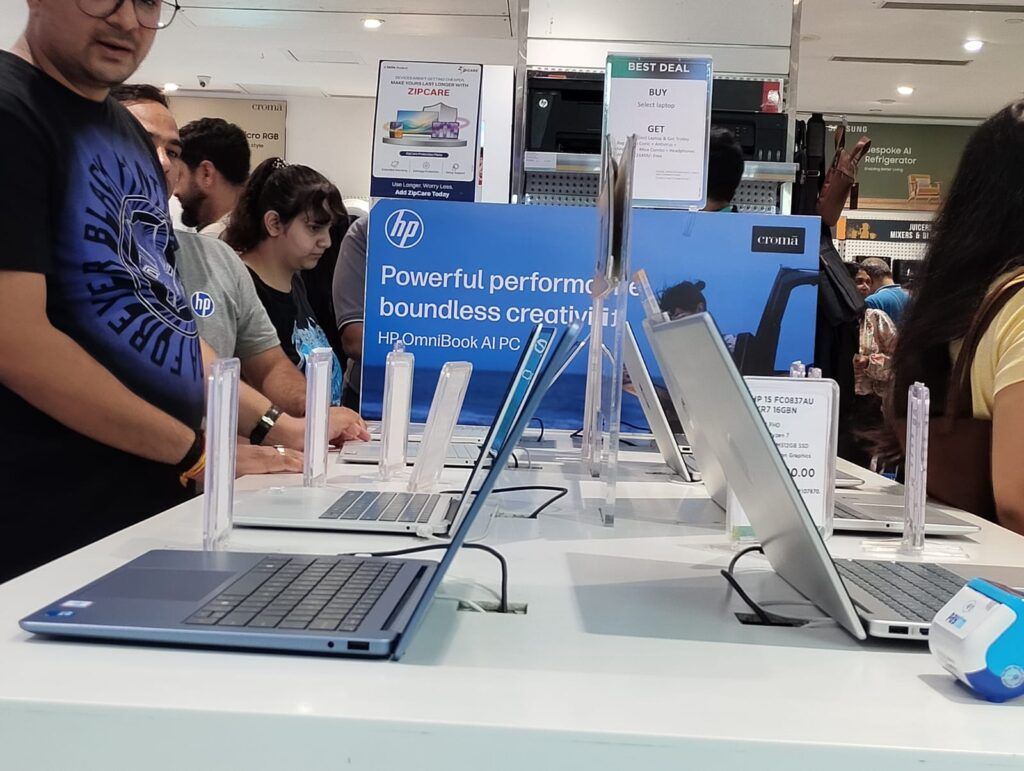
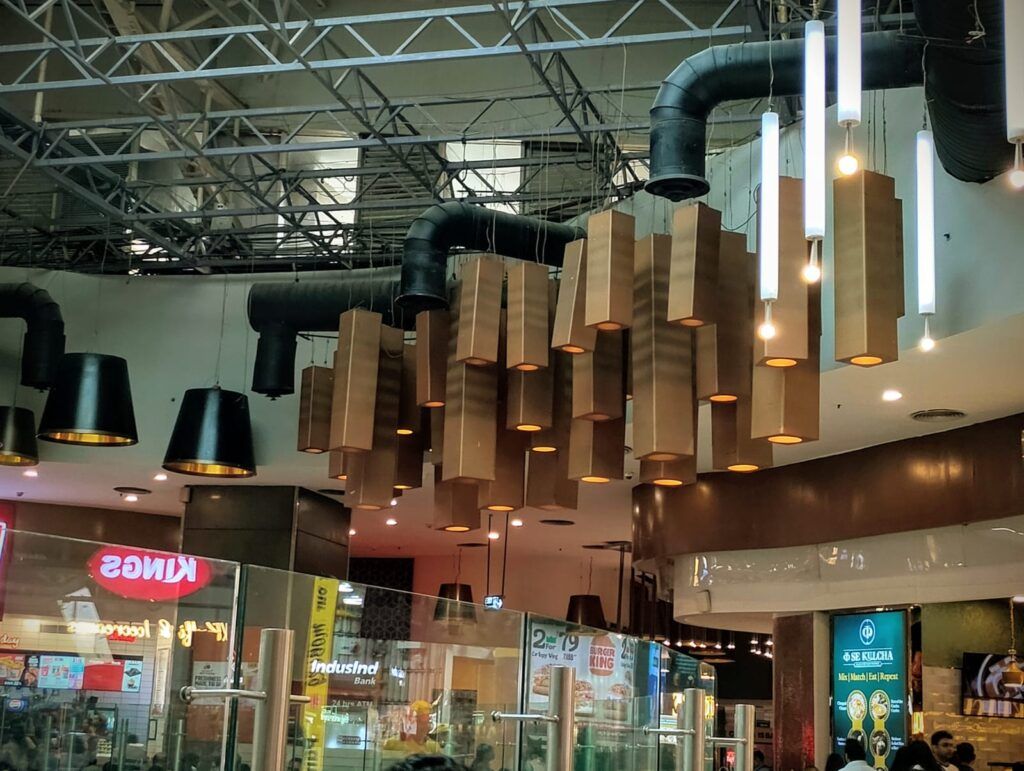
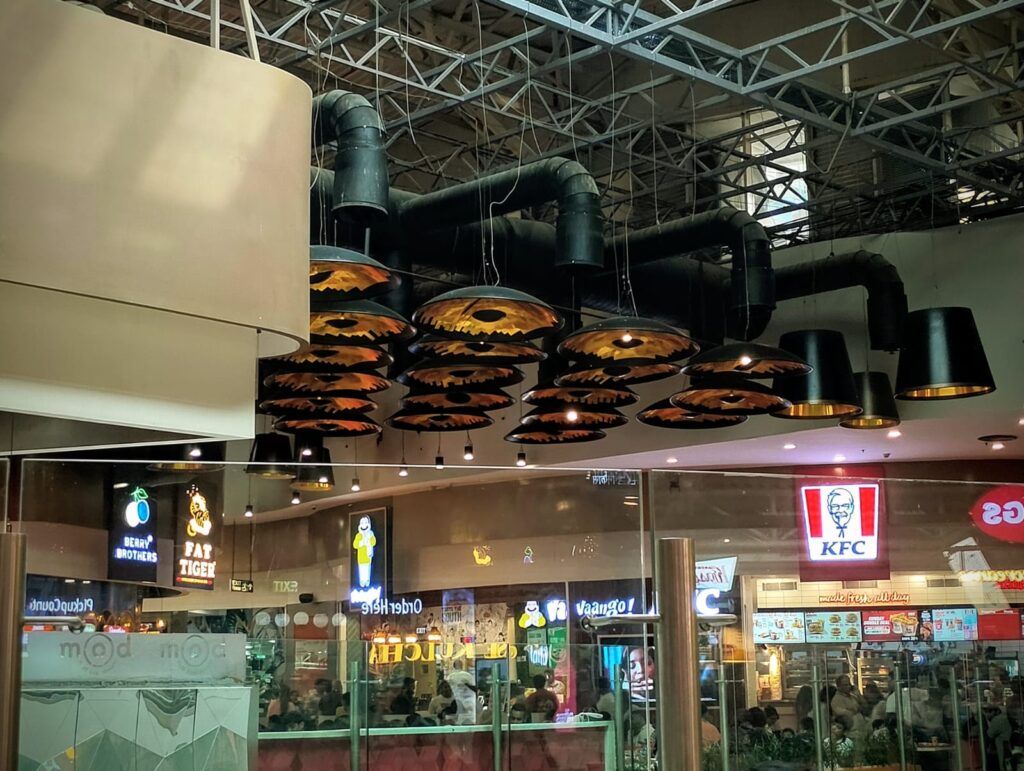
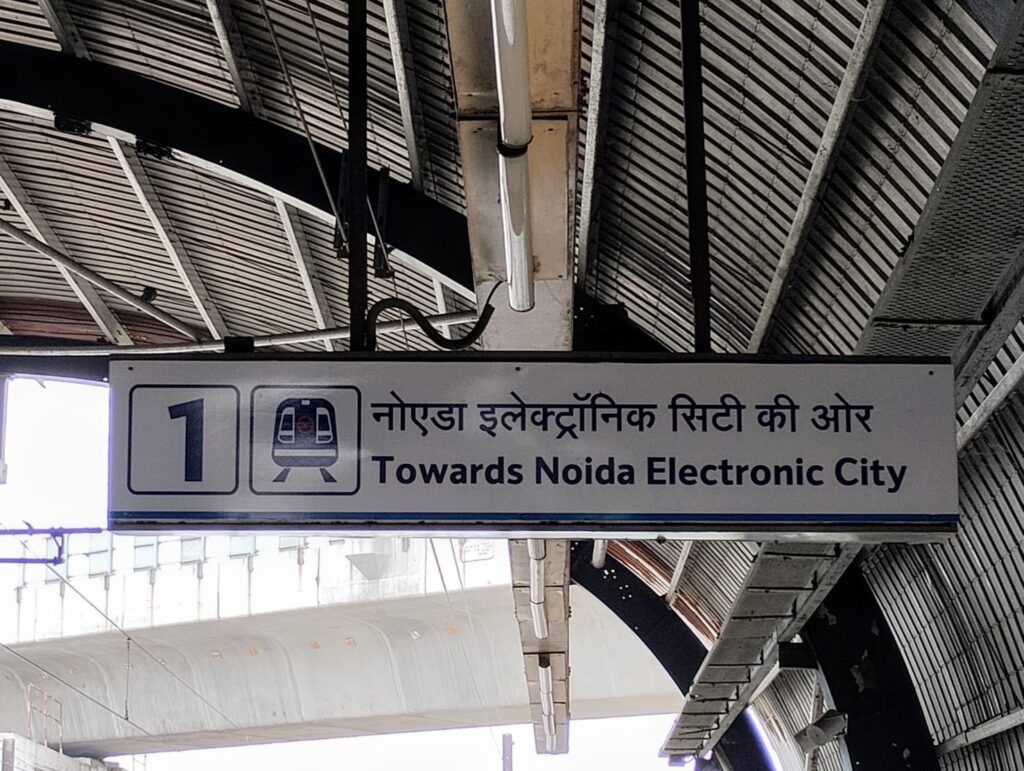
Low-light photography is where the camera struggles. Images lose quality as the light drops, so I would not recommend this phone if night photography is particularly important to you. The front camera was the most disappointing aspect of the device, as selfies often look unnatural, which can be frustrating if you frequently take selfies or make video calls.
Video recording is another area that could have been better. While the rear camera performs adequately for basic use, the lack of stabilisation is noticeable, resulting in shaky footage when moving. This makes the phone less suitable for recording videos while walking.
Mivi One 5G Verdict: Who this device is for?
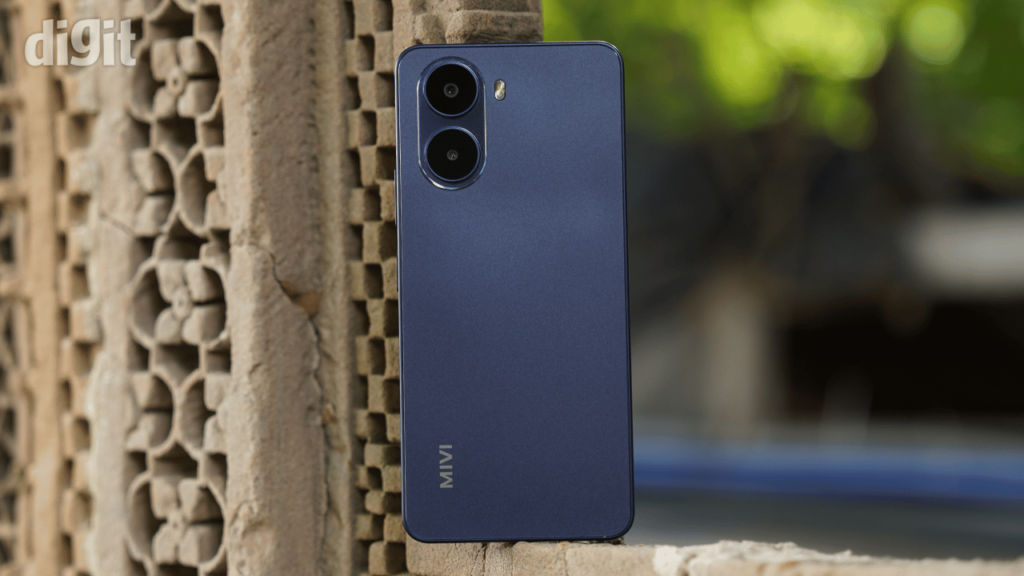
Considering the price point and the fact that this was Mivi’s first attempt at the smartphones, the Mivi One 5G feels like a solid start. It does the basics well. Everyday apps run smoothly, the 6,000 mAh battery easily gets you through a full day, and the software is clean, with no bloatware getting in the way. The design is comfortable to hold, and the headphone jack is a nice touch that many phones have dropped.
It isn’t perfect, though, as the HD+ LCD display is nothing special, the speaker isn’t stereo, low-light photos are average, and there’s no video stabilisation. At Rs 14,999, rivals offer better screens or more flexible cameras. In my opinion the smartphone is a good option if you’re looking for a reliable, no-fuss phone with great battery life. But, if you care about an OLED screen, strong night shots or gaming, then it’s better to look elsewhere.


