
iQOO Z11 Lite Review: Battery champion on a budget
 Follow Us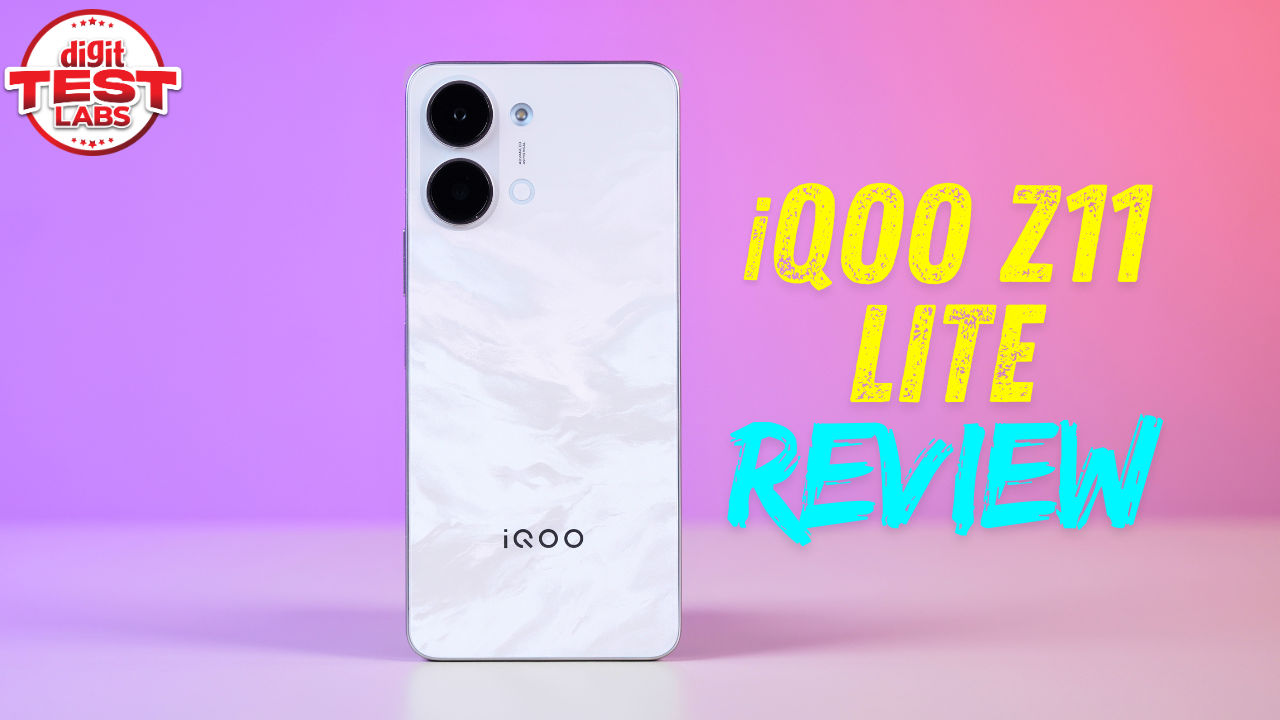

iQOO’s Z Lite series has always been about hitting an affordable price point first and worrying about specs later. So, what really happened with the pricing this year? If you recall, the Z10 Lite launched around this same time last year for under Rs 10,000. The iQOO Z11 Lite, on the other hand, doubles that, and comes at a starting price of Rs 19,499 for the base 4GB RAM + 128GB storage variant. This is a significant increase of about Rs 9,500 from its predecessor. Of course, if you haven’t guessed by now, the reason behind the insane price hike is the global chip shortage situation. Because the cost of components has increased exponentially, so have phone prices.
Looking at the bright side, compared to the older-gen model, the iQOO Z11 Lite brings a slightly faster processor, a bigger 6,500mAh battery with faster 44W charging, and Android 16. However, everything else, including the design, display, and cameras, remains largely unchanged. So before getting into how the iQOO Z11 Lite actually performs, the bigger question is: despite the ongoing situation, does the new model justify the significant price jump? Well, here’s my take on it in this detailed review.
iQOO Z11 Lite: Design and build
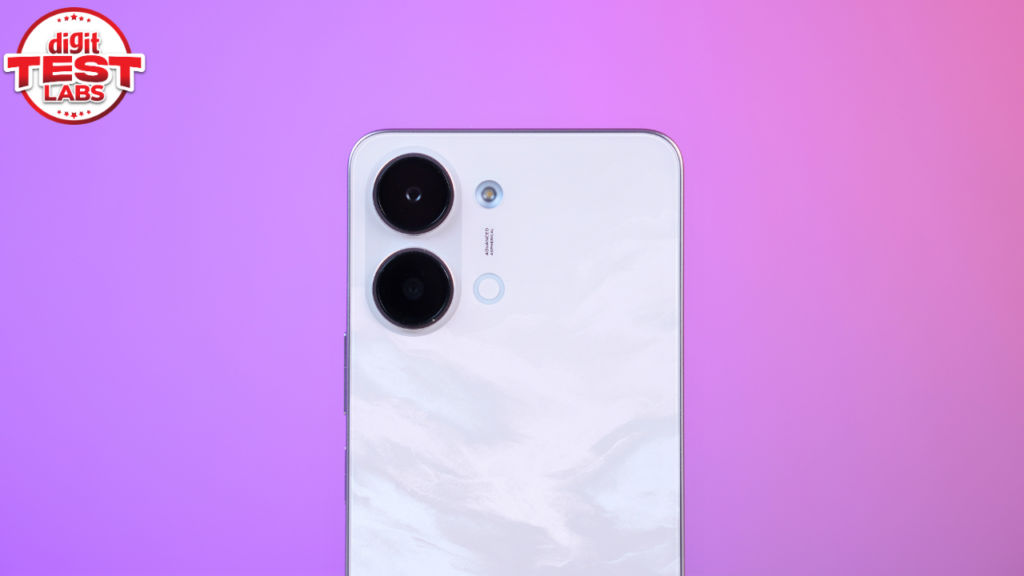
Design is really the only place iQOO has made a genuine change here, and it comes down to colour. The Z11 Lite ditches the T5 Lite’s wave-pattern back for two new options instead: a moodier Midnight Blue, and a brighter Solar Flame for anyone who wants their phone to stand out.
iQOO sent us the Solar Flame colourway, which looks good and forms a distinctive pattern when the light hits it. Everything else about the build carries over almost identically. You still get a plastic back over a metal frame, and at 209 g and 8.39mm thick, the Z11 Lite weighs exactly the same as the T5 Lite. The side-mounted fingerprint scanner is back too, and it works fast and reliably. This budget device comes with an IP65 rating for dust and water resistance, so it will be safe to use during the monsoon.
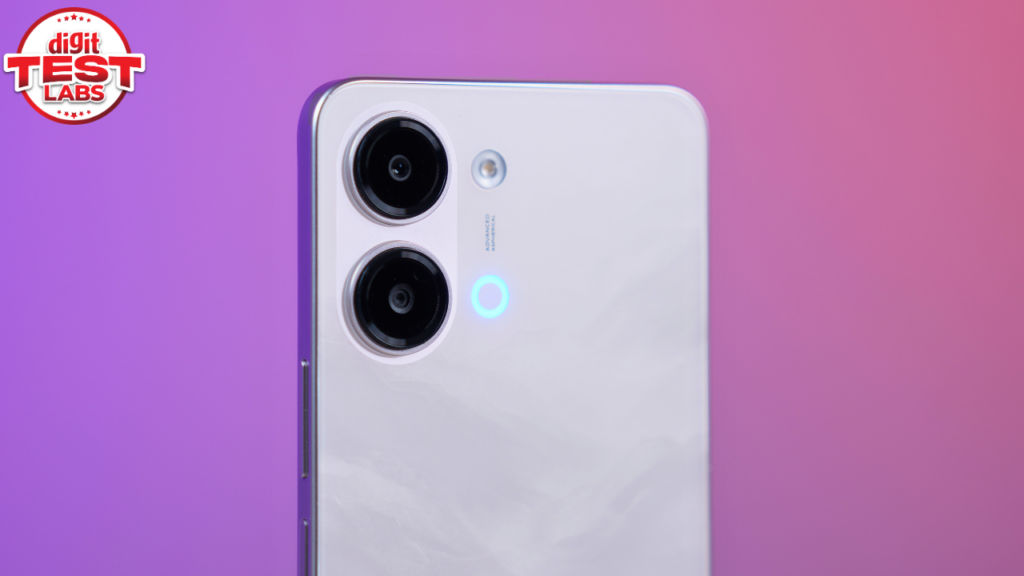
In the iQOO Z11 Lite as well, you get a single top-firing speaker and headphone jack, which is good and helpful for gamers who use 3.5mm headphones and charge the phone at the same time. If you liked how the T5 Lite felt in hand, you will feel right at home here, just with a different colour looking back at you. But for me, using the iQOO Z11 Lite with one hand was not possible, and to reach the top corners I have to adjust my grip every single time.
iQOO Z11 Lite: Display
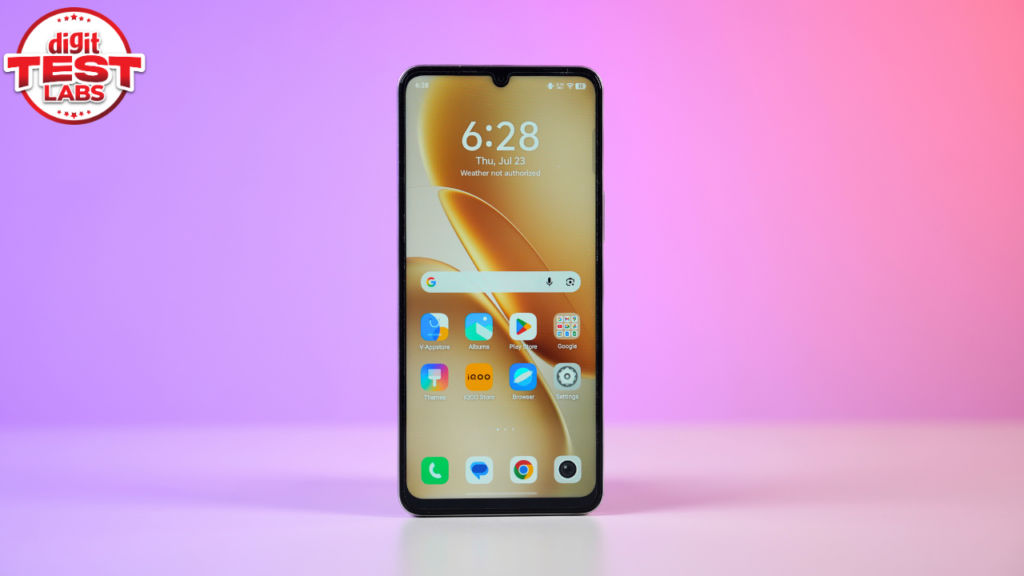
On paper, the display is identical to the T5 Lite: a 6.74-inch HD+ LCD panel with a 120Hz refresh rate and a water-drop notch that, frankly, still feels a generation behind in 2026. iQOO rates the panel at up to 1200 nits of peak brightness in HBM mode. However, we tested its display in our Digit Test Labs, and it got a peak brightness of 1040 nits. So sometimes in harsh sunlight you have to squint your eyes to use the display.
During my testing, I watched Squid Game Season 3 on Netflix along with a few scenes from Primal Fear. The panel doesn’t deliver OLED-like blacks or that punch; I honestly found it decent for casual binge-watching. Colours look reasonably natural, skin tones don’t appear over-saturated, and the 120Hz refresh rate makes scrolling through Netflix, Instagram and YouTube feel smoother. Viewing angles are okayish, although the display does lose some contrast when you watch from a tilted angle.
Interestingly, in our testing at Digit Test Labs, the T5 Lite returned a slightly different result. The Z11 Lite’s Calman test gave an average delta E of 3.26, noticeably better than the T5 Lite’s 4.22, and closer to what we would consider colour accurate, though colour gamut coverage came in at 94.43 per cent, which is slightly behind the T5 Lite’s score.
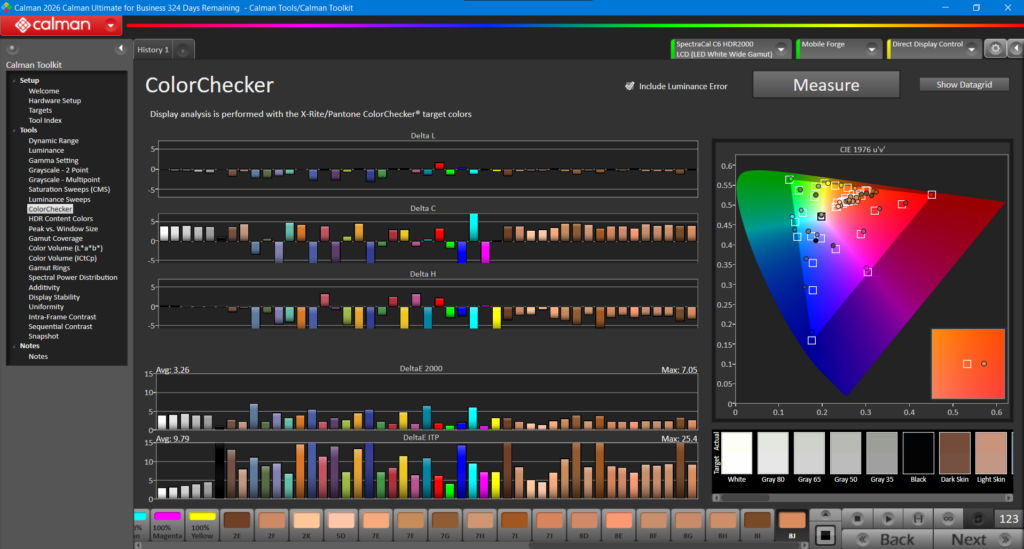
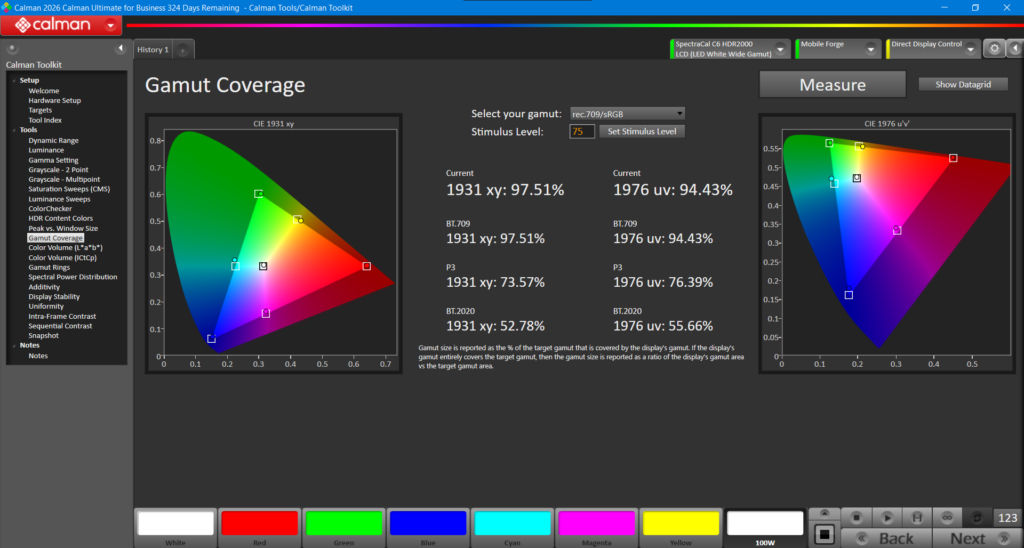
Small unit-to-unit or calibration differences like this are not unusual on phones that share the same panel, and in day-to-day use, the viewing experience is close enough to the T5 Lite that we would not expect most people to tell the difference.
iQOO Z11 Lite: Performance
Under the hood, it’s the same MediaTek Dimensity 6300 5G chipset as the T5 Lite, an eight-core, 6nm chip clocked at up to 2.4GHz. iQOO offers the Z11 Lite across three memory configurations: 4GB plus 128GB, 6GB plus 128GB, and 6GB plus 256GB, with storage expandable up to 2TB via microSD if you need more room.
The review unit I tested handled everyday usage comfortably. Opening multiple apps, switching between Chrome, WhatsApp, Instagram, Spotify and YouTube rarely caused major slowdowns. That said, this isn’t the fastest phone in its segment.
There were occasional animation hiccups while quickly switching between heavier applications, and I noticed brief stutters while loading image-heavy social media feeds. Nothing that made the phone frustrating to use, but enough to remind you that this is an entry-level chipset. Gaming performance is exactly what I expected.
BGMI runs comfortably at around 60fps with occasional frame drops during intense fights or hot drops. Casual games like Subway Surfers, Clash Royale, and Temple Run ran smoothly without any noticeable issues.
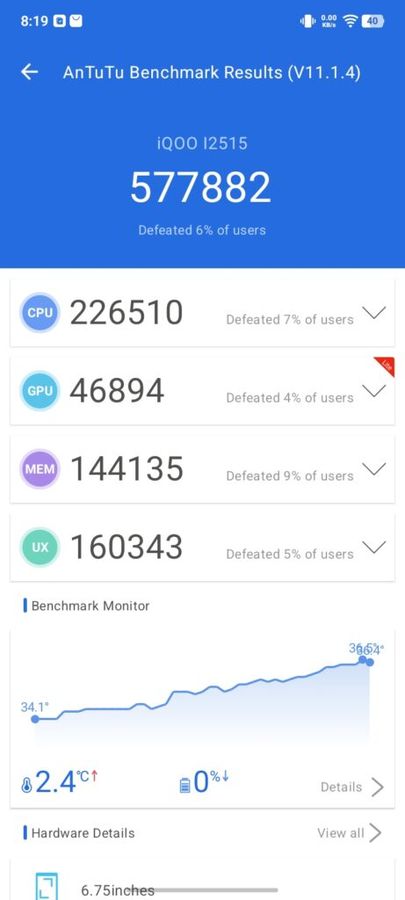
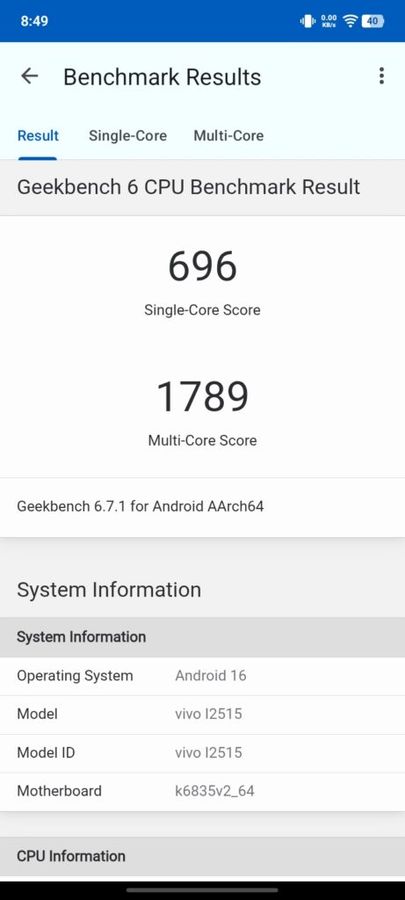
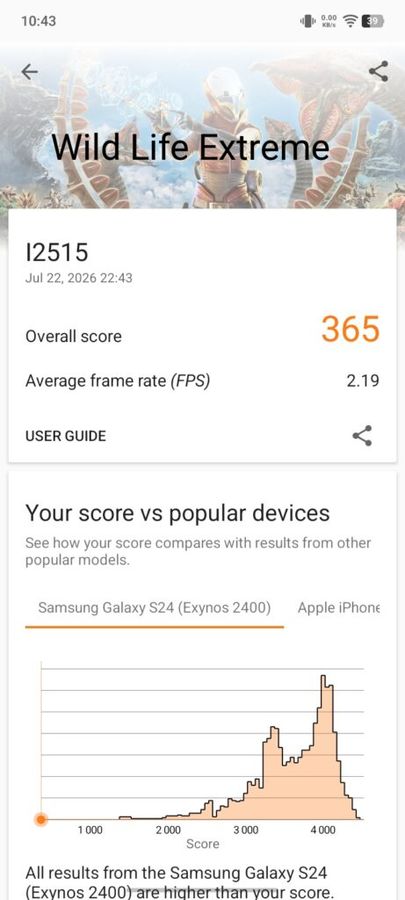
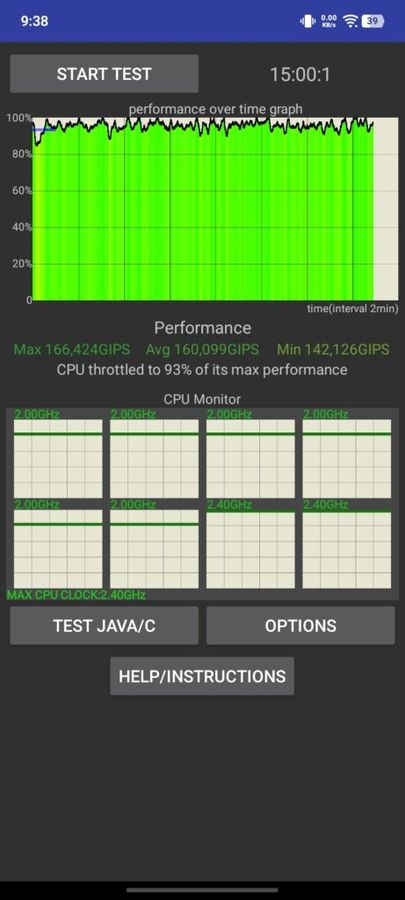
Here are the benchmark numbers from our testing:
AnTuTu: 577,882
Geekbench Single-Core: 696
Geekbench Multi-Core: 1,789
3DMark Wild Life Extreme: 365
CPU Throttling Test: Maintained 93% of its peak performance
The throttling result is actually great. Even after extended stress testing, performance remained relatively stable without severe drops.
iQOO Z11 Lite Camera
iQOO Z11 Lite comes with a 50MP primary sensor along with a 0.08MP depth sensor, while the selfies are handled by the 5MP front camera.
In daylight photos, the photos that came out of it were nice. Colours stay fairly on the natural side instead of looking artificially boosted. However, the skin tones are generally on the brighter side. The dynamic range is decent, I would say, for the price. But at the same time, there are not enough details in the pictures, plus it softens the images at the same time as well.
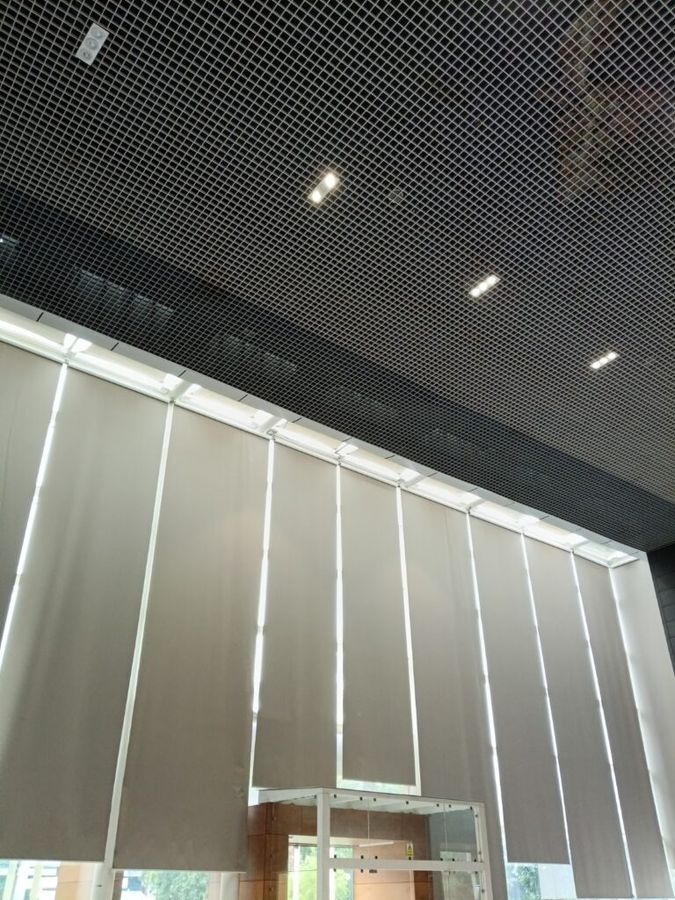
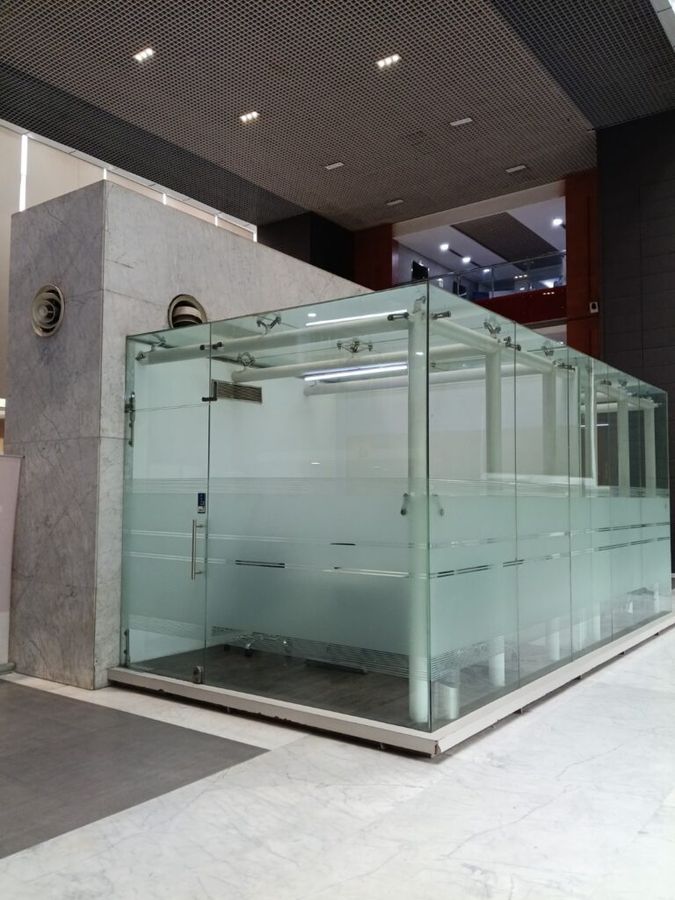
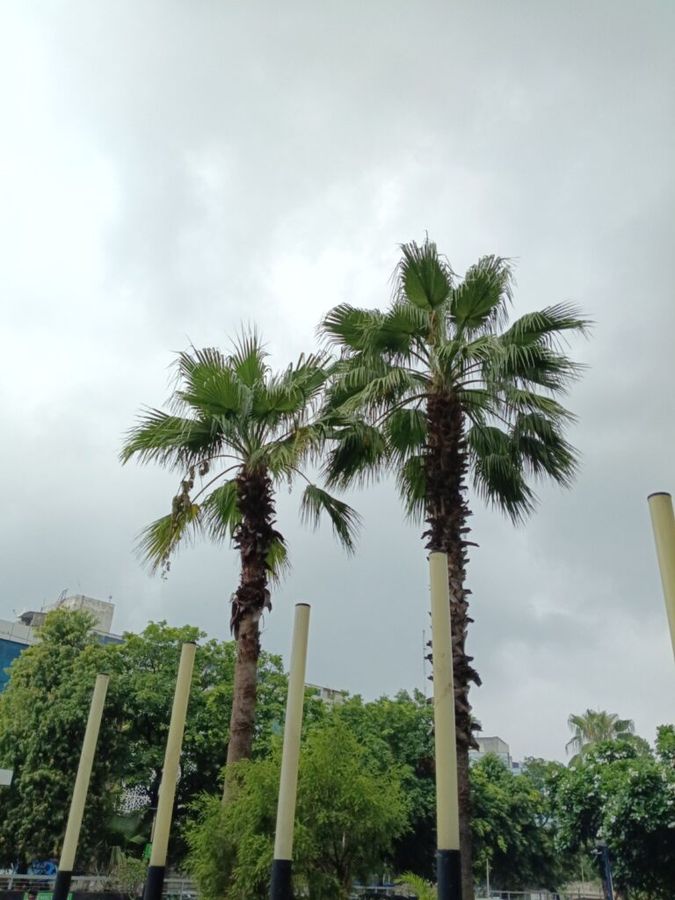


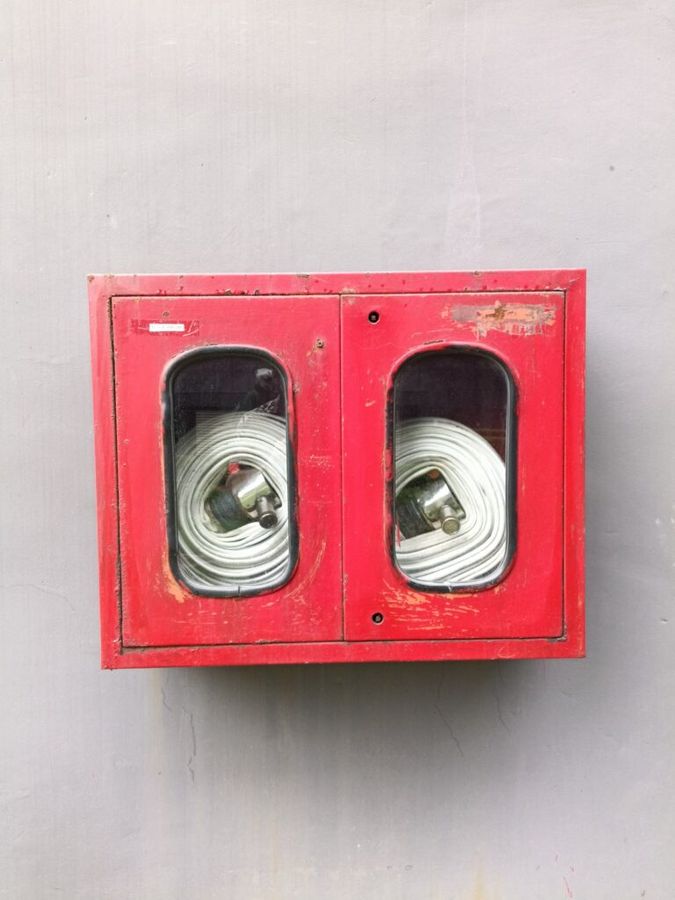
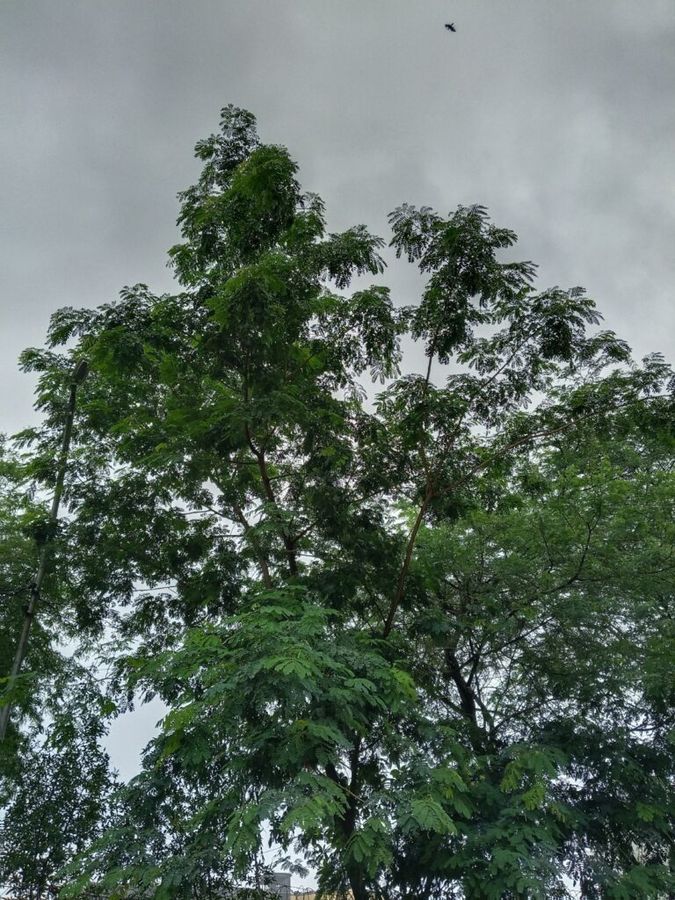
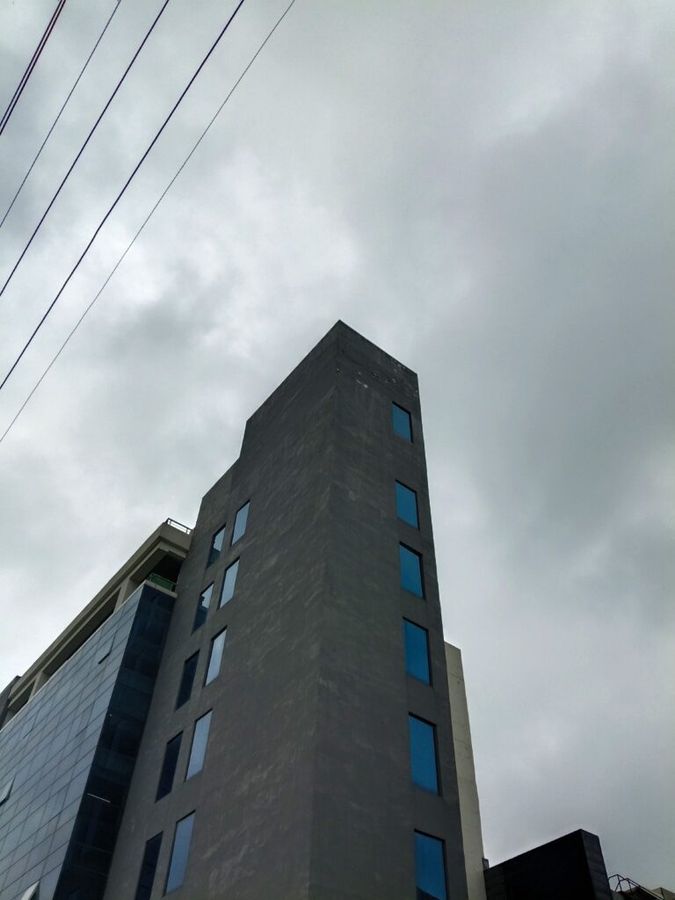
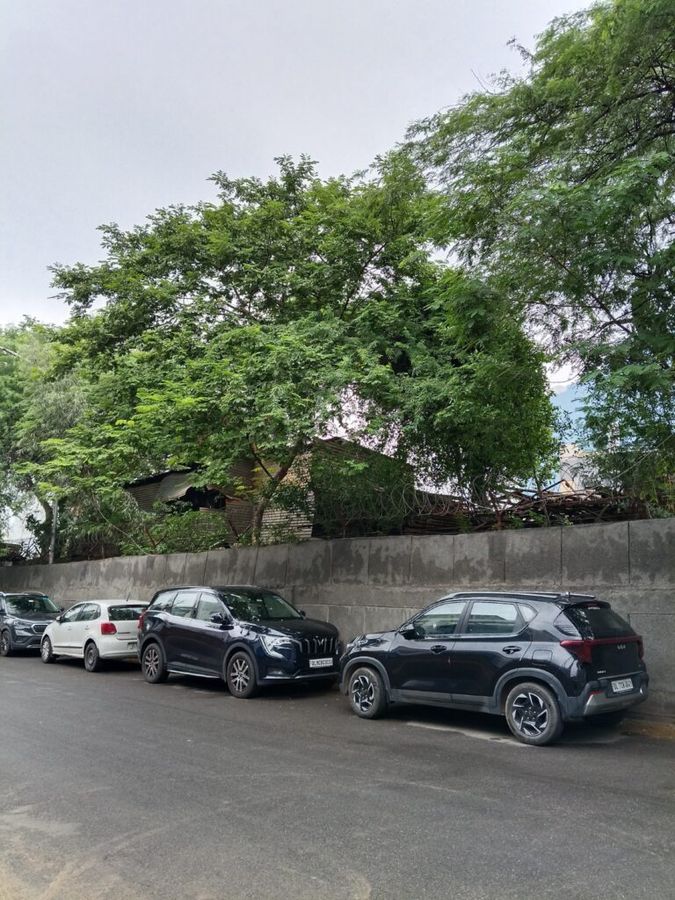
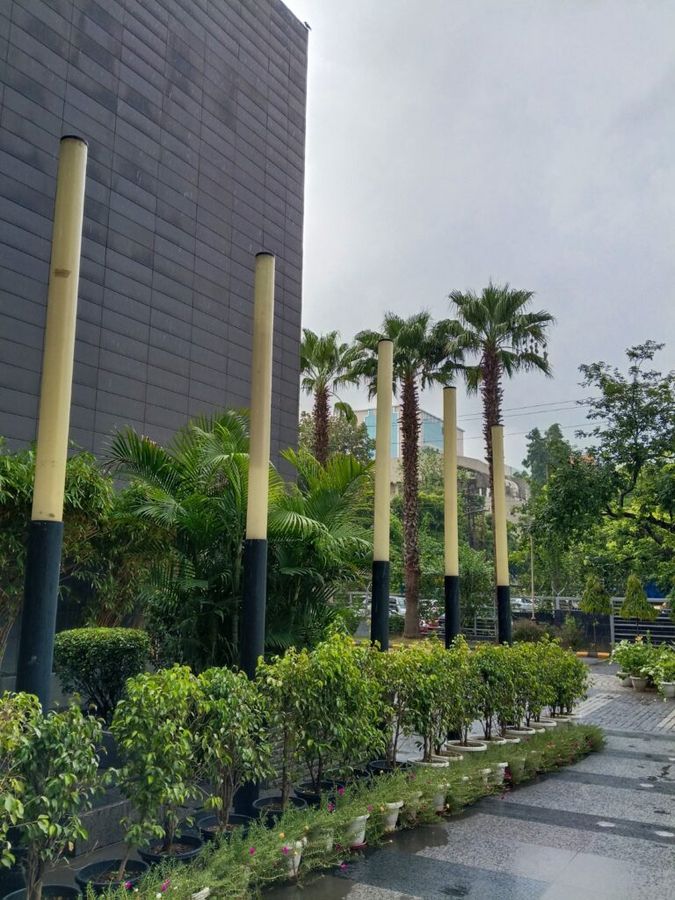


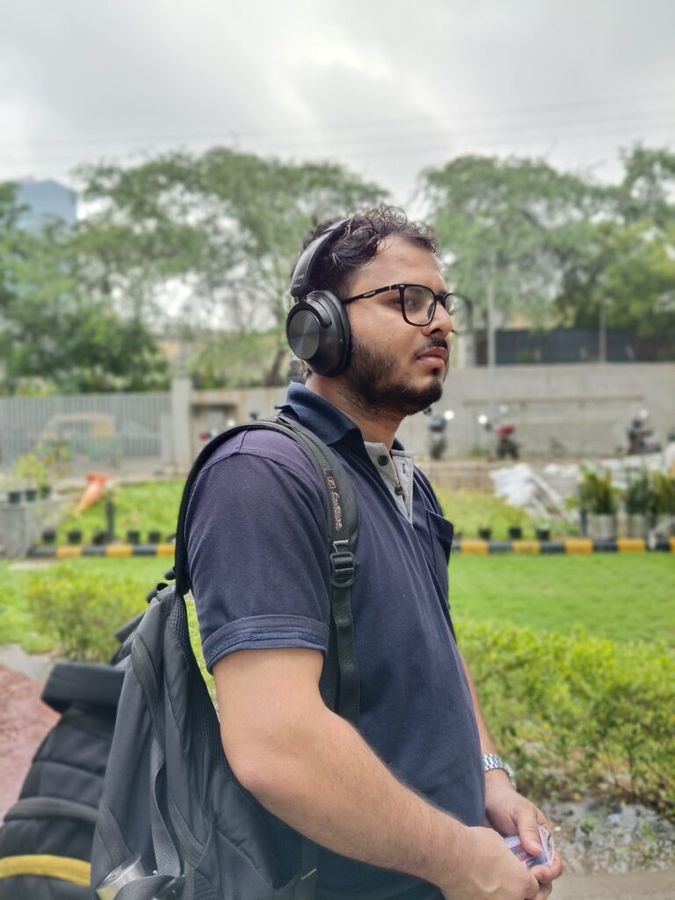
Portrait mode, however, remains inconsistent. Edge detection is not good because in this picture you can see it blurred the right side of my friend’s glasses. It also struggles around hair, as you can see in my picture.

Indoor photography is acceptable as long as there’s sufficient lighting. Once the light starts dropping, you can easily see the drop in image quality.
Selfies are decent but tend to brighten skin tones more than I’d personally prefer. They’re perfectly usable for social media, although they won’t impress a lot of users.



Video recording maxes out at 1080p 30fps from both the front and rear cameras. Footage is usable in daylight, but stabilization is very basic.
iQOO Z11 Lite: Software
Software is identical too, at least on the surface. The iQOO Z11 Lite ships with OriginOS 6 on top of Android 16, complete with deep customisation options and the AI toolkit, like AI Creation, AI Documents, AI Captions, and Transcript Assist all worked well during my usage.
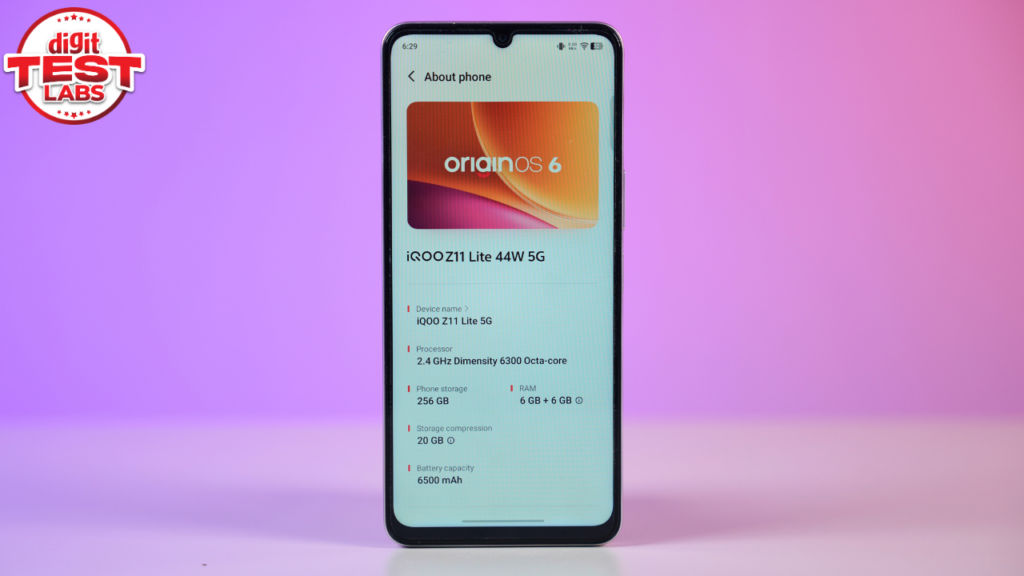
Like most phones in this price category, there are a few pre-installed apps, but thankfully most of them can be removed. In terms of software updates, iQOO is promising 2 years of Android Updates and 4 years of Security Patches.
iQOO Z11 Lite: Battery
Battery specs on paper look promising: a 6,500mAh cell paired with 44W wired charging, and the iQOO is claiming to give you a full day of usage around video, music, social media, and call time endurance.
The 6,500mAh battery easily lasted me close to two full days with my regular usage, which included around three hours of YouTube and Netflix, social media browsing, camera usage, messaging, Bluetooth earbuds, and roughly an hour of BGMI.
Even on heavier days, I comfortably ended the night with battery remaining. Charging is handled by a 44W charger, and in my testing, a complete charge took roughly 72 minutes, which feels reasonable considering the battery capacity.
Should you buy the iQOO Z11 Lite?
The iQOO Z11 Lite isn’t trying to be the most powerful camera phone or the fastest gaming phone in its category. Instead, it focuses on delivering a dependable everyday smartphone experience. After using it as my daily device, I came away appreciating its strengths more than its weaknesses. The battery life is genuinely excellent, the software experience feels polished, performance is reliable for everyday workloads, and the new Solar Flame finish gives the phone a distinct look.
At the same time, the HD+ LCD display feels dated compared to AMOLED alternatives, the cameras remain fairly basic, and power users may notice occasional stutters during heavier multitasking.
If you’re looking for a phone primarily for long battery life, dependable day-to-day performance, smooth software, and a distinctive design, the iQOO Z11 Lite is an easy recommendation. Just go in with realistic expectations regarding its display and camera hardware.


