
Redmi Note 17 review: No longer playing the same game
 Follow Us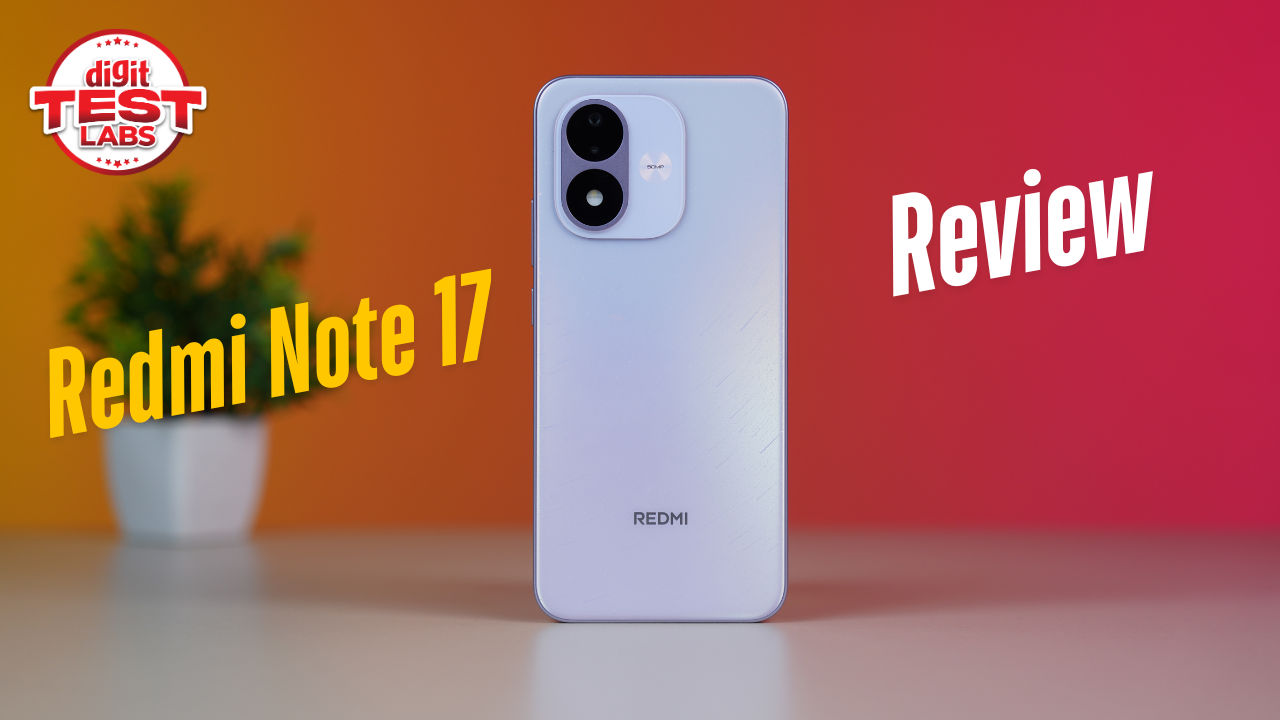

I’m not sure how many times you may have heard, but it’s true that the smartphone market is going through a transition that nobody really saw coming. The rising memory and component costs have pushed prices beyond the ceiling for almost every price segment, from sub-Rs 20,000 smartphones to premium flagships costing over a lakh. At the same time, brands are being forced to make difficult choices: either increase prices or cut back on hardware to keep devices within their intended price brackets. The result is a market where finding genuine value for money is becoming increasingly difficult.
For manufacturers, everything that is going on is less about choice and more about survival. The current situation, for me, is a phase the industry will eventually adapt to, but until component and memory prices stabilise, compromises are becoming an unavoidable part of new smartphone launches.
And with that context in mind, I spent the last few days with a smartphone from a series that has traditionally been synonymous with value, the Redmi Note. Xiaomi has just introduced the Redmi Note 17, and it comes at a time when even this segment is feeling the pressure. There are a few obvious compromises here, and honestly, they were probably necessary to keep the phone at its price point.
At the same time, Xiaomi has even tried to balance those compromises with some meaningful upgrades, including a bigger battery, a larger and improved display, and a more stylish design. On paper, the Redmi Note 17 looks like a familiar Note-series formula adapted to a very different market. But how much of that value actually translates into real-world experience? After using the phone for a few days, here’s what I think.
Redmi Note 17 display
The Redmi Note 17 comes with one of its strongest upgrades, the display. It features a large 6.9-inch AMOLED panel with a 120Hz adaptive refresh rate, 240Hz touch sampling rate, 100 per cent DCI-P3 colour coverage and a claimed peak brightness of 1,800 nits. It also gets HydroTouch 2.0, which is designed to keep the screen responsive when your fingers are wet or oily.
On paper, these are impressive specifications for a phone in this segment, particularly because a large battery often comes with compromises elsewhere. Redmi has managed to retain an AMOLED panel here, and that immediately makes a difference. The screen looks vibrant, punchy, and attractive, with deep blacks and strong contrast. Whether you are watching a movie, scrolling through social media, or playing a game, the display has the visual impact you would expect from a more expensive smartphone.

During our testing, we recorded a peak brightness of around 2,200 nits, which is more than enough for comfortable outdoor usage. Even under harsh sunlight, I did not find myself constantly adjusting the viewing angle to read content.
And in our Calman testing using Spectracal C6, the colour measurement tells a nuanced story. The display covers essentially the entire sRGB gamut and around 98-99 per cent of DCI-P3, which is excellent for this price segment. However, colour accuracy is not perfect, with the panel showing some deviation from reference colours in our Calman testing. In practical terms, most users will not notice this. The display is clearly tuned more towards vivid and punchy visuals than strict colour accuracy.
Simply put, the display is well-tuned, and you will not face any problems while streaming content or watching photos in its segment.
Redmi Note 17 design
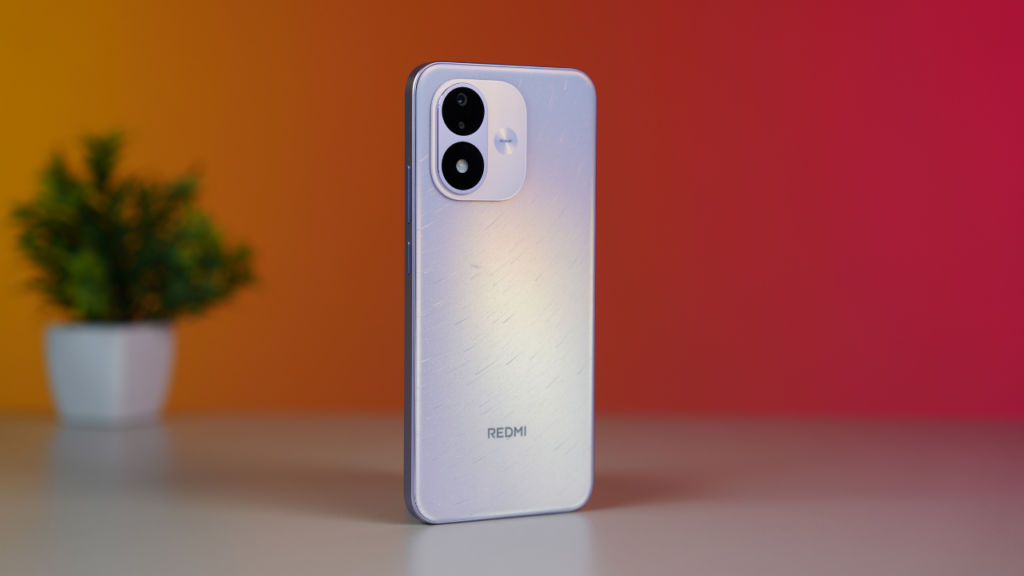
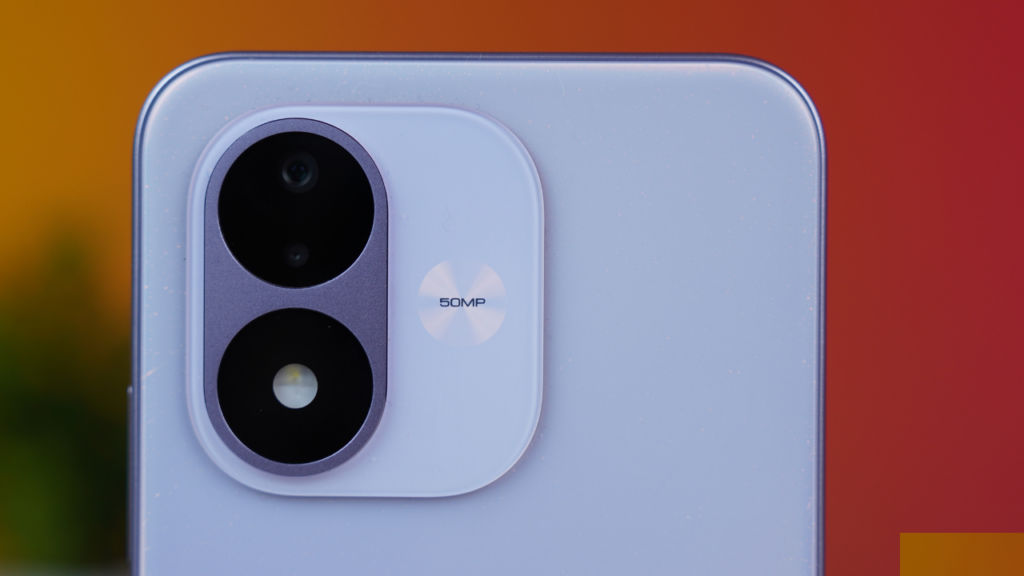
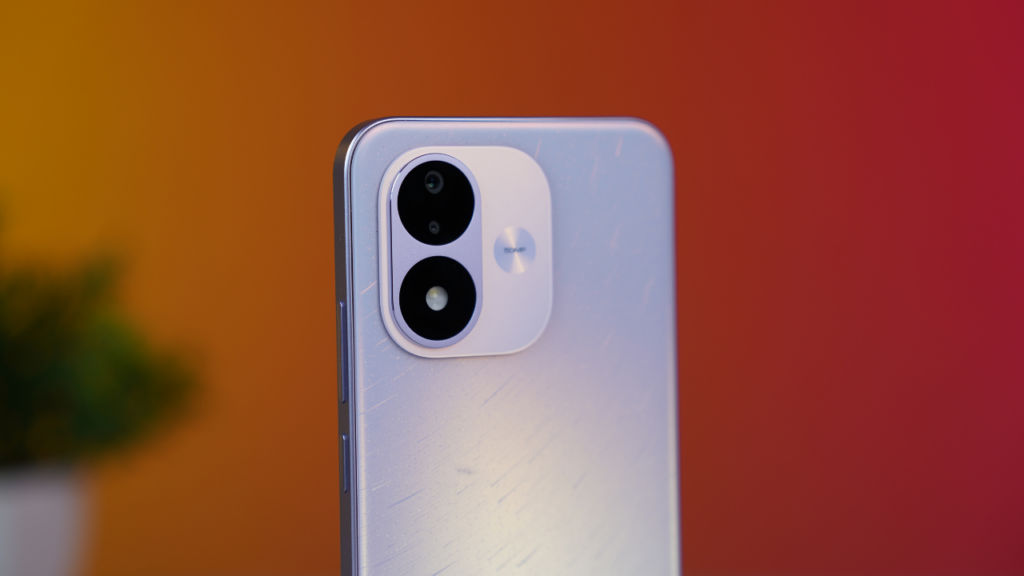
The Redmi Note 17 follows a fairly familiar design approach, but it does manage to look more premium than its positioning suggests. I have the Starlight Purple variant, and the matte finish with its ‘Starlight’ pattern does a good job of catching attention without becoming too flashy. The squarish camera module houses the camera setup and carries the 50MP branding alongside the Redmi logo. It gives the rear panel a more distinctive appearance and, overall, the phone looks considerably more expensive than it actually is.
In terms of durability, the Redmi Note 17 comes with Corning Gorilla Glass 7i, an IP65 rating for dust and water resistance, a reinforced chassis, and HydroTouch 2.0. These are useful features for a device that is likely to see plenty of everyday abuse.
However, there are trade-offs. At 8.4mm, the Redmi Note 17 is not exactly slim, and its large footprint makes it feel big and slightly bulky in the hand. That is understandable given the massive battery inside, but it does affect one-handed usability, given it is 47 grams heavier compared to the Note 15. I also miss the softer, more premium feel that curved edges can provide.
Redmi Note 17 performance
Performance is where the Redmi Note 17 may feel underwhelming for power users. The phone is powered by the 4nm Snapdragon 4 Gen 4, an octa-core chipset designed primarily around efficiency and sustained everyday performance rather than outright processing power. It is paired with up to 8GB of RAM, while storage can be expanded up to 2TB. There is also 10,416 mm² of graphite cooling and Xiaomi’s Long-Term Fluency Engine, which is designed to manage system resources and maintain performance over longer periods.
The problem is that the chipset feels like a step backward for the Note series. Xiaomi has often highlighted that Redmi Note users tend to keep their smartphones for longer, which makes the choice of Snapdragon 4 Gen 4 particularly difficult to justify. The Redmi Note 15, for instance, used the considerably more capable Snapdragon 6 Gen 3. Moving down a tier here means buyers should not expect the same level of longevity or performance headroom.
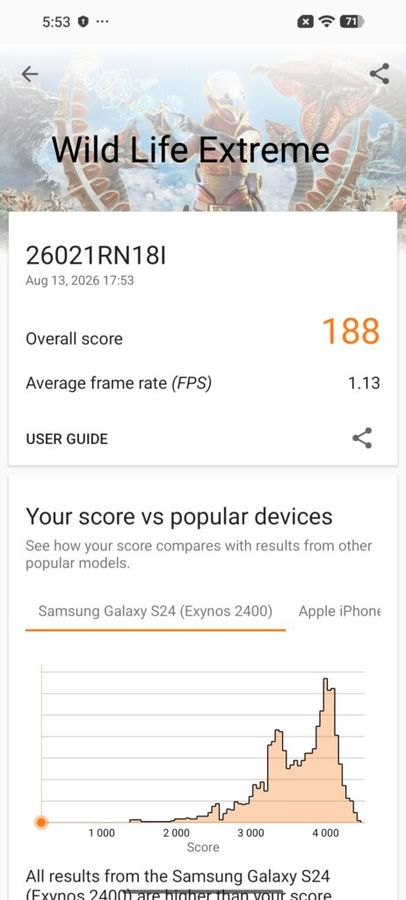
Having said that, in everyday usage, the Redmi Note 17 is perfectly usable, but again, you need to keep your expectations in check. Social media, messaging, web browsing, streaming, and basic productivity are handled without major problems. However, once you start pushing the phone with multiple apps running in the background, the limitations become more apparent. I noticed occasional stutters and jitter while switching between applications, with some tasks taking noticeably longer to process.
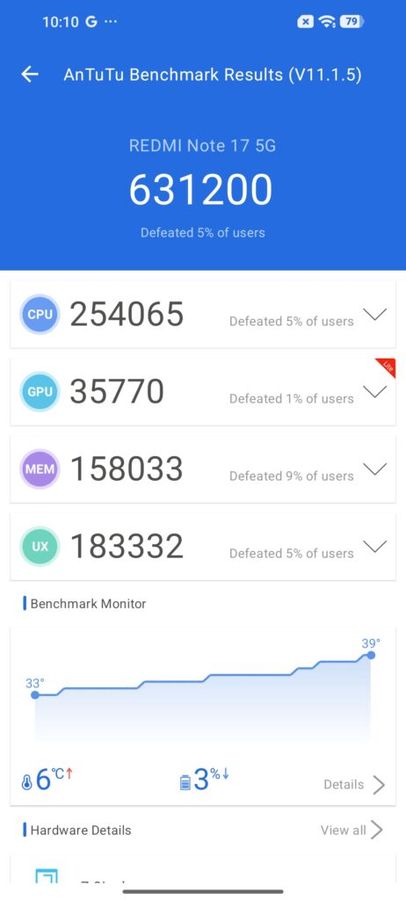
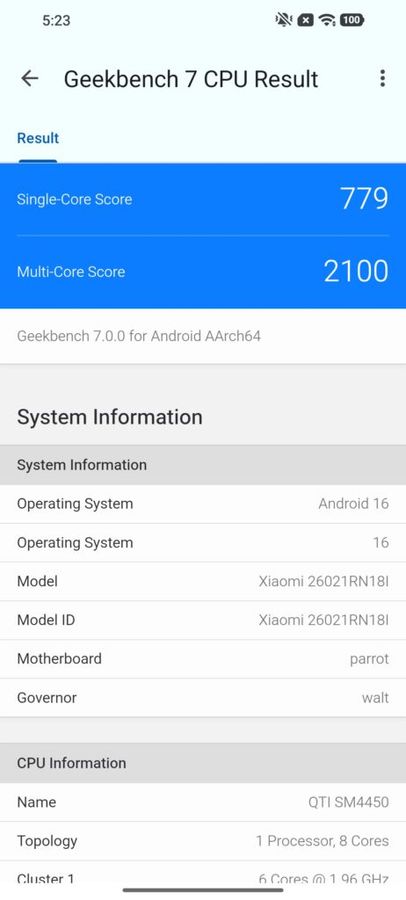
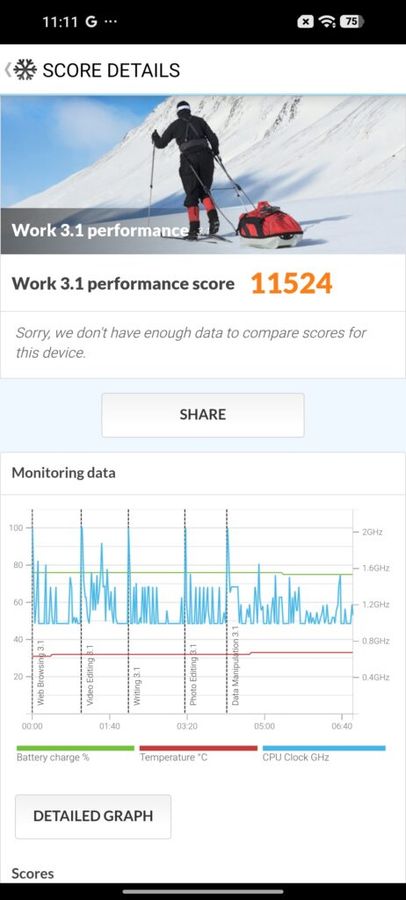
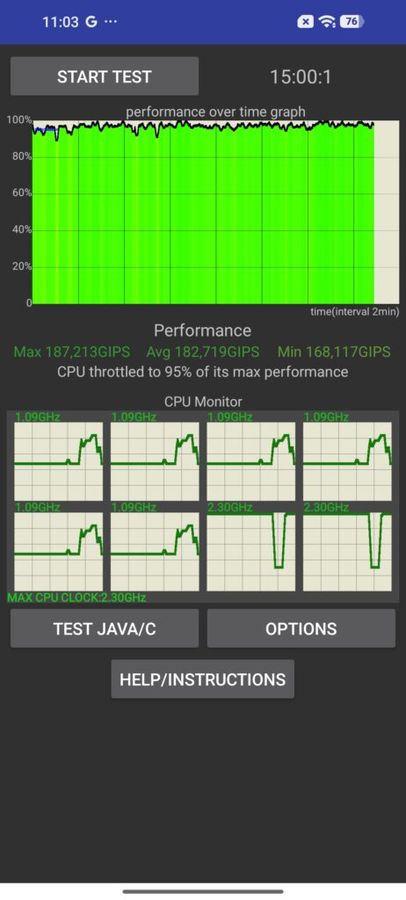
In terms of benchmarks, the Redmi Note 17 scored 6,31,200 on AnTuTu, while Geekbench 7 returned 779 in single-core and 2,100 in multi-core. In PCMark Work 3.1, it managed 11,524 points. More encouragingly, the phone retained around 95 per cent of its peak performance in our CPU throttling test, suggesting that Xiaomi’s cooling solution is capable of keeping sustained workloads under control.
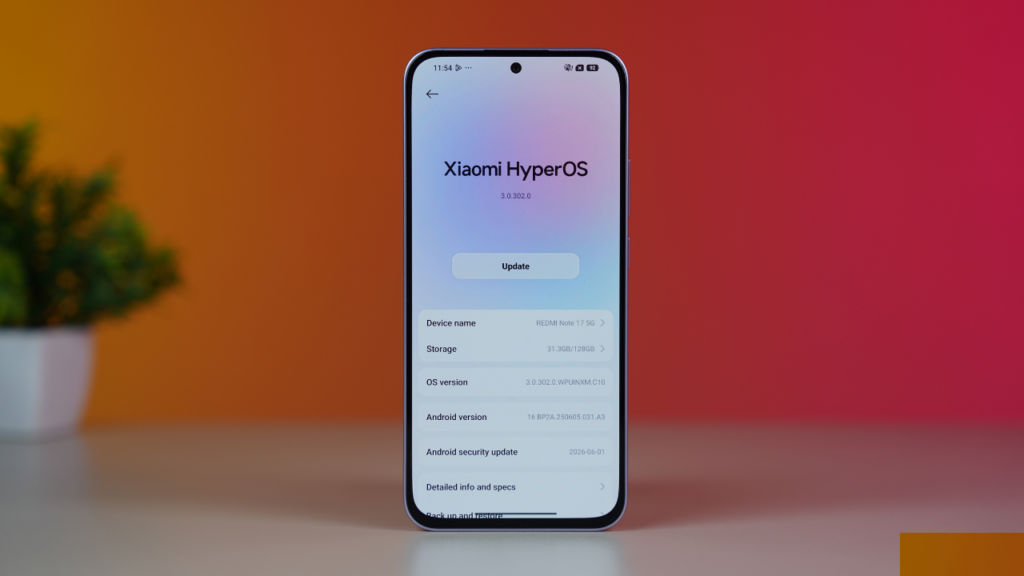
On the software front, the Redmi Note 17 runs Android 16 with HyperOS 3 and gets four Android updates, up to Android 20, alongside five years of security updates. The software experience is generally smooth, and the newer desktop-style widgets are useful additions.
Redmi Note 17 battery
The Redmi Note 17 packs an 8,000mAh silicon-carbon battery, and this is easily one of the biggest talking points of the phone. Xiaomi claims up to 2.5 days of typical usage, while light users can potentially stretch it beyond three days. Considering the size of the battery, the fact that it fits inside an 8.4mm-thick body is also worth noting.
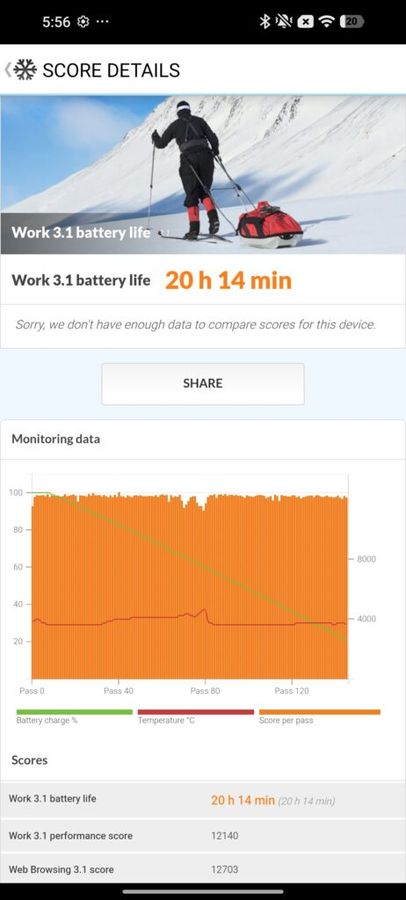
In real-world usage, the endurance has been impressive so far. Regular activities such as social media, messaging, navigation, calls, and video streaming barely make a dent in the battery percentage. In our PCMark Battery Life test, the Redmi Note 17 lasted 20 hours and 14 minutes, which is a strong result and gives the phone plenty of endurance for heavy users.
Charging is handled by a 45W charger, included in the box. However, the sheer size of the battery means charging isn’t particularly quick. In our testing, it took approximately 115 minutes to go from 0 to 100 per cent. That’s considerably longer than what some faster-charging rivals can manage, but it is also a trade-off that comes with having such a large battery.
For what it’s worth, the phone also supports 22.5W wired reverse charging, which is particularly useful if you want to charge accessories or another phone in an emergency.
Redmi Note 17 camera
The Redmi Note 17 gets a 50MP AI camera at the rear and an 8MP selfie camera. Xiaomi has focused this setup primarily on everyday photography, with features such as a dedicated Night Mode, AI HDR, AI Scene Detection, Dynamic Shots, AI Bokeh, and a 2x in-sensor zoom mode. However, there is no ultrawide camera, while both front and rear cameras are limited to 1080p video recording at 30fps. There is also no OIS, which immediately puts some limitations on the camera hardware.
In daylight, the 50MP primary camera is capable of producing good-looking images. Details are reasonably sharp, colours are rich without going excessively overboard, and the dynamic range is stable in well-lit scenes. This is also where the camera’s tuning makes the most sense for casual users and social media. Portraits are decent too, with natural-looking skin tones and reasonably reliable edge detection. However, finer details can appear slightly soft when you zoom into the images.





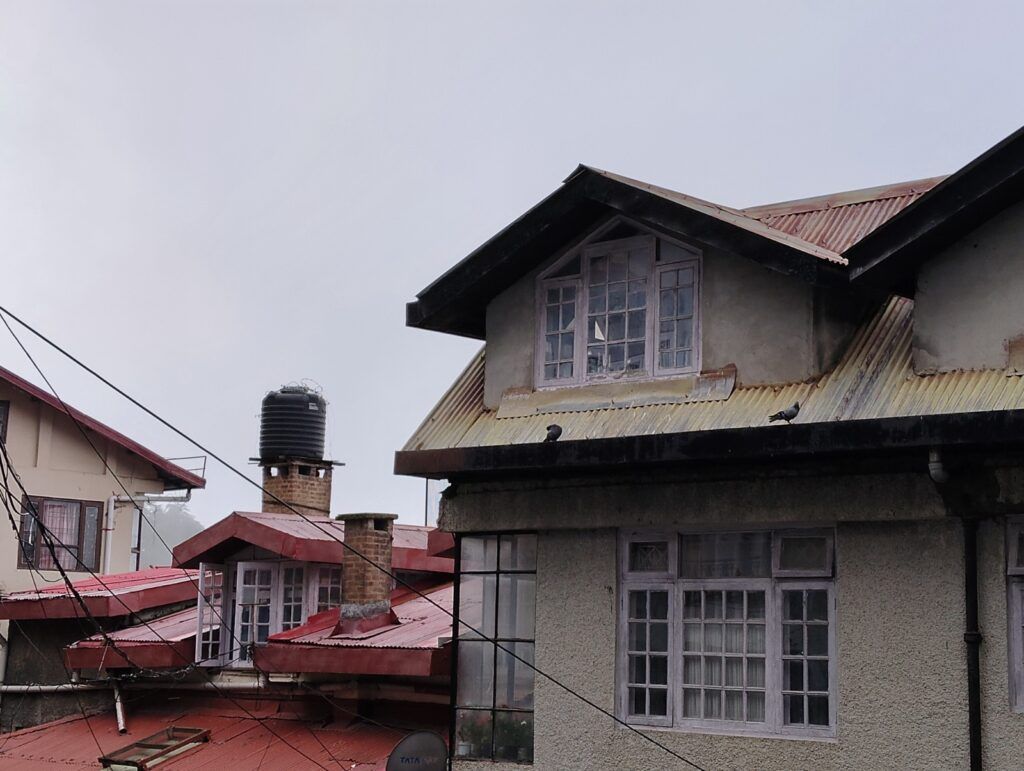






The bigger issue is what you don’t get. The absence of an ultrawide camera limits the phone’s versatility, particularly for landscapes, group photographs, and architecture. Competitors such as the Motorola Edge 70 Fusion, Nothing Phone 3a Lite, and OnePlus Nord CE6 Lite offer more flexible camera systems.
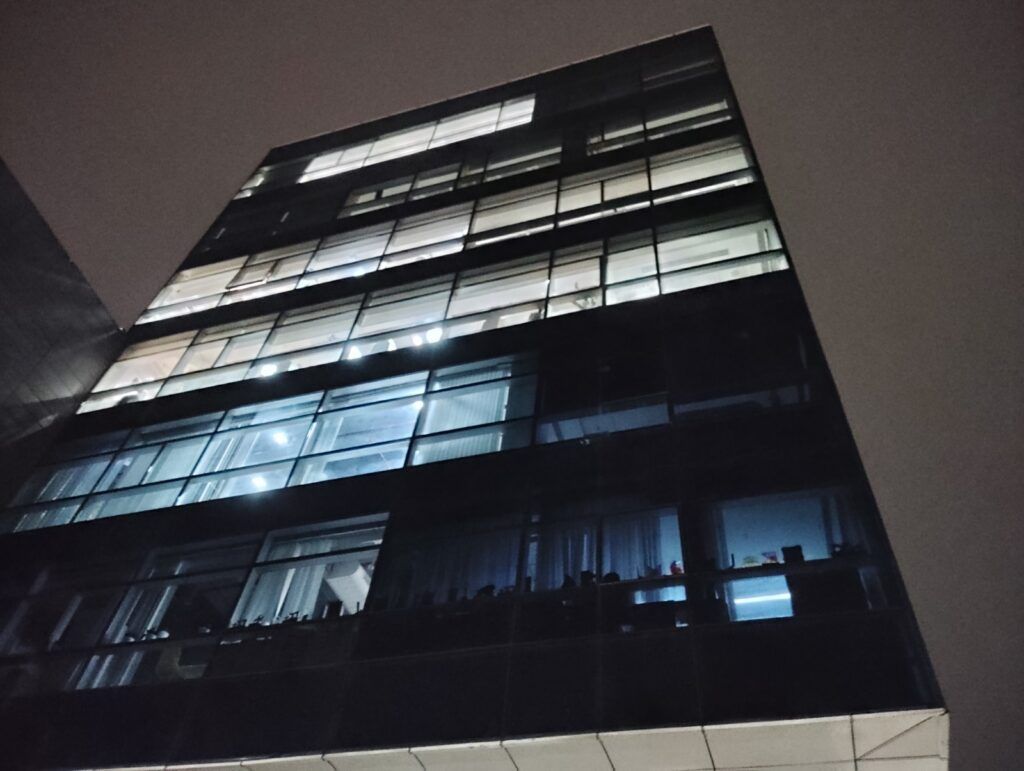
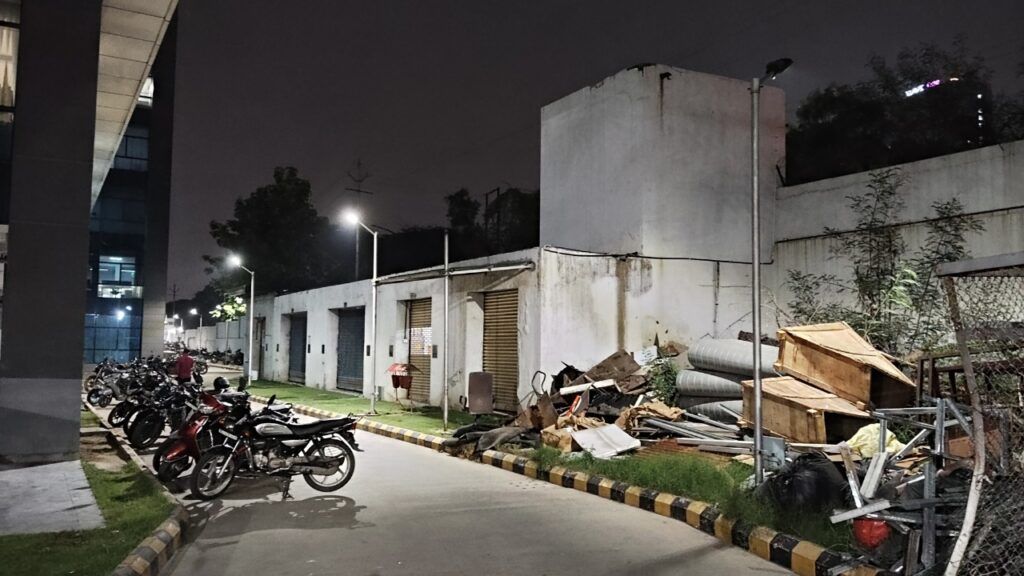
Low-light photography is where the limitations become more apparent. The smaller sensor and lack of OIS mean that images can lose detail in darker environments, while moving subjects can be difficult to capture cleanly. Night Mode helps brighten scenes, but it cannot completely compensate for the hardware limitations.


Redmi Note 17 verdict
The Redmi Note 17 is a smartphone that makes its priorities very clear. Xiaomi has put considerable emphasis on the 8,000mAh battery and 6.9-inch AMOLED display, and both are genuinely strong aspects of the phone. Battery endurance is excellent, the display is vibrant and bright, and the overall design looks more premium than the price suggests. Features such as reverse charging, Gorilla Glass 7i, and IP65 protection further add to its everyday appeal.
However, the compromises are equally difficult to ignore. The Snapdragon 4 Gen 4 feels underpowered for a Redmi Note device, particularly when the series has traditionally offered stronger performance. This is a phone for everyday users rather than anyone looking for serious gaming or long-term performance headroom. The camera setup is another area where Xiaomi has clearly cut costs. The primary camera performs reasonably well in daylight, but the absence of an ultrawide camera, OIS, and 4K recording makes the Redmi Note 17 less versatile than several competitors.
So, is it a bad phone? No. In fact, if your priorities are battery life, display quality and a stylish design, the Redmi Note 17 makes a reasonable case for itself. But if you expect strong performance, versatile cameras and a phone that feels future-proof for several years, there are compromises you will have to accept.
Redmi Note 17 Key Specs, Price and Launch Date
| Release Date: | |
| Market Status: | Launched |


