
Mirrorless camera: 5 reasons why it still makes sense in 2026
 Follow Us
Superior sensor size delivers unmatched low light and dynamic range.
Interchangeable lenses provide focal length versatility for professionals.
Cameras offers precise manual control and lasting investment value.
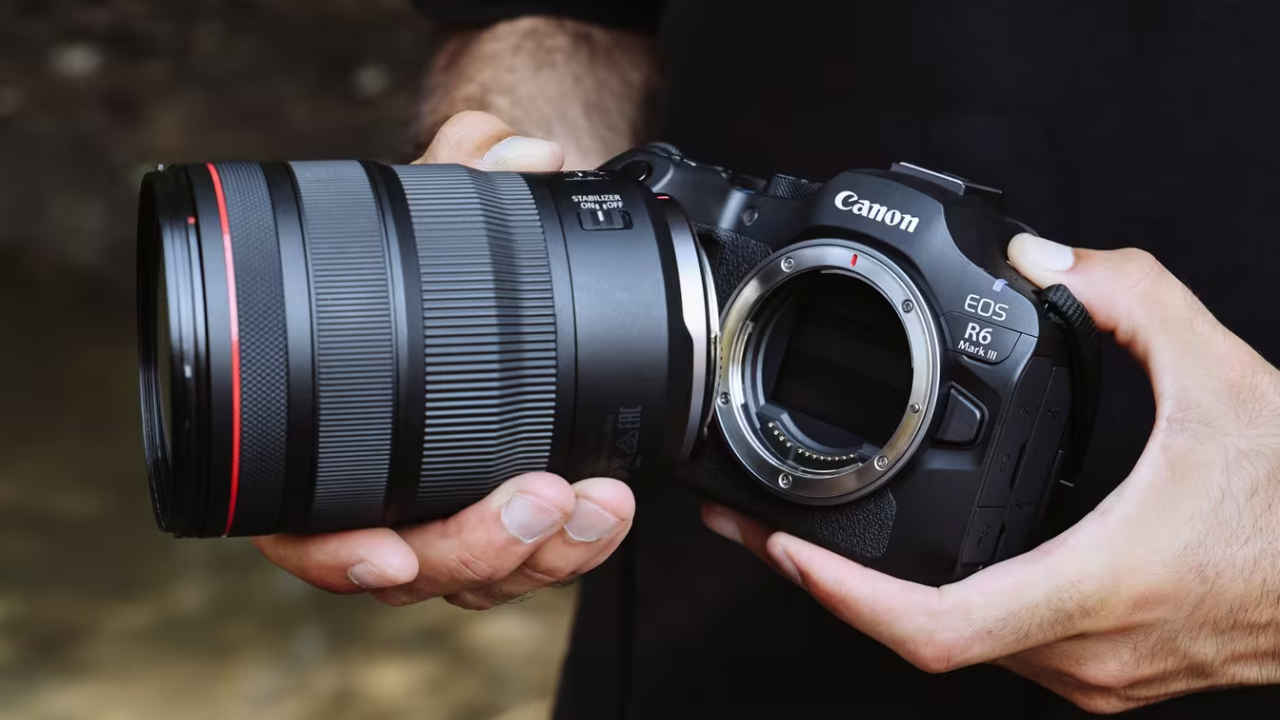

The recent advancements that have been brought out in smartphone camera technology have genuinely been very impressive. Brands are actively focusing on cameras, and smartphones are getting smarter through AI-powered computational photography, along with other massive improvements to the overall hardware as well.
 Survey
Though even amidst all this, the mirrorless camera market is not just surviving; rather, it’s performing very well. Brands like Sony, Nikon, Canon, and Fujifilm are pushing out new hardware that is pushing the boundary even further. So let’s take a look at some reasons why you’d want to invest in a mirrorless camera and why it’s still worth it in 2026.
Also Read: ChatGPT Images 2.0 vs 1.5: Is this update really an upgrade?
Image quality
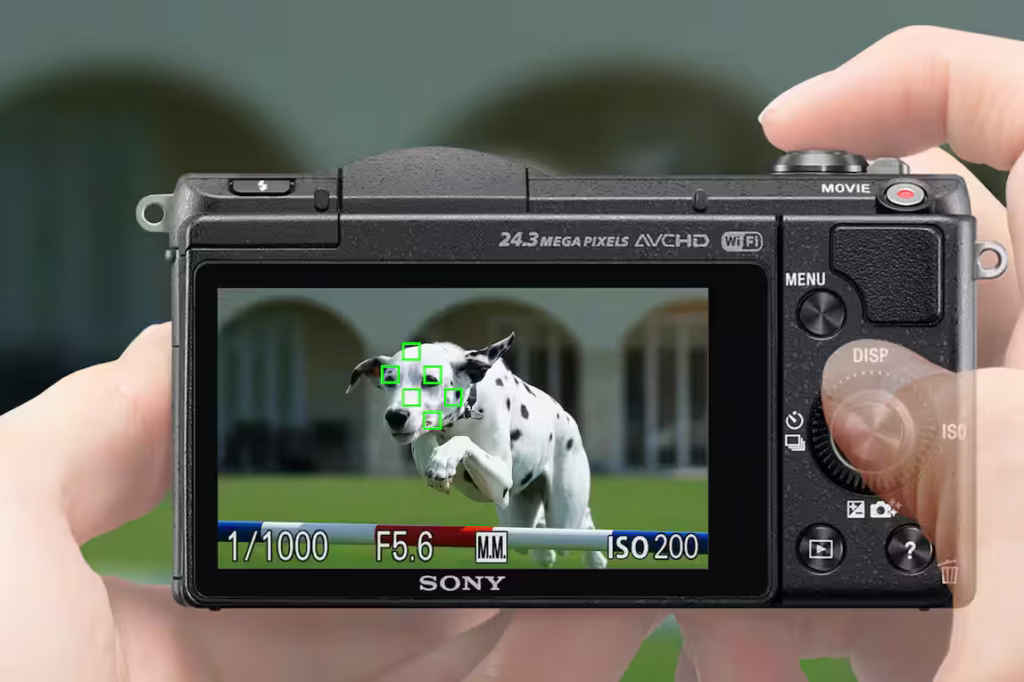
First and foremost, the biggest difference between a smartphone camera setup and a professional camera setup will come with the image quality. No matter how good the Pixels or iPhones get at processing images, when it comes to photography, physical dimensions are still much more important than any software out there.
When comparing the physical dimensions of a full-frame camera sensor to that of a smartphone camera sensor, the smartphone is simply not even close. From the excellent dynamic range to the higher resolution and, not to forget, the amazing low-light capabilities that come with a bigger sensor, all of this makes the overall image quality of the mirrorless unmatched.
Optical flexibility
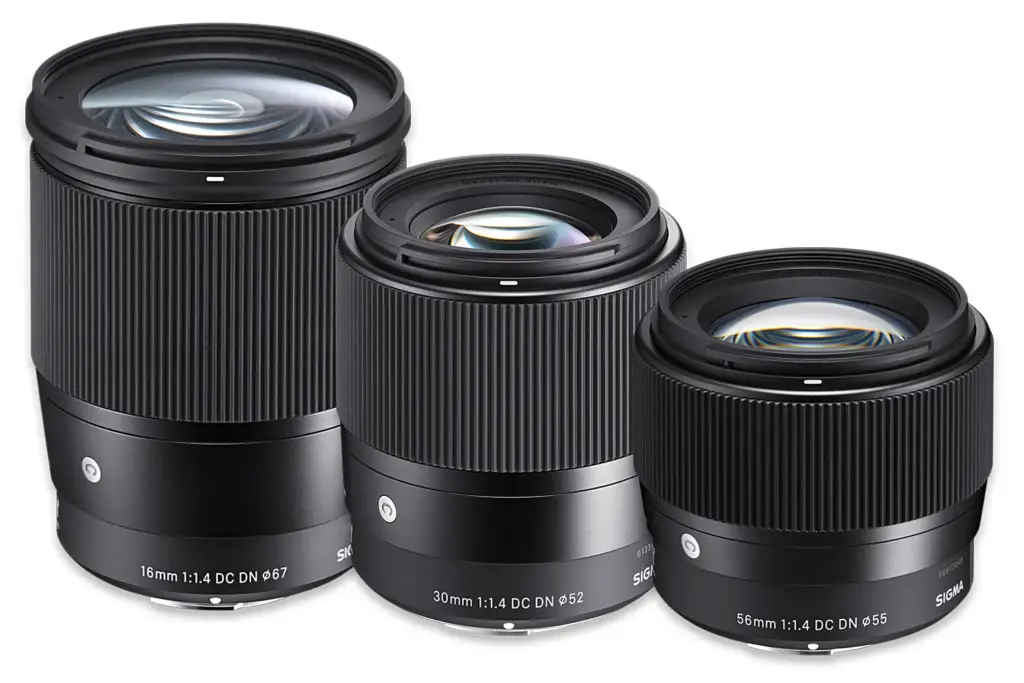
Moving on, there’s also the important factor of optical flexibility. While a smartphone gives you two, maybe three or even four camera sensors, they’re still fixed focal lengths. Meanwhile, a mirrorless system gives you an entire array of lenses to choose from. You can easily go from an ultra-wide lens to capture the landscapes to a standard lens for getting some portraits and even a super-telephoto lens for shooting some wildlife.
All of this while remaining on the same camera body. In 2026, the lens ecosystems for all the major mounts like the Sony E-mount, Nikon Z-mount, Fuji X-mount and Canon RF-mount have matured to a point where there’s almost no focal length that you can’t cover. The lens market is filled with lenses from both the first-party and the third-party makers, which has significantly helped reduce the cost of camera lenses.
More control over your work

The biggest advantage of having a camera is the manual controls you have over your images and videos. While smartphones do offer a manual mode, they’re still heavily restricted and nowhere near as close to the manual modes offered on a mirrorless camera. From allowing you to shoot your pictures in RAW to adjusting the aperture in real time, these are some decisions a mirrorless camera hands directly to you.
Not only does it make the overall experience superior, but it also helps you become a better photographer, helping you understand each aspect of an image and, overall, levelling up your skills.
Superior video capabilities
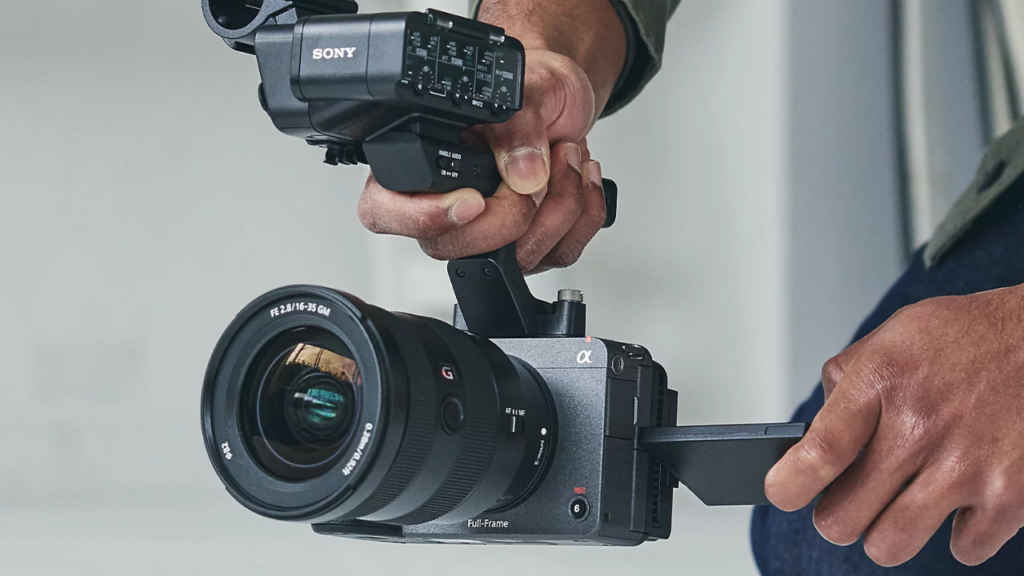
Along with photography, mirrorless camera systems are also the standard for shooting videos in 2026. Professional cameras today are producing 6K RAW footage with log profiles and cinema-grade colour science. The ability to shoot with a large sensor and super-high resolution is an advantage that no phone offers at the given moment.
While smartphone video has come a long way, most recently with the advancements brought out to the iPhone 17 Pro series supporting ProRes RAW, that’s not it. For professionals needing a clean HDMI output, along with real audio controls, a mirrorless is still the way to go.
The longevity factor
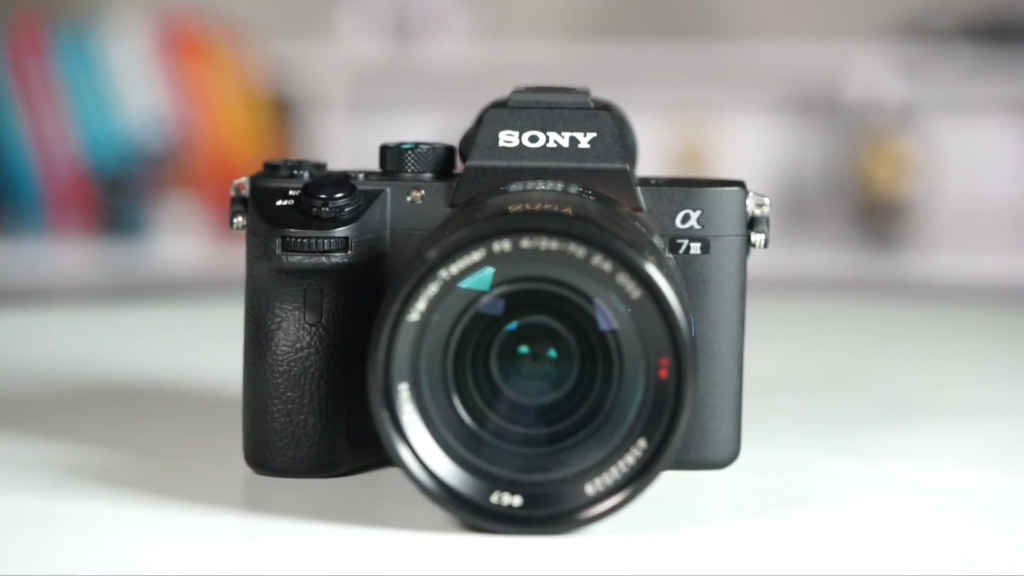
Last but not least, longevity is still one of the most important things, which makes buying a camera feel much more of a valuable investment. Unlike a smartphone that depreciates quickly in terms of value, a mirrorless camera body and camera lenses retain their value very well.
It goes both ways. Even when you’re selling your old camera to buy an upgrade, you get good value out of it, because the resale market is performing well. Or even if you’re buying a used previous-gen body, you can get it for a good price. Pair that with a good lens and it can easily outperform a flagship smartphone in almost every way.
With that said, I hope you understood why buying a mirrorless camera in 2026 still makes a lot of sense. For much such handy and informative guides, keep on reading Digit.in
Also Read: Google has a Sergey Brin problem, and it’s called Claude Code


