
Google has a Sergey Brin problem, and it’s called Claude Code
 Follow Us

A new report by The Information reveals that Google has assembled a “strike team” at DeepMind to close the gap with Anthropic on AI coding. What makes this land for me is the fact that DeepMind’s own researchers were already using Claude over Gemini internally. Not outside critics. Not benchmark tables. The people inside Google building the thing had picked up their competitor’s tool. That is fine if you are doing it to see how you stack against them but doing it because you don’t stack at all is something to be concerned about.
 Survey
Also read: What is Chronicle, OpenAI Codex’s new screen-reading memory feature?
Brin’s coming out of retirement to personally take control of the operation tells you everything you need to know about the importance Google places on the situation. Brin tends to emerge from retirement to bail the firm out whenever it’s needed. He comes down, does his thing and promptly moves back out of the way. Nevertheless, there seems to be more going on here than just another routine return to work – it doesn’t take a genius to see that it takes a serious situation for someone like Brin to be called back from retirement.
Google certainly finds itself in a worrying position. The worry is not because Anthropic has some greater resources because they don’t. It all just boils down to coding. Whoever is able to dominate the coding agent market effectively ends up automating whatever comes next for artificial intelligence. It creates an ever-growing cycle of benefits – faster iterations, lower costs, improved infrastructure, self-replicating model generation. It all amounts to the kind of prize Brin himself mentions in his memo: AI capable of training the next generation of AI. The problem is Anthropic got there first in the minds of the people who matter most, which is developers. Even OpenAI with Codex far outclasses Gemini, and for some it may even be better than Claude Code but that’s a comparison for another time.
Also read: 5 things John Ternus needs to fix at Apple after taking over as CEO from Tim Cook
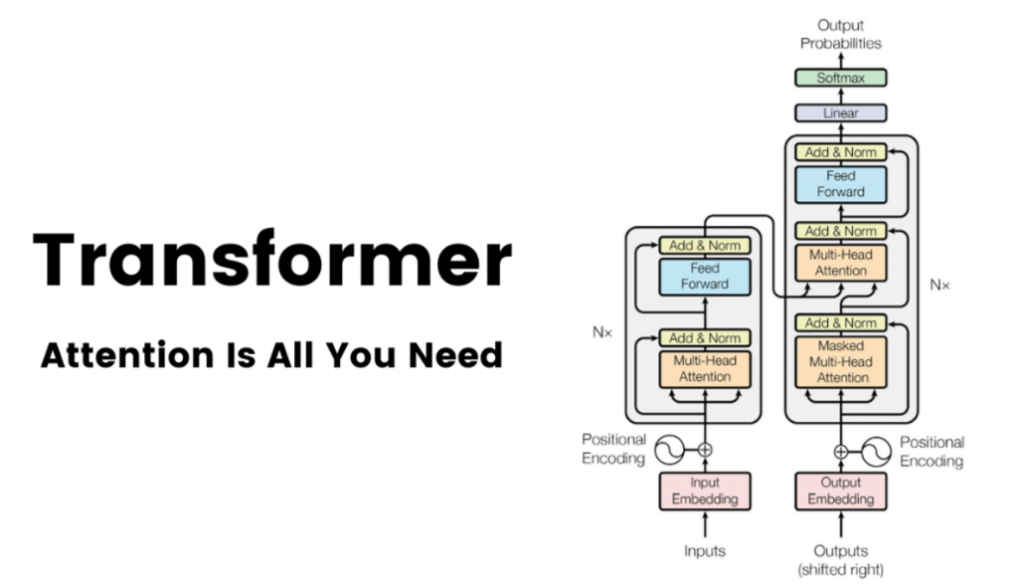
The real irony in all of this is that Google wrote the paper that started this whole thing. The 2017 “Attention Is All You Need” transformer research that is the foundation of virtually every frontier model today, including Claude, came out of Google. Google didn’t just participate in the modern AI era, it arguably authored it. And yet here it is in 2026, scrambling to catch a five-year-old startup on the very capability that transformer architecture made possible. Anthropic’s founders left OpenAI, which itself was built on Google’s research, and have now carved out a position so strong that Google’s own researchers prefer their product. That’s not just a competitive loss. That’s downright embarrassing.
There’s a version of this story where Google does what it takes to even things up, where the strike team succeeds and Gemini starts popping up on the terminals everywhere rather than only on Google’s internal Jetski leaderboard. It is entirely possible since no matter how skeptical I am about Gemini, there is enough talent and money at Google’s disposal to bridge any gap. The much bigger issue here is not a technical one, but a psychological one. Developers trust Claude Code and Codex, and once trust has been given away to a competitor, it doesn’t come back so easily. Developers have their workflows now, habits that they can’t switch on a whim.. Brin can order the Gemini engineers to use internal agent tools, but he can’t change what the rest of the developer world does. Google invented the foundation. Anthropic built the house. That’s the problem no strike team fixes overnight.
Also read: China’s drones can be charged mid-air using microwave beams, here’s how


