Google Pixel 10a review: Seven years of reasons to buy this phone
 Follow Us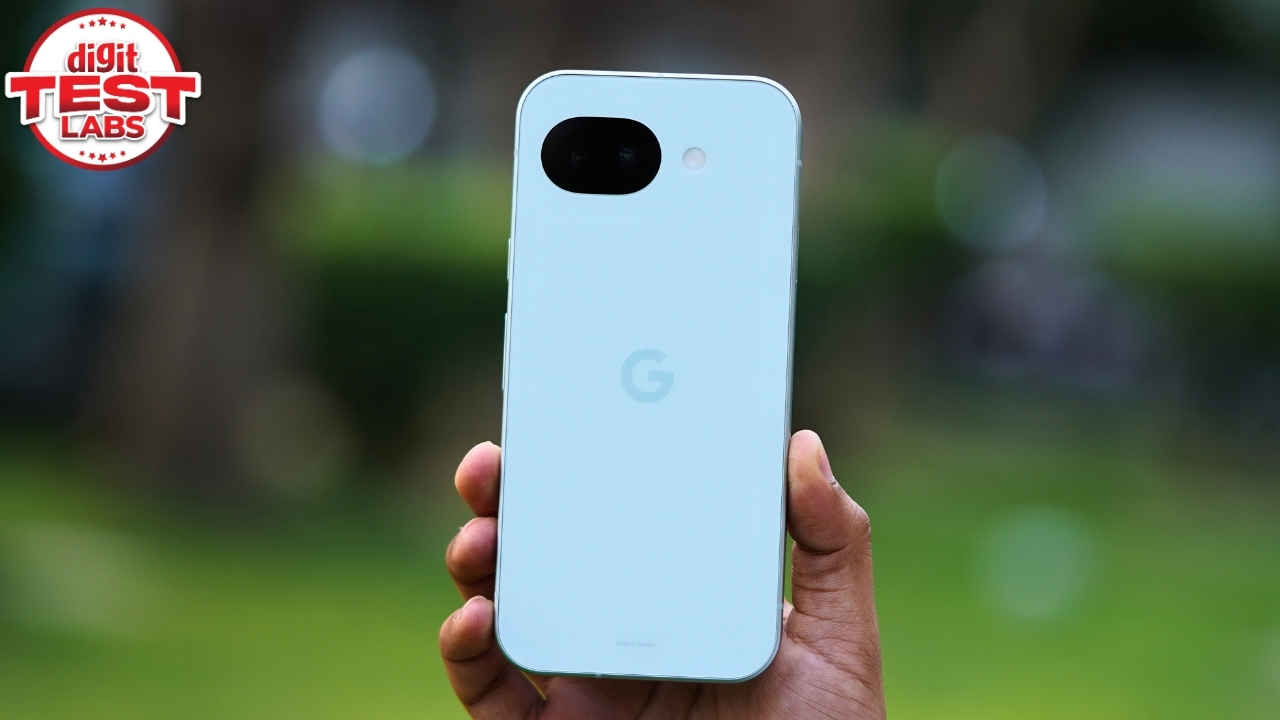

The Google Pixel 10a, starting at Rs 49,999, makes Google’s strongest mid-range case in years. Even though it carries a polycarbonate back into a segment where glass has become expected, a Tensor G4 chip that predates it by a generation, charging speeds that look modest by 2026 standards and bezels thick enough to attract comment, the Pixel 10a is not competing on specifications. It is built on a different premise, one that the software experience, the camera intelligence, the display accuracy and a seven-year update commitment add up to something more durable than any individual benchmark figure. There are real trade-offs here and this review will not sidestep them. But the Pixel 10a makes a case for itself that grows stronger the longer you consider what you actually do with a phone from one day to the next.
Pixel 10a review: Build and design
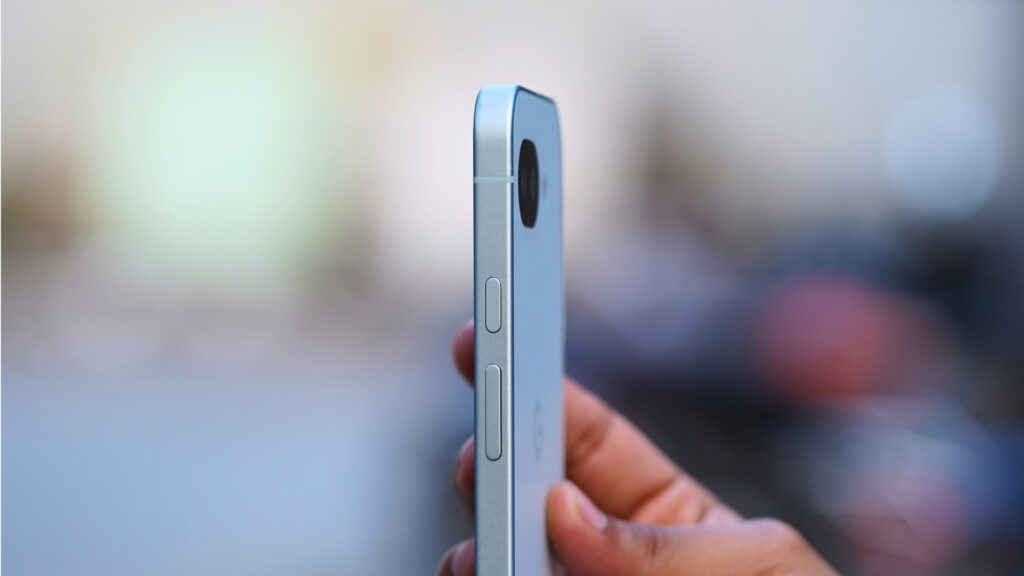
The Pixel 10a’s design is defined in large part by what it does not have. No protruding camera island. No glass back reaching for a premium feel. No safe, predictable colour palette defaulting to black and silver. Google’s decision to run the camera module nearly flush with the rear panel is a differentiator in a segment where raised camera housings have become universal. It gives the phone a flat, minimal profile and, in the hand and in a pocket, the phone sits more naturally than its 9 mm depth implies, because there is no camera hump shifting the balance or snagging on fabric.
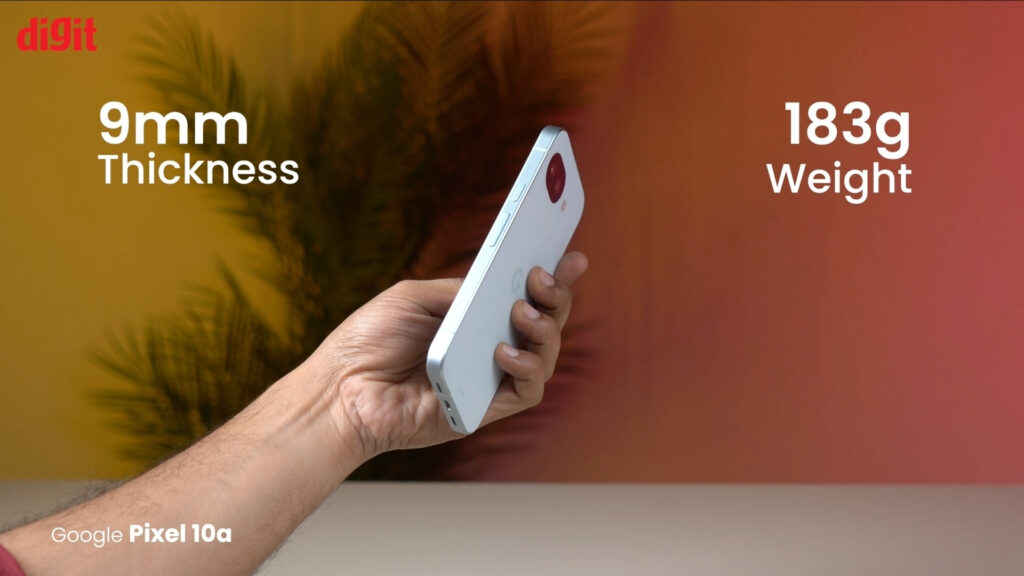
At 183 g, the weight falls comfortably in the middle of the range for this screen size and category. The polycarbonate back is the one area where the build falls noticeably short of glass-backed alternatives at comparable prices. It scratches and smudges more easily and is a clear step down. That said, the build quality is solid throughout, with no flex or creak under pressure and the phone handles itself well in everyday use.
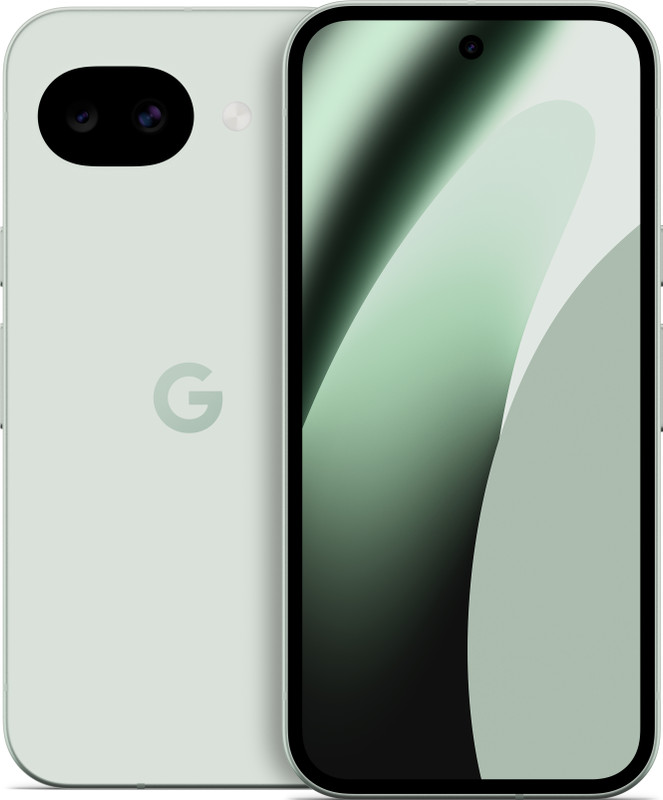
The colour range includes Obsidian, Fog, Berry and Lavender which carries significantly more personality than the segment’s typical safe palette. The Berry and Lavender in particular are choices people make for aesthetic reasons rather than out of indifference and they give the Pixel 10a a visual identity that is recognisable from a distance.
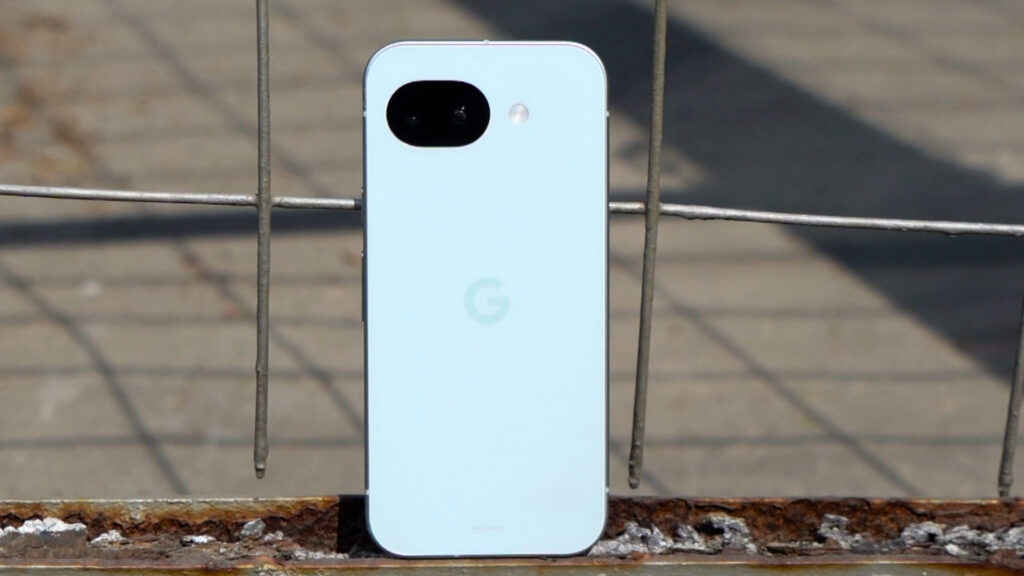
Durability is covered by an IP68 rating, providing meaningful protection against water exposure in everyday scenarios, be it rain, spills or accidental submersion.
Pixel 10a review: Display
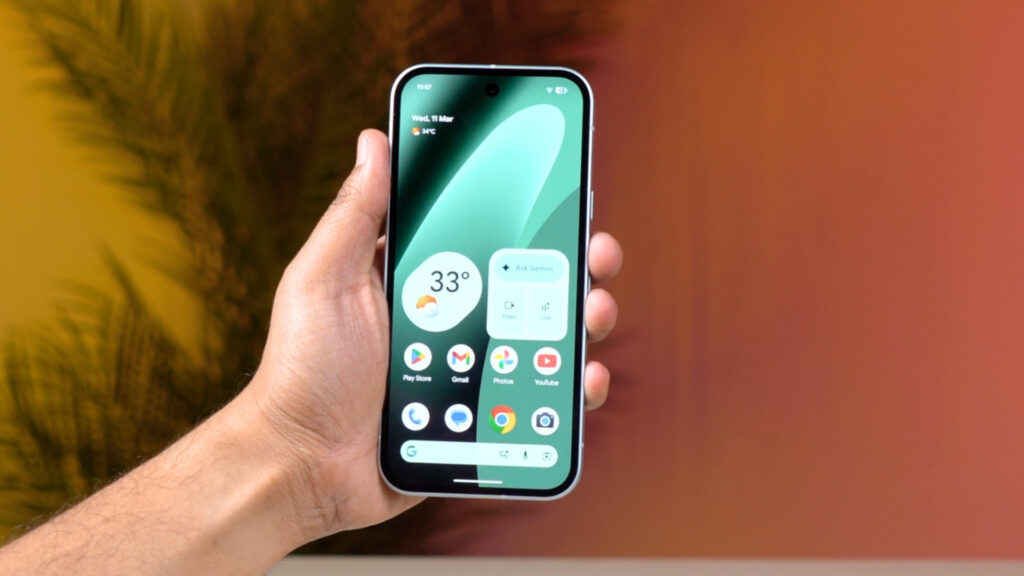
The Pixel 10a carries a 6.3-inch FHD+ P-OLED display running at up to 120 Hz, with a peak brightness of 2,850 nits and a standard SDR brightness of 1,360 nits in everyday use. In direct sunlight the display stays comfortably readable without requiring shade or manual adjustments. HDR content in supported streaming titles looks appropriately vivid and well-separated. The 120 Hz adaptive refresh rate makes the interface feel fluid and responsive.
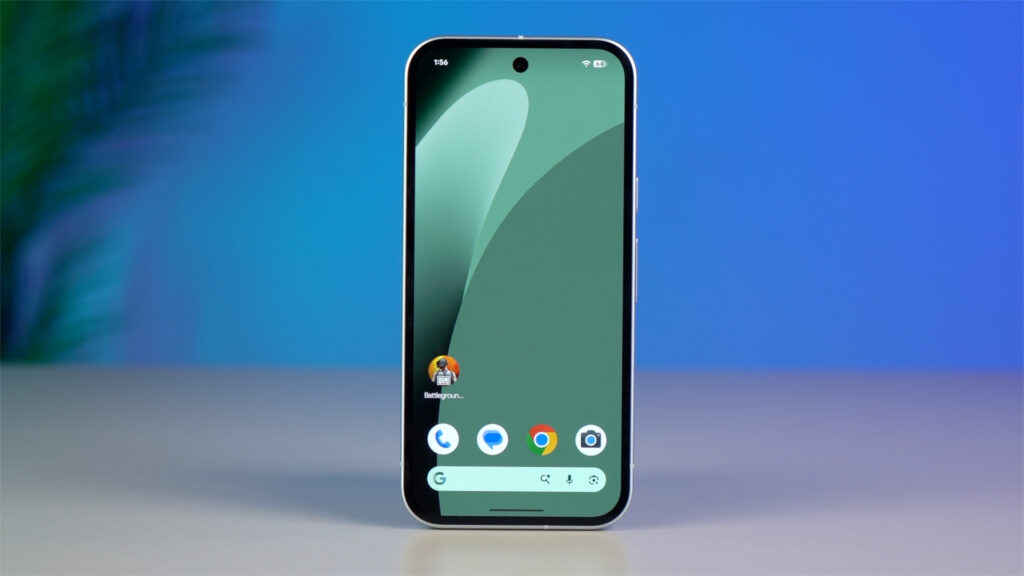
The bezels are noticeably thicker than what buyers at this price have come to expect in 2026. First impressions will register them and in a side-by-side comparison with competitors, the difference is obvious. But after extended use they recede from notice, partly because Google has tuned the software interface to work with the display’s geometry rather than against it, but they remain a visible compromise that is difficult to fully overlook at this price.
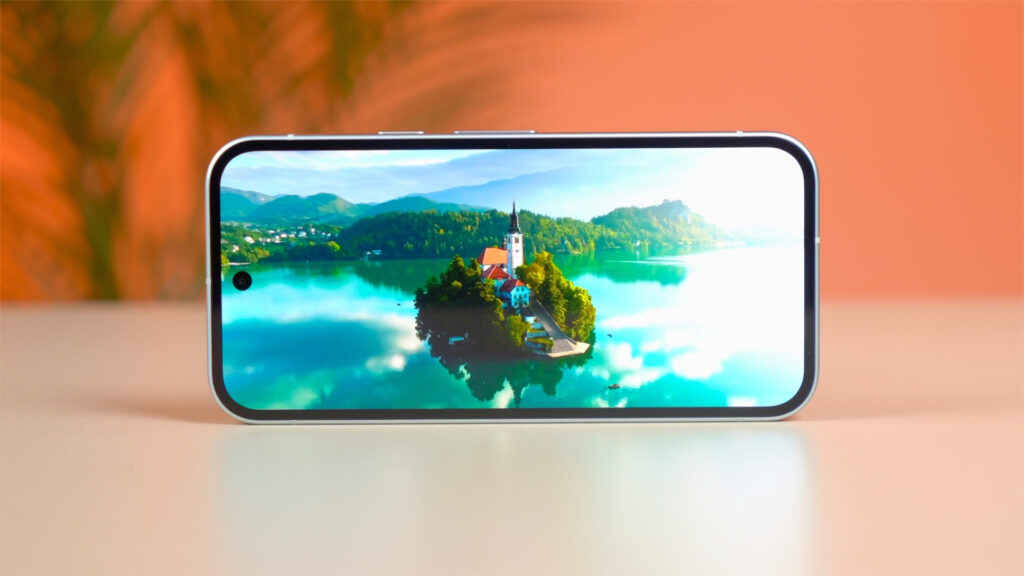
We put the Pixel 10a through rigorous Calman display testing and the data validate the calibration. In the Natural colour mode, the Pixel 10a returned an average deltaE of 1.9 with 98.2% DCI-P3 colour gamut coverage. For context, a deltaE below 1 is considered indistinguishable to the human eye; anything under 3 is considered excellent. The Pixel 10a sits firmly in accurate territory. The white point skews slightly cool but not to a degree that draws attention during regular use.
Pixel 10a review: Performance and software
The Pixel 10a is powered by Google’s in-house Tensor G4, the same chip as last year’s Pixel 9a. Google made no hardware update here and in a segment where rivals have moved to Snapdragon 8s Gen 4, the benchmarks reflect a growing gap in raw performance.
| Benchmark | Score |
| AnTuTu | 1,151,947 |
| Geekbench 6 (single-core) | 1,640 |
| Geekbench 6 (multi-core) | 3,674 |
| 3DMark Wildlife Extreme | 2,622 |
| CPU Throttling Test | 58% |
| PCMark Work 3.0 Battery Life | 20 hr 54 min |
The CPU throttling result of 58% is the figure worth pausing on. Under sustained load like extended gaming sessions, intensive multitasking or video processing, the performance drops considerably more than Snapdragon-based alternatives at similar prices. For dedicated mobile gamers or users who regularly run demanding workloads, this is a genuine consideration.
In everyday use, however, the distance between the benchmark scores and lived experience is significant. Pixel UI on Android 16 is one of the most tightly optimised software-hardware pairings in Android and day-to-day tasks like social media, streaming, navigation, photography and communication run with a smoothness that does not reflect the throttling numbers. App launches are quick, multitasking handles reasonable loads without complaint and casual gaming at medium to high settings runs acceptably.
Where the Tensor G4 makes its argument most effectively is in AI processing. Features such as Magic Editor and Best Take for computational photography refinement, Audio Magic Eraser for video clean-up and real-time transcription and translation are not surface-level options, they are embedded into the way the phone works and mature enough to have become part of routine use rather than things to be demonstrated.
Software
The Pixel 10a runs Pixel UI on Android 16 and it is the cleanest stock Android experience available. There are no pre-installed third-party applications, no aggressive notifications demanding attention and no customisation skin adding visual complexity to the interface. The design is focused and consistent, with AI capabilities built in at a system level rather than layered on top as a separate application. The overall experience is bloat-free and notably more cohesive than what most of the segment offers.
The defining commitment is seven years of Android OS updates and seven years of security patches. At Rs 49,999, that is a long-term value argument that few rivals can match at any price. A phone purchased today will remain fully supported and on current Android versions well into 2033. In a segment where four to five-year commitments have become the benchmark, seven years materially changes the maths on long-term ownership and it sets a standard that the rest of the segment has yet to match.
Pixel 10a review: Battery life
The Pixel 10a carries a 5,100 mAh battery, and in our PCMark Work 3.0 battery test it recorded 20 hours and 54 minutes which is a solid result that translates into a full day of heavy use or a day and a half for moderate users. Lighter users can reasonably stretch past two days between charges. Across real-world testing: streaming, navigation, photography and social media through a full day, the phone consistently reached evening with charge remaining, with no cause for mid-day anxiety.
Charging is rated at 30 W wired and 10 W wireless, with bypass charging supported: a feature that routes power directly to the chipset during gaming to keep thermals low and protect long-term battery health. The inclusion of wireless charging at this price is noteworthy as it remains rare in the category. A full charge via wired charging takes approximately one hour and 43 minutes.
The 30 W wired charging speed is the battery section’s clear weakness. In a segment that now regularly offers 80 W and above, 30 W requires a shift in charging habits like planning overnight top-ups rather than relying on quick boosts.
Pixel 10a review: Cameras
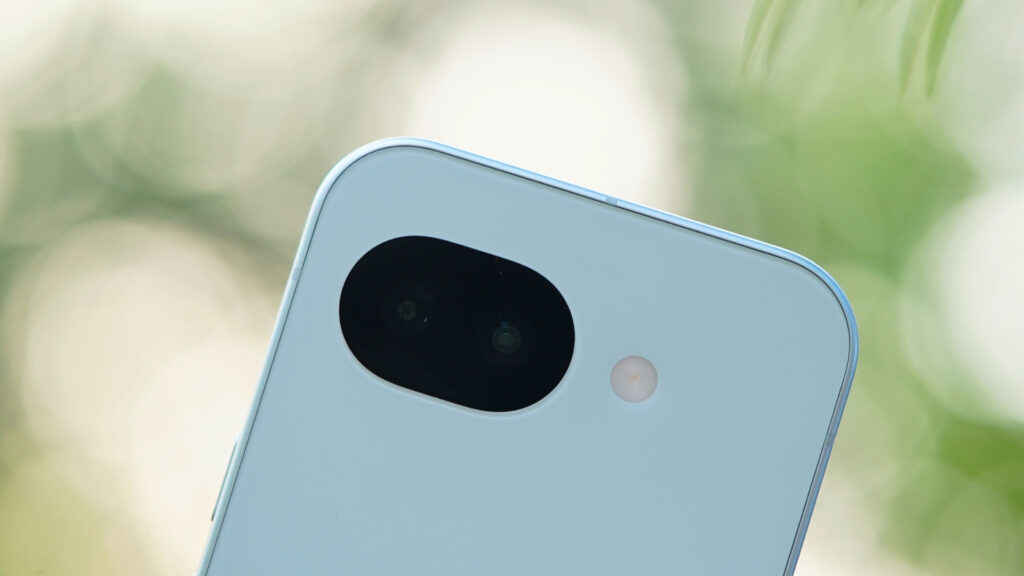
The Pixel 10a’s camera system includes a 48 MP primary sensor, a 13 MP ultrawide with a 120° field of view and a front camera. There is no dedicated telephoto. Google offers a 2x lossless crop from the primary that performs better than most digital zoom operations. It’s clean and usable at 2x, though quality falls away at 3x and beyond, at which point the phone moves into standard digital territory.
Google’s computational photography pipeline produces results that consistently exceed what the specification sheet implies, particularly in dynamic range, highlight control and portrait accuracy.
In good light, the Pixel 10a’s processing signature is one of high contrast, deep shadows and strong edge sharpening. Architectural subjects such as stone carvings, building facades and fine surface textures come through with a tactile quality that suggests the processing is drawing detail out of the scene rather than smoothing over it. In shots of traditional carved architecture and multi-level buildings, the shadows fall realistically and with depth rather than being aggressively lifted. Dynamic range in mixed lighting is handled well, with highlights preserved and shadow detail recovered without the artificially flat look that over-aggressive HDR processing can introduce.
The Pixel 10a’s colour tuning leans cooler and punchier than the segment average. In flower macro shots, reds are saturated and vibrant, greens rendered deeply with clear differentiation between adjacent hues. The processing notably avoids clipping highlights on brightly lit saturated subjects, even red flowers in direct sunlight, an area where many camera systems struggle, handling delicate colour gradients more gracefully than rivals. The cooler white balance is consistent across conditions; it suits architectural and landscape subjects particularly well, though users accustomed to warmer, more immediately flattering results will notice the stylistic difference.
In portrait mode and selfies, rather than brightening faces or lifting shadow detail for an instantly pleasing result, the camera retains natural contrast and micro-contrast, producing portraits that represent the actual lighting conditions of the scene rather than applying a flattering retouch. Skin texture is preserved, lighting reads accurately and portrait edge detection is among the most precise at this price. For photographers who prefer the immediate warmth and brightness some other camera systems apply to faces may need time to adjust to the Pixel’s more neutral treatment, but the accuracy it delivers is not something easily replicated by processing.
Selfies are detailed in daylight and softer in low light, following the same pattern as the primary camera.
Low light is where the Pixel 10a’s processing advantage over rivals in this segment becomes most evident. In shots of neon-lit scenes, illuminated architecture and busy night markets, such as the shots taken at the Jama Masjid and the a restaurant, the camera does a particularly good job of suppressing bright point light sources. Signs, architectural uplighting and streetlamps stay contained rather than bleeding into surrounding areas. The night sky reads as appropriately dark in scenes where many phones tend to lift ambient light, preserving atmosphere and depth. In very dark conditions with moving subjects, some softness is visible, but static subjects in low light render with strong detail and well-managed noise.
The 13 MP ultrawide with a 120° field of view performs capably in good light, with natural rendering and lens distortion that is present but well-managed at the edges. In low light, noise and detail loss are more apparent, consistent with the sensor size.
Video from the primary sensor is stable, with effective handheld stabilisation for everyday scenarios. Some noise is visible in daylight footage, which becomes apparent when viewed on larger screens. It is not a weakness that limits everyday recording, but it is a limitation for users who prioritise video quality as a primary use case.
Verdict
The Google Pixel 10a is a phone that rewards the patient buyer. It does not have the fastest chip in its class and it will not win benchmark comparisons against rivals running more recent Snapdragon silicon. The 30 W charging is restrained by 2026 standards. The bezels are thicker than what competitors offer. The polycarbonate back is a material compromise at that price.
However, the display is accurately calibrated and bright enough for strong outdoor performance. The camera system is one of the most consistent and natural in its segment, with a low-light processing advantage that rivals at this price consistently fail to replicate. Pixel UI on Android 16 is the cleanest, most uncluttered Android experience available, with AI features that are practically useful rather than decorative. And the seven-year update commitment is a meaningful difference in what buying this phone actually means over the course of ownership.
For buyers who need faster hardware or optical zoom reach, better-suited alternatives exist at or near this price. But for buyers who want a camera that holds up across every condition, a software experience that stays out of their way and a phone that remains relevant and fully supported well into the next decade, the Pixel 10a makes its case plainly. It is not the most dramatic choice in its class. It is, by most everyday measures, one of the best.
Google Pixel 10A 5G Key Specs, Price and Launch Date
| Release Date: | 19 Feb, 2026 |
| Market Status: | Launched |