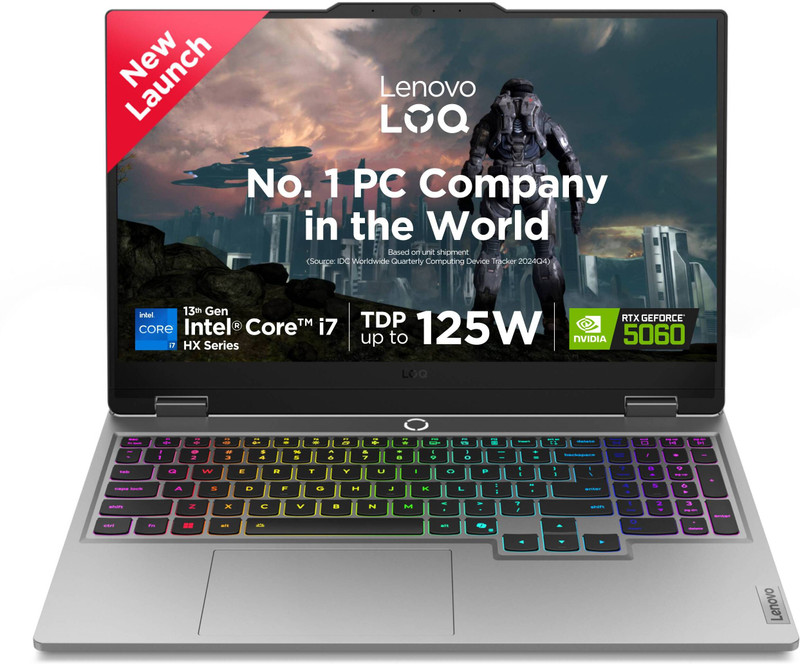
Lenovo LOQ 15IRX10 review: The end of the budget gaming laptop?
 Follow Us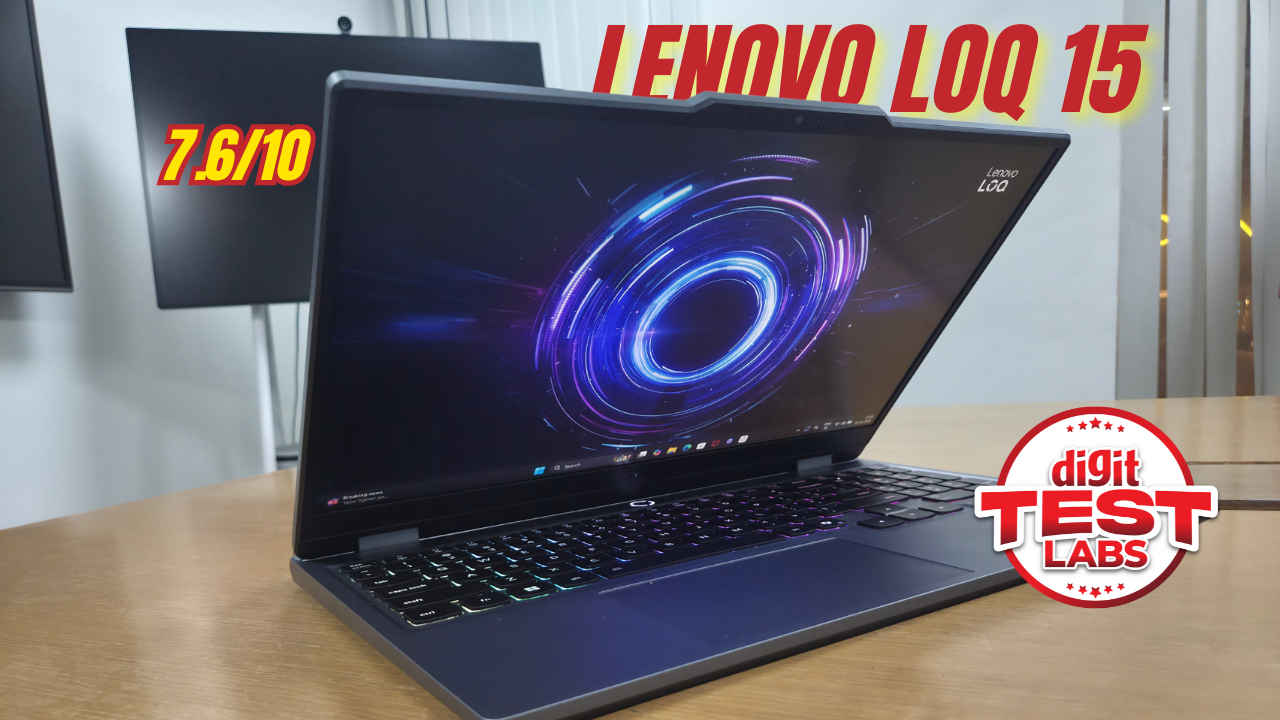

For years, the definition of a “budget gaming laptop” was simple: you paid under ₹1 Lakh, you got a decent mid-range GPU, a plastic body, and you accepted compromises. It was the entry point. The “cheap and cheerful” option. With the Lenovo LOQ 15IRX10, that definition is officially dead.
At ₹1,40,990, this machine commands a price tag that would have bought you a premium Legion or ROG Zephyrus just two years ago. Yet, it still wears the modest, plastic uniform of the entry-level LOQ series. This contradiction forces us to ask: Has the budget category disappeared, or has it simply evolved?
Packing the brand-new NVIDIA GeForce RTX 5060 (8GB GDDR7) and a desktop-class Intel Core i7-14700HX, Lenovo isn’t selling you a “starter” laptop anymore. They are selling you flagship firepower in a utilitarian wrapper. I spent a week with this machine to find out if this new breed of “premium-performance, budget-build” laptop can be the future of gaming. Here is what I found.
Also read: ASUS TUF Gaming F16 (2025) review: The beautiful, confused beast
Design and build: “If it ain’t broke…”
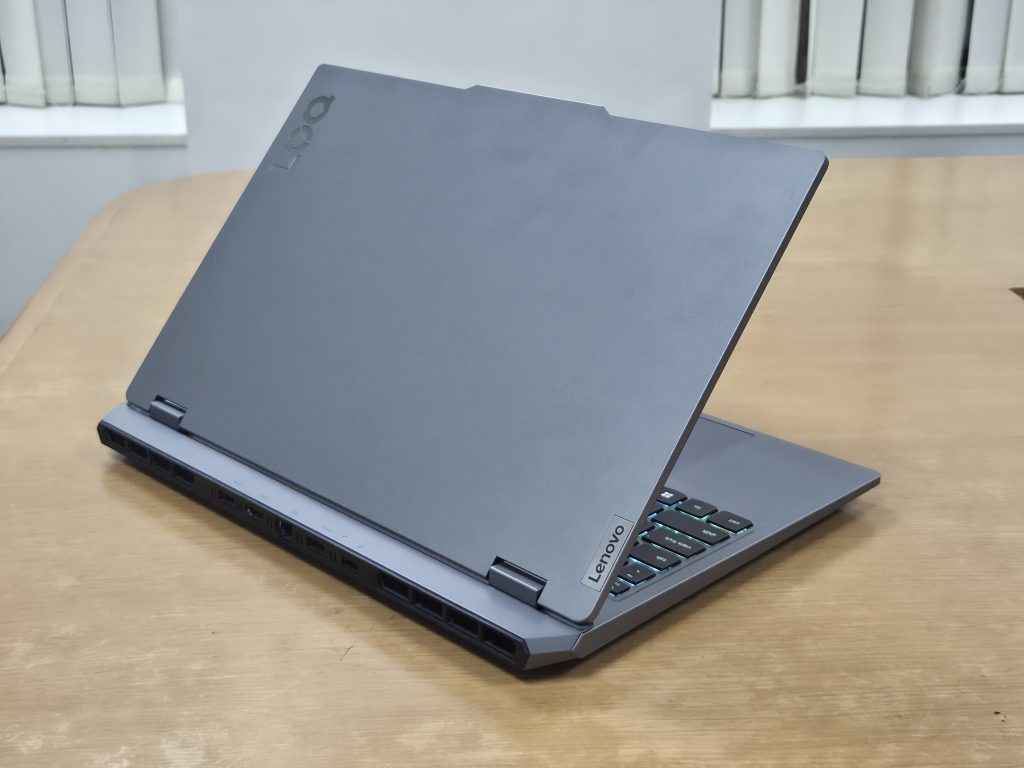
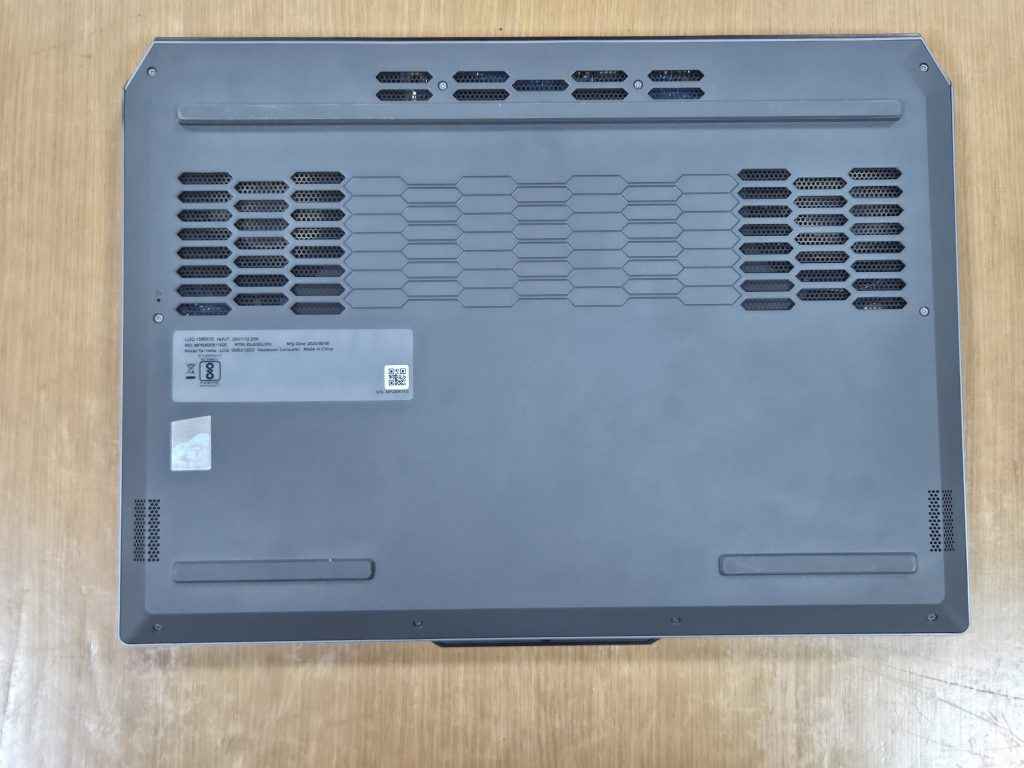
If you’ve seen a Lenovo LOQ from 2023 or 2024, you’ve seen this one. It retains that signature industrial grey aesthetic – utilitarian, stealthy, and entirely plastic (polycarbonate). While the chassis doesn’t scream “premium” like an aluminum MacBook or a Legion 7, it feels reassuringly sturdy. There’s minimal deck flex, and the hinge is solid, I could open it comfortably with one finger. It’s not trying to win a beauty pageant; it’s trying to survive your backpack. For a machine housing this much power, the weight is manageable at 2.4 kg, though you definitely won’t forget it’s there.
Port selection is practical for a gamer. You get 3x USB 3.0 ports, a USB Type-C port, HDMI, and a dedicated Ethernet port. However, a significant omission at this price point is Thunderbolt support. Despite rocking an Intel chip, you don’t get that lightning-fast connectivity for high-speed docks or external GPUs, which is a letdown for power users.
Display: The great resolution debate
Here is where things get complicated. The unit ships with a 15.6-inch FHD (1920×1080) 144Hz panel. I have to be critical here: At ₹1,40,990, a 1080p screen is a tough pill to swallow. In this price bracket, I would typically expect a QHD (1440p) or even a 4K panel, especially given that competitors often offer higher pixel densities for clearer text and sharper textures. If you are a content creator looking for 4K pixel-peeping precision, this omission might be a dealbreaker.
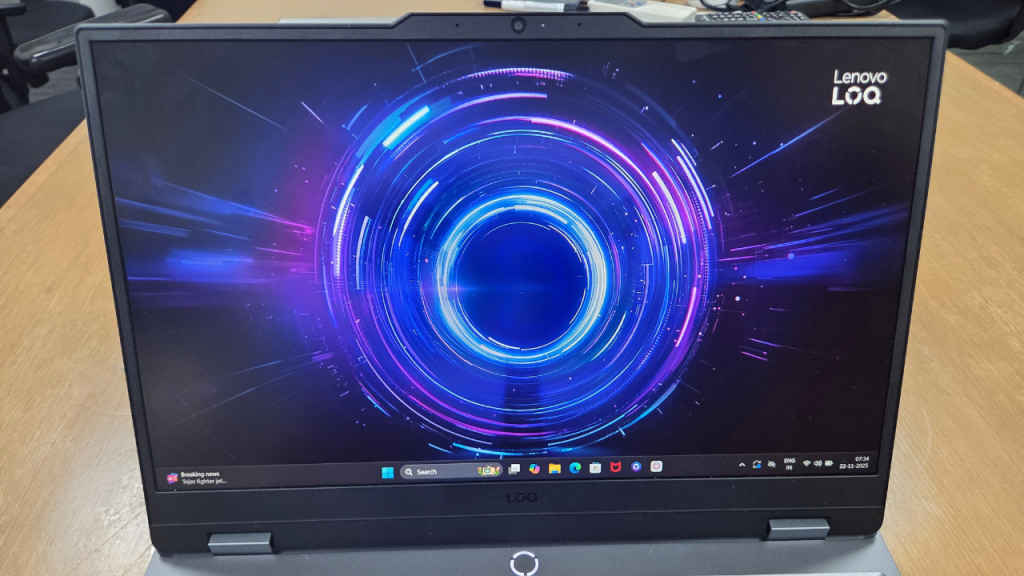
However, looking past the spec sheet, the actual experience is surprisingly competent. In my testing, the colors were punchy and vibrant, definitely not the washed-out 45% NTSC panels we used to see in budget gaming laptops. More importantly for competitive gamers, the motion clarity is excellent. Playing Valorant, I noticed zero ghosting or smearing, which is critical when you’re pushing high frames. Lenovo has clearly prioritized “Frames per Second” over “Pixels per Inch” here. It’s a polarizing choice, but for a pure gaming machine, it might be the right one.
Performance: Beyond the Spec Sheet
This is the part where the price tag starts to make sense. While the RTX 5060 is the headline act, the entire supporting cast – CPU, RAM, and Storage – is tuned for maximum throughput. This isn’t just a gaming laptop; it’s a portable workstation.
The Intel Core i7-14700HX is arguably the star of the show. With 20 cores (8 Performance, 12 Efficiency) and 28 threads, it is a massive leap over typical “H” series processors.
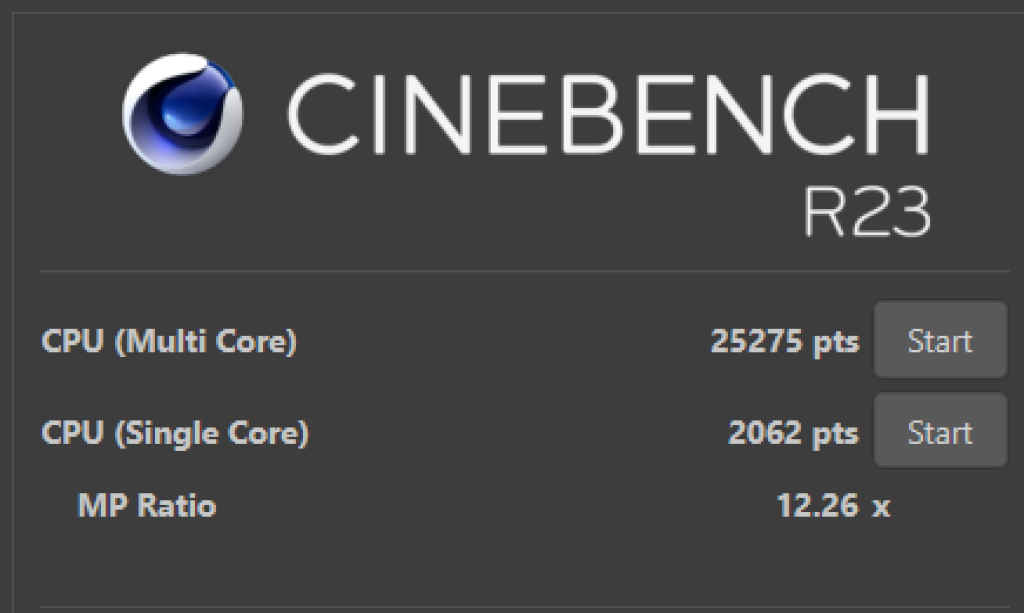
- Cinebench R23: The multi-core score of 25,275 is staggering. To put that in perspective, this chip rivals desktop CPUs from just a couple of years ago. It chewed through my rendering workloads without breaking a sweat.
- Single-Core Speed: A score of 2,062 in single-core performance ensures that snappy responsiveness in OS tasks and, crucially, high framerates in CPU-bound games like CS2 or Valorant.
- Geekbench 6: Scoring 17,474 in multi-core, this machine proves it can handle heavy multitasking. I had Premiere Pro rendering in the background while browsing with 20+ Chrome tabs, and the system didn’t stutter once.
Testing NVIDIA’s Blackwell architecture in a laptop confirms that the RTX 5060 is a serious step up, largely thanks to the new GDDR7 memory.
- Synthetic Power: A 3DMark Time Spy score of 10,823 and a Fire Strike score of 25,158 puts this comfortably ahead of the previous generation’s RTX 4060.
- Ray Tracing: With a Port Royal score of 6,171, it handles ray-traced lighting effects competently at 1080p, something mid-range cards historically struggled with.
Lenovo didn’t cheap out on the “boring” parts.
Also read: Oppo Find X9 Pro Review: A Flagship That Finally Feels Complete
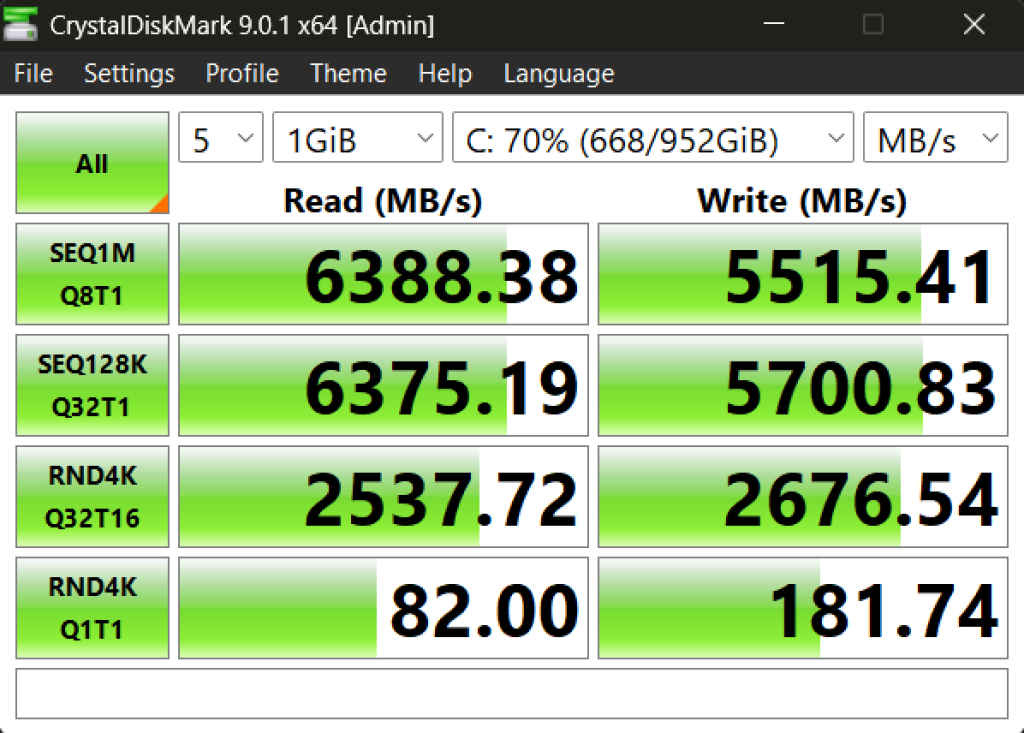
- RAM: The 32GB of DDR5 RAM clocking in at 5600MHz is blazing fast. In my AIDA64 tests, I saw read speeds of 86,641 MB/s. This huge bandwidth is why assets in open-world games load instantly without that annoying “pop-in.”
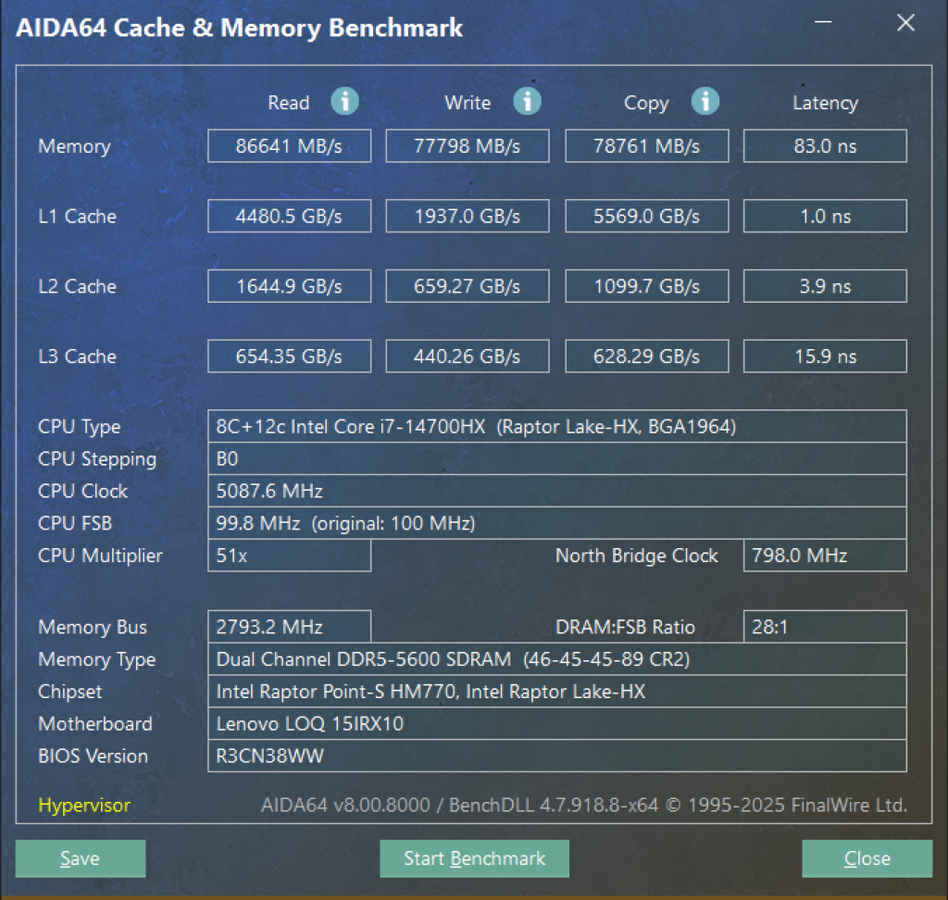
- SSD: The 1TB Gen 4 SSD is equally impressive, hitting sequential read speeds of 6,388 MB/s and write speeds of 5,515 MB/s. Game load times are practically non-existent; I was often the first one to load into the map in multiplayer matches.
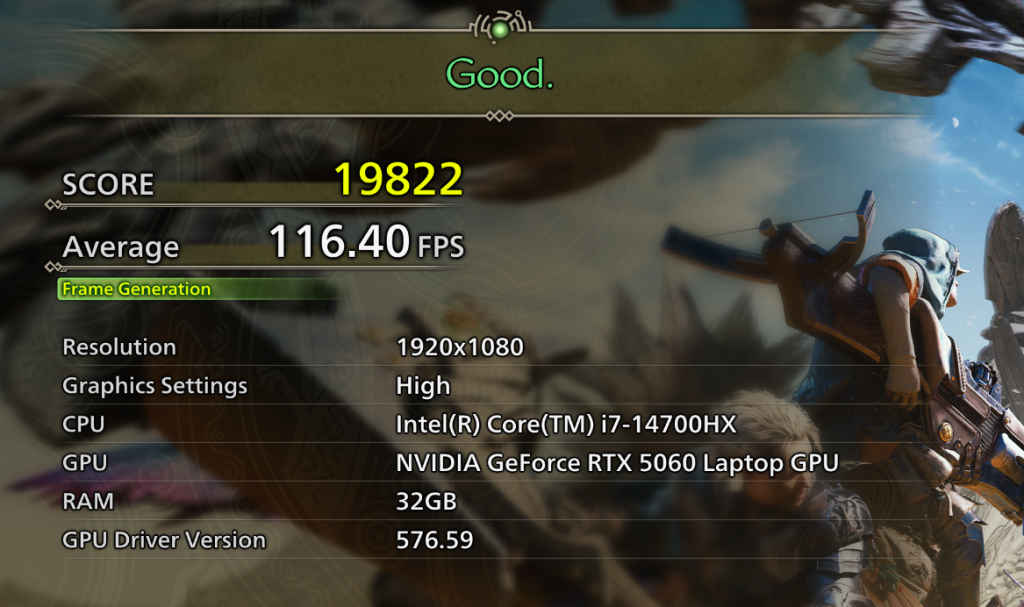
I also ran an extensive suite of games at 1080p High settings, and the results were buttery smooth. The combination of the high-clock speed i7 and the efficient RTX 5060 creates a machine that refuses to drop frames.
| Game Title | Average FPS (1080p High) | Analysis |
| Valorant | 316 FPS | You are fully saturating the 144Hz display here. The 1% lows were excellent, providing a glitch-free competitive experience. |
| Civilization VI | 218 FPS | Strategy games are usually CPU-heavy. The 14700HX eats this turn-processing logic for breakfast. |
| GTA V | 178 FPS | Even in chaotic scenes with explosions, the frame rate remained rock solid well above the refresh rate. |
| Shadow of the Tomb Raider | 149 FPS | A visually dense game that looks fantastic and runs effortlessly. |
| Dirt 5 | 124 FPS | Fast-paced racing felt incredibly responsive with low input lag. |
| Assassin’s Creed Valhalla | 116 FPS | Ubisoft’s open worlds are notoriously unoptimized, yet the LOQ handles the complexity easily. |
| Metro Exodus | 101 FPS | This is a heavy engine known for crushing GPUs. Staying above 100 FPS here is a testament to the RTX 5060’s raw power. |
Even in the most demanding titles like Metro Exodus, I never dipped below the glorious 100 FPS mark. The combination of the HX processor and the 50-series GPU means you have plenty of headroom for future AAA titles, especially with DLSS 4 in your arsenal.
Thermals & acoustics: Controlled chaos
Putting a 14th Gen HX chip in a plastic chassis is usually a recipe for thermal throttling. Lenovo has managed a clever balancing act here. During my stress tests, the CPU Core temperatures did hit 96°C, which is to be expected for high-performance Intel silicon pushing this many watts. However, the laptop didn’t choke or shut down.
Crucially, the surface temperatures remained comfortable where it matters. The WASD keys stayed at a cool 36°C, and the palm rests were comfortable. The heat is concentrated in the center of the keyboard (hitting roughly 42.5°C), which you rarely touch while gaming. As for noise? It’s a “low whoosh.” Unless I was running a synthetic torture test, the fans were surprisingly well-behaved. It doesn’t sound like a jet engine taking off during normal gaming sessions.
A Note on Reliability: I know the 2024 LOQ Intel models had a reputation for motherboard issues and battery drain while plugged in. I am happy to report that during my testing period, I faced zero random restarts, freezes, or dead pixels, and the battery percentage held steady even during long gaming sessions. It seems Lenovo has ironed out the kinks for the 2025 refresh.
Verdict: The ultimate sleeper
The Lenovo LOQ 15IRX10 forces us to rethink what we pay for. At ₹1.4 Lakhs, it’s easy to scoff at the plastic build and 1080p screen. But that misses the point entirely. This laptop strips away the vanity metrics – the metal finish, the 4K pixel density, the Thunderbolt certification – and reinvests every single rupee into the only thing that actually helps you win games: Speed.

This is a machine for the gamer who realizes that a CNC-milled chassis doesn’t improve your K/D ratio. It is pure, concentrated firepower. The budget gaming laptop isn’t dead; it just graduated to the big leagues. Buy it if you care about framerates, render times, and future-proofing above all else. Skip it if you need a premium metal build, Thunderbolt connectivity, a 4K screen for creative work, or all-day battery life to pair with the performance.
Also read: Vivo X300 review: New generation, fresh energy
Lenovo LOQ 2025 15IRX10 83JE00U5IN Gaming Laptop Key Specs, Price and Launch Date
| Release Date: | |
| Market Status: | Launched |