
Xiaomi 17T Review: The return of fan-favourite formula
 Follow Us

To say that the smartphone market has been going through an interesting phase over the past few months is an understatement. Increasing component costs, expensive chipsets and the ongoing geopolitical uncertainties have steadily pushed prices upwards across the categories. Be it the entry-level phones, flagship devices, camera phones or even performance-centric devices, brands are finding it increasingly difficult to deliver top-tier hardware for the price without passing some of that burden onto consumers. Take the example of the recently launched high-end phones: the Vivo X300 FE and the Oppo Find X9s. Both have capable hardware and premium ambitions, but they also sit higher on the price ladder than many expected. And due to this, a familiar gap has quietly re-emerged in the market, the space once occupied by ‘flagship killer camera phones,’ which delivered the crème de la crème flagship experience without costing like an actual flagship.
Now, to fill this familiar gap, Xiaomi has come up with a familiar T series device in India, the Xiaomi 17T. While it’s been a good while since we last saw a T-series phone, I guess it was the Xiaomi 11T Pro back in the day. But, generally speaking, during its peak, the Xiaomi T phones had their fair share of attractors and sold well.
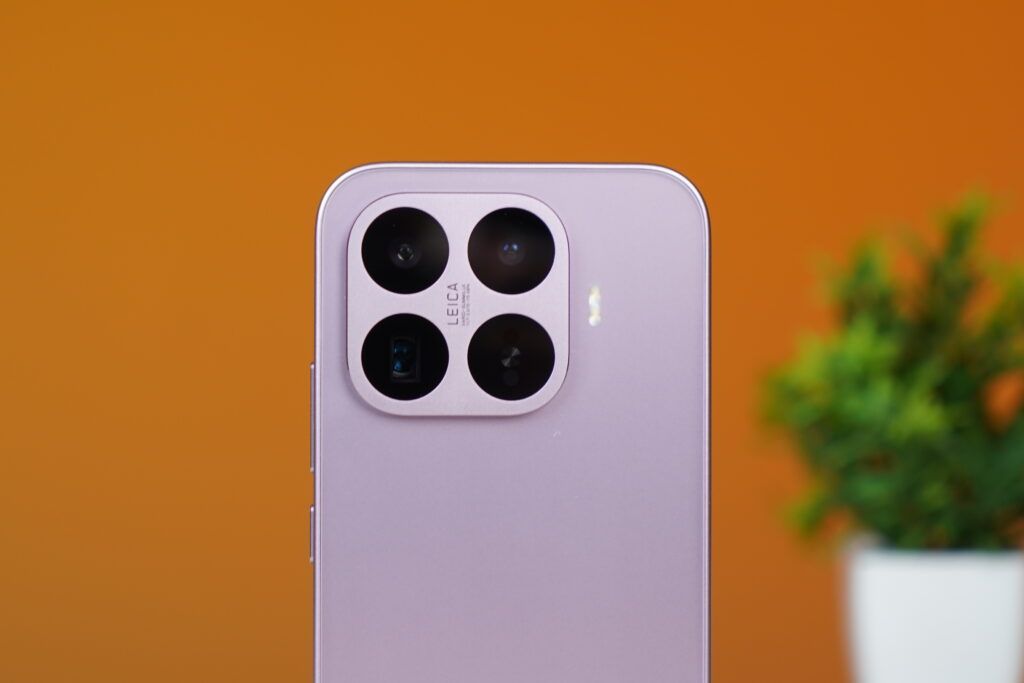
With the 17T, Xiaomi wants to rebuild on that legacy through a new strategy: refined design, Leica-tuned cameras, a high-end display and the latest HyperOS 3 experience. On paper, it sounds like a compelling package. But in a market where ‘premium’ increasingly comes with a premium price tag, the bigger question is whether the Xiaomi 17T still delivers the value proposition that once defined the T-series. After spending about two weeks with the device, here’s what I think.
Xiaomi 17T: Design and build
The Xiaomi 17T made a strong first impression on me, and it didn’t even need any flashy gimmicks. The 6.59-inch form factor looks cute and feels like a sweet spot, specifically in today’s smartphone market. During extended use, the phone is comfortable to hold, and whether you are browsing social media, watching content, or using the camera, most people should be just fine with it.
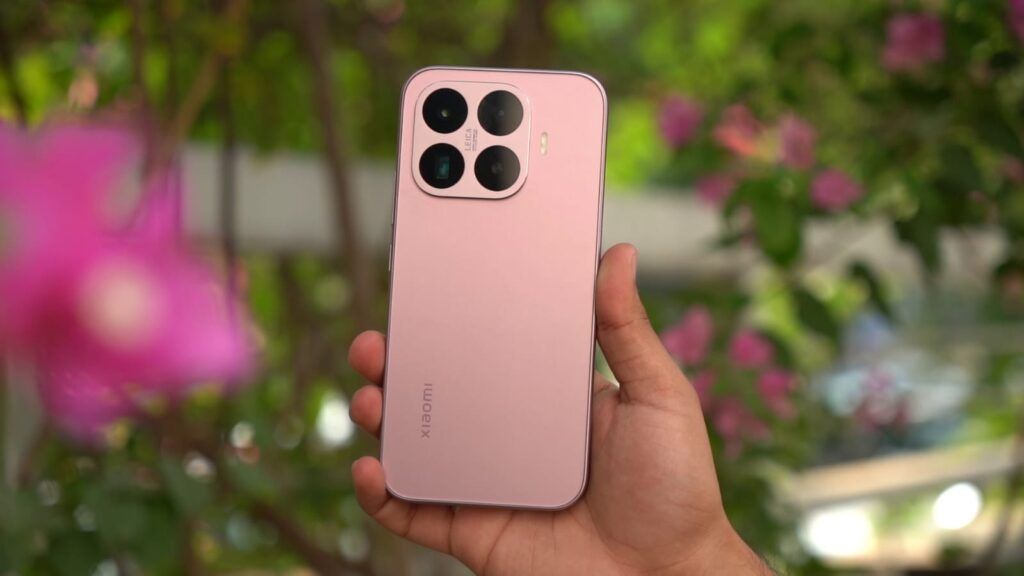
In terms of the design, the flat front and rear panels are paired with subtly curved edges around the frame, giving the 17T a cleaner look while also improving ergonomics. The highlight is Xiaomi’s Metallic Deco camera module, which immediately draws attention and reinforces the phone’s imaging-focused positioning. The Leica branding is there on the camera island, and it certainly sets the expectations.
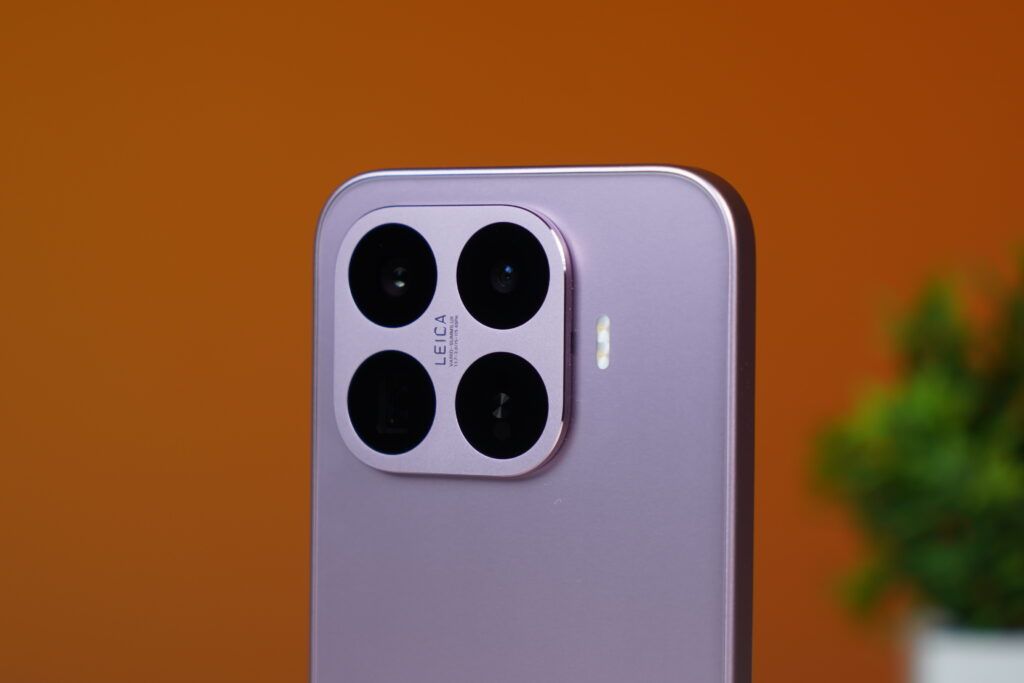
While the phone looks and feels premium in hand, Xiaomi has opted for a plastic frame on the 17T. However, this does not raise big questions as Corning Gorilla Glass 7i protects the device’s display, and the phone also carries an IP68 rating for dust and water resistance.
For the front profile, Xiaomi has used extremely slim 1.5mm bezels, which help maximise screen real estate and contribute to a more immersive viewing experience. The display appears almost edge-to-edge from certain angles, giving the phone a distinctly premium look.
Xiaomi 17T: Display
The Xiaomi 17T comes with a 6.59-inch AMOLED display with a 1.5K resolution, a 120Hz adaptive refresh rate and support for Dolby Vision, HDR10+ and 12-bit colour depth. Xiaomi has also equipped the panel with a peak brightness rating of 3,500 nits and paired it with multiple TÜV Rheinland certifications for low blue-light, flicker-free operation, circadian-friendly viewing and intelligent eye care. On paper, it is a display designed to appeal to both content consumers and creators, with Xiaomi positioning it as a screen optimised for everything from HDR streaming to colour-sensitive editing.
In everyday use, the display on the 17T looks and feels impressive. The 1.5K resolution strikes a sweet spot between sharpness and efficiency, delivering crisp text, detailed visuals and excellent clarity without feeling unnecessarily demanding on the battery. Colours look vibrant, while the 12-bit panel helps produce smoother gradients and more natural transitions, particularly when viewing HDR content.
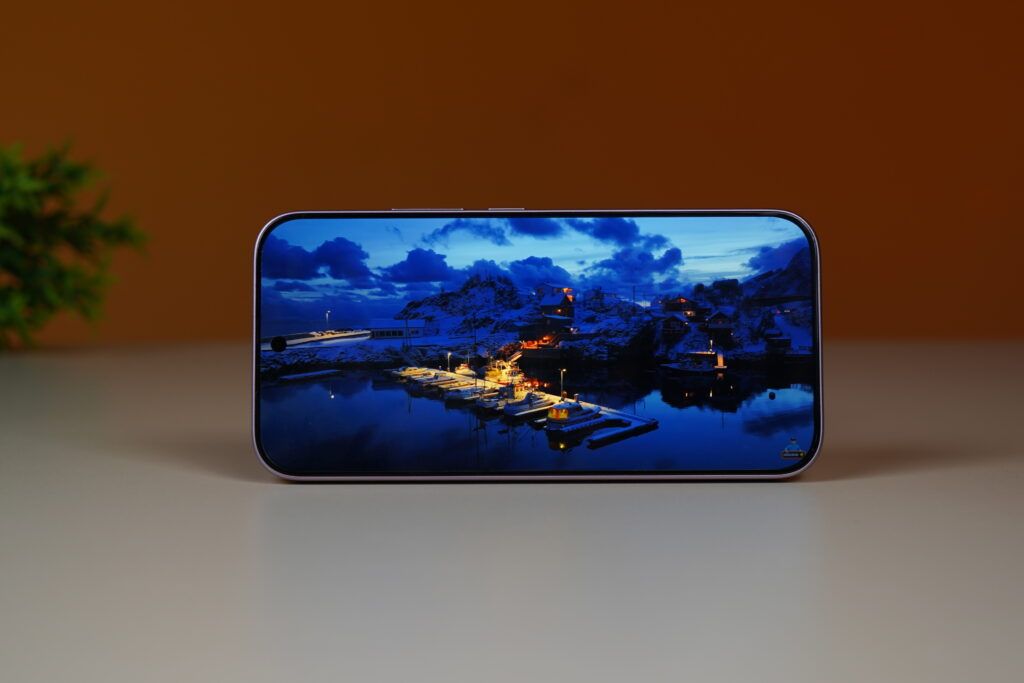
The display’s HDR credentials are also backed by real-world performance. Support for both Dolby Vision and HDR10+ means it can take full advantage of content available across major streaming platforms. Whether you’re watching movies, binge-watching a TV series or scrolling through HDR-supported content online, the panel delivers the contrast and colour depth needed to make those formats worthwhile. Blacks are deep, highlights are punchy, and the overall viewing experience feels immersive.
In our testing, the display reached 1,760 nits in High Brightness Mode (HBM), which reflects the panel’s ability to illuminate the entire screen under challenging lighting conditions. During HDR playback, brightness peaked at around 3,300 nits, allowing highlights to stand out effectively and ensuring HDR content retains its intended impact. Outdoor visibility is also excellent, and readability under direct sunlight is rarely a concern.
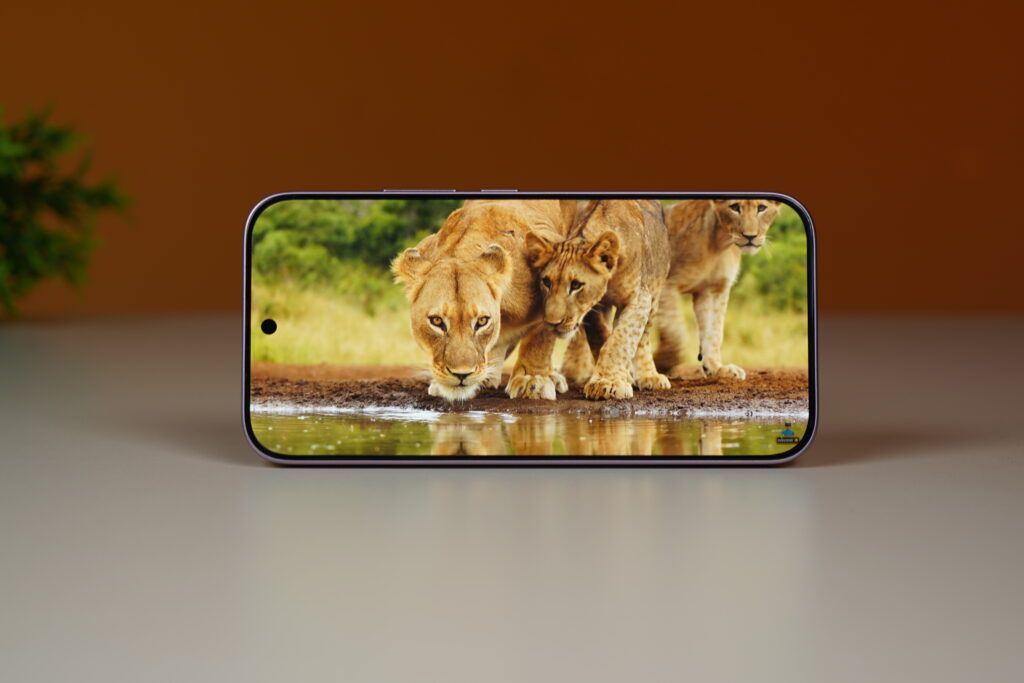
On the other hand, animations are also fluid, scrolling feels smooth and interactions remain responsive throughout the interface. HyperOS 3 deserves some credit here as well, as the software appears well-optimised on the Xiaomi 17T.
Xiaomi 17T: Performance
Performance is perhaps the most interesting aspect of the Xiaomi 17T because it largely depends on what you expect from the phone. At this price point, many enthusiasts would naturally look for a flagship-grade chipset that competes directly with performance-focused devices such as the iQOO 15, Motorola Signature, OnePlus 15R and more.
Xiaomi, however, appears to have taken a slightly different route with its T series this time and moved towards a camera-focused USP that changes the conversation completely.
The Xiaomi 17T is powered by the MediaTek Dimensity 8500-Ultra, built on a 4nm process and featuring an octa core architecture with clock speeds reaching up to 3.4GHz. It is paired with 12GB of LPDDR5X RAM and a cooling chamber, which Xiaomi calls a 3D IceLoop system. It also says the platform has been specifically optimised for computational photography, AI-assisted imaging, 4K video editing and sustained camera workloads, all of which align with the phone’s camera-first positioning.
In day-to-day experience, the Xiaomi 17T performs well. I used it for a few days, juggling social media apps, multiple Chrome tabs, messages and other productivity apps. And the device gave me no reason to complain. The HyperOS 3 also deserves some credit here. The software feels well optimised and helps maintain a smooth user experience. Good thing? You get extended 6-year software support as well.
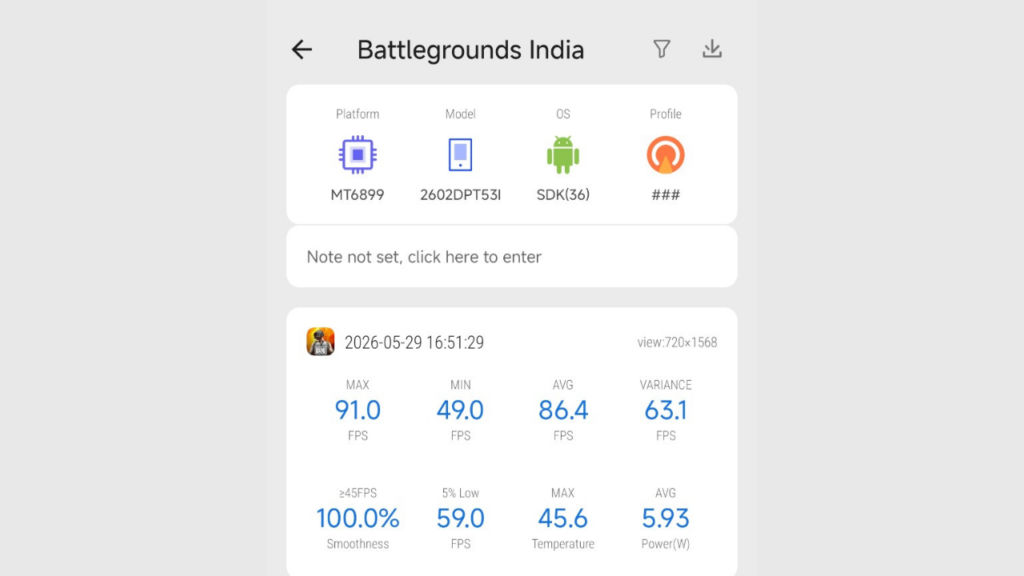
If you are a gamer, there is ‘something’ for you as well. We tested BGMI on this phone, and the game ran smoothly and consistently, giving an average of 86 FPS during the gameplay session. The touch response is quick, the frame pacing is also stable, and the overall experience is quite reliable but of course, you cannot compare it with other performance driven competitors. The device does get warm during extended gaming sessions, but the temperature remains manageable.
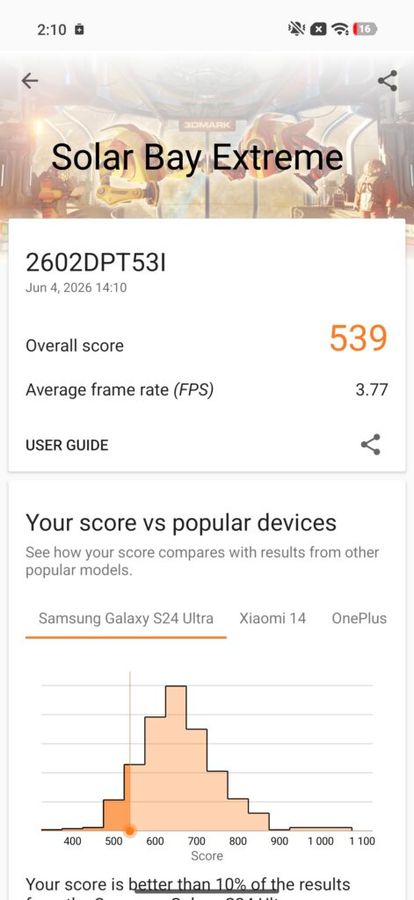
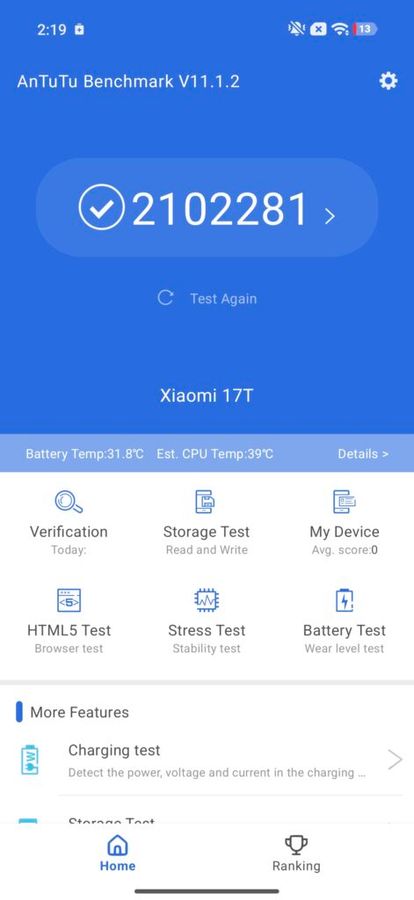
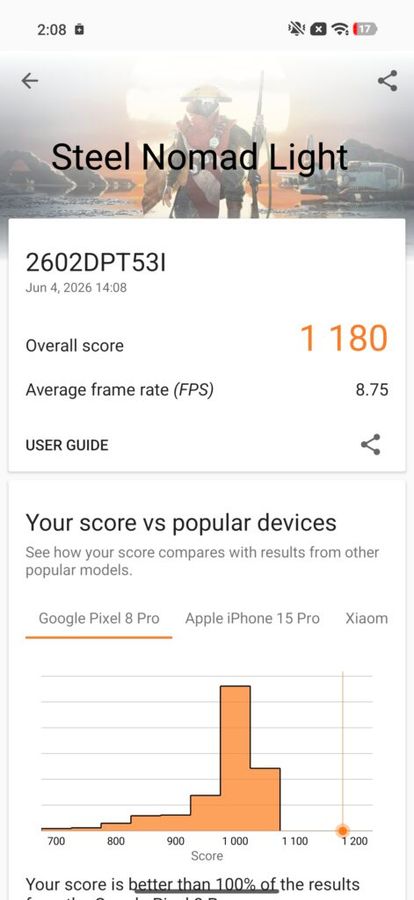
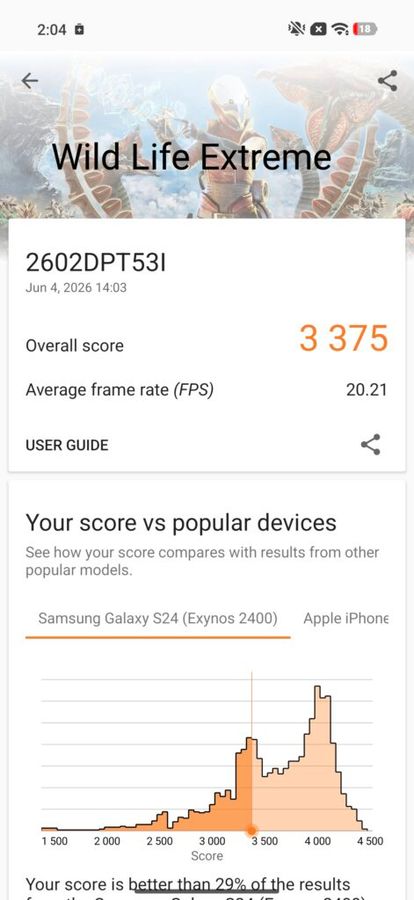
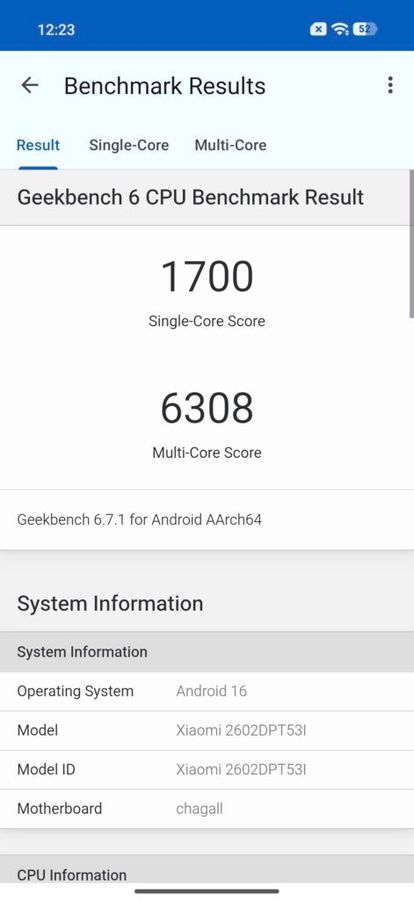
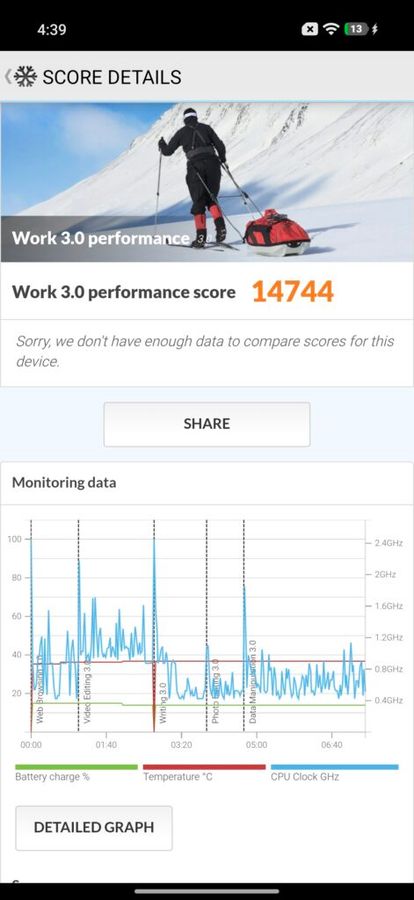
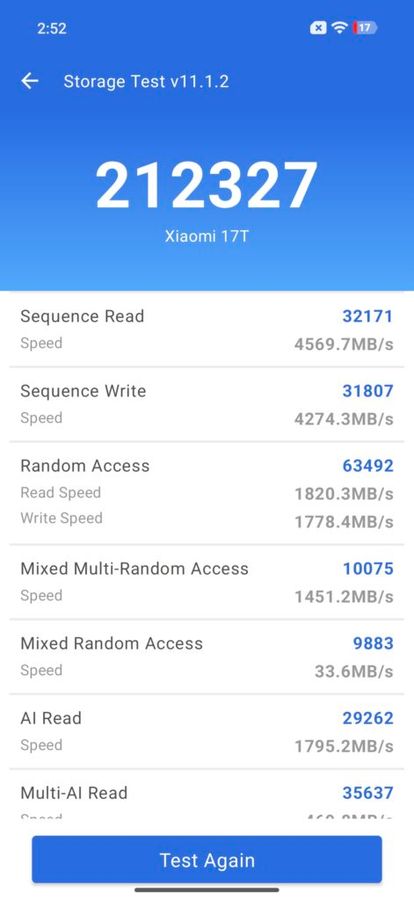
Benchmark results also back the experience. We ran multiple tests, and it scored well. In our testing, we got Antutu score- 2102281, 3DMark Wild Life Extreme- 3375, PCMark Work 3.0 score of 14,744, Geekbench 6- 1,700 for single-core and 6,308 for multi-core workloads.
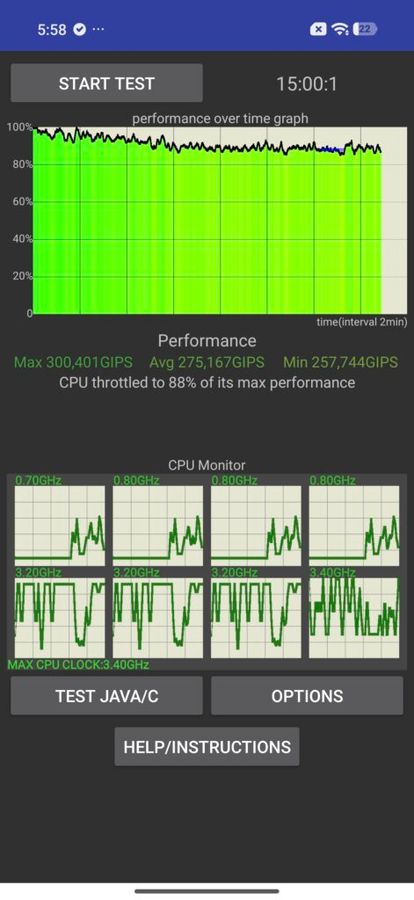
Lastly, the Xiaomi 17T maintained 88 per cent of its peak performance in the CPU throttling test, which is an excellent result and suggests that the cooling system is doing its job effectively. More importantly, it performs better than several competing devices in the segment. So, for me, the Dimensity 8500-Ultra may not be the most aggressive, but it gets the job done.
Xiaomi 17T: Battery
While much of the attention on the Xiaomi 17T revolves around its cameras and display, the battery experience plays a big role in making the overall package feel dependable. The device packs a sizable 6,500mAh Silicon-Carbon (SiC) battery, with 16 per cent silicon-carbon content.
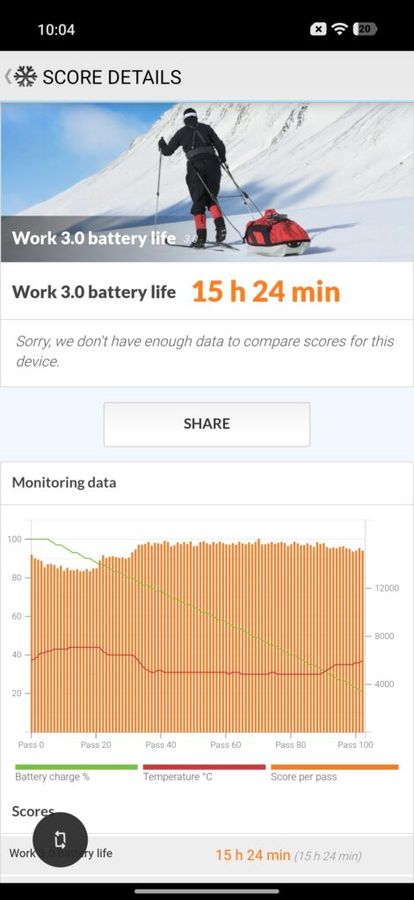
In real-world use, the Xiaomi 17T delivers the kind of battery life that camera-centric users will appreciate. During our PCMark Battery Life test, the phone lasted an impressive 15 hours and 24 minutes.

This means, for moderate users, the Xiaomi 17T can realistically stretch into a second day before requiring a charge. Even heavier users are likely to end most days with enough battery remaining to avoid reaching for the charger early.
Charging speeds are practical and not class leading. The device supports 67W wired charging, allowing the large battery to go from near empty to full in a little over an hour. Another useful addition is support for 22.5W reverse wired charging. This makes the battery aspect a complete package.
Xiaomi 17T: Camera
Now comes the most interesting and the main segment. Obviously, the Leica partnership brings some credibility to the table, and it actually brings more weight to the conversation. The Xiaomi 17T features a triple-camera setup comprising a 50MP Sony IMX906 primary sensor with OIS, a 50MP Samsung ISOCELL JN1 telephoto camera offering 5x optical zoom and a 12MP ultra-wide camera with a 120-degree field of view. On the front, Xiaomi has included a 32MP selfie camera.
Alongside the hardware, Xiaomi has bundled several Leica-centric features, including Leica Authentic and Leica Vibrant colour profiles, Leica Portrait modes, Leica Live Moment capture, and its AI-powered AISP computational photography pipeline designed to improve HDR, colour science, portrait rendering and exposure balancing.
In everyday use, the primary camera does the job well and generally delivers good results. Images are sharp, detailed and rich in micro-contrast, with good dynamic range that helps retain details in both bright highlights and darker shadow regions. What I don’t like, but most of you may like, is Xiaomi’s image processing. It leans towards a visually appealing style rather than strict realism. Colours appear punchy and contrast is elevated, making images look ready for social media sharing straight out of the camera, but sometimes a little overexposed. And if you are by my side, there is a Leica Authentic mode, which offers flatter tones and slightly more natural result.
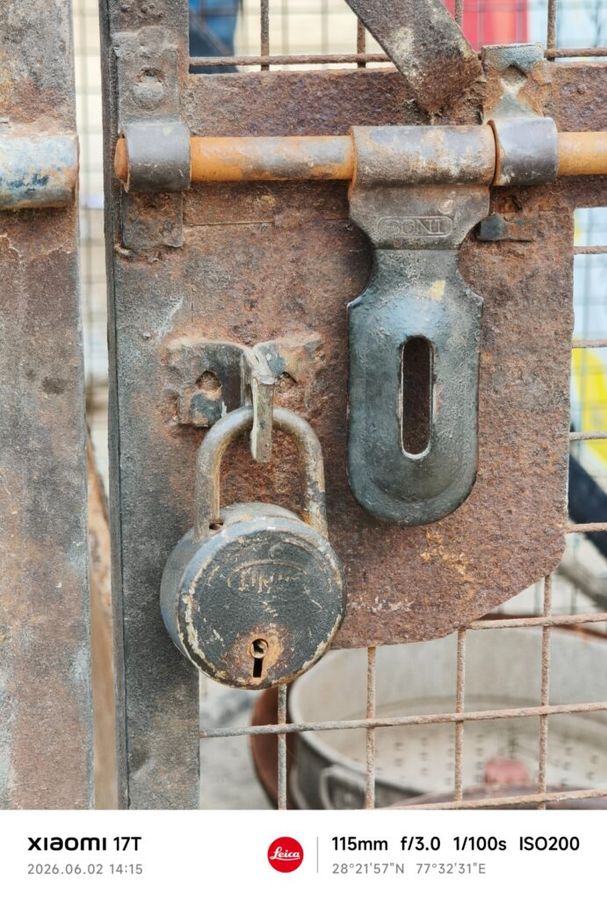
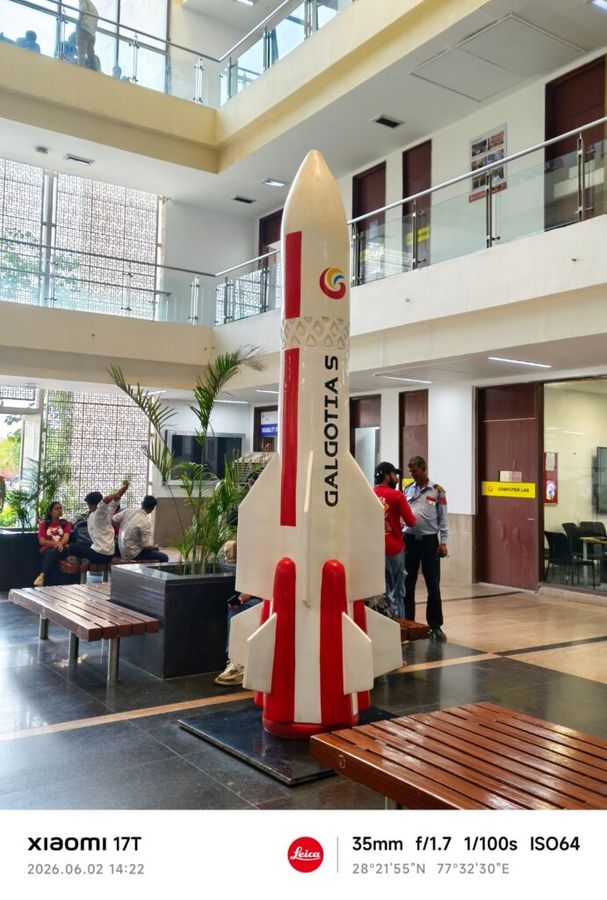
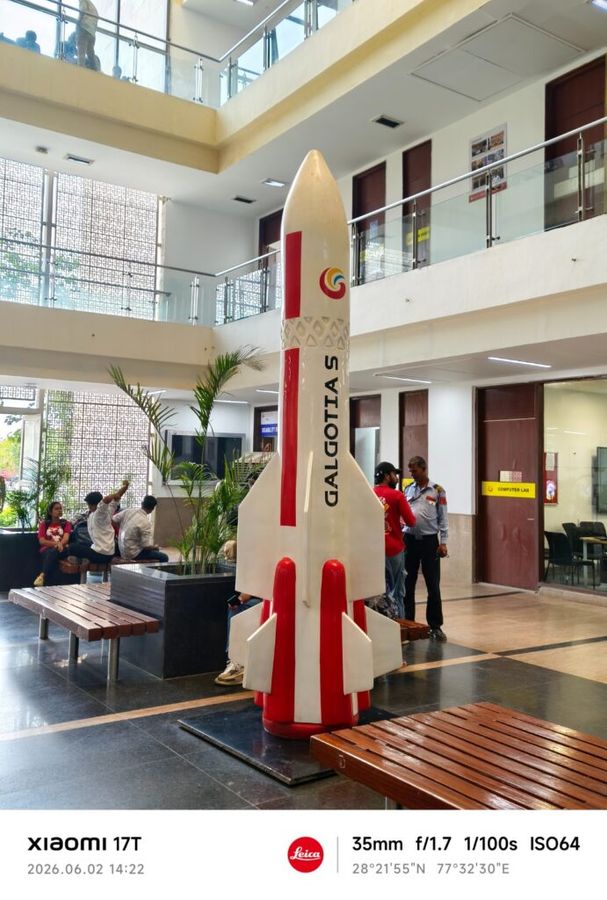
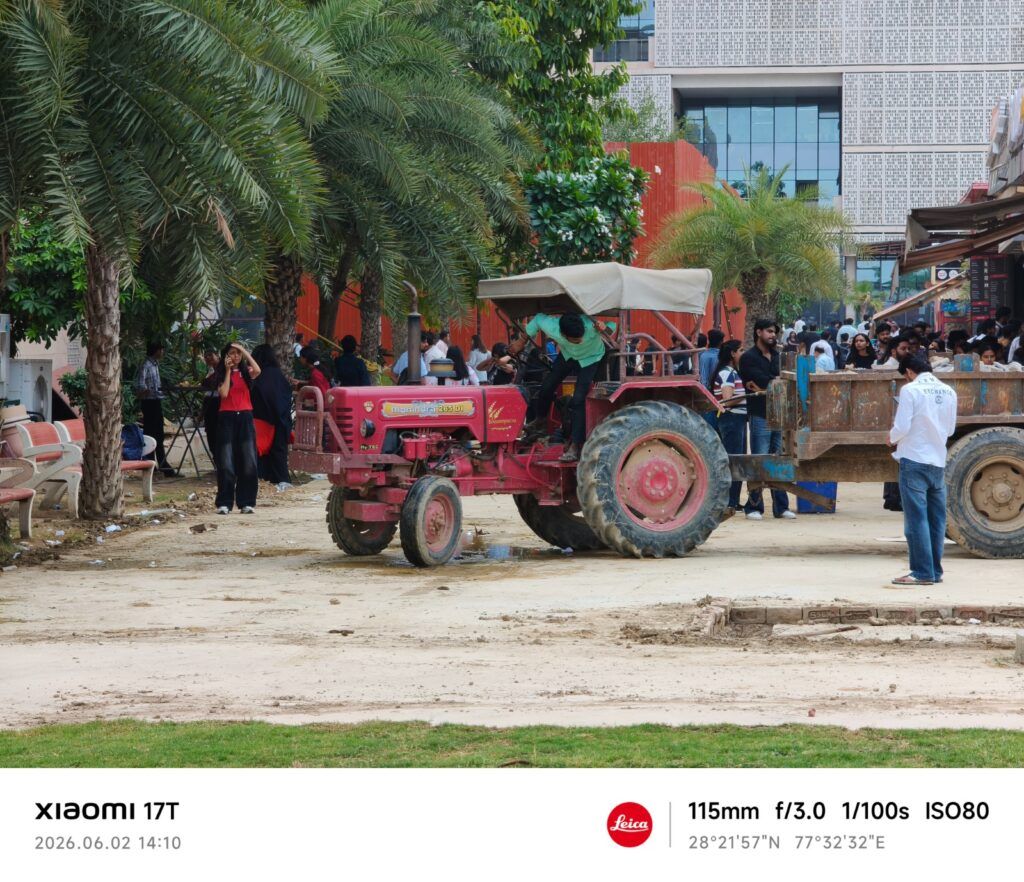




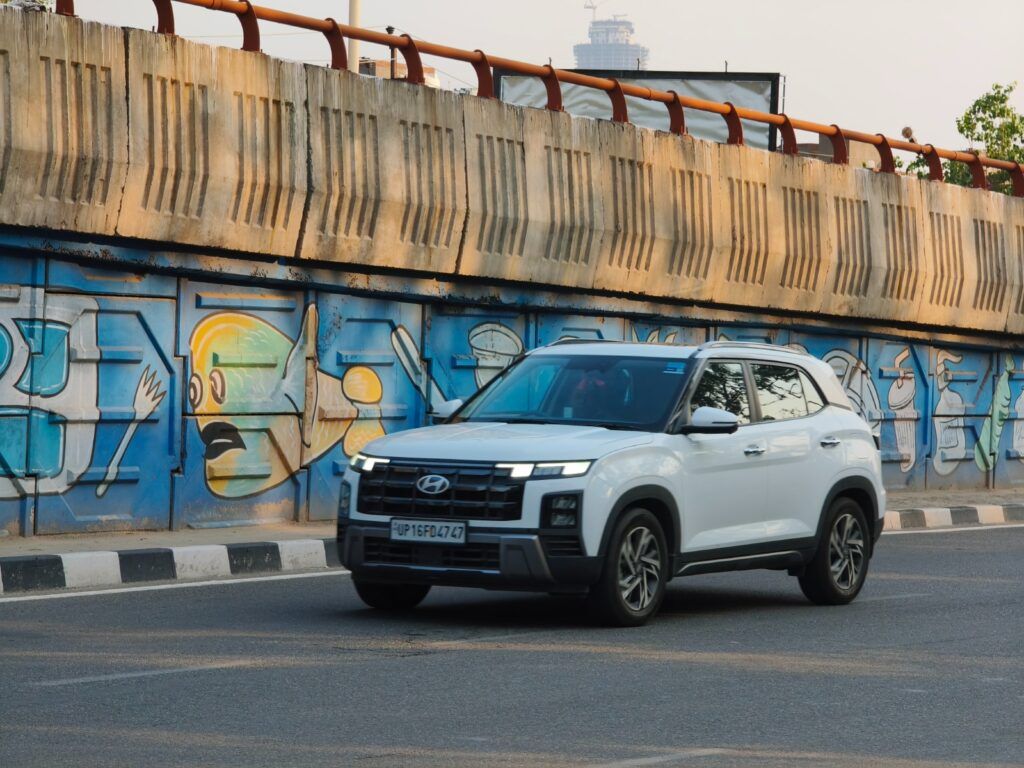




Before jumping to the telephoto, let’s talk about consistency. Leica tuning brings a character to images without becoming overly aggressive and Xiaomi’s AISP processing pipeline generally does a good job balancing exposure across challenging scenes. HDR performance is particularly effective, helping preserve skies and highlight details without creating the overly processed look.
The telephoto camera is great for what it’s made for: portraits and moderate zoom photography. During daylight, it captures pleasing images with good detail levels and natural perspective compression.
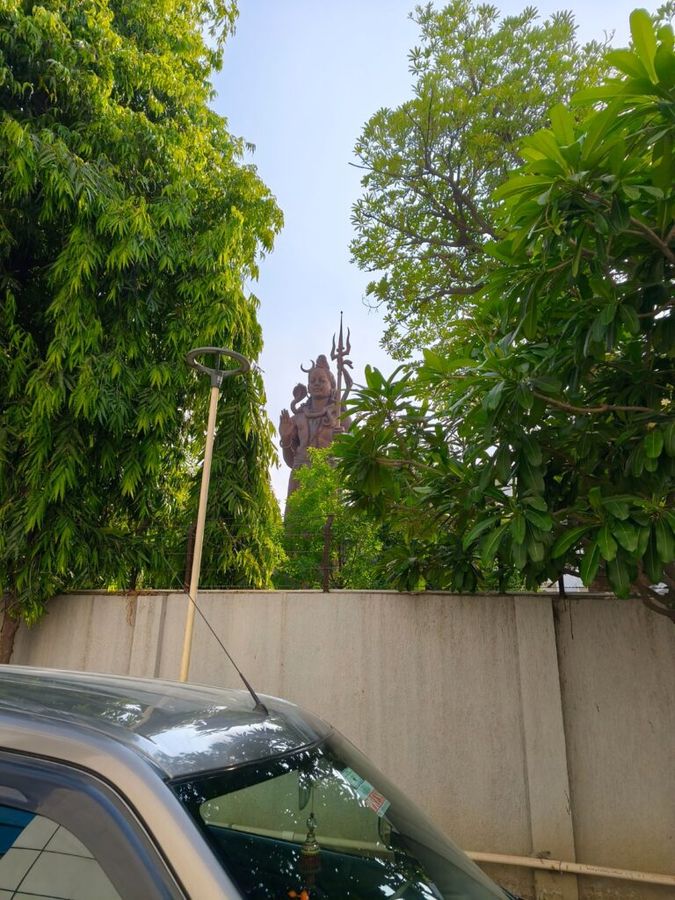
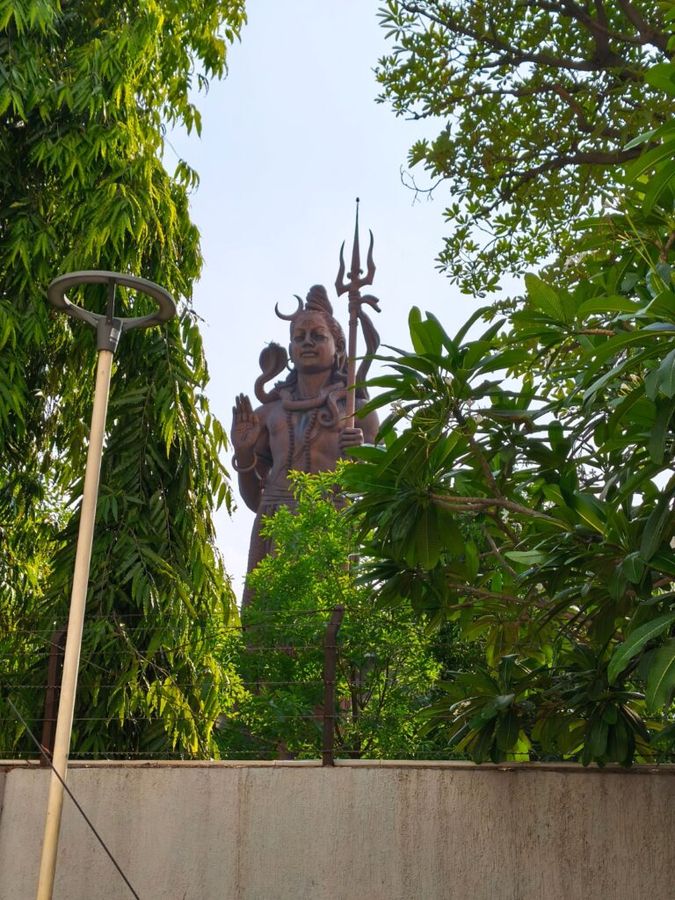
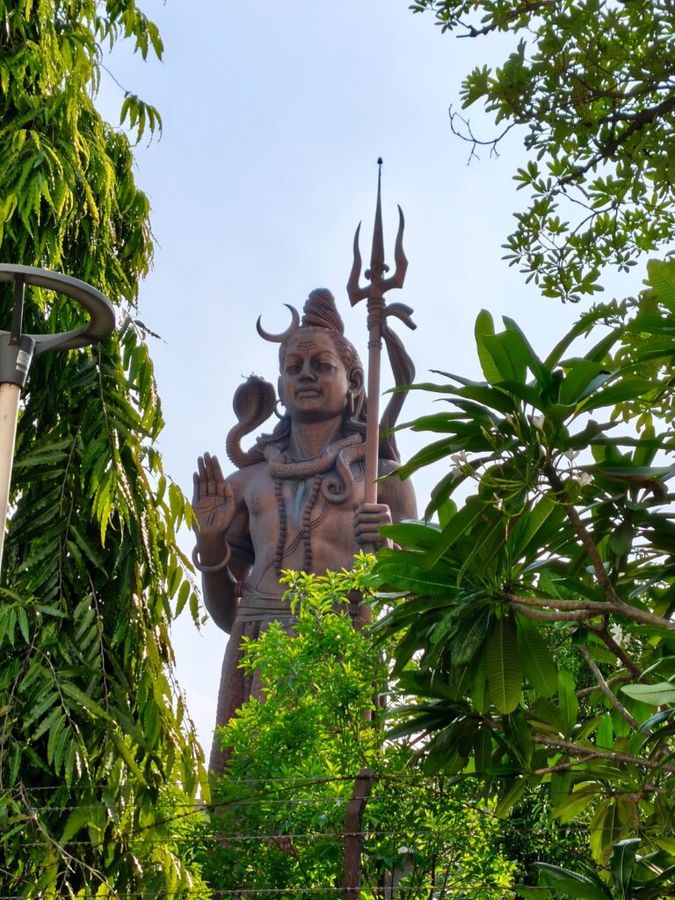



Portrait photography is the strongest aspect here. The Leica’s portrait modes offer multiple focal length options and produce good background separation. Subject detection is generally reliable, skin tones remain natural and edge detection performs well around hair and more complex subjects.





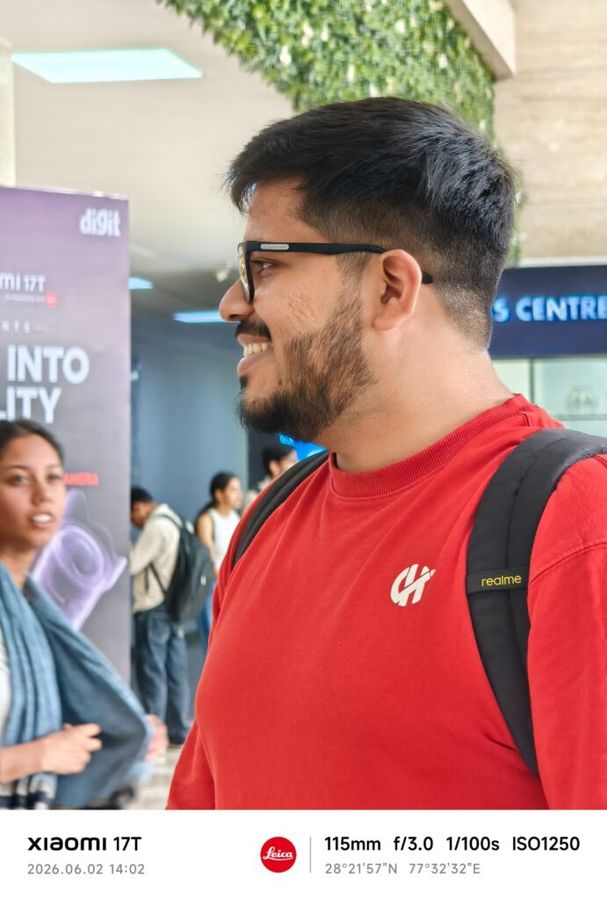
The 12MP ultra-wide camera performs decently. Distortion control and colour consistency remain reasonably good, but I expected a better performance, specifically looking at the imaging first positioning. The lack of autofocus also feels like a missed opportunity.
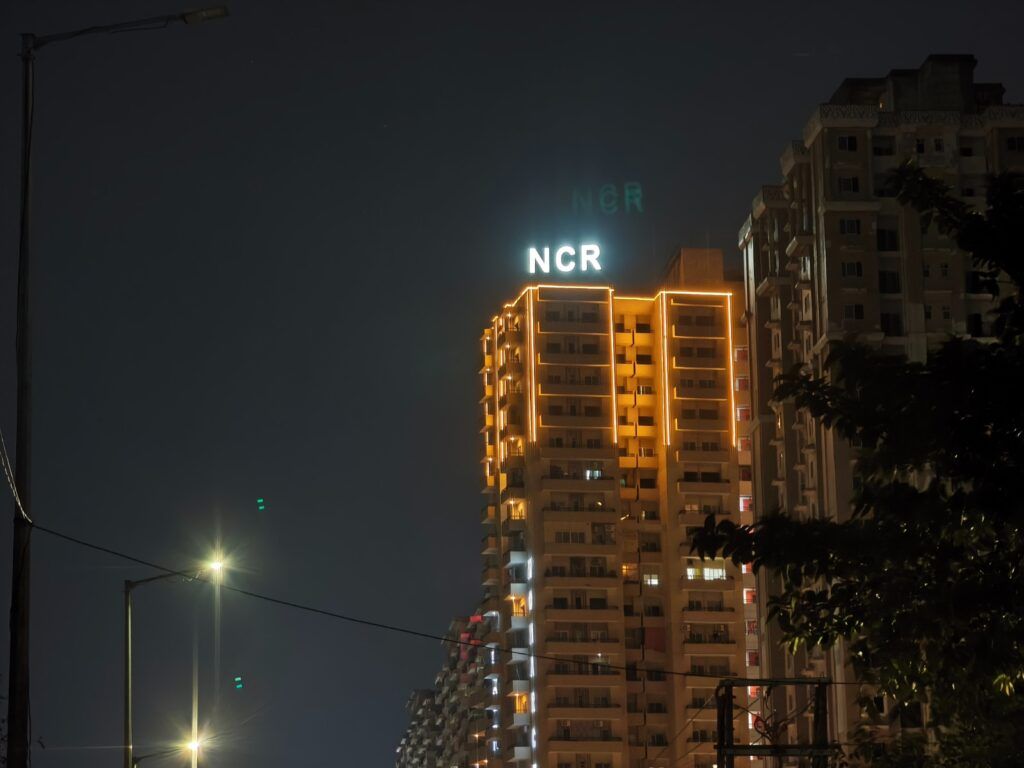
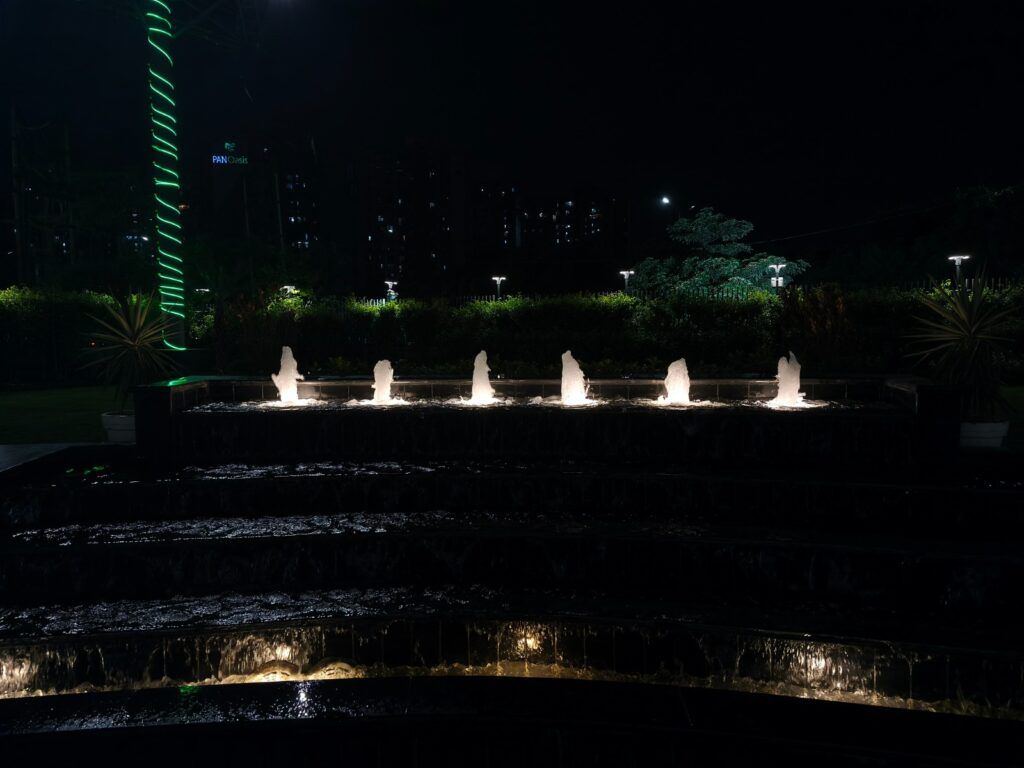
Low-light photography will not get really good marks from me. Even after the night mode activates automatically when required, you would struggle with noise effectively and contrast, sometimes with white balance leaning towards a warmer tone. However, it handles the light well, and after some effort and patience, you can click some good images.



Xiaomi 17T Verdict: Should you buy it?
The Xiaomi 17T arrives at a time when the gap between premium smartphones and true flagships is becoming increasingly difficult to define. At Rs 60,000, it doesn’t try to be the fastest phone in its segment. Instead, Xiaomi has built a device that focuses on delivering a well-rounded flagship-like experience with a particular emphasis on photography.
The Leica-tuned camera system remains the biggest highlight. The primary camera consistently delivers detailed and visually pleasing images, while features such as Leica colour profiles, strong HDR processing and capable portrait modes help the phone stand apart from many rivals in this price range. The display is another strong point, offering excellent brightness, vibrant colours and support for every major HDR standard, making it equally enjoyable for content consumption and content creation.
Performance, meanwhile, is dependable rather than class-leading. The Dimensity 8500-Ultra handles everyday tasks, multitasking and gaming comfortably, while its impressive sustained performance ensures the phone remains stable during longer workloads. Battery life is equally reassuring, with the large 6,500mAh silicon-carbon battery easily lasting a full day and often stretching beyond that for moderate users.
That said, the Xiaomi 17T is not without compromises. Buyers looking for the most powerful chipset available at this price may feel that Xiaomi has prioritised cameras over outright performance. The telephoto camera, despite Xiaomi’s marketing around zoom photography, comes with some limitations in challenging lighting conditions and at higher zoom levels.
But if you would ask me, the Xiaomi 17T is a solid champion to consider at this price point, but seeing the current market landscape and the challenge it faces in terms of its competing peers, this is going to be a tough fight.
Xiaomi 17T Key Specs, Price and Launch Date
| Release Date: | |
| Market Status: | Launched |


