
Samsung Galaxy A27 review: More Samsung than surprises
 Follow Us

If you are in the market looking for a smartphone, then you might already know that you are no longer short of options, specifically if you are considering some device in the mid-range segment. Why? In the past few years, the sub-Rs 20,000 and sub-Rs 30,000 categories have become quite competitive, with brands constantly trying to outdo each other with better cameras, larger batteries, brighter displays, and longer software support. Of course, this makes standing out in a segment increasingly difficult, but the good thing is that consumers have more choices. Adding to the choice is the new Samsung Galaxy A27.
But at the same time, manufacturers are dealing with their own challenges. Rising memory prices, increasing component costs, and supply chain troubles have quietly affected the decisions brands make behind the scenes. The result? A market where meaningful upgrades are becoming harder to deliver without pushing prices upwards. Every new launch now carries a bigger question: what exactly is new enough to justify your attention?
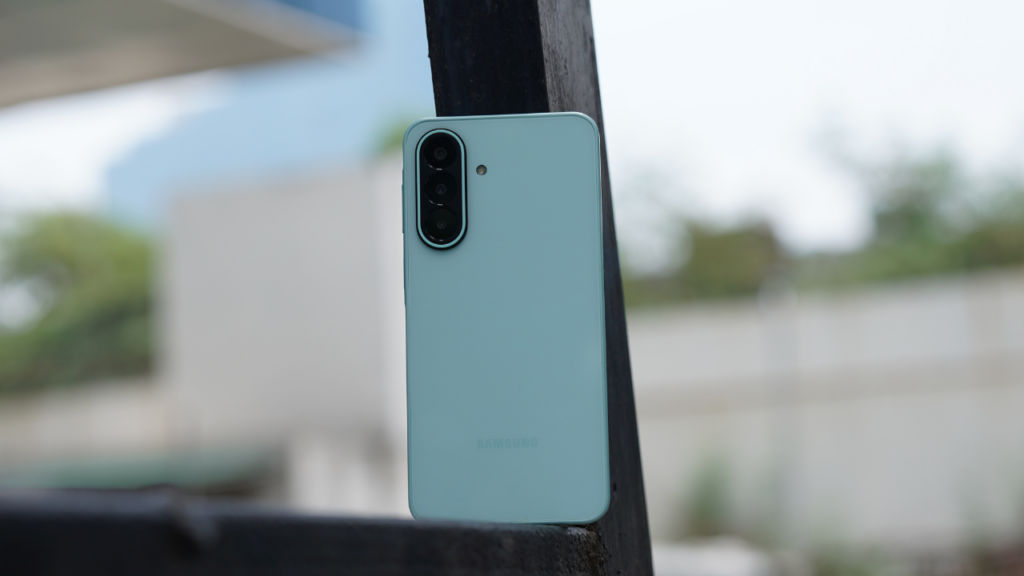
Which brings us back to Samsung’s newest A series device, the Galaxy A27. This will be a 2026 model for the mass market, and it comes with a Snapdragon chipset, improved durability and a handful of upgrades. On paper, it certainly sounds like a sensible package and why not? The Galaxy A series has been one of Samsung’s strongest weapons in India, consistently appealing to buyers looking for a balance between brand value, reliability and features.
But the question is, does Samsung’s latest mid-ranger bring enough to the table to justify its place in this crowded segment? Or is it simply another smartphone trying to keep pace with rapidly rising expectations? Here is what I think.
Samsung Galaxy A27: Display and design
Starting with the best segment, the display. It comes with a 6.7-inch Full HD+ Super AMOLED display featuring a 120Hz refresh rate and Corning Gorilla Glass Victus+ protection. On paper, it checks most of the boxes that I expect from a modern mid-range smartphone: large screen, smooth to hover around and durable.
In day-to-day usage, the display delivers exactly what you would expect from a Samsung panel. The colours are good and vibrant, blacks are deep, and contrast levels remain excellent across different viewing experiences. So, if you are watching movies, streaming web series, scrolling through Instagram or the web, you will like it.
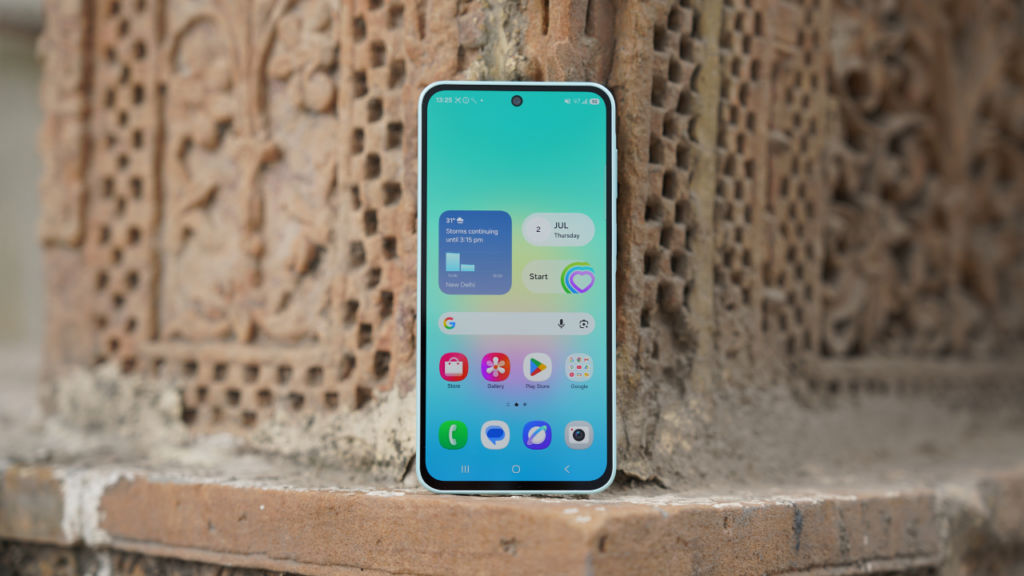
The animations are fluid, scrolling is smooth and multitasking across apps is also responsive. And of course, One UI gets credit here. The optimisation and features offer a good experience.
During our testing, the panel reached around 1,340 nits in High Brightness Mode, which is sufficient for comfortable outdoor visibility even under harsh sunlight. Text remains readable, and content retains its punch without requiring users to constantly seek shade.
But… Yes, there is always a but. Competitors in this segment, such as the Motorola Edge 70 Fusion, offer curved OLED panels, higher 144Hz refresh rates, sharper 1.5K resolutions and even higher brightness levels at a similar price.
On pure specifications alone, Samsung’s display does not necessarily lead the category. However, Samsung counters that with something equally important: durability. The Gorilla Glass Victus+ gives the Galaxy A27 an edge over its rivals. Still, for what it’s worth, many of its competitors in the segment are offering MIL-STD-810H military-grade certification. The Galaxy A27 doesn’t have that.
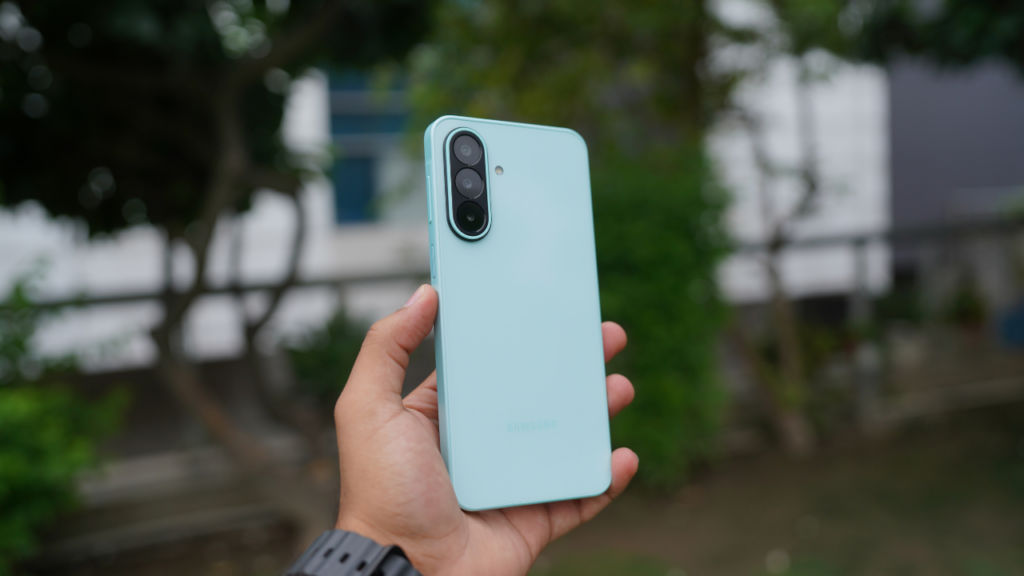
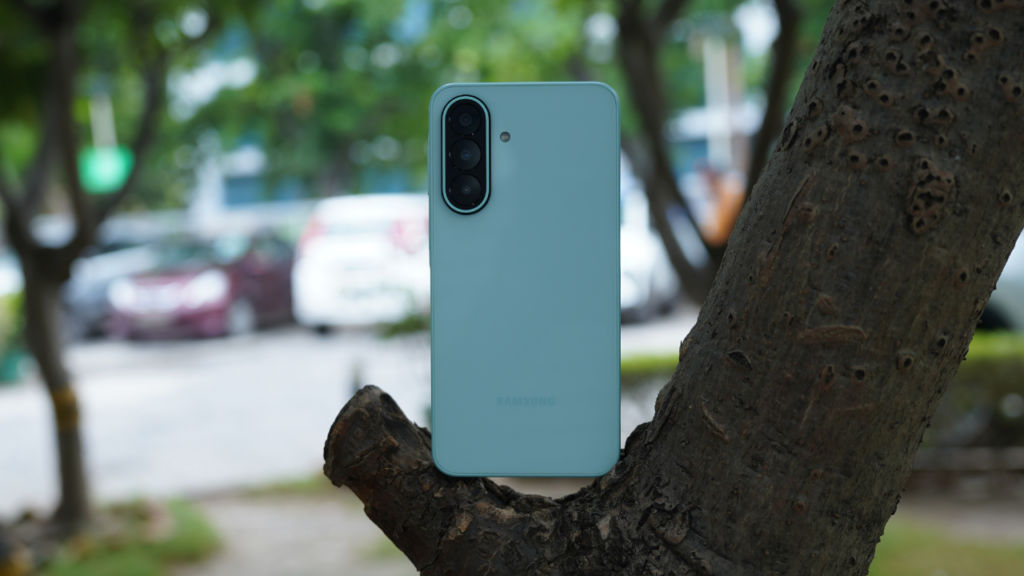
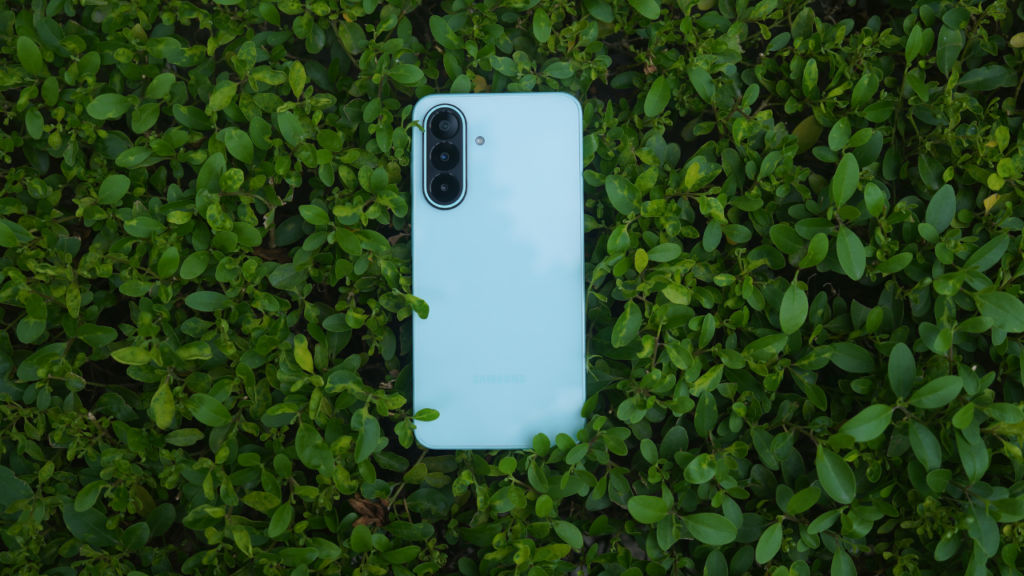
Coming to design, Samsung has adopted a familiar approach. The Galaxy A27 features a glass front and back protected by Gorilla Glass Victus+, paired with a plastic frame. It is 7.8mm thick, weighs 200 grams and feels substantial. It also gets an IP64 rating for dust and water resistance, an upgrade over its predecessor.
Samsung Galaxy A27: Performance
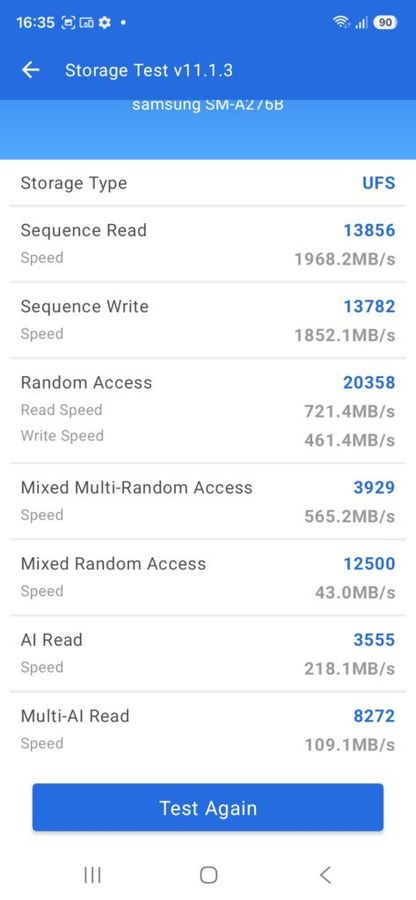
The Samsung Galaxy A27’s performance is a classic case of Samsung prioritising balance over brute force. The smartphone is powered by Qualcomm’s 4nm Snapdragon 6 Gen 3 chipset, which focuses on efficiency and delivering stable day-to-day performance. Samsung is also offering fast LPDDR5X RAM and UFS 3.1 storage, which means you get improved app loading times, multi-tasking efficiency and overall responsiveness.
Whether you’re switching between social media apps, browsing with multiple tabs open, responding to emails, attending video meetings or streaming content, the Galaxy A27 handles these tasks comfortably. That said, performance enthusiasts will definitely notice that competitors are beginning to offer more aggressive hardware at similar price points. Devices in this price range come equipped with newer Snapdragon 7-series chipsets that deliver noticeably higher CPU and GPU performance.
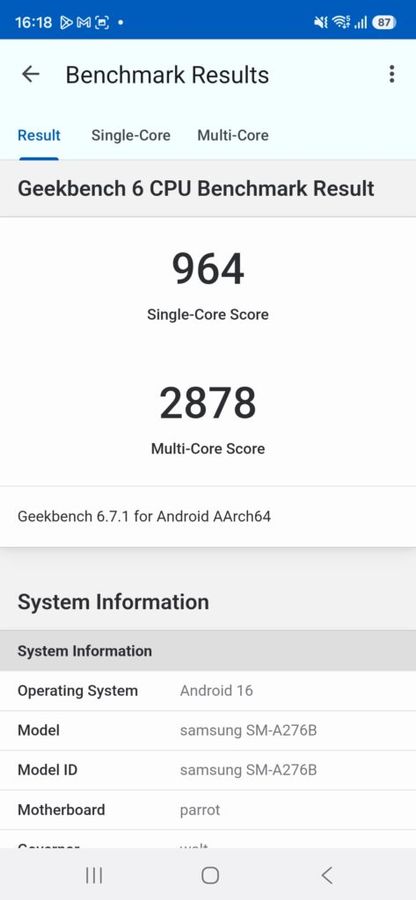
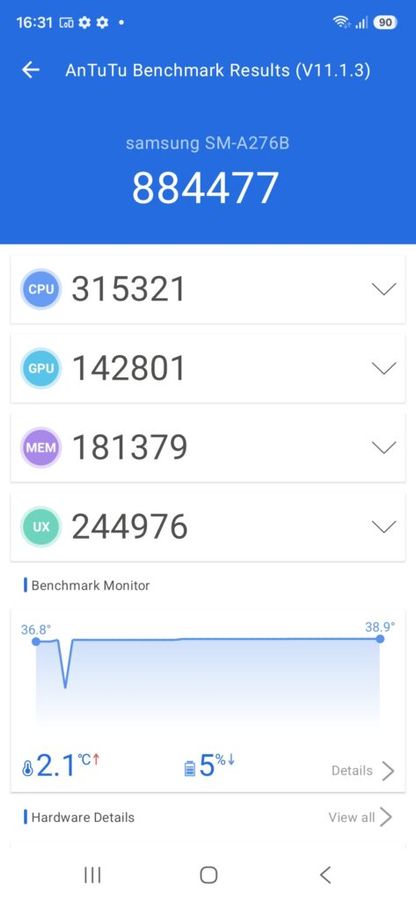
Benchmark results place the Galaxy A27 firmly in the upper mid-range category. The device scored 884,477 points in Antutu and achieved 12,843 points in the PCMark Work 3.1 test, 964 and 2,878 points in Geekbench 6’s single and multi-core tests, respectively.
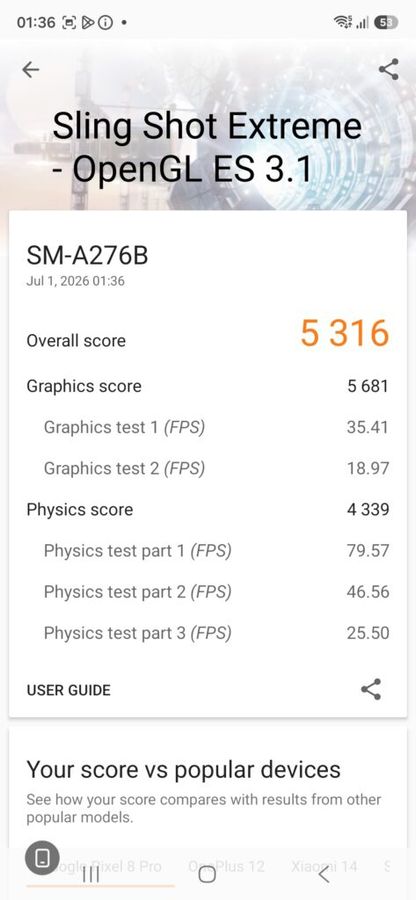
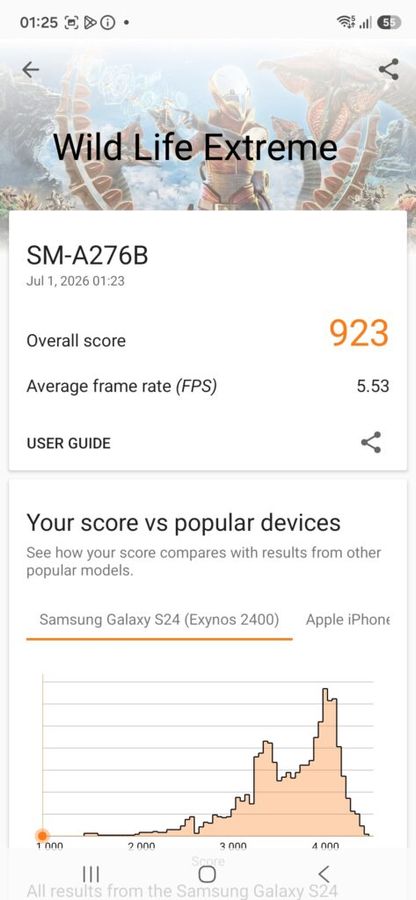
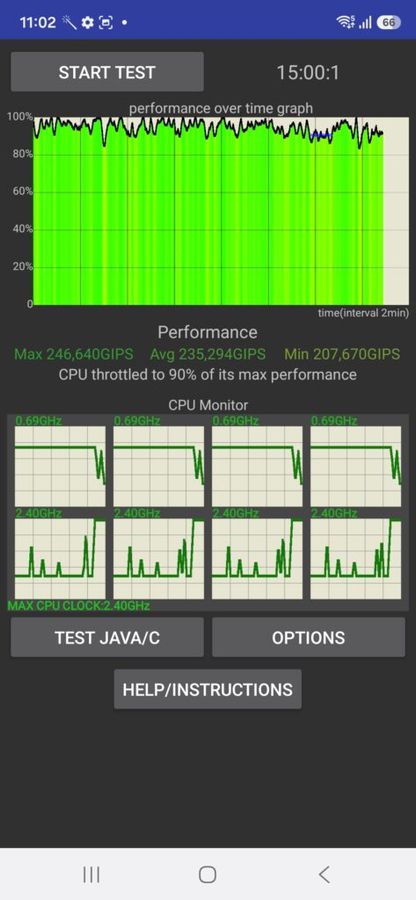
Gaming, however, is not the Galaxy A27’s strongest area. Casual titles run comfortably, and lighter games present no issues, but demanding titles require reduced graphics settings to maintain smooth gameplay. During testing, the device averaged around 50-55fps on smoother graphics presets.
However, the Galaxy A27 gets an edge in software longevity. The device offers six years of software support, which is more than what any rival in the segment offers. Also, there are some Galaxy AI features, such as Google Gemini, Perplexity integration, Bixby, and real-time voice transcription, that genuinely come in handy.
Samsung Galaxy A27: Battery
Here, the Galaxy A27 faces tough competition. The device packs a 5,000mAh battery, which remains perfectly adequate for everyday use, but several rivals in this segment have moved towards larger battery capacities. Phones in the same price category, like the Motorola Edge 70 Fusion and Redmi Note 15, offer noticeably bigger batteries, giving them an advantage on paper.
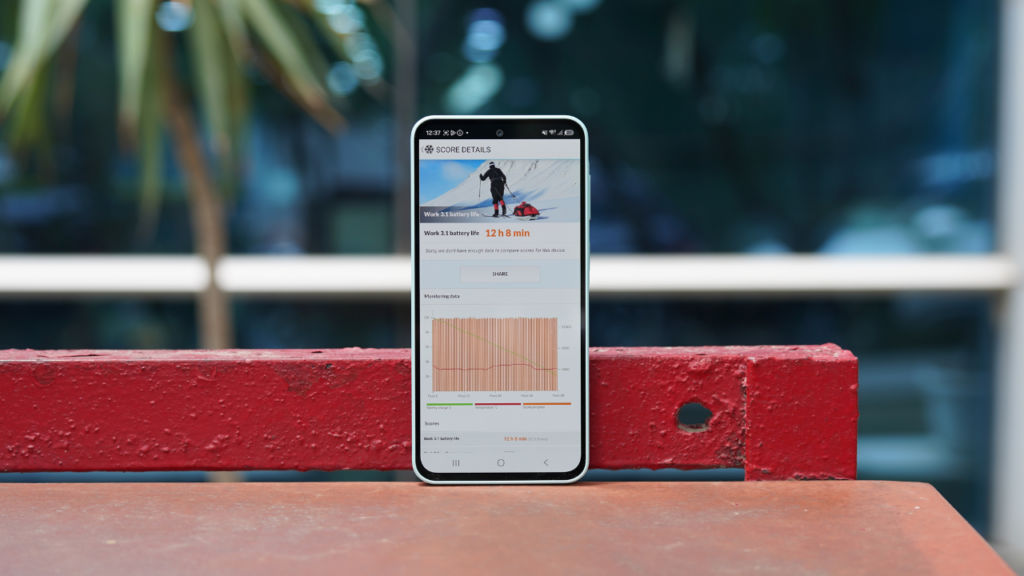
In our PCMark Battery Life test, the Galaxy A27 lasted 12 hours and 8 minutes. While that is enough to comfortably get through a full day of regular usage, it falls short of some competing devices in the same price bracket. For moderate users, battery life should not be a concern, but power users may find themselves reaching for the charger sooner than expected.
The Galaxy A27 supports 25W wired fast charging and takes a little over 90 minutes to go from 0 to 100 per cent. More importantly, Samsung only includes a charging cable in the box, while some rivals offer faster charging solutions and bundle the adapter as well.
Samsung Galaxy A27: Camera
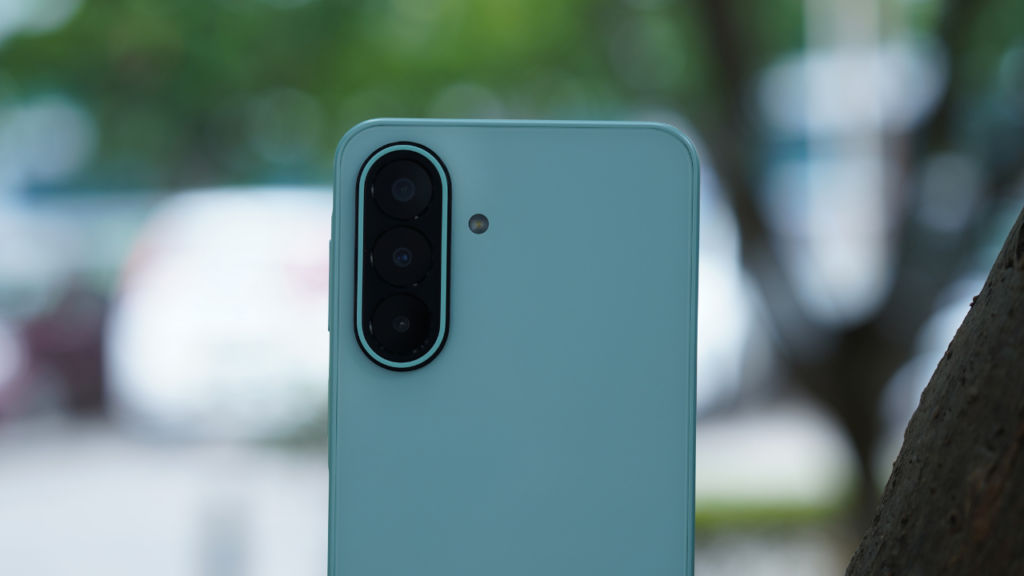
The Samsung Galaxy A27 comes with a triple-camera setup consisting of a 50MP primary sensor with Optical Image Stabilisation (OIS), a 5MP ultrawide camera and a 2MP macro lens. On the front, it houses a 12MP selfie camera. If we look at the specifications alone, the company has opted for a practical camera setup.
In daylight conditions, the primary camera offers good results. Images are sharp, colours look natural, and dynamic range is generally good for the segment. The post-processing also avoids excessive saturation, and you get more balanced and realistic visuals. I took some portraits as well, and the results were equally impressive. Skin tones appear natural, exposure is handled consistently, and edge detection remains reliable even around more challenging subjects such as curly hair. The background blur is software-generated, but the transition between subject and background looks smooth enough to avoid appearing artificial.
Close-up photography is one of the stronger aspects of the main camera. Flower and product shots benefit from good detail retention, accurate colours and natural depth. The camera is capable of producing images that look visually appealing without relying heavily on aggressive processing.
The ultrawide sensor is also useful for taking landscapes or group shots. However, it does show some limitations. Detail levels are lower than the primary camera, and some softness is visible around the edges.
Low-light performance is surprisingly decent. The primary sensor manages light sources well, retains decent detail and controls noise better than expected. The shots take indoor maintain a good balance between highlights and shadows.
Check out some camera samples




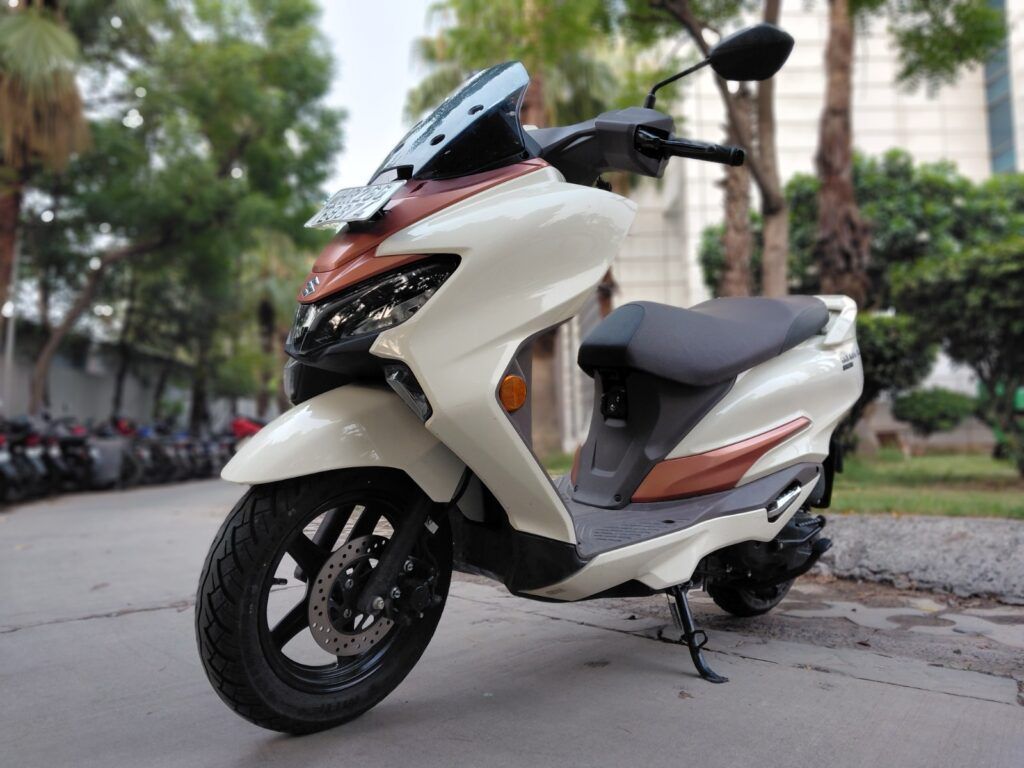









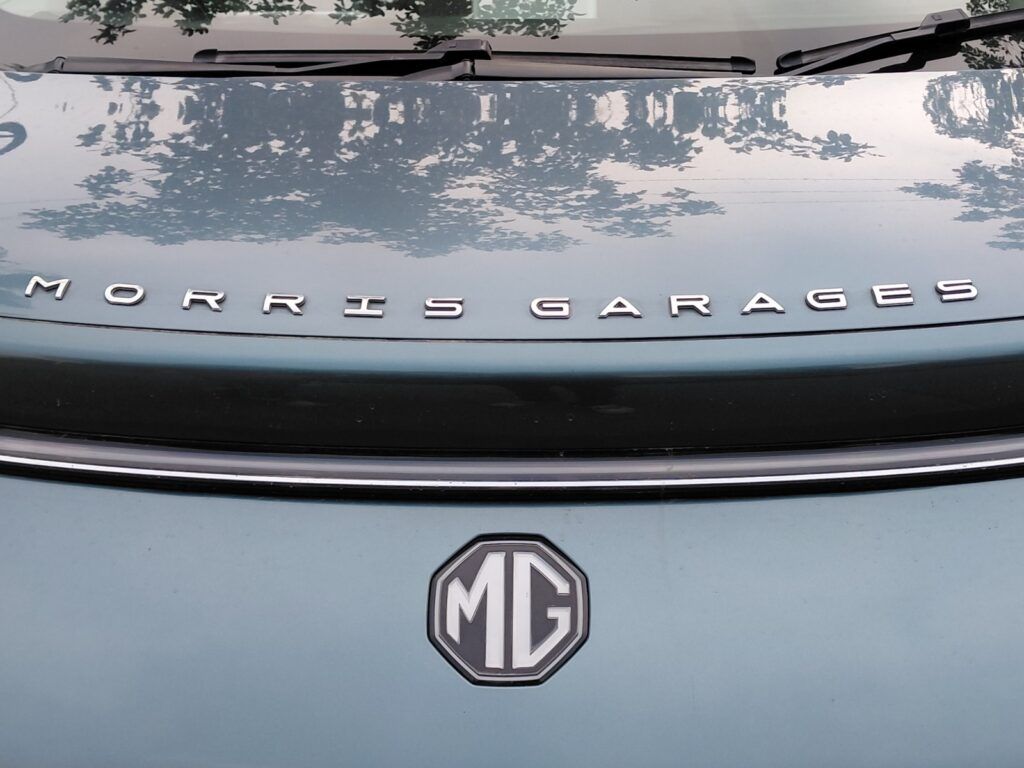

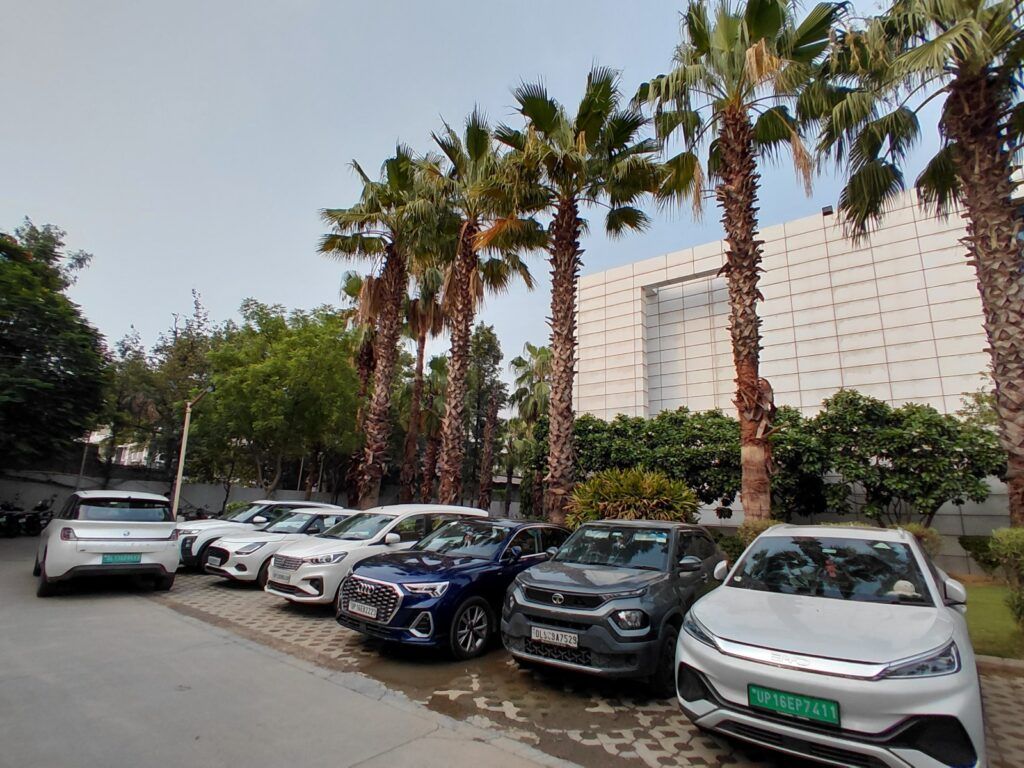
All in all, the Galaxy A27 offers a decent camera experience for everyday photography. But if you are specifically looking for a camera-centric smartphone that takes some brilliant social-media-ready photos, I’d suggest checking out the Motorola Edge 70 Fusion as well.
Samsung Galaxy A27 verdict: Should you buy it?
The Samsung Galaxy A27 is a device that plays around the traditional strengths. In the segment where brands are competing aggressively with larger batteries, fast charging, more powerful chipsets and increasingly ambitious cameras, Samsung has offered a more balanced approach focused on reliability, software longevity and everyday usability.
The display is among the strongest assets that offer vibrant colours, deep blacks and a smooth experience that buyers have come to expect from Samsung’s AMOLED panels. The camera system is also decent and offers natural-looking photos with good dynamic range and consistent portrait performance. And yes, the clean One UI experience, useful AI features and six years of software support add weight to the package.
However, the phone is not without compromise. The performance is good for everyday tasks, but enthusiasts may ask for more. Battery life and charging speeds are also adequate rather than class-leading.
So, the Galaxy A27 is not the most exciting phone in the segment, but I would say it is definitely one of the safest choices. If you are somebody who prioritises software support, reliability, a polished user experience and a decent camera, you won’t go wrong with this.


