
Poco M8 Power review: A battery big enough to change your routine
 Follow Us

Earlier phone names carrying a “Power” tag used to mean one specific thing: more processing power, a stronger chipset, something under the hood that justifies that tag. That is no longer the case. The word has changed its meaning across the market, and Poco M8 Power is another example of that. Where “Power” variants once promised faster chips and better benchmark results, most of them today, including the M8 Power, are all about batteries. It’s the upgraded version of the Poco M8. However, the upgrade also comes with a few compromises. I used the Poco M8 Power for a week as my main phone, for games, streaming, calls, the usual, and ran it against the Poco M8 on every test that mattered. So, here’s my review and thoughts on the newly launched Poco M8 Power.
Poco M8 Power: Battery
Let’s start with this one, which is why this gets the title “Power”: the battery. Poco M8 Power comes with a massive 8,000mAh battery.
Across a full day of heavy use, gaming, YouTube, Netflix, general scrolling, the phone did not run out on me once. On days I skipped gaming, it stretched to a day and a half, and it still had room to spare after that.
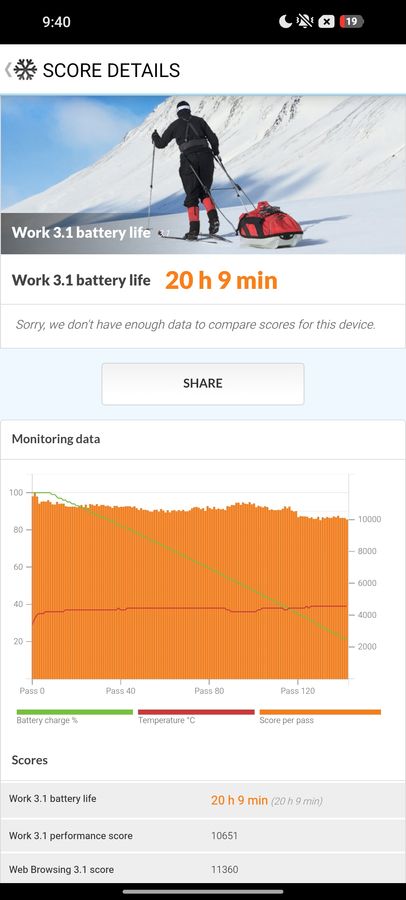
In our PCMark Work 3.1 Battery test, the M8 Power gave 20 hours and 9 minutes of screen on time. That is a strong number on its own, though I have tested phones with smaller batteries that push past 22 to 23 hours in the same test. Benchmarks aside, nothing about the real-world battery life here gives you a reason to complain.
Charging comes from a 45W brick that Poco actually includes in the box. A full charge from 0 to 100 percent took me 1 hour and 43 minutes, a reasonable wait for a battery this size. The M8 Power also supports 22.5W reverse wired charging, which comes in handy for topping up a pair of earphones or lending charge to a friend’s phone when you need to. It’s basically a power bank on the go.
Poco M8 Power: Design
When I picked up the M8 Power for the first time, the size registers before anything else does. I was like ‘This is a big phone, and using it one-handed takes real effort’. At 8.4mm thick and 225 grams, it sits on the heavier side of what I’ve tested this year.
Despite that, it does not feel uncomfortable. The rounded corners work in its favour, and typing on it for long stretches never bothered me. However, the haptics did, though. Every tap comes with a slightly weird sound, and the feedback itself does not feel refined.
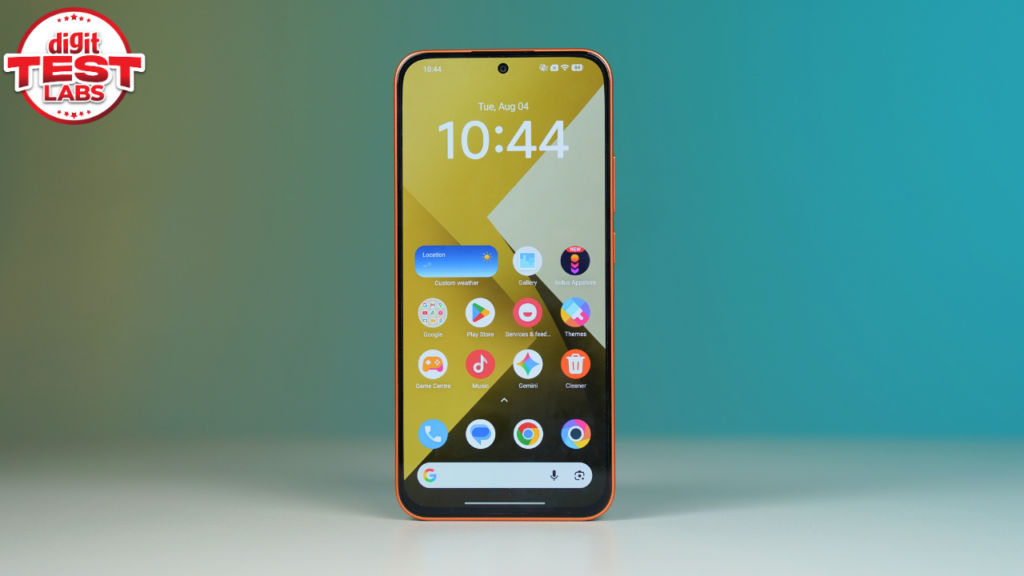
Build quality holds up well. The back is plastic, but the front gets Gorilla Glass 7i, and the phone feels solid rather than hollow in hand. If I have to nitpick, there is a small chin at the bottom, and the buttons themselves are tactile. An IR blaster sits on top, a small addition that is genuinely useful if you have ever misplaced your AC or TV remote.
Poco sent us the Blaze Orange variant, a colour that has been showing up across several phones this year and suits the M8 Power well. Poco is also offering the Black and Silver colour variants, if orange is not your thing. Water and dust resistance comes via an IP65 rating, decent but not the strongest number in this segment.
Poco M8 Power: Display
Poco M8 Power features a 6.9-inch AMOLED panel that runs at a 120Hz refresh rate, and it is easily one of the better hardware features of this phone. Bezels are slim, and Gorilla Glass 7i sits on top for protection.
I watched a couple of episodes of Lock Up on Netflix and Project Hail Mary on Amazon Prime Video on this display, and both looked good. Blacks go deep thanks to the AMOLED panel, colours come through saturated without looking artificial, and nothing on screen looked flat. Viewing angles hold up well too. The one thing missing is HDR support, which content-heavy users will notice.
Poco claims a peak brightness of 1,800 nits. At Digit Test Labs, we measured 1,780 nits, which is very close to what Poco claims. Out in Delhi’s summer sun, I never had to squint to read the screen.
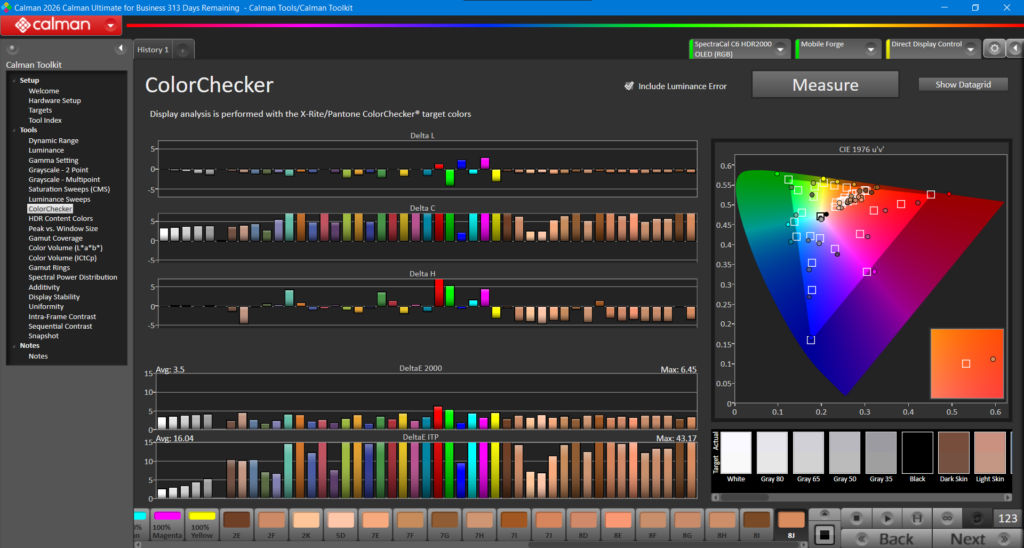
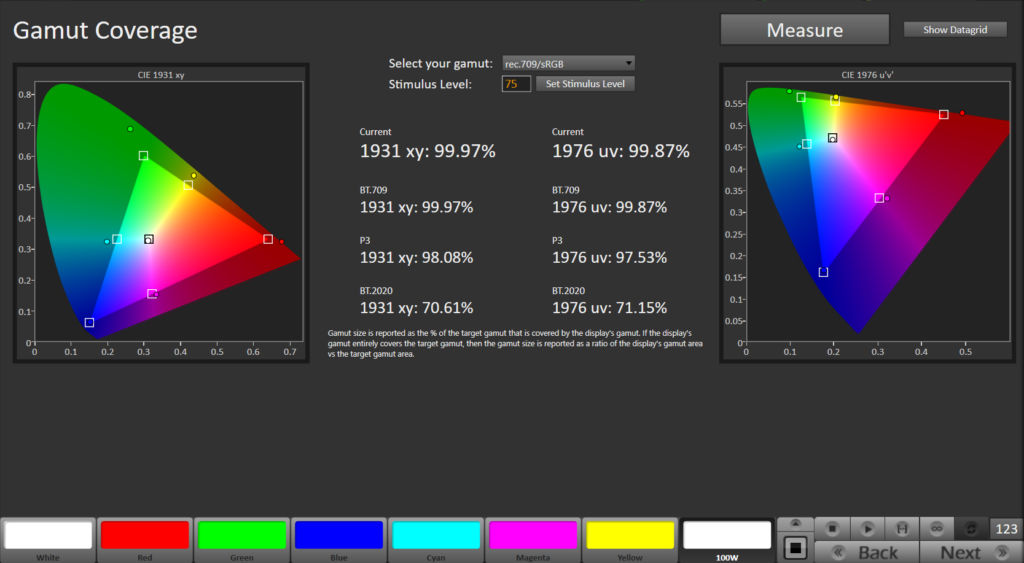
In our Calman test, the Poco M8 Power returned an average Delta E of 3.5, and the Colour Gamut test measured 99.87% coverage. The colour gamut number is excellent. The Delta E is more on the middle side, though it did not stand out as an issue during regular viewing.
Poco M8 Power: Performance
Poco used the M8 Power to become the first phone in India to launch with the Snapdragon 4 Gen 4, an octa-core chipset built on a 4nm process. If you know, chipset prices across the industry have been climbing for a while now, memory costs especially, and that pressure is showing up in how brands pick their processors. Our review unit came with 8 GB of RAM and 128 GB of storage, though a 6 GB plus 128 GB option is also available if you want to save a bit more.
Going with an entry-level Snapdragon rather than something further up the stack is Poco’s way of keeping the phone’s price in check without pushing it into a different bracket altogether. For casual users, someone who mostly deals with calls, messaging, social media and the occasional light game, this chipset is decent enough to get through the day without friction.
On the bench, the M8 Power returned an AnTuTu score of 627,178. In Geekbench, the M8 Power recorded 905 in the single-core and 2,158 in the multi-core. The CPU Throttling Test showed the chip holding on to 86% of its performance under sustained load, and on 3DMark Wildlife, it posted an overall score of 777.
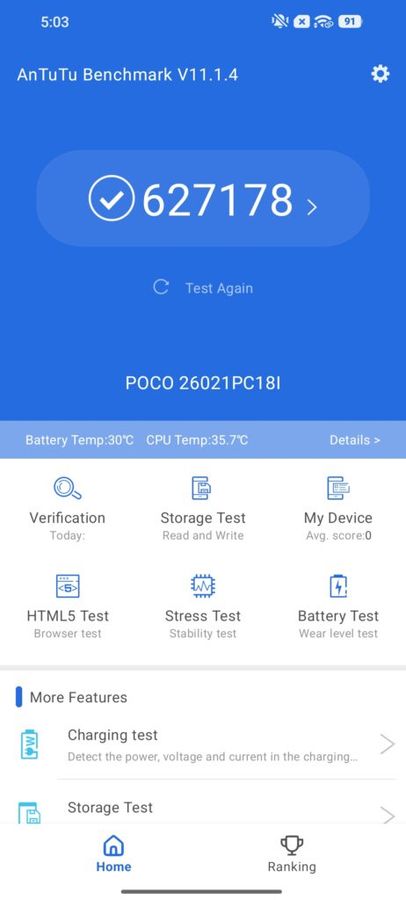
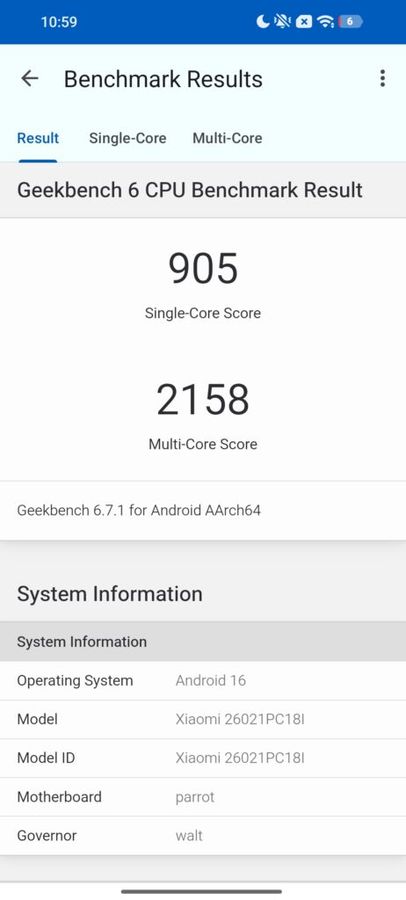
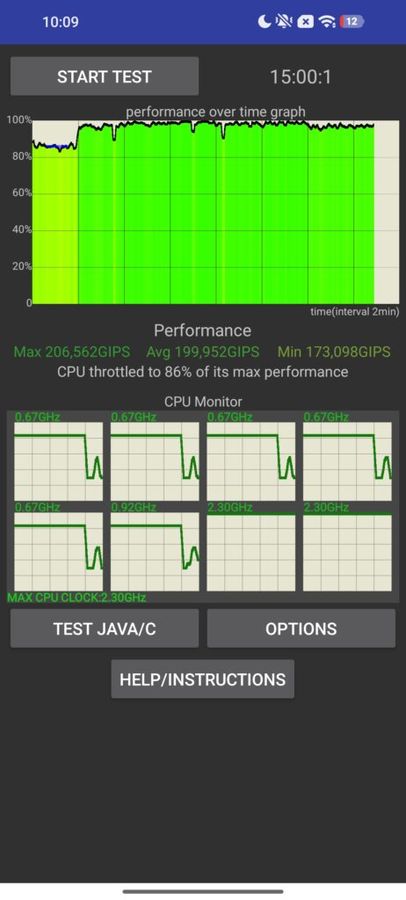
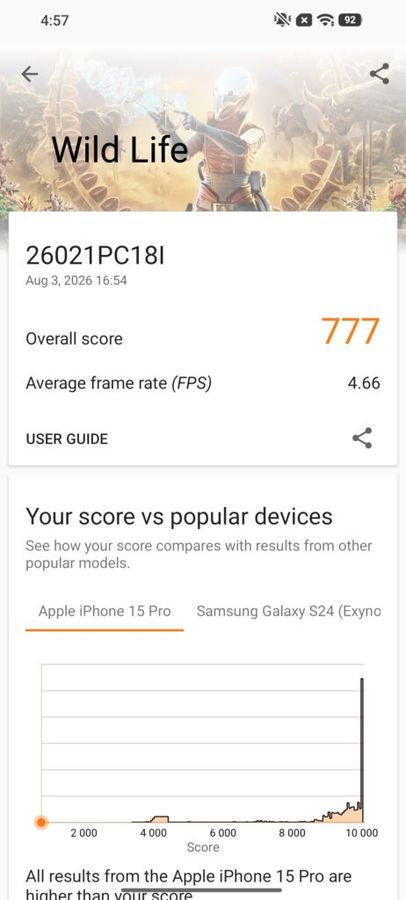
In day-to-day use, the M8 Power did not lag in any way that prevented me from using it normally, but I did notice UI jitter and a small delay when opening apps. That traces back to the UFS 2.2 storage rather than the chipset itself. For casual use, none of this gets in the way. I played a few rounds of BGMI on it too, and it ran at settings that kept the game playable without becoming frustrating.
Poco M8 Power: Camera
The primary camera remains the same as the Poco M8. Poco M8 Power comes with a 50MP primary sensor along with a depth sensor. On the front, you get an 8MP selfie shooter; again, it’s a downgrade from the Poco M8, because M8 comes with a 20MP selfie shooter.
Daylight shots come out decent without much effort, though don’t expect the kind of detail flagship sensors resolve. While capturing human subjects, the photos came out soft around the face, and colours lean towards the warmer side.

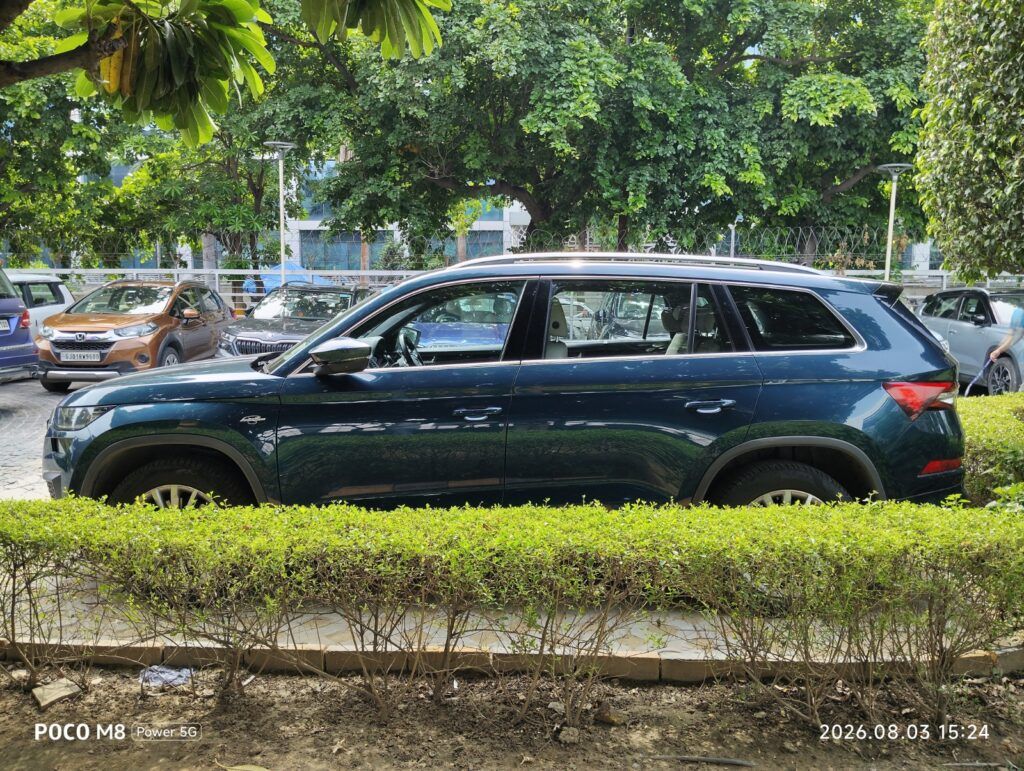

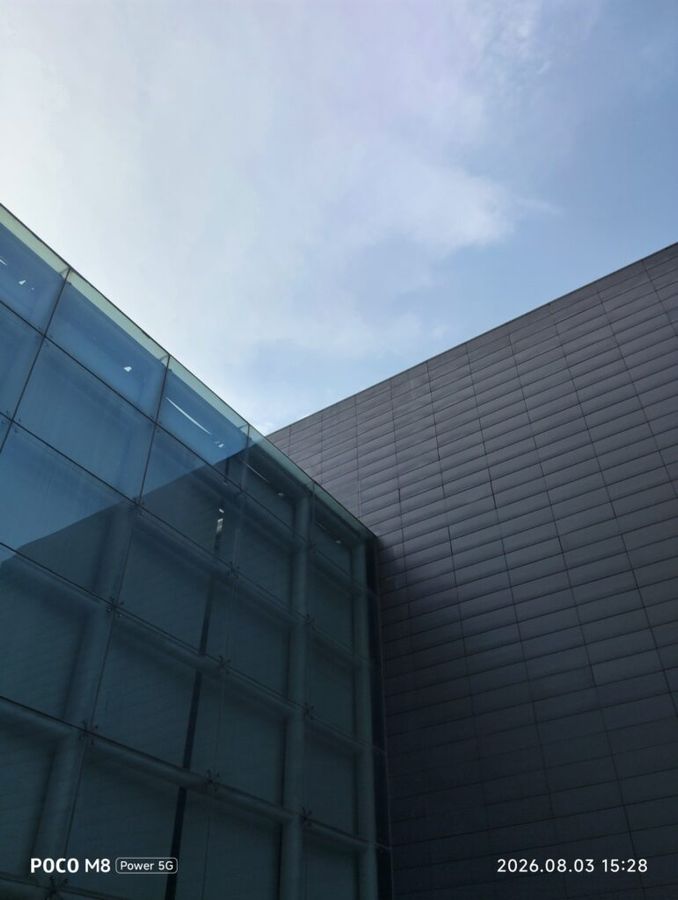




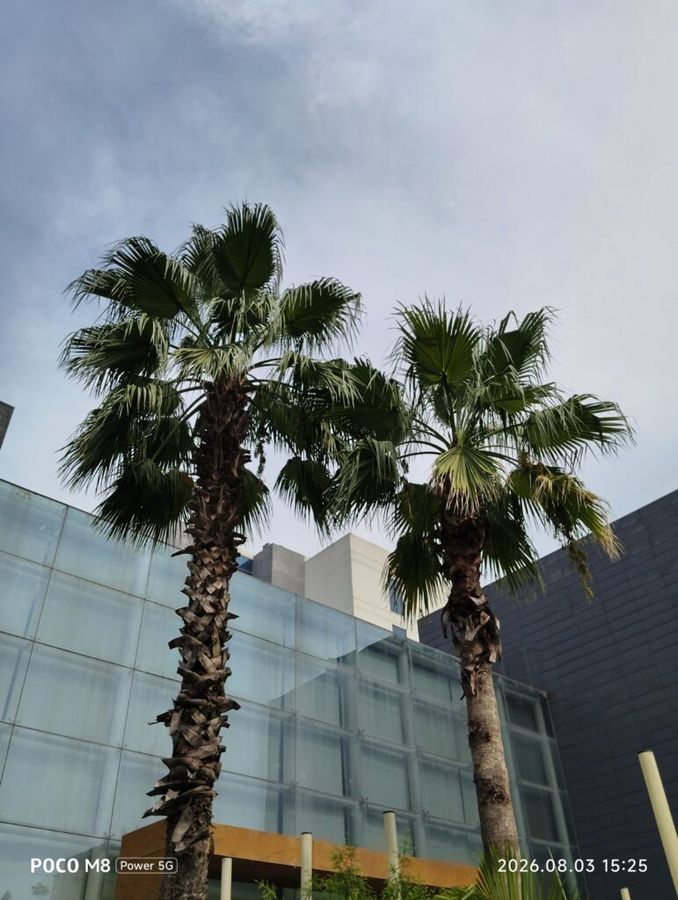
Portrait mode is inconsistent. Some shots come out clean, but edge detection often so background objects occasionally get pulled into the subject rather than left out of focus.




The 8MP selfie camera gets the job done rather than impresses. Colours here lean towards the warm side too, matching what I noticed with the rear camera.




Poco M8 Power: Software
The M8 Power runs Android 16 on top of HyperOS 3.0 out of the box. The interface itself is easy to use, and transitions look clean. Where it falls short is consistency. Swiping up to open the App Drawer stutters occasionally, and scrolling from the bottom of a long list back to the top introduces the same kind of lag.
Bloatware is present, as it usually is on phones this price, but all of it can be uninstalled. Poco is committing to 4 years of Android updates and 6 years of security patches here, a genuinely strong promise for this segment.
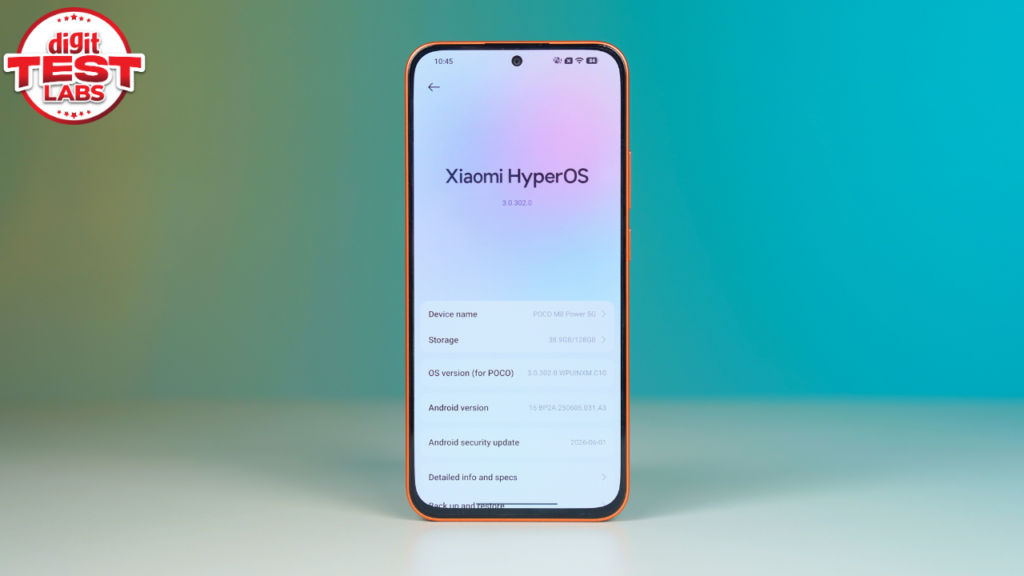
AI features carry over too, Circle to Search and AI Magic Eraser Pro among them, and both worked the way they are supposed to when I tried them. In HyperOS 3.0, there is a feature called HyperIsland, an interactive notification system built around the front camera cutout. It displays real-time information such as music playback controls, charging status, timers, voice recordings, and other live activities directly in the status bar, making it easier to access important updates without opening apps.
Poco M8 Power: Verdict
The M8 Power changes several things compared to the Poco M8, and the changes run in both directions rather than one clear direction. Battery capacity increases from what the standard M8 offers, the AMOLED display performs well in both everyday use and lab testing, and durability features along with additions like the IR blaster carry over from the M8 lineup. Performance moves the other way, with lower scores across every benchmark we ran, a lower-resolution selfie camera compared to the M8, and occasional stutter in parts of the software, such as when opening the App Drawer.
For buyers who prioritise battery life above other factors, the M8 Power represents a clear improvement over the M8. For buyers deciding between the two Poco phones where performance is also a factor, the standard M8 offers a more balanced set of trade-offs at a lower price point.


