
Samsung Galaxy S26 Plus review: Reliable, polished and easy to live with
 Follow Us

Samsung has come a long way with its flagship lineup. I still remember the time when choosing between Samsung phones was difficult and often a debate between the Note series and the S series. The Note stood out for its big and phablet-like design and the S Pen, while the S series always had an image of being an all-rounder, something which could do everything without leaning too much in one direction. Of course, things were not always this clean. We have seen Samsung experiment a lot in the past with Minis, Edge variants and even Duos.
But for me, things started to make more sense around 2017, when Samsung brought the ‘Galaxy S8 Plus’. The idea was simple: a bigger screen, better battery, but without the extra baggage. I ended up buying that phone and I still remember how smooth it felt and honestly, I would not mind seeing that curved display making a comeback.
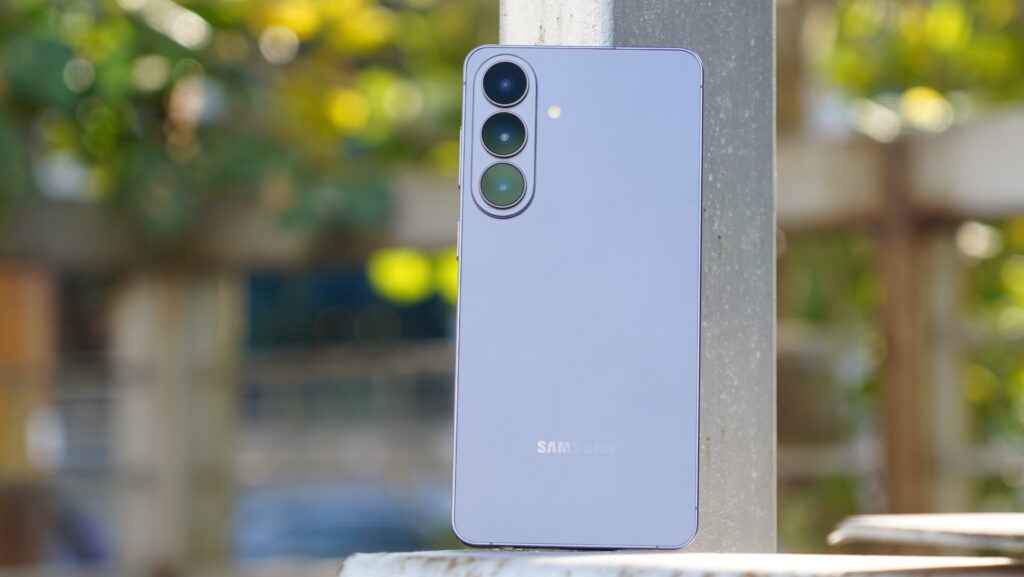
Since then, I have used many Plus models as my primary devices, including the Galaxy S20 Plus and now the S23 Plus. And one thing that is consistent is how these phones manage to deliver a flagship experience without needing the Ultra tag and additional features.
Cut short to 2026, Samsung has introduced the Galaxy S26 series. The lineup looks familiar, but expectations are higher this time, specifically with claimed upgrades across performance, camera, design and of course, the higher price tag. Given my history with the Plus models, I decided to stick with the middle variant again and see how it holds up this time around and here is my take.
Galaxy S26 Plus: Design
Starting with the obvious, Samsung seems to be in no hurry to change its design formula. You get the same familiar glass-and-metal sandwich design, with Gorilla Glass Victus 2 on both the front and back, paired with an Armor Aluminium frame. The dimensions and 190-gram weight keep it firmly in line with previous Plus models. This means it is a large phone, but one that remains relatively slim and easy to carry. Adding on, it also carries an IP68 rating, so it is well protected against dust and can handle the occasional splash or accidental dip in water.
In everyday use, the Samsung Galaxy S26 Plus feels exactly how a flagship should. The in-hand feel is premium, the weight distribution is balanced and the slim profile makes it comfortable to hold for long periods. That said, if you have used the Galaxy S24 Plus or S25 Plus, this one will feel familiar, because in many ways, it is.
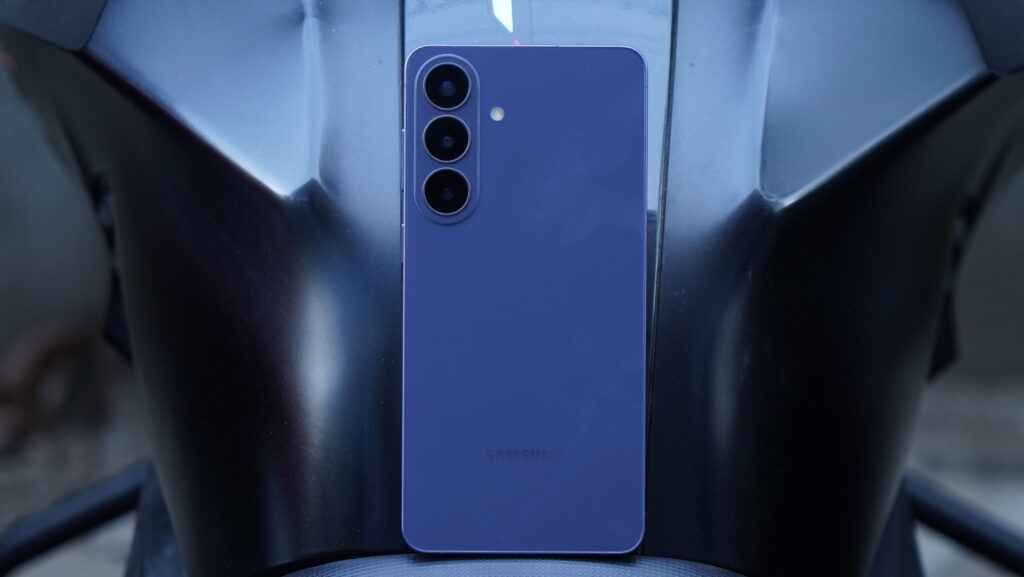
This time, Samsung has made a small visual tweak. The rear now has a new oval camera island that houses the triple camera setup, with flash sitting off the right side. It is not a big design change, but if you look with focus, you will notice the difference. But one practical downside, however, is a slight wobble when the phone is placed on a table or flat surface.
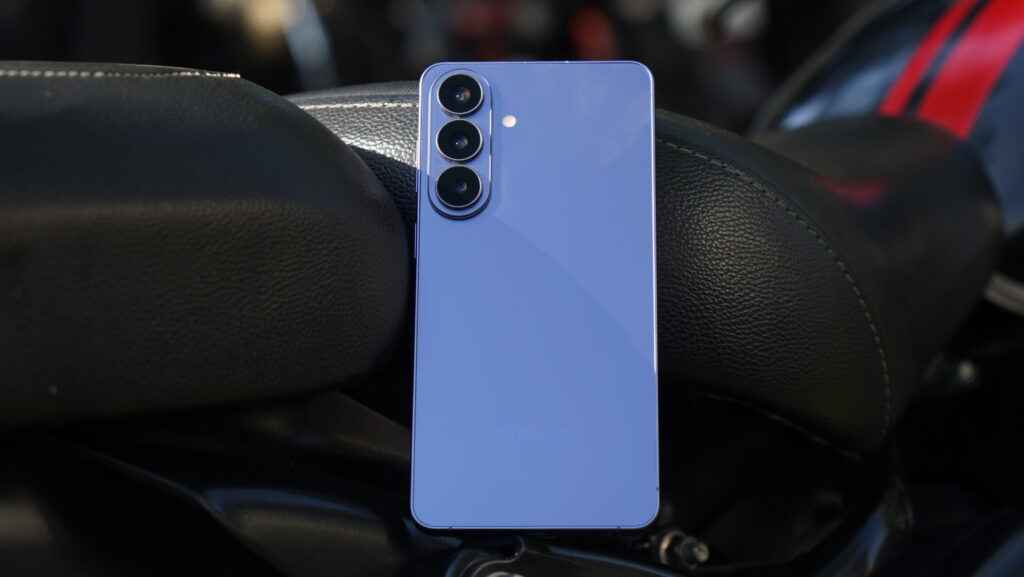
The finish, especially in colours like Cobalt Violet, looks premium and stands out without being too loud, but does attract smudges fairly easily, so you will likely end up using a case most of the time.
Galaxy S26 Plus: Display
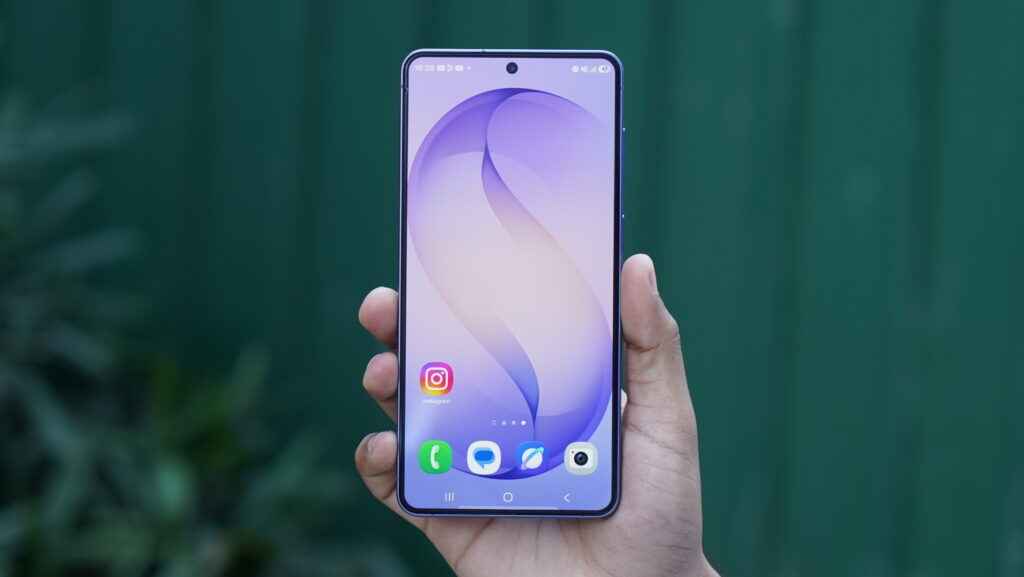
The Samsung Galaxy S26 Plus has a big and, obviously, beautiful 6.7-inch screen that is hard to fault. It is sharp, bright and smooth, the kind of display that makes everything from casual scrolling to binge-watching feel fun. The 120Hz refresh rate keeps things fluid and the screen is smart enough to dial that down automatically to save battery when you do not need it.
Outdoors, the display holds up well. Samsung claims 2,600 nits of peak brightness and in real use, glare and harsh sunlight rarely pose a problem.
We also ran the Calman test using the SpectraCal C6 colorimeter and the results easily back up the claims I made above. Colours were accurate, whites are natural and blacks are deep. For most users, this means photos look true to life and videos look exactly as the creator intended. Speaking of the numbers, Average DeltaE 2000 was 2, Max DeltaE was 4.8, Gamut Coverage: 100% sRGB, Peak Brightness was 707 cd/m² (measured) and Black Luminance was 0 cd/m².
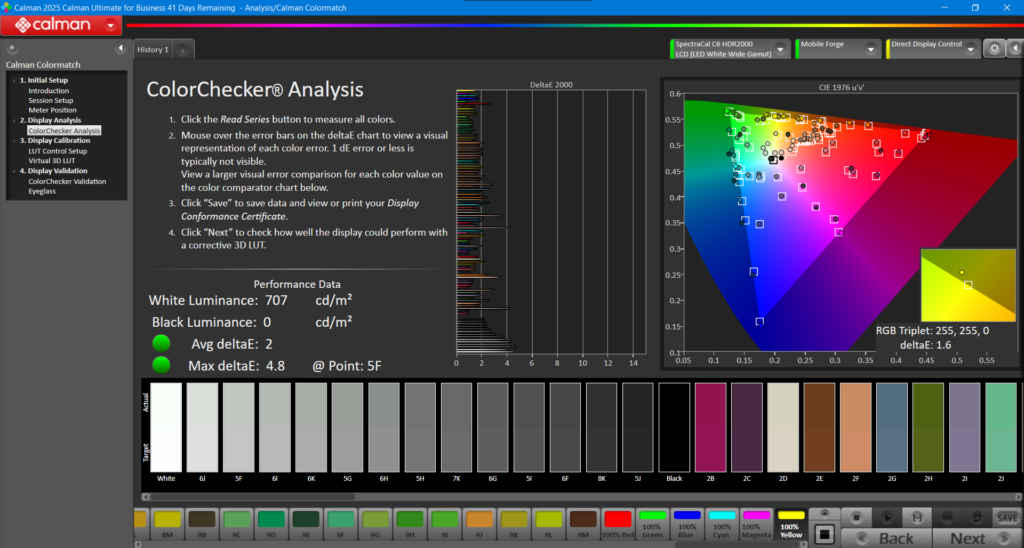
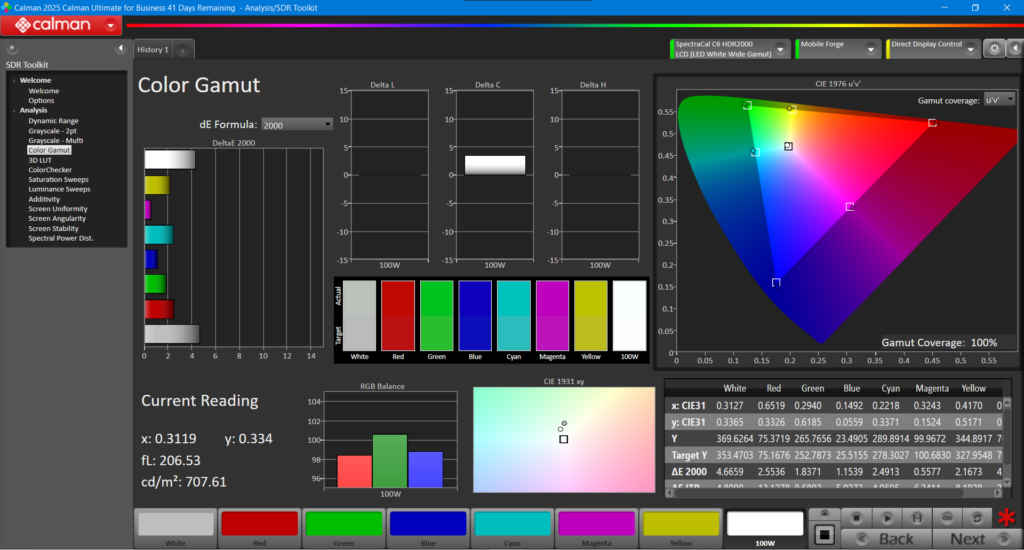
This means that what you will see on this screen is pretty much what is real. Skin tones, landscapes, documents, all rendered cleanly without any tint or colour push. In simple words, the display does not try to impress with oversaturated colours and just looks correct. I can say this because I spent some time watching YouTube, Netflix and a few matches of IPL 2026.
Galaxy S26 Plus: Performance
The Samsung Galaxy S26 Plus comes with the company’s in-house chip, but as has been the case with Samsung for a while now, the experience depends on where you are using the device. In India and most global markets, the phone offers an Exynos 2600 chipset built on 2nm fabrication, while regions like the US and China get the Snapdragon 8 Elite Gen 5. Both are flagship-grade chips and are paired with modern CPU architecture and capable GPUs. It runs Android 16 with One UI 8.5, backed by an impressive promise of up to seven major Android updates.
Coming to day-to-day usage, the device feels like a proper flagship. Scrolling through Instagram, navigating through apps, or clicking photos while on the go, the device does not disappoint. Animations are also fluid, app launches are fast, and a general sense of polish makes the phone feel snappy.
Gaming performance is also reliable. The phone handles titles like BGMI without major frame drops. However, thermal management is an area where the device shows its limits under heavy load. During our testing, the slim aluminum frame became noticeably warm during extended sessions. This is something power users and gamers will notice when the hardware is pushed to its peak for long periods.
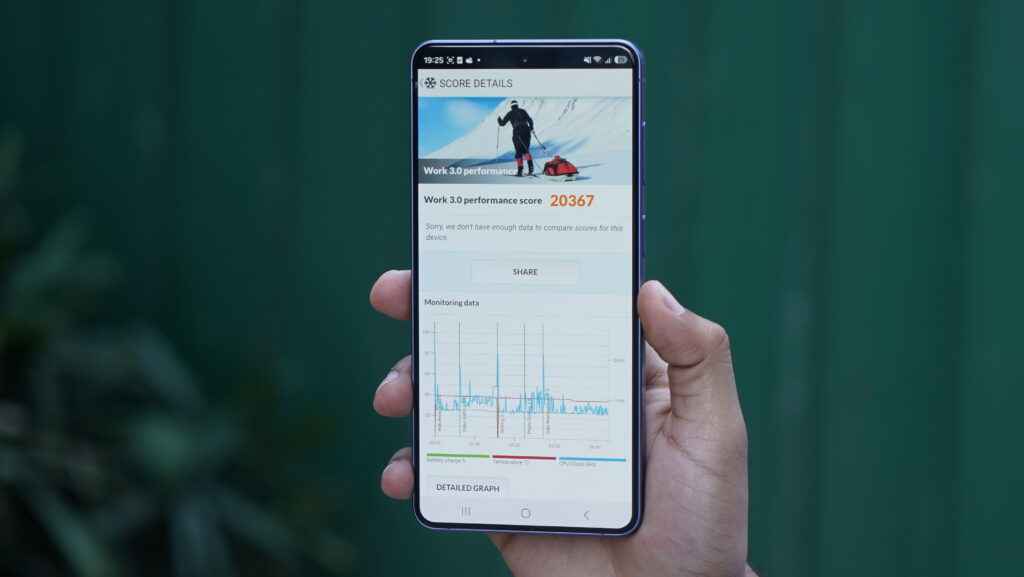
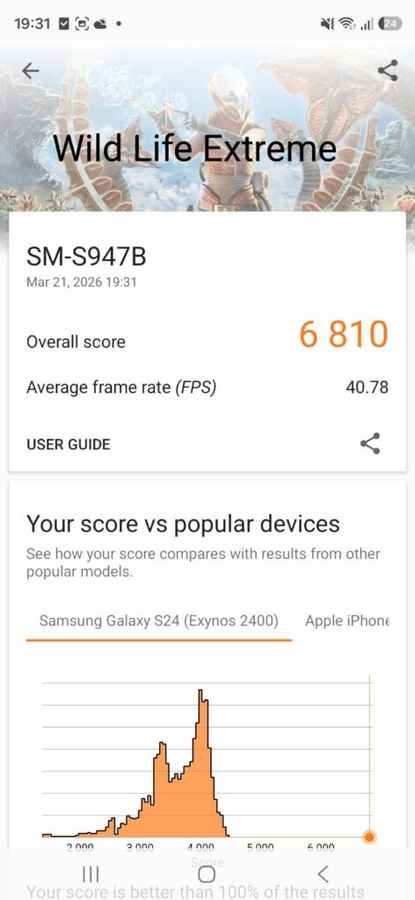
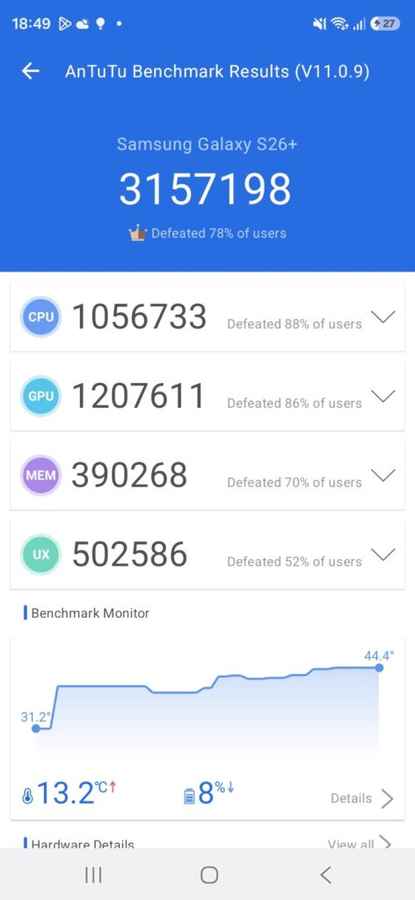
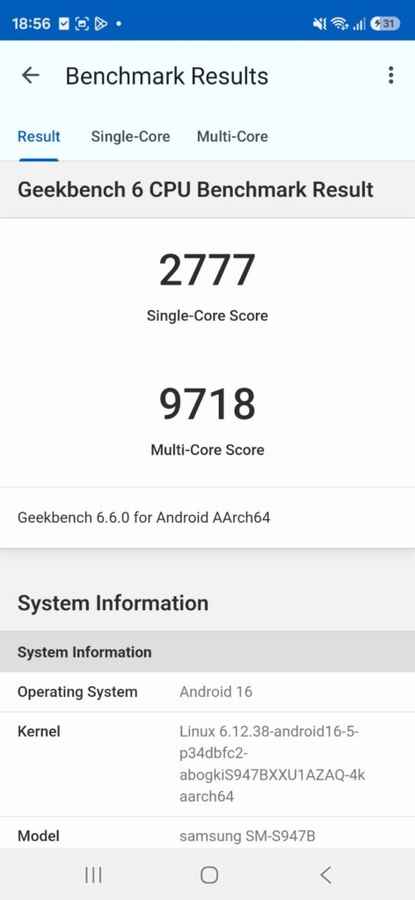
The Galaxy S26 Plus also posted steady numbers in a range of benchmarks. In Antutu, the device scored 31,57,198, along with 2,777 in Geekbench single-core and 9,718 in multi-core tests. In GPU-heavy workloads, it managed 6,810 in 3DMark Wildlife Extreme, while PCMark Work 3.0 returned a score of 20,367. Again, these are solid numbers, keeping it competitive within this price bracket.
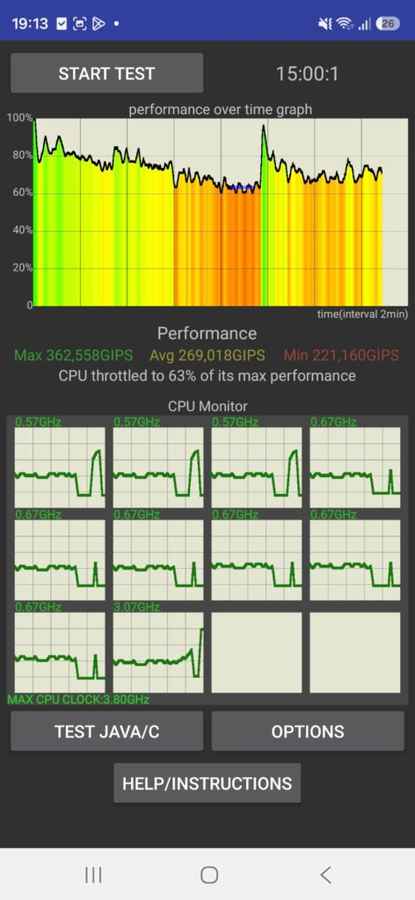
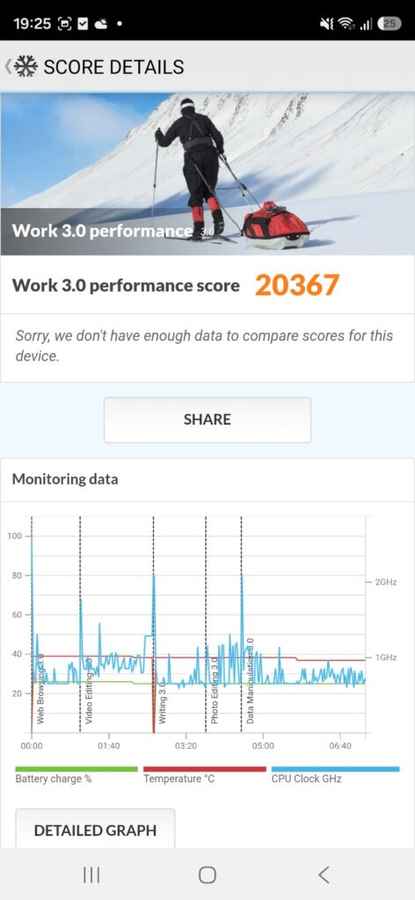
However, sustained performance is where the Galaxy S26 Plus finds its ceiling. In our CPU throttling test, the device retained around 63 per cent of its peak performance. This indicates the system is prioritising stability by dialing back performance under extended load to manage the thermals, which is a common trade-off in thin and modern flagships.
Galaxy S26 Plus: Battery
Samsung Galaxy S26 Plus sticks with a familiar battery. It packs a 4,900mAh battery, paired with 45W wired charging, 20W wireless charging and 4.5W reverse wireless charging. On paper, this is identical to what we saw in the previous generation, which means expectations are more about consistency than improvement.
In real-world use, the battery performance is reliable. In our PCMark Battery Life test, the device lasted 19 hours and 40 minutes. With a typical mix of social media, camera use, streaming and some gaming, the phone lasts well without requiring a mid-day top-up.
Charging speeds remain decent, but again, unchanged. Using Samsung’s 45W charger, the Galaxy S26 Plus takes around 72 minutes to go from 0 to 100 per cent. Wireless charging support adds convenience and reverse wireless charging can still come in handy for topping up accessories like earbuds or smartwatches.
Galaxy S26 Plus: Camera
The Samsung Galaxy S26 Plus carries forward a camera setup that feels very familiar on paper. You get a triple-camera system headlined by a 50MP primary sensor, supported by a 10MP telephoto lens with 3x optical zoom and a 12MP ultra-wide camera. Features like OIS across key lenses, Super Steady video and support for up to 8K video recording with HDR10+ ensure that this is still a flagship-grade imaging system, at least in terms of capability.
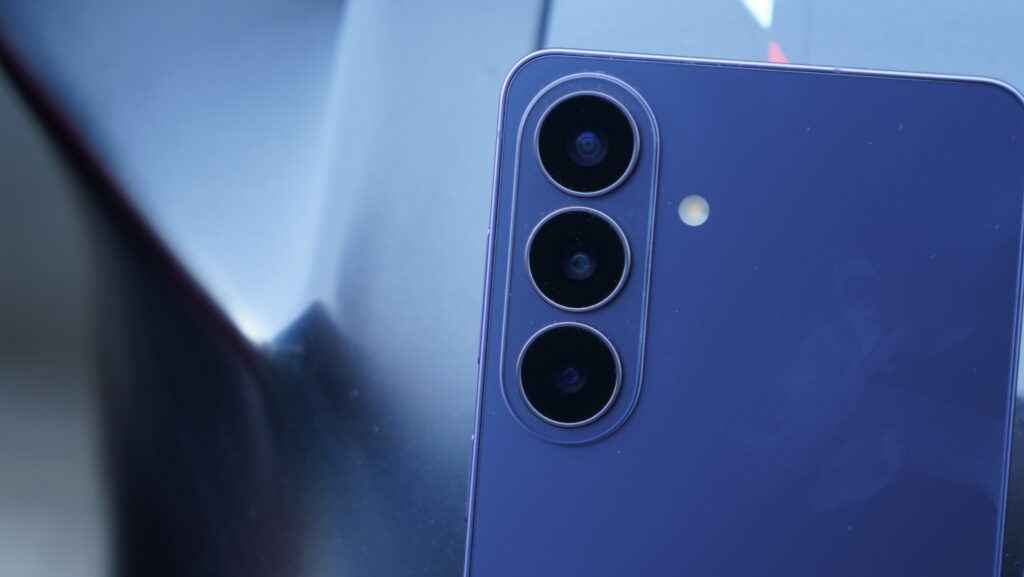
In real-world use, the main camera continues to be the most reliable of the three. Daylight shots come out sharp, with good detail and balanced colours that do not feel overly processed. It’s the kind of camera you can trust for everyday photography without needing to tweak settings.


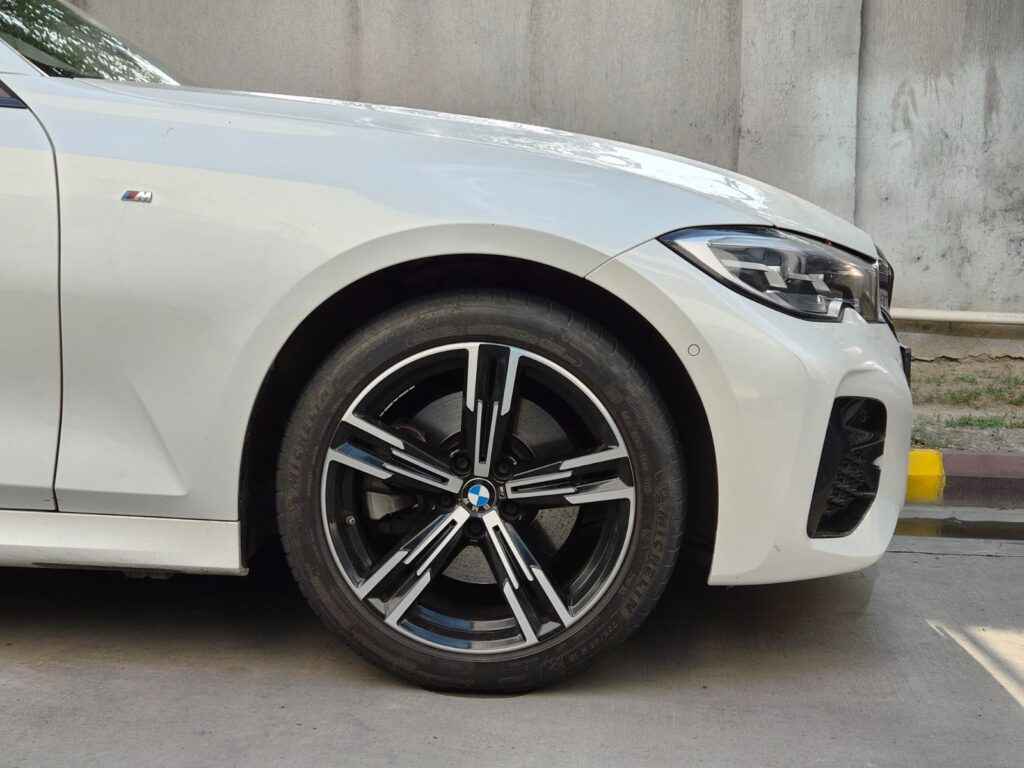






Low-light performance has also seen some improvement compared to previous generations. Images are brighter, cleaner and often capture more detail than what your eyes might pick up in darker scenes, which makes night photography more usable than before.



The 3x telephoto lens remains a strong point. It delivers natural-looking colours, decent subject separation and fairly clean edge detection. For casual portrait photography, you can expect a good job.






On the video side, Samsung continues to impress with its feature-rich experience. The features like Horizon Lock are genuinely useful, especially for handheld or on-the-move shooting, helping keep footage stable and level. The ability to shoot in 8K gives users flexibility, although these modes are still more niche than everyday features.
The selfie camera is also decent for everyday use. You may see the portrait edge detection occasionally appearing a bit soft. But, overall, it gets the job done.



Samsung’s AI-powered editing tools are also quite useful. Features like object removal and generative edits are fun to use and work reasonably well for casual edits, but results can be inconsistent and sometimes lean towards looking slightly unnatural.
Galaxy S26 Plus: Verdict
The Samsung Galaxy S26 Plus feels like a phone that’s confident in what it is, sticking to a formula that works. It delivers a well-rounded flagship experience, focusing on reliability and balance in an increasingly competitive segment.
On one hand, there is a lot to like here. The design remains premium and durable, maintaining a classic aesthetic that has aged well. The display continues to be one of Samsung’s strongest assets: accurate, bright and consistently reliable across different use cases. In day-to-day usage, the phone performs exactly as you would expect from a flagship, with smooth navigation, stable gaming performance and a software experience that feels polished and long-term ready, especially with the promise of 7 years of software updates.
However, you also need to see that the Galaxy S26 Plus prioritises refinement over some drastic and radical change. Performance, while strong, is tuned for efficiency, and the slim chassis means the device manages sustained loads by balancing output. The camera system, despite being reliable and capable, stays true to the hardware seen in previous generations. It delivers good results, providing a familiar experience for users upgrading from older Plus models. Battery life is also dependable, maintaining the standard set by its predecessors.
Ultimately, the Galaxy S26 Plus is a safe, dependable flagship. It doesn’t try to reinvent the formula, and for many users, that consistency will be a strength. It may come across as a device that is perfecting its current ground, making it a solid choice for those who value a predictable, high-quality experience over experimental features.
Samsung Galaxy S26+ Key Specs, Price and Launch Date
| Release Date: | 25 Feb, 2026 |
| Market Status: | Launched |


