
Mark Zuckerberg shuts metaverse: 10 bizarre moments that defined it
 Follow Us
Zuckerberg spent $80 billion on a world nobody wanted to live in
Meta's own employees faked playtime to avoid entering Horizon Worlds
Snoop Dogg's virtual neighbour paid $450,000 for worthless digital land
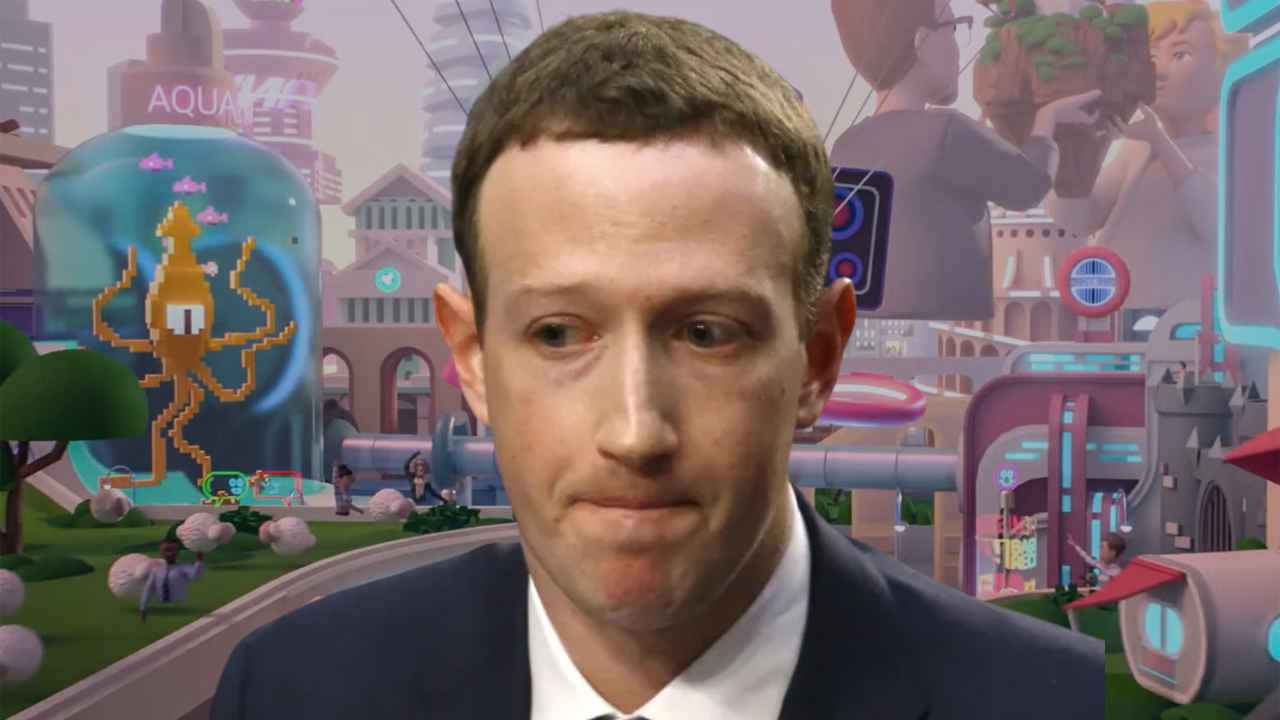

The metaverse is dead. It died slowly, expensively, and in front of everyone and now Meta has made it official, announcing that Horizon Worlds will go dark on June 15, 2026. A platform that was supposed to replace reality, caused the rebranding of an entire company, and burned through nearly $80 billion, is shutting down. And its most loyal users were a taped-up headset and a USB cable. But before it goes, I think we should look back at it to understand what it truly did. So here are ten moments that defined the Metaverse as a whole.
 Survey
Also read: Mark Zuckerberg’s Metaverse failure: A digital future that no one wanted
Zuckerberg got cyberbullied into updating his own face
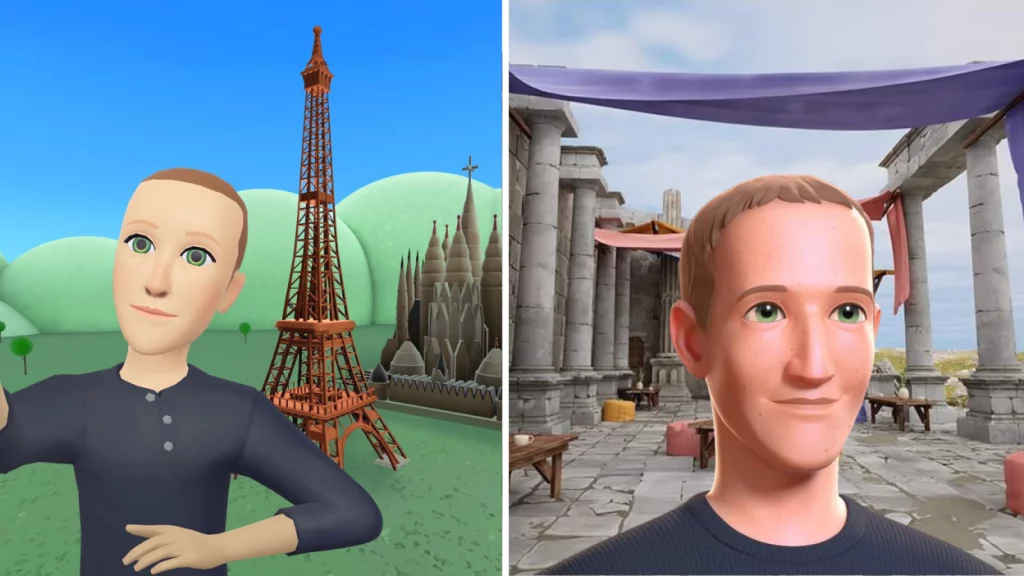
On August 16, 2022, Zuckerberg posted a selfie on Facebook to celebrate Horizon Worlds’ launch in France and Spain, his avatar standing in front of low-res renditions of the Eiffel Tower and La Sagrada Família. Within a day, the post received over 16,000 comments. NYT columnist Kevin Roose said the graphics looked worse than a 2008 Wii game. Four days later, Zuckerberg posted a new, improved selfie, effectively admitting he’d been cyberbullied into a redesign. A trillion-dollar company, patching its CEO’s face in real time.
Concerts that weren’t on Fortnite
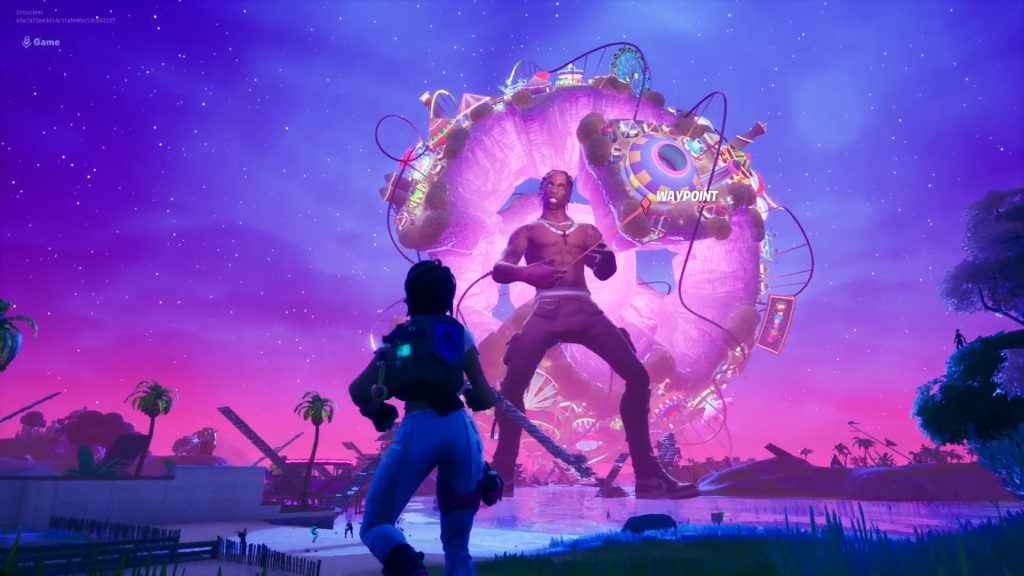
Horizon Worlds hosted live VR concerts in its “Music Valley” space, bringing in acts like Doja Cat, BLACKPINK, Imagine Dragons, Sabrina Carpenter, and Coldplay. None of them generated attendee figures Meta was willing to publish. The comparison that must really sting is that the era’s defining metaverse concerts – Travis Scott’s Astronomical and Ariana Grande’s Rift Tour – both happened in Fortnite, a game that had nothing to do with Zuckerberg, drew tens of millions of players each, and made the host platforms look like the future. Horizon Worlds got Coldplay. Fortnite got viewers.
Someone paid $450,000 to be Snoop Dogg’s neighbour
When Snoop Dogg announced he was recreating his California mansion in The Sandbox, an NFT collector going by P-Ape paid close to $450,000 for the plot next door. Snoop tweeted: “Won’t you be my neighbor.” The land is now worth a fraction of that. Snoop, to his credit, got paid either way. The buyer got a deed to nothing.
Also read: Meta and Mark Zuckerberg bet big on AI Superintelligence: Here’s how
Barbados opened an embassy there
Also read: Adobe and NVIDIA push Firefly beyond image generation into full-scale enterprise workflows
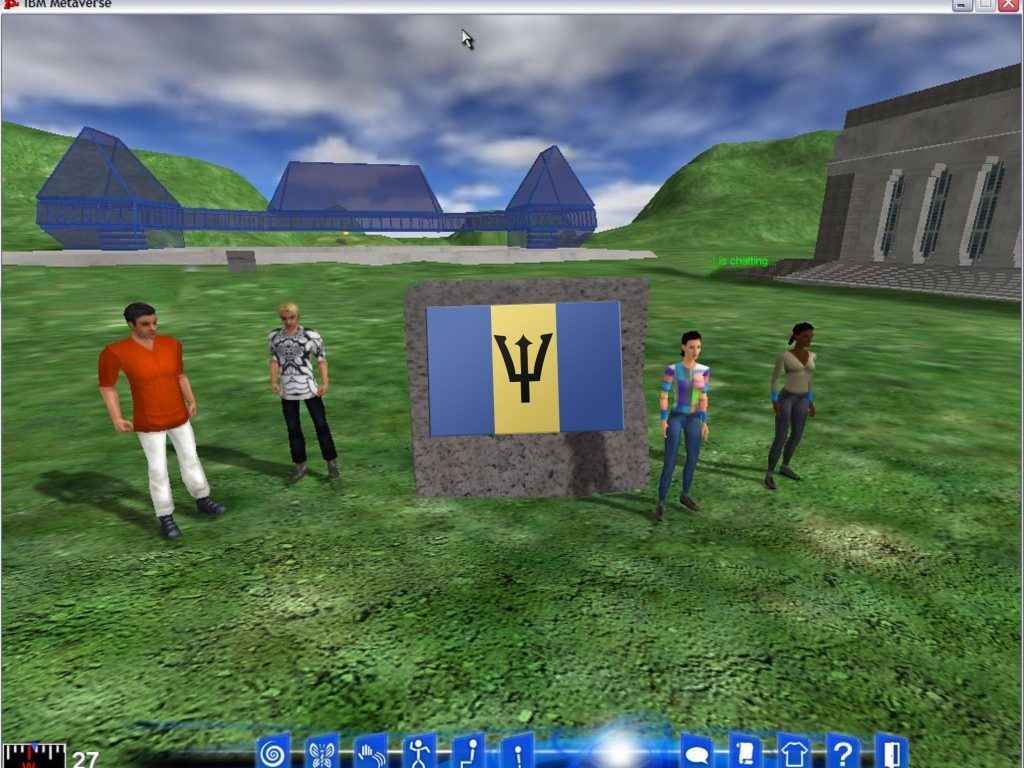
In November 2021, Barbados signed an agreement with Decentraland to build the world’s first metaverse embassy. The ambassador argued it would give a small island nation the same diplomatic footprint as Germany or the United States, equal standing in a world where geography didn’t limit you. It was a genuinely interesting idea. The embassy was never used, the virtual staff never arrived, and Decentraland quietly became one of the emptiest places on the internet.
The avatars had no leg. For years.
Move around Horizon Worlds and you did so as a floating torso – no legs, no feet, just arms and a head drifting through virtual space. When mockery reached a peak, Meta unveiled avatar legs at its 2022 Connect conference – which turned out to be motion-captured animations, not actual Horizon Worlds technology. A fake demo, to solve a real embarrassment. Legs were the platform’s single most requested feature. They partially arrived in 2023, two years after the platform launched.
A teenager was gang-raped in it
UK police launched an investigation after a girl under 16 was left distraught after her avatar was gang-raped by adult men in a virtual room. Officers said she suffered psychological trauma equivalent to a real-world assault, given the immersive nature of VR. It wasn’t an isolated incident – researcher and psychotherapist Nina Jane Patel had already documented a near-identical experience in Horizon Worlds the year prior. Meta’s suggested fix was a “Safe Zone” bubble the user could activate herself. The attacker had to do nothing.
Decentraland had 38 active users
Not 38,000. Not 38 million. Thirty-eight. A 2022 report found Meta’s virtual environment had approximately 38 active users. Billions of dollars in investment, and you could fit the entire active user base in a school bus with seats to spare. The metaverse wasn’t a ghost town, it was something worse: a ghost town that cost more to build than most actual towns.
JP Morgan opened a bank branch
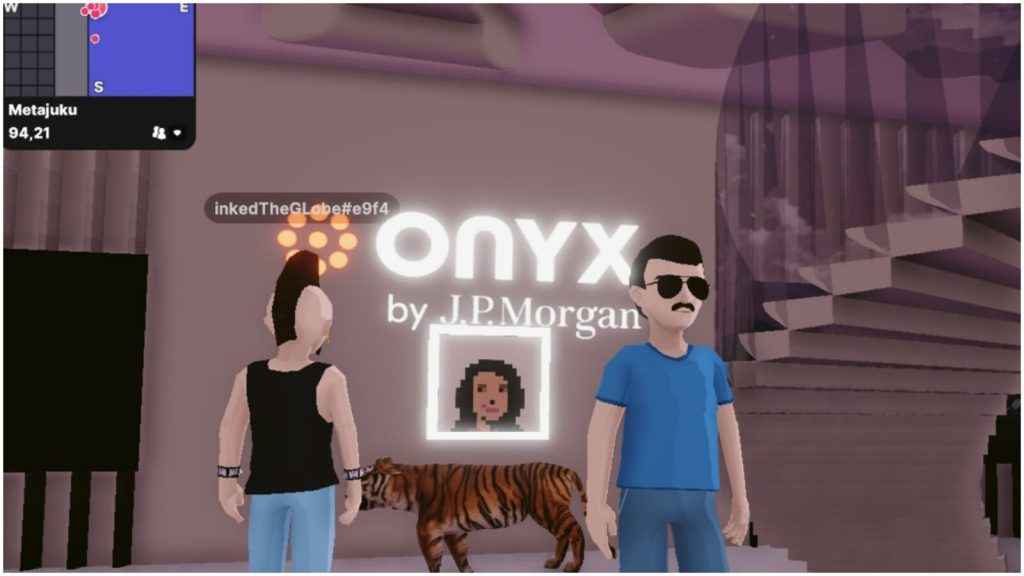
In 2022, JP Morgan became the first major bank to open a presence in the metaverse, a lounge in Decentraland, complete with a framed portrait of CEO Jamie Dimon on the wall and a roaming jaguar prowling the lobby. There were no customers. There was, however, a big cat. The bank published a report calling the metaverse a trillion-dollar opportunity. The lounge and the claims from that report have since been abandoned.
A birthday Party
When a teenager threw her birthday party in Horizon Worlds, footage circulated of a near-empty, glitchy virtual space, balloons floating through walls, avatars clipping into furniture, a party of ghosts. It became the internet’s shorthand for everything wrong with the platform. The loneliness, the jank, the gap between what Zuckerberg promised and what actually existed. Nobody should turn 16 in a place like that.
Meta employees automated fake playtime
When Meta leadership required employees to actively spend time in Horizon Worlds, some developers automated the entire thing – launching the game via Android command over USB, taping the proximity sensor on the headset so it would register as worn, and never actually entering the virtual world once. The people logging the most hours had never been inside. The metaverse was so bad, its own builders refused to live in it.
Zuckerberg bet $80 billion on a world nobody wanted to live in – not the users, not the celebrities, not the corporations, and not even the people who built it. The shutdown on June 15 doesn’t just end a product. It ends one of the most expensive hallucinations in corporate history, one that tried to replace reality and lost, in the end, to a pair of Ray-Bans.
Also read: Intel Core Ultra 200HX Plus gaming chips: Intel’s new Binary Optimization Tool explained


