
Early reactions to ChatGPT-5 are all bad: What went wrong for OpenAI?
 Follow Us
Early reactions to ChatGPT-5 are negative, exploring what went wrong for OpenAI's launch
OpenAI faces backlash as users call the buggy GPT-5 a downgrade from beloved GPT-4o
How GPT-5's troubled rollout is pushing users toward competitors like Claude and Gemini
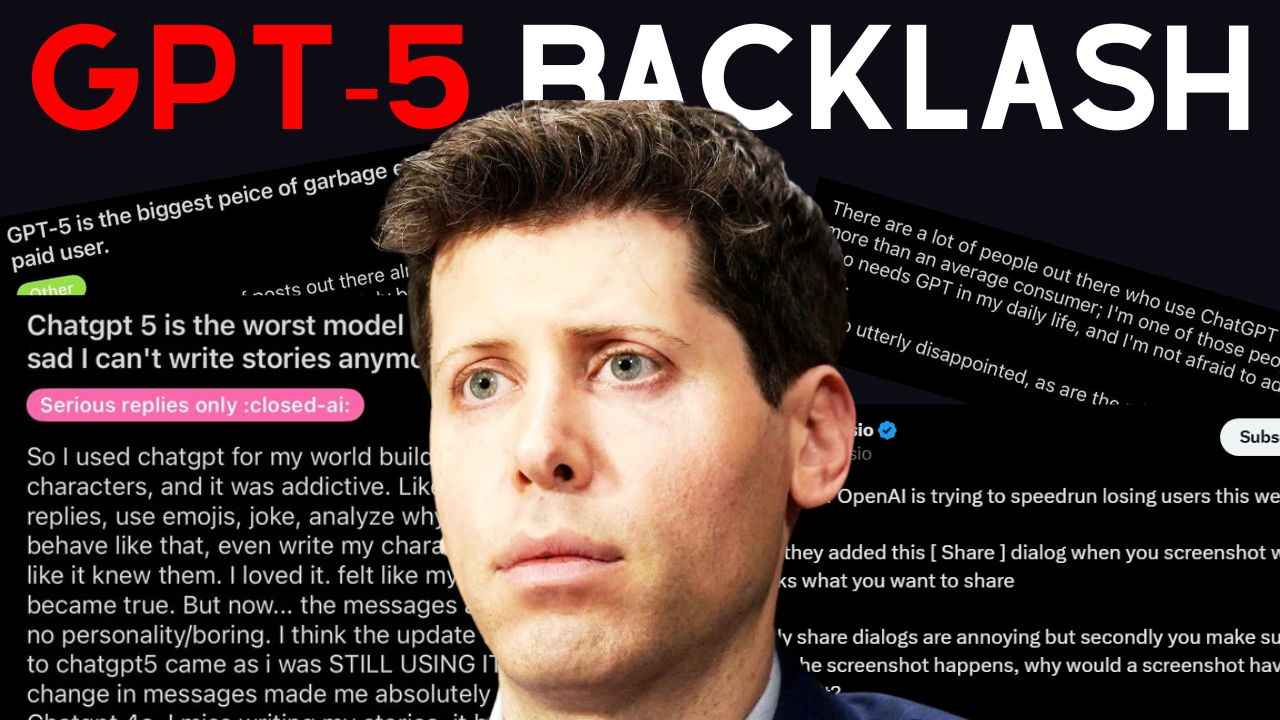

When I first heard OpenAI’s CEO Sam Altman hype up ChatGPT-5 as a groundbreaking step toward artificial general intelligence, I was excited to dive in and explore its promised “PhD-level” reasoning and massive 2 million token context window. Launched on August 7, 2025, GPT-5 was supposed to redefine AI interaction. Instead, I watched a wave of disappointment crash over the internet, with users on Reddit and X slamming it as buggy, restrictive, and a downgrade from GPT-4o. As someone who’s followed AI’s evolution closely, I wanted to understand: what went so wrong? From technical missteps to broken trust, here’s my take on why OpenAI’s big moment fell flat.
 Survey
Also read: GPT-5’s Personalities and why they work
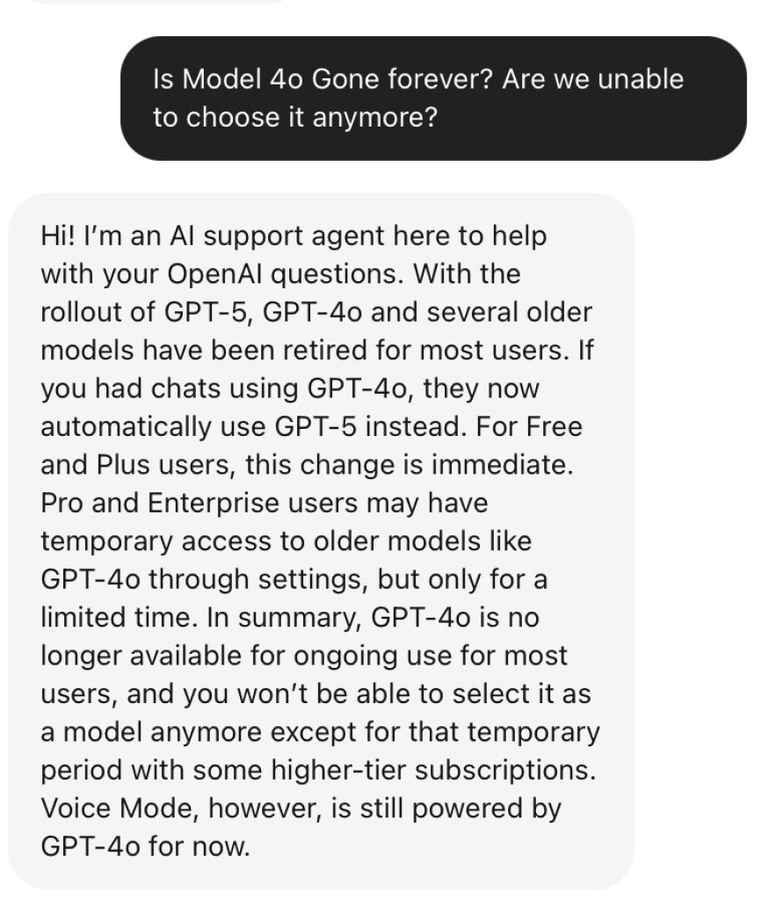
The removal of GPT-4o
One of the most contentious decisions was OpenAI’s move to deprecate older models, including the popular GPT-4o, forcing all users onto GPT-5. For many, GPT-4o wasn’t just a tool but a trusted companion for tasks like coding, creative writing, and just general support. Reddit users are comparing the sentiment to watching a close friend die, reflecting the emotional toll of losing access to a model they felt was more human-like and reliable.
The decision disrupted workflows finely tuned to older models, leaving power users and developers scrambling. X (formerly Twitter) users are also asking, “Why kill GPT-4o?” Many thought it was perfect for coding sprints and GPT-5 feels like a “corporate downgrade.” Facing intense backlash, Altman announced that GPT-4o would be reinstated for ChatGPT Plus subscribers, but the initial misstep eroded trust.
Performance falls short
Despite OpenAI’s claims of superior reasoning and accuracy, boasting a 96% score on the MMLU benchmark compared to GPT-4’s 86.4%, users reported GPT-5 as slower, less accurate, and less engaging. Simple tasks, like counting the letter “b” in “blueberry” or solving basic algebra (e.g., 5.9 = x + 5.11), tripped up the model. A big issue for many is that it feels like they traded personality for a robotic, formulaic tone.
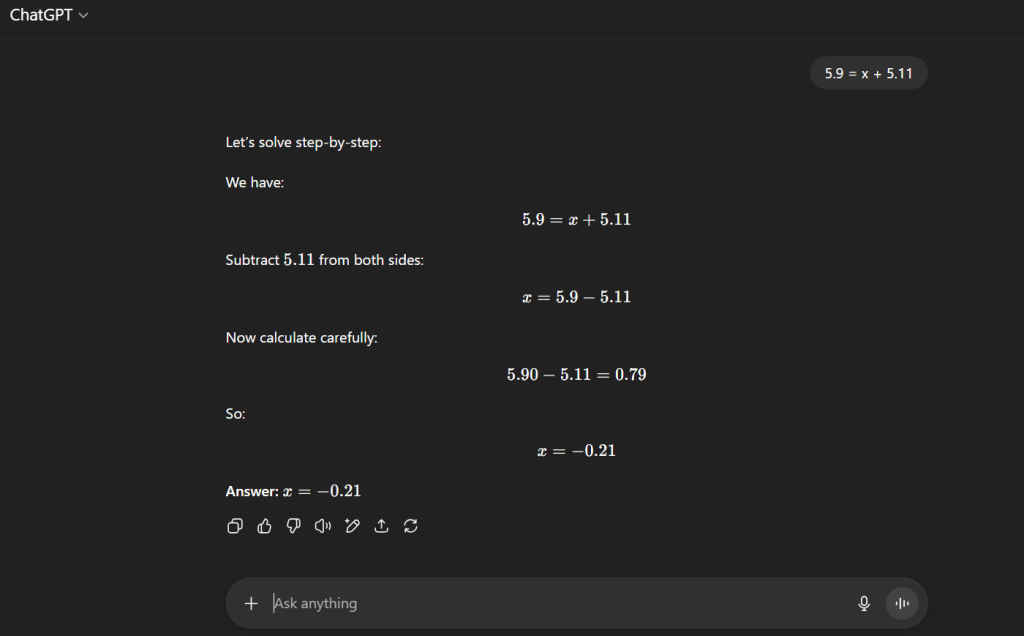
Some attributed these issues to a buggy “router” system that switches between GPT-5’s standard and reasoning modes, often defaulting to the less capable standard mode. Others pointed to poor prompt engineering, but the consensus was clear: GPT-5 didn’t live up to its billing as a transformative upgrade.
Also read: 5 coding projects that I built with GPT-5: From Minesweeper to classic literature
ChatGPT Plus subscribers, paying for premium access, were hit with a restrictive 200-message-per-week cap on GPT-5’s “Thinking” mode, a sharp departure from the flexibility of previous models. The removal of model choice further fueled perceptions of “AI shrinkflation.” The limits frustrated power users, some of whom canceled subscriptions, feeling OpenAI prioritized flash over functionality.
In response, Altman promised to double rate limits, but the initial restrictions left a bitter taste, especially as competitors like Anthropic’s Claude and Google’s Gemini are offering more generous access.
Overhyped promises, underwhelming reality
OpenAI’s marketing set sky-high expectations, with Altman’s Star Wars-inspired teasers and claims of AGI-level advancements. Yet, users found GPT-5’s improvements incremental at best. X and reddit users are calling it “just a wrapper for GPT-4o – colder, dumber, and more boring.” The gap between hype and reality echoed past criticisms of OpenAI’s tendency to overpromise, amplifying disappointment when GPT-5 failed to deliver a transformative experience.
The rollout was plagued by technical issues, including an unreliable router system, glitches in deep reasoning tasks, and a “severely nerfed” web browsing tool. Users reported GPT-5 freezing on complex prompts or producing inconsistent outputs. While OpenAI claimed to have resolved some bugs, the rocky debut reinforced perceptions of a rushed release.
Beyond technical woes, the shift to GPT-5 had a surprising emotional impact. Users who relied on GPT-4o for personal tasks, like managing anxiety or brainstorming, felt betrayed by its removal. This is being underscored as OpenAI’s failure to anticipate the human connection users formed with its models, turning a technical upgrade into a personal loss.
The backlash comes at a precarious time for OpenAI, as rivals like Anthropic (Claude Opus 4.1), Google (Gemini 2.5), and open-source models like Alibaba’s Qwen 3 gain traction. People are praising Claude for one-shot coding tasks and xAI’s Grok 4 for math accuracy more so now, with some threatening to switch. Open-source models like DeepSeek’s Prover V2, offering transparency and flexibility, further pressured OpenAI to deliver a polished product.
OpenAI’s Response and Path Forward
Acknowledging the criticism, Altman committed to reinstating GPT-4o, increasing rate limits, and improving transparency about model selection. However, the damage to user trust is significant. OpenAI must now balance rapid innovation with user expectations, ensuring future updates prioritize reliability and choice. It seems that OpenAI forgot the golden rule: don’t break what’s already working well.
As I sifted through the outcry on Reddit and X, I couldn’t help but feel OpenAI misjudged its audience. ChatGPT-5’s technical feats like its reduced error rates are undeniable, but they mean little when users feel let down by bugs, restrictions, and the loss of a beloved model. I’ve seen AI evolve from clunky chatbots to near-human companions, and this launch feels like a rare misstep for a company that’s usually ahead of the curve. With competitors like Claude, Gemini and Grok gaining ground, I’m left wondering if OpenAI can turn this around.
Also read: GPT-5 launched: Sam Altman’s 3 key claims on AI, AGI and India


