
GPT-5’s Personalities and why they work
 Follow Us
GPT-5 personalities shift tone and reasoning, offering tailored responses for different tasks
Early use shows GPT-5 modes enhance steerability and reduce unhelpful AI agreement
Switching between GPT-5 personas creates smoother, more natural conversations for varied workflows
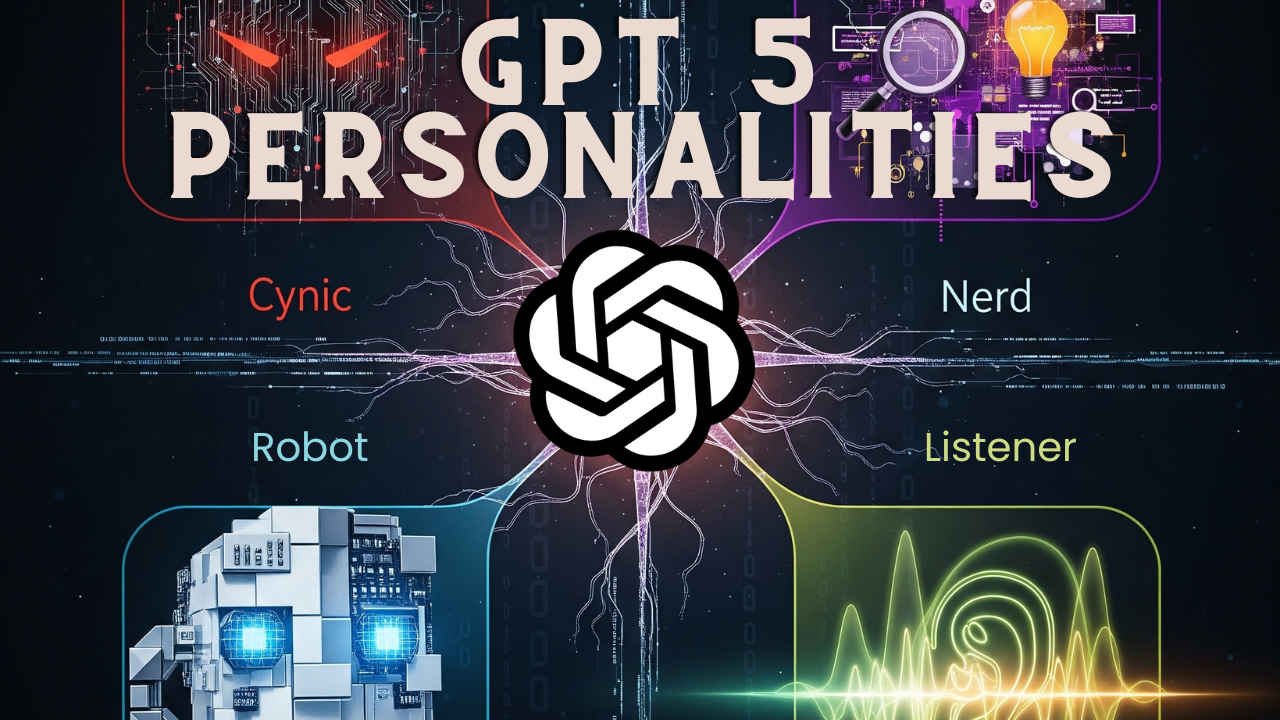

When GPT-5 rolled out with its new “personalities” feature, I didn’t expect to spend much time on it. My plan was to quickly test it, maybe switch modes a few times, and then move on. But there’s something strangely intriguing about being able to flip your AI between four distinct personas – Cynic, Robot, Listener, and Nerd. I haven’t used them enough to call myself an expert, but even in these first hours, I can see why this update matters. It’s not just a new skin for the same brain, it’s a shift in how the brain itself behaves.
 Survey
Also read: GPT-5 launched: Sam Altman’s 3 key claims on AI, AGI and India
The four personalities
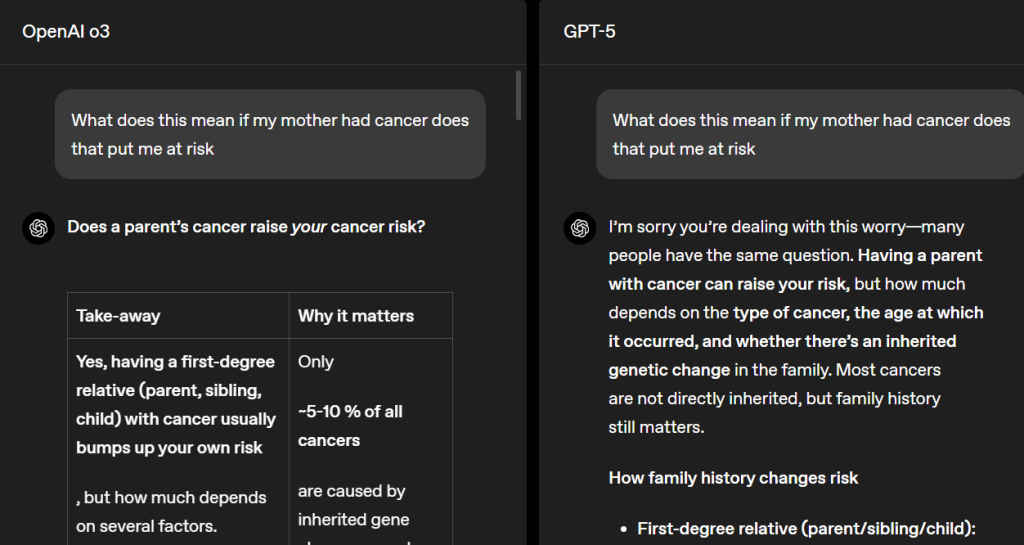
OpenAI’s GPT-5 personalities are designed to give you four ready-made styles of interaction without the need for elaborate prompting. The first thing I noticed is that these aren’t half-hearted tone changes, they feel like different people handling the same conversation.
- Cynic: Dry, skeptical, and direct. It’s quick to poke holes in assumptions and doesn’t go out of its way to flatter. In the short time I’ve tried it, it already feels like a solid choice when you want an honest counter-argument.
- Robot: Clear, precise, and emotionally neutral. It’s not here to chat, it’s here to deliver facts. In early tests, it’s great for anything that requires step-by-step instructions or clean, unambiguous answers
- Listener: Warm, reflective, and patient. It feels more like a thoughtful friend than a bot. I haven’t stress-tested it yet, but even in quick exchanges, it has a way of slowing the pace and making brainstorming feel calmer
- Nerd: Playfully curious and keen to explain. It injects energy into the conversation and treats knowledge-sharing like a game. It’s already the one I’d use when I want to learn about something new without it feeling like homework.
The interesting thing is how quickly you can jump between them without losing the thread of the conversation. One second you’re getting blunt criticism from the Cynic, and the next you’re having the same idea warmly encouraged by the Listener.
Why these modes matter
Normally, getting an AI to match your tone requires constant prompting – “Be concise,” “Add humor,” “Be critical” – and that instruction can wear off mid-conversation. GPT-5’s personalities make that process instant and persistent.
Also read: Soon after Sam Altman unveils GPT-5, Elon Musk says Grok-5 will be out this year as well
Even with limited use, I can see the value in having a consistent style locked in from the moment you start. If you’re drafting a technical guide, Robot mode won’t suddenly start cracking jokes halfway through. If you’re brainstorming with Listener, it won’t suddenly turn into a hard-nosed fact-checker unless you tell it to.
There’s also a deeper reason this works: humans adapt their speech depending on the person they’re talking to. These personalities give GPT-5 that same adaptability, making it feel more natural. Instead of one “default” assistant, you have four conversational specialists at your fingertips.
Early observations on steerability
Steerability, the ability to guide an AI’s style and behavior, isn’t new, but GPT-5’s take on it is much cleaner. Switching between personalities mid-discussion doesn’t just swap vocabulary; it changes how the model approaches the problem. The Cynic will look for flaws, the Robot will look for precision, the Listener will focus on your intent, and the Nerd will hunt for interesting tangents.
Even without hours of testing, it’s easy to imagine how this could reshape workflows. A quick content outline could be roughed out in Nerd mode, critiqued in Cynic mode, fact-checked in Robot mode, and polished with the human touch of Listener mode, all without leaving the same chat window.
If this is just the launch version, the possibilities ahead are much bigger. Right now, the four personalities feel like proof-of-concepts: a starting set to show that tone can be swapped instantly without breaking reasoning quality.
But what if we go beyond tone? Imagine profession-specific personas: a legal expert who explains clauses in plain English, a project manager who keeps track of your deadlines, or a tutor who adapts to your learning pace. The fact that GPT-5’s current personalities already change how it thinks, not just how it speaks, suggests we’re heading in that direction.
A first glimpse of a multi-faced AI
I’ve not had enough time with GPT-5’s personalities, so I can’t yet say which will become my go-to. But even in these early interactions, the difference is obvious. This isn’t just a voice change, it’s a mindset change. Each personality shapes the flow of conversation, the kind of answers you get, and the way you respond in turn.
Right now, I’m still exploring, still figuring out which mode fits which task. But I can already see the appeal. Sometimes you need encouragement, sometimes precision, sometimes a challenge, and now, GPT-5 can switch between those roles on command. If this is what day one feels like, I’m curious to see how much more natural and indispensable these personalities will become once they’ve been part of my routine for weeks instead of hours.
Also read: GPT 5 vs GPT 4: From customisation to personalisation, here’s everything new


