
Ex-Windows head blown away by Apple’s MacBook Neo, says this is where we went wrong
 Follow Us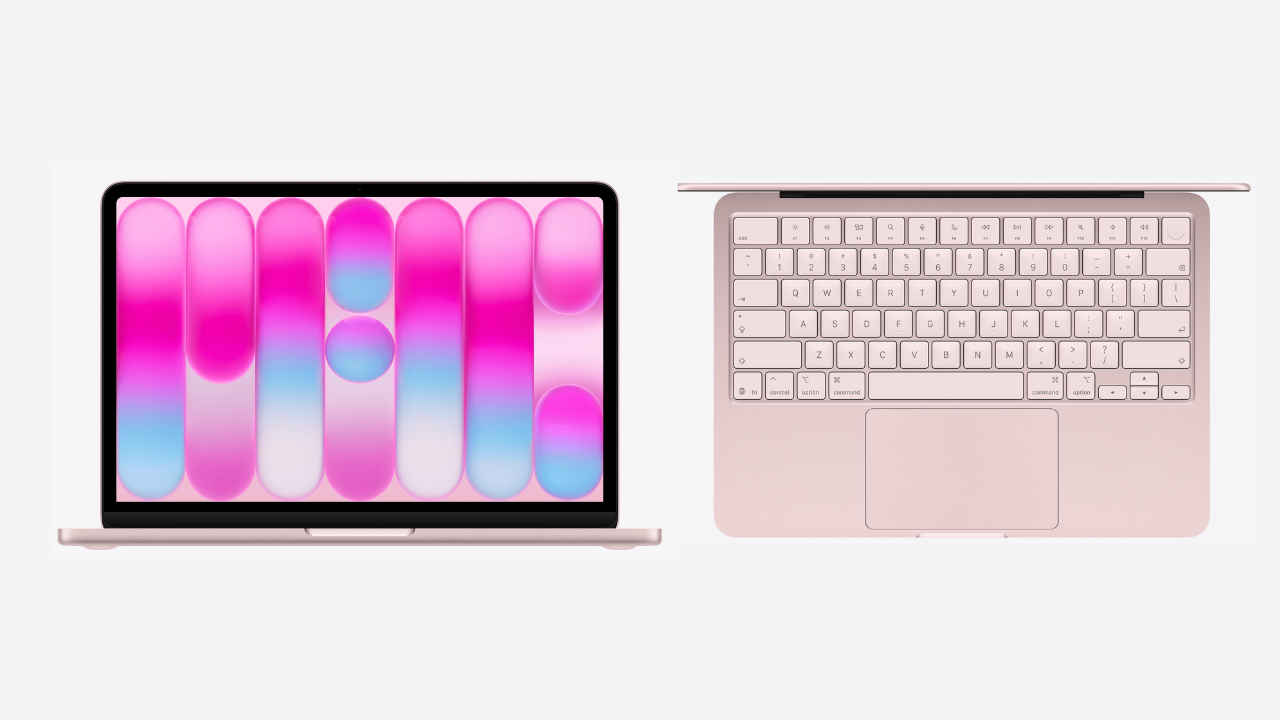

Last week, Apple launched its most affordable laptop yet, the MacBook Neo. Available in some exciting colour options and proving to be a great entry point in the Apple ecosystem, the laptop got people around the world quite excited. Early reviews about the laptop are already in and many people are praising the new toy in town. Among the people who have taken a fancy to the laptop is Steven Sinofsky. In an article published on X (Twitter), Sinofsky shared his opinion of the device and said that Neo is a replacement for the MacBook Air for him.
 Survey
Not only this, he also added that MacBook Neo shows where Windows went wrong. And since Sinofsky served as President of the Windows Division at Microsoft until 2012, this statement holds a lot of weight. Read on to know exactly what he said.
Also read: MacBook Pro M5 gets big discount on Amazon: Should you buy it?
Ex-Windows head on Apple’s MacBook Neo
In an article titled ‘Mac Neo and my afternoon of reflection and melancholy’, Sinofsky started off by mentioning that he recently got his hands on the new laptop, Citrus colour variant and 512 GB configuration. Now this isn’t the base MacBook Neo as the laptop has a 256GB variant as the starting point.
Talking about how the laptop ran with no hiccups the moment he unboxed it, Sinofsky wrote that he set up the device using Migration Assistant and was able to start using it quickly. He also mentioned that the first 24 hours are not ideal for judging performance because background processes such as Spotlight indexing are still running. He then shared how after opening his usual apps and photos, the experience felt similar to using a MacBook Air. Memory usage stayed just under 7GB for most of the time, briefly increasing while launching apps before dropping again, based on Activity Monitor.
Talking about ‘the compromises’
Now it is no secret that Apple has cut some corners with the MacBook Neo. There is no Magsafe charging or backlit keyboard. Talking about these, he said, “All the “compromises” are totally acceptable and go unnoticed to me.’
Elaborating further, he wrote, ‘I always charge over USB anyway. Anywhere I need an external display there’s an HDMI/USB adapter attached. I only rarely use external USB storage (security!) and so on. The trackpad is a tad smaller but the physical click feels little different than Force Touch to me.”
He then went on to say that the Neo is like a MacBook Air replacement for him, in a much “cooler colour.”
Sinofsky believes Windows missed the opportunity
In his post, Sinofsky also went on to reflect on Microsoft’s early attempts to build a new class of lightweight, ARM based computers. He pointed out that the company already had many of the pieces in place more than a decade ago. The original Surface device running on Nvidia’s Tegra chip came with 2GB of RAM and up to 64GB storage, which at the time was enough to run tools like Microsoft Office and handle everyday browsing. According to him, the hardware itself was not the problem.
Instead, he believes the real challenge was transitioning Windows to a new app ecosystem. Microsoft tried to move developers towards a modern, secure and power efficient app model with Windows 8. However, many users and developers resisted the change because they wanted to continue using the traditional Windows app framework that had existed for years.
Sinofsky then argued that this legacy compatibility slowed down progress. In contrast, Apple spent decades gradually modernising its software ecosystem, pushing developers to adopt new APIs and frameworks. As a result, he believes Macs today benefit from apps that are more secure, efficient and better optimised for modern hardware.
‘Apple’s software secret was this constant upgrading of the OS and the ecosystem (from drivers up). Microsoft’s secret was run everything forever’,” he wrote.
‘What could have been’
Looking back, Sinofsky admitted that using the MacBook Neo made him reflect on how things might have turned out differently for Windows. He said the direction Microsoft had envisioned with Windows on ARM and the early Surface devices was not far from what Apple is now delivering with its modern MacBooks. In his view, if Microsoft had managed to successfully shift developers towards the new app model, the Windows ecosystem might have reached a similar place years earlier.
He also suggested that Microsoft could have expanded the concept further with different device formats including clamshell laptops, desktops and cellular enabled PCs. Much of the groundwork for such products already existed internally at the time. However, the company eventually stepped back from pushing that transition aggressively.
Concluding his piece, Sinofsky praised Apple for executing its vision successfully and called the MacBook Neo as an impressive product. At the same time, he said using the laptop reminded him of the ambitions Microsoft once had for the future of personal computing, calling the experience a moment of “what could have been.”
Also read: MacBook Neo available for sale in India: 5 reasons to buy and 2 reasons to skip


