
Build software for AI agents, not necessarily humans: Box CEO
 Follow Us

The Box CEO, Aaron Levie thinks software has a new customer, and it isn’t you. He has recently published a long piece on X arguing that AI agents, not humans, are becoming the primary users of software, and that most of the industry hasn’t caught up to what that actually means for how products get built and sold.
 Survey
Also read: ChatGPT, Grok, and Claude were asked to commit academic fraud, here’s how they responded
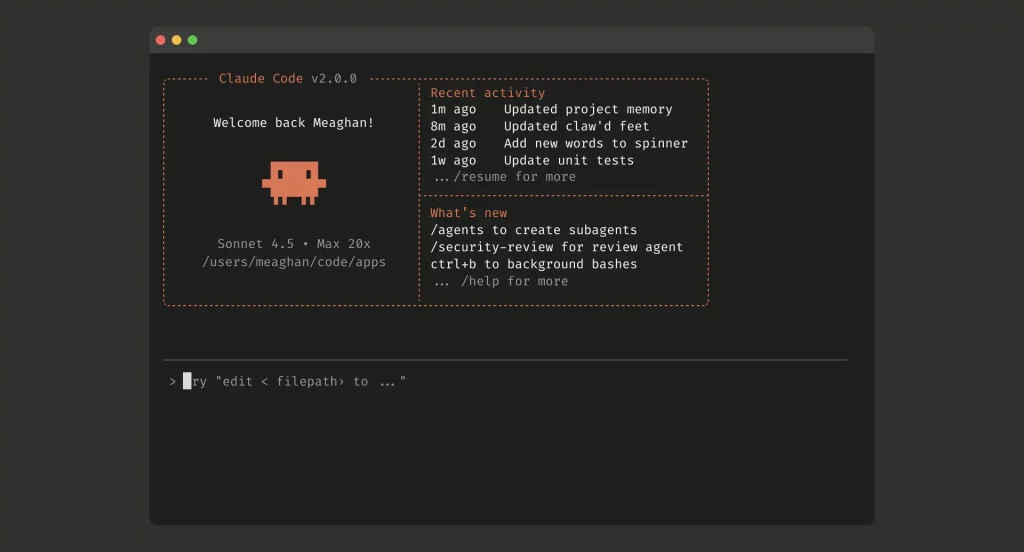
The argument starts from somewhere observable, coding agents like Claude Code and Cursor have crossed a threshold in the last few months. They’re no longer chatbots bolted onto a few tools. They have their own compute environments, file systems, long-term memory, and can call APIs and CLIs directly. That architecture, Levie argues, is now spreading out of software development and into every corner of knowledge work – legal review, financial audits, customer support, drug discovery, sales.
Also read: People who use AI most are more mentally drained, finds study
The scale he’s projecting is significant. He expects enterprises to eventually run hundreds or thousands of agents for every human employee. At that ratio, agents stop being a feature and become the dominant user of all software. “Agents will become the primary user of all software in the future,” he writes, framing it less as a prediction and more as an engineering constraint companies should already start designing around.
His riff on Paul Graham’s famous “make something people want” captures the strategic shift neatly. Agents don’t go to webinars. They don’t respond to ads or a well-designed onboarding flow. They use whatever tool is easiest to integrate and best suited to the task. Which means the product surface that matters most is no longer the UI, it’s the API instead. If a feature only exists in a graphical interface, Levie’s view is that it effectively doesn’t exist for agents at all.
He’s also blunt about business model implications. Seat-based SaaS pricing doesn’t map cleanly onto agents, which can do hours of human-equivalent work from a couple lines of text. Any software that wants to survive an agentic future, he argues, needs some form of consumption or volume-based pricing built in and possibly the ability for agents to make their own payments for services.
Levie has obvious skin in the game here, Box is explicitly repositioning itself as a file system for agents. But the structural argument he’s making is one the broader software industry is going to have to reckon with sooner or later.
Also read: Where is Apple’s touchscreen MacBook? All rumours so far


