LG G6, C6, B6 unveiled at CES 2026 along with LG W6 wallpaper OLED TV: Details
 Follow Us
LG brings back its iconic ultra-thin Wallpaper OLED with wireless connectivity and a redesigned panel: LG W6
LG G6 and W6 feature Hyper Radiant Color and Primary RGB Tandem 2.0 panels for higher brightness, lower reflections, and cleaner visuals.
LG 2026 TVs still have HDMI 2.2 and standard Dolby Vision.
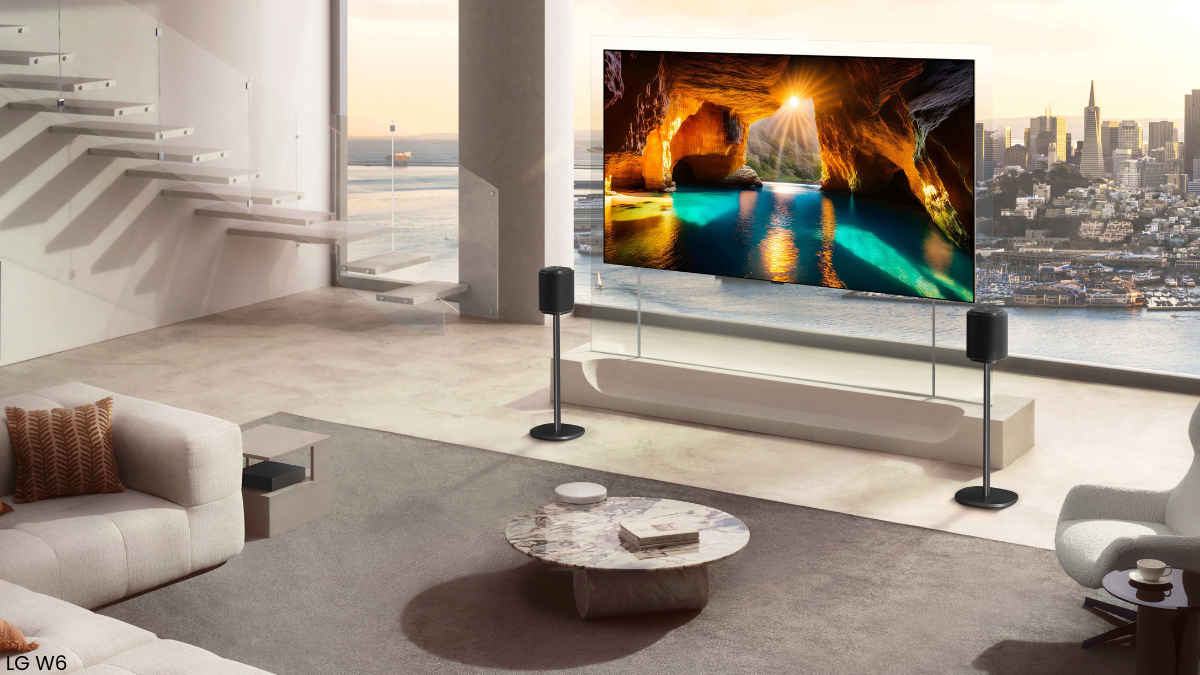

At CES 2026 in Las Vegas, LG Electronics announced its 2026 OLED TV lineup, including the LG G6, LG C6, LG B6, and the return of the ultra-thin LG W6 Wallpaper OLED TV. Premium TV or home-cinema buyers can find out details about these new launches here. The lineup aims to deliver brighter panels, smarter AI features, and cleaner installation with wireless connectivity. LG says the new TVs matter because they push OLED brightness toward 4,500 nits, reduce reflections, and modernise the software experience, while competing with high-end Mini LED rivals from Samsung, Sony, and TCL. The W6 stands out for its flush-to-wall design, wireless input box, and upgraded AI processor.
 Survey
LG W6 Wallpaper OLED TV
LG used CES 2026 to signal that OLED remains its premium TV strategy. It brought back the Wallpaper OLED with the W6 model.
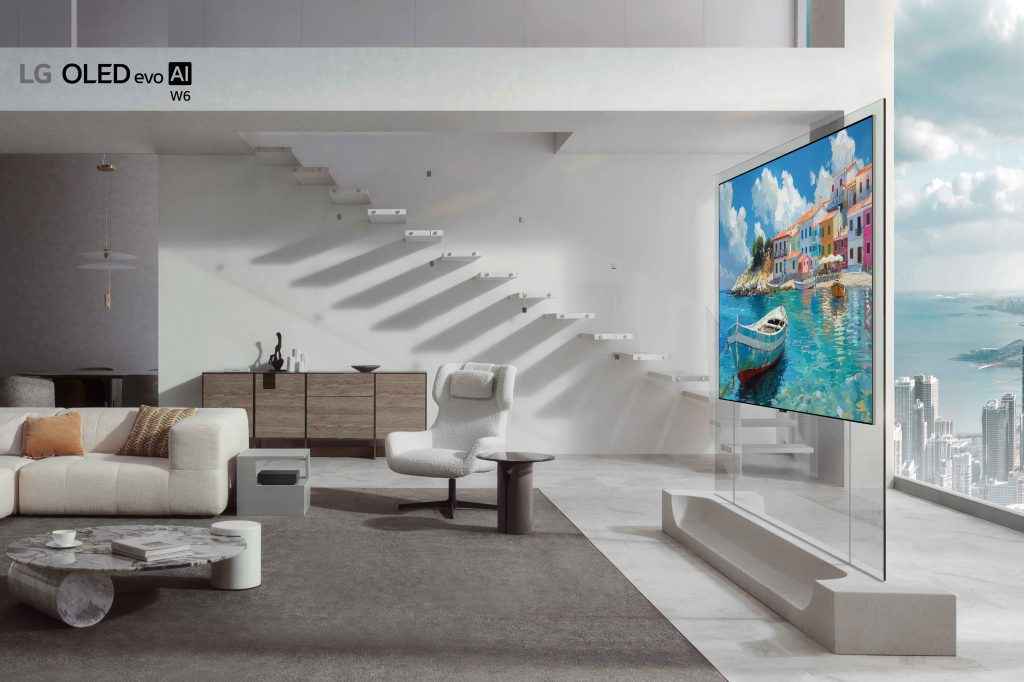
The new LG OLED evo W6 comes in two sizes, LG OLED83W6 and LG OLED77W6. It sports a 9 mm class panel thanks to heavy miniaturisation and a re-engineered internal layout. A redesigned wall mount allows the TV to ‘sit flush against the wall from edge-to-edge, completing the intended Wallpaper Design.’
This is coupled with a wireless Zero Connect Box that can sit up to 10 metres away and act as the TV’s connectivity solution. This enables the display to stay cable-free on the wall while still delivering visually lossless 4K video and audio.
New panel type, features in LG 2026 flagship TVs
The W6 and LG’s flagship G6 are built around LG Display’s new Primary RGB Tandem 2.0 OLED panel. Instead of one OLED emission layer, it stacks separate red, green, and blue layers. This is said to offer higher efficiency, higher peak brightness, and better long-term durability.
LG claims up to 4,500 nits of peak brightness in specific HDR highlights, something that directly challenges high-end Mini LED TVs that have dominated the brightness conversation.
A new light-absorbing structure claims a reflection rate of just 0.3 percent. In practical terms, that means fewer distracting glares and better contrast in bright living rooms, an area where OLED has traditionally struggled.
The company also incorporates its Hyper Radiant Colour Technology, which is designed to push brightness without washing out colour or lifting black levels. The Brightness Booster Ultra system, used on the W6 and G6, can reach up to 3.9x the luminance of conventional OLED panels.
Under the hood, you get the α11 AI Processor Gen3. LG says the new NPU runs dual AI pipelines, so the TV can reduce noise and preserve fine textures at the same time. That should avoid the over-sharpened look sometimes seen on older TVs when aggressive processing is applied.
Also Read: Samsung to announce brighter QD-OLED, 130-inch Micro RGB TV, and more at CES 2026
LG 2026 TV software, connectivity, gaming features
Gallery+ allows the TV to double as décor, with more than 4,500 artworks, AI-generated visuals, and personal photo support.
Voice ID recognises individual speakers and loads custom home screens. Multi-AI brings both Microsoft Copilot and Google Gemini into the experience, enabling conversational search, contextual assistance, and an “In This Scene” feature to pull up cast info or related content while watching.
LG Shield, which won a CES Innovation Award, sits underneath as the company’s in-house security layer for data and privacy.
For gaming, the 2026 TVs feature:
- Bluetooth ULL with latency as low as 1 ms
- 4K up to 165 Hz
- Nvidia G-SYNC and AMD FreeSync Premium
- Auto Low Latency Mode and 0.1 ms response time
- 4K120 cloud streaming via GeForce Now
These TVs still support HDMI 2.1 and standard Dolby Vision.
LG G6, C6, B6, W6: Beyond design
The LG G6 series sits at the top of the 2026 range.
It uses the same Primary RGB Tandem 2.0 tech and Hyper Radiant Colour system as the W6. It targets premium buyers upgrading from previous OLEDs or high-end LED TVs, without crossing into ultra-niche microLED territory.
LG says the flagship G6 is:
- up to 20% brighter than the G5
- up to 3.9x brighter than the B6 at 10% APL
- equipped with improved anti-reflection coating
Models include:
- LG OLED97G6 (no Hyper Radiant Colour)
- LG OLED83G6
- LG OLED77G6
- LG OLED65G6
- LG OLED55G6
- LG OLED48G6 (no Hyper Radiant Colour)
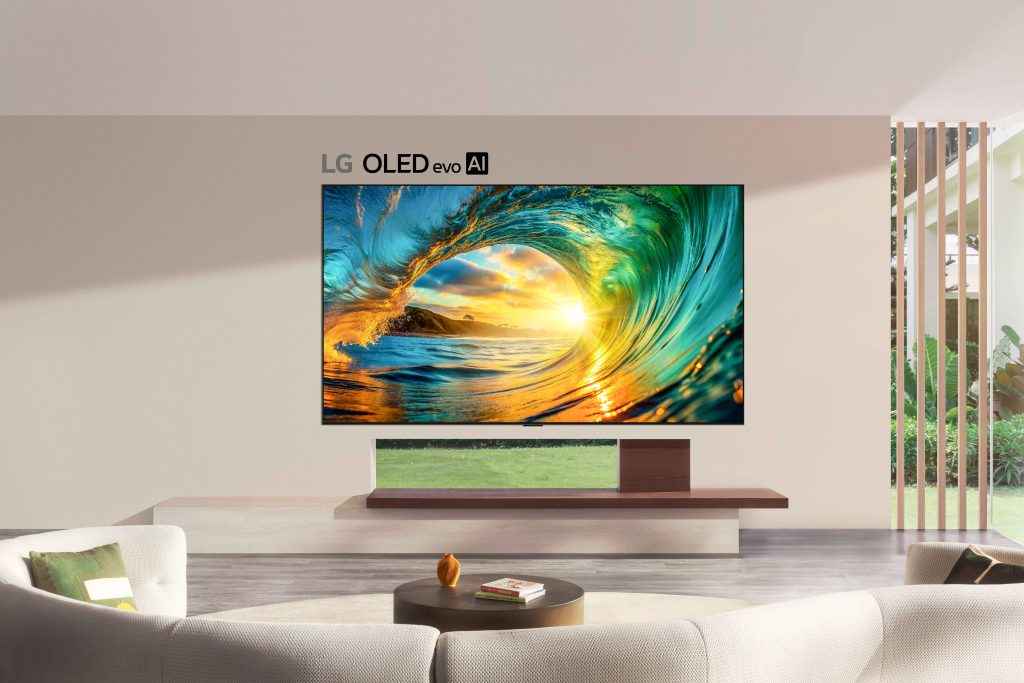
The LG C6 returns as the mainstream option for most buyers.
The C6H version gets the 4-stack Primary RGB Tandem panel, improving brightness and efficiency without reaching G6 levels:
- LG OLED83C6H
- LG OLED77C6H
The standard C6 uses a conventional OLED setup:
- LG OLED83C6
- LG OLED77C6
- LG OLED65C6
- LG OLED55C6
- LG OLED48C6
- LG OLED42C6
The C6S sits slightly below with limited info so far:
- LG OLED65C6S
- LG OLED55C6S
The B6 remains LG’s entry OLED, now with an added 83-inch model.
- LG OLED83B6
- LG OLED77B6
- LG OLED65B6
- LG OLED55B6
- LG OLED48B6
It lacks some brightness tech and AI upgrades, but it helps LG reach users who want OLED quality without flagship pricing.
Keep reading Digit.in for more CES stories.
Also Read: LG and will.i.am will expand Xboom speaker lineup at CES 2026 with AI-driven sound and features


