

No mobile network on your phone? Hackers may be trying a SIM swap attack, here is what you should do
 Follow Us
A sudden and unexplained loss of mobile signal could be a sign of a SIM swap scam.
Fraudsters can take control of your phone number and use it to access OTPs and important accounts.
If your network disappears for a long time, contact your telecom provider and report any suspicious activity immediately.
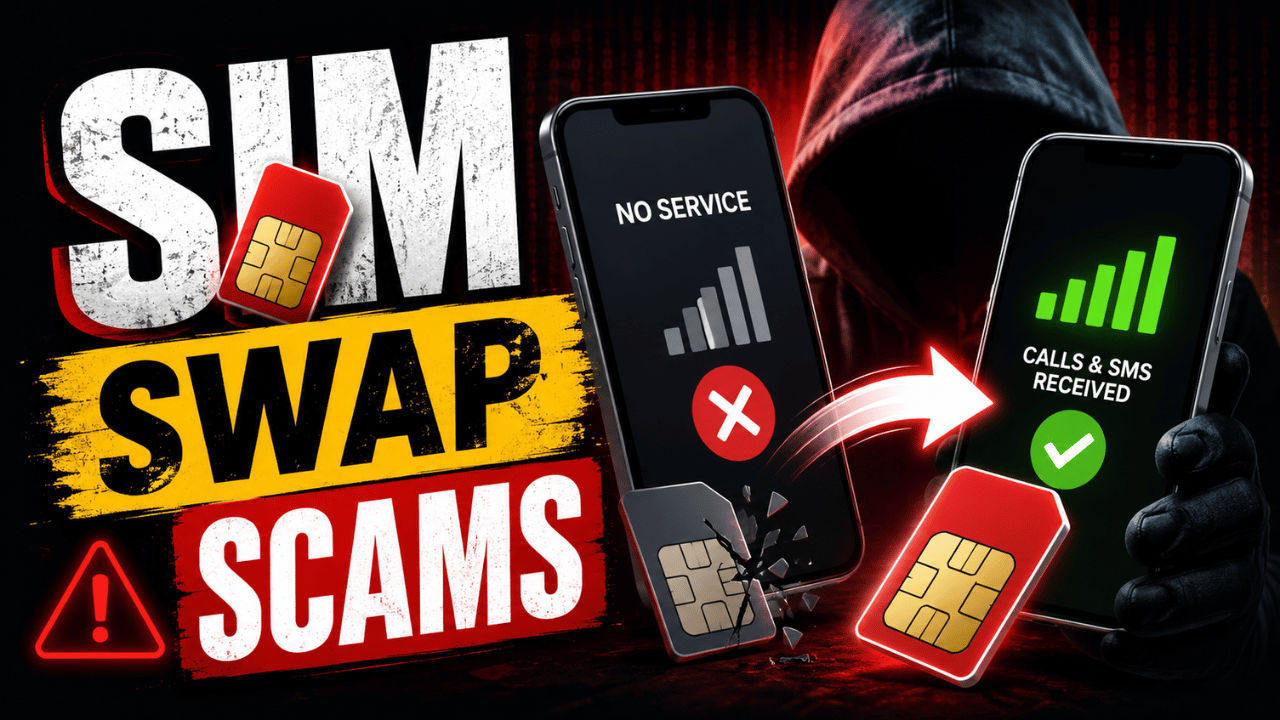

Have you ever noticed your mobile network suddenly disappearing for hours? Most people assume it is a network coverage issue or a temporary problem with their service provider. However, in some cases, a sudden absence of the signal might indicate the occurrence of an even more dangerous activity. Therefore, authorities have warned individuals to remain vigilant in such instances. SIM swap attacks give scammers a way to break into your important accounts. This page covers everything you need to know about this scam and how to protect yourself.
 Survey
What is a SIM swap attack?
A SIM swap scam occurs when a criminal convinces the telecom company serving you to transfer your phone number to the SIM card owned by the fraudster. After this, the fraudster begins to receive your phone calls, text messages, and one-time passwords, hence being able to access your bank account and social media accounts. Since many apps and websites use your phone number to confirm your identity, losing control of your number can lead to serious misuse of your accounts.
Also read: Google AI Plus now offers 400GB storage at the same price: Here is how it works
Government warning
The Ministry of Electronics and IT (MeitY) recently posted on X (formerly Twitter) warning people not to ignore a long loss of mobile signal. They said that if you suddenly stop receiving calls or messages and your phone stays disconnected from the network, you should think about whether someone may have tampered with your SIM. While network outages do happen, a long and unexplained loss of service needs immediate attention.
A sudden and unexplained loss of mobile network service isn't always a technical issue. In some cases, it can be an early warning sign of a SIM swap attack, where fraudsters transfer your number to a SIM card they control.#CyberSecurity #StaySafeOnline #DigitalIndia pic.twitter.com/mtwjU4Btcd
— Ministry of Electronics & IT (@GoI_MeitY) June 8, 2026
What to do if you suspect a SIM swap attack
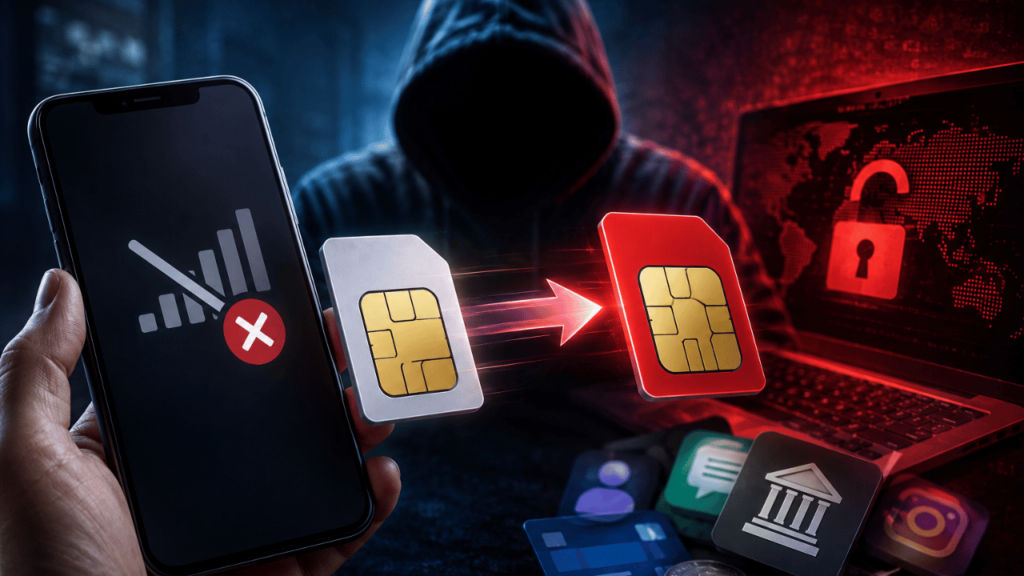
According to the advisory, the first thing you should do is call your telecom provider from a different phone and ask if any changes have been made to your SIM card. If something looks off, call the cybercrime helpline at 1930 right away and explain what happened. Quick action will assist in making sure that no one is able to access your personal account using the switched SIM card.
Also read: Anthropic may release Claude Mythos for public this week: Here is why it is a big deal
How to stay safe from SIM swap fraud
In order for you to be able to protect yourself against SIM swap scams, consider doing the following things:
- Get yourself a carrier PIN or IVR lock from the telecom company.
- Do not give out your personal information like OTPs, bank account details or passwords to anyone especially over a call.
- Contact your telecom company if there is something unusual regarding your mobile phone services.


