
Samsung Galaxy Z Fold 8 review: The best book-style foldable money can buy
 Follow Us

There are phones that impress you when you first pick them up, and then there are phones that change the way you think about smartphones. The latter used to happen more often when phone designs were actually exciting. But in 2026, I can safely say the Galaxy Z Fold 8 is firmly in the second category for me. I have been using this phone as my daily driver for over a month now, and after living with this device every day, I have started to question why slab phones have become so tall in the first place. Even something like the iPhone 17 now looks unusually tall to me. The Fold 8, on the other hand, feels comfortable, compact, and incredibly easy to use. In my opinion, with the Fold 8, Samsung has created a foldable that does not feel like a compromise. Not that foldable phones are a compromise; in fact, it’s the opposite. If you want the most ‘phone’ in your phone, you get a foldable.
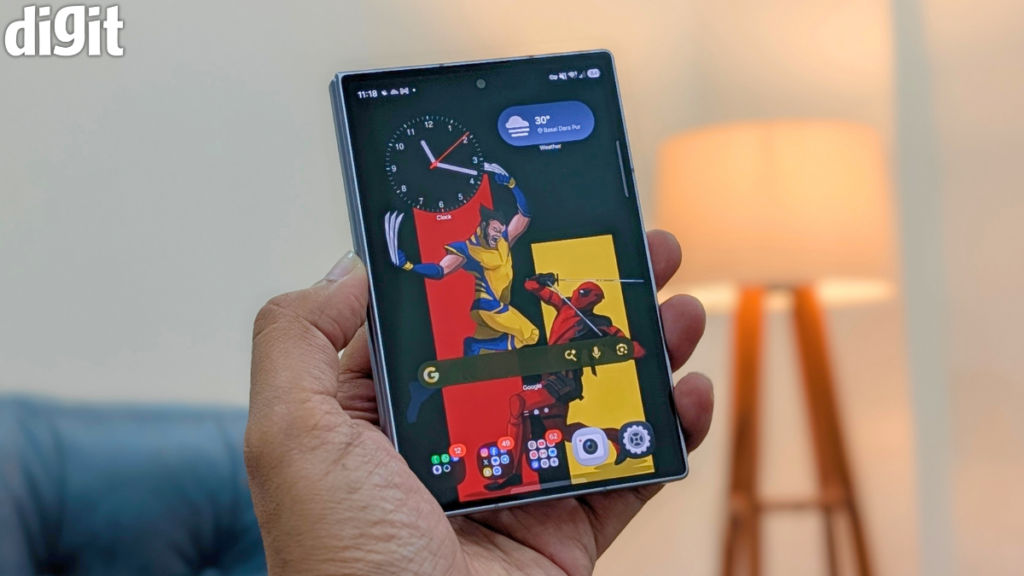
Of course, there are still a few things I would change, especially the lack of a telephoto camera, and some apps still show letterboxing. But beyond those issues, the Galaxy Z Fold 8 has become the most enjoyable phone I have used this year. Here’s my full review.
Galaxy Z Fold 8: Samsung has got the form factor right
Let me start with the obvious. I still absolutely love the design of the Galaxy Z Fold 8. I have already spoken at length about this in my first impressions and early review, but after using the phone for longer, I can say that my initial excitement has not gone away. If anything, it has become stronger. The Fold 8 has the kind of form factor that makes you realise just how accustomed we have become to tall, narrow slab phones.
Also read: Samsung Galaxy Z Fold 8 early review: Lots to unpack!
When I first picked up the Galaxy Z Fold 8, I described it as feeling like the foldable Samsung should have made in the first place. After using it as my main phone, I stand by that statement.
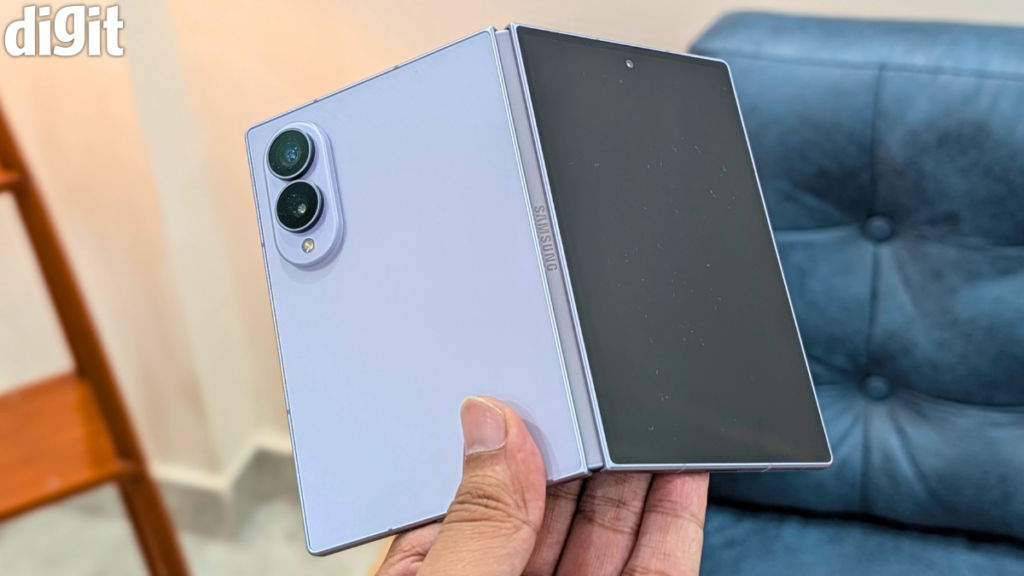
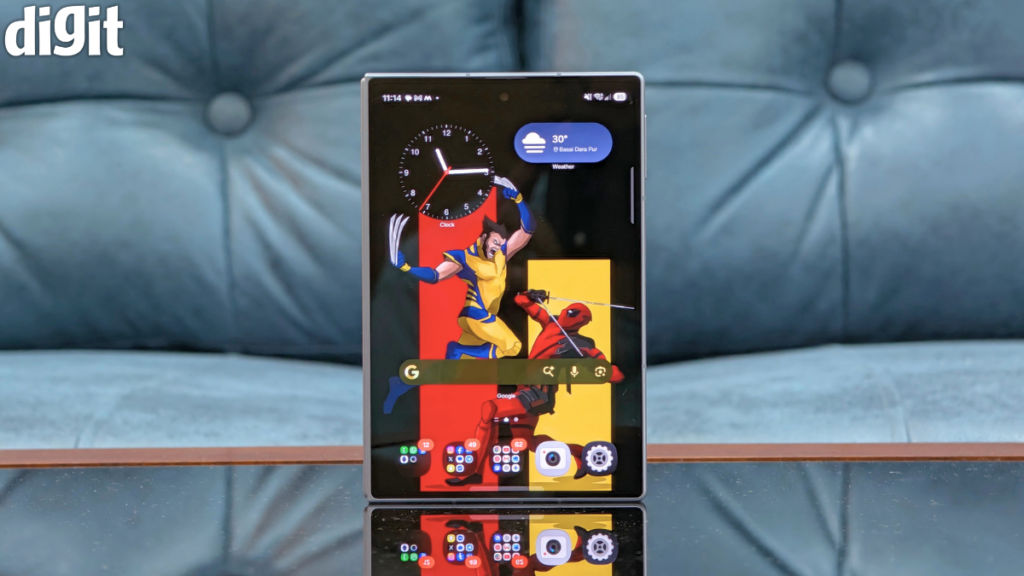
The 5.5-inch Dynamic AMOLED 2X cover display is not simply a smaller version of a normal smartphone screen. It has definitely changed how I interact with the Fold 8. For instance, I can comfortably hold it in one hand, scroll through X, reply to messages, check notifications, browse websites, and do plenty of other things without feeling like I am stretching my fingers across a giant slab. And this is something I did not fully appreciate until I went back to other phones. As I already mentioned above, even the iPhone 17 now looks incredibly tall to me, which I know may sound strange to some because the iPhone 17 is by no means a big phone.
But after using the Galaxy Z Fold 8, I have started appreciating how much easier it is to use a wider, shorter phone with one hand. More importantly, it does not feel tiring after extended use.
Then, of course, you can unfold it. And this is where the Galaxy Z Fold 8 becomes something you have never seen before. The 7.6-inch Dynamic AMOLED 2X inner display with a 120Hz refresh rate and 4:3 aspect ratio feels much more natural for reading, browsing, gaming, and consuming content. It does not feel like Samsung simply took a regular smartphone and stretched it into a tablet. The entire interface feels intentional and designed around the extra space. I have found myself reading more on the Fold 8 than I expected. Articles, documents, and ebooks are all far more comfortable on this display, and the 4:3 ratio gives you a much more natural canvas.
Samsung has also done a great job with the crease. It is still there, obviously, but it is far less noticeable than on previous generations. The combination of the new hinge mechanism, Flex Titanium, and the anti-reflective coating makes the inner display feel much more refined.
And then there is the weight. At 201g, the Galaxy Z Fold 8 is remarkably light for a foldable. At 4.5mm when unfolded, it is also incredibly thin. This makes a massive difference when you carry the phone around all day.
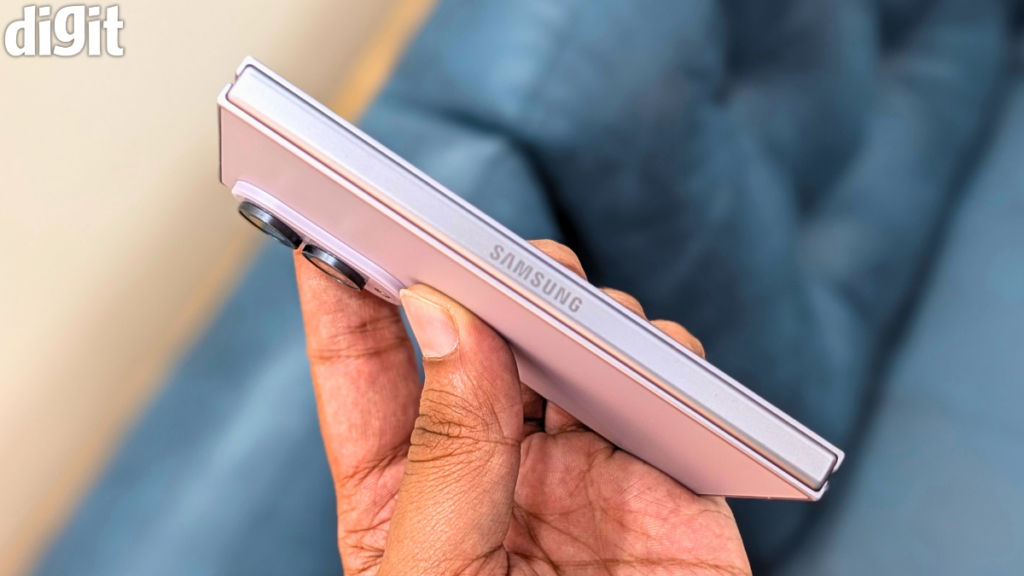
There is one downside, though. The smooth matte finish is quite slippery. I have had moments where I have genuinely worried about the phone sliding out of my pocket. It is one of those situations where the phone looks and feels premium, but you probably want a case for peace of mind. I haven’t got one yet, but I am definitely looking forward to getting a good case or maybe applying a carbon-fiber skin.
The hinge is another part of the design that I really like. The spring-loaded mechanism gives the Fold 8 a satisfying snap when you open it completely. It is a small thing, but it makes using the phone feel more mechanical and deliberate.
Overall, I feel Samsung has finally made a foldable phone that feels like a phone first and a foldable second. Everything about the Galaxy Z Fold 8’s design feels purposeful, and that makes a big difference when you use it every day.
Galaxy Z Fold 8: The displays are fantastic
Samsung has been making some of the best smartphone displays for years, so there was never much doubt that the Galaxy Z Fold 8 would have good screens. The cover display is a 5.5-inch Dynamic AMOLED 2X panel with a 1-120Hz refresh rate, while the inner display is a 7.6-inch Dynamic AMOLED 2X panel with the same smooth refresh rate.
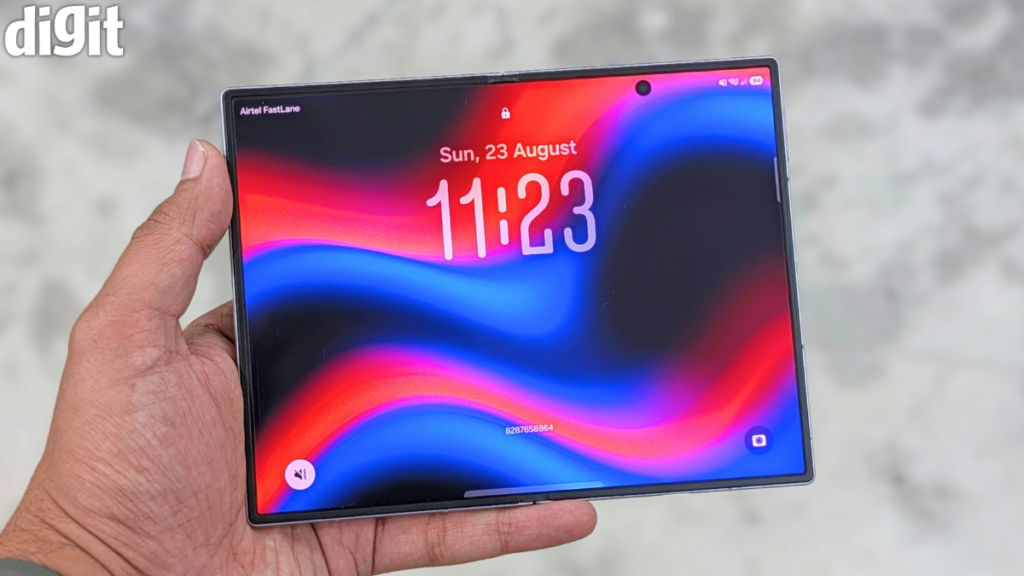
Both are excellent. The colours are punchy, viewing angles are great, and the displays get bright enough to remain comfortable in most situations. While the peak brightness is rated at 3,000 nits, I was easily getting a score of around 2,750 nits in High Brightness Mode when I tested it out in the Digit Test Labs. Plus, the anti-reflective treatment on the inner screen is also quite useful because reflections can be a real problem on large folding displays.
But the biggest improvement here is not necessarily the display technology itself. I mean, we all know Samsung makes great displays for their phones, and for other phone makers as well. I think the biggest improvement with the Galaxy Z Fold 8, if you haven’t guessed by now, is the inner screen’s aspect ratio.
The 4:3 inner display simply makes more sense to me. Of course, watching videos is still not perfect because you will obviously get some black bars depending on the content, but the overall experience is much more natural and definitely better than what we are accustomed to seeing on previous-generation Samsung folds or even the Fold 8 Ultra.
Reading is excellent, though. Browsing in portrait orientation, in a 3:4 aspect ratio, feels closer to using a small tablet, and even apps that were designed primarily for conventional phones feel better when they make proper use of the additional space.
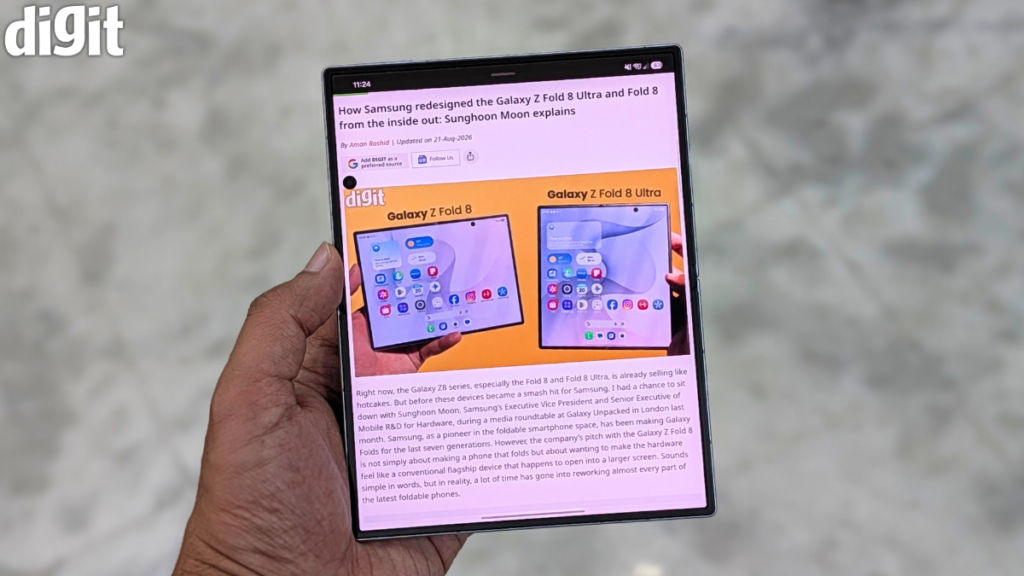
With that said, there is one issue, though. Some apps still show letterboxing. Not that it is a huge deal-breaker for me, and it is certainly not as big a problem as I expected it to be when I first started using the phone. A lot of the most popular apps have already caught up with the new aspect ratio. Instagram, X, LinkedIn, Facebook, Amazon, Myntra, Swiggy, banking apps such as iMobile, FedMobile (the list goes on), and several third-party Google apps are properly optimised, and I have not had a problem using most of the apps I need every day.
Of course, there are still some exceptions. Snapchat, for example, is one of the more obvious ones. But this is one of those problems that I expect to improve with time. The Galaxy Z Fold 8 has introduced a different way of thinking about smartphone displays, and developers will need some time to adapt.
For now, I would call app optimisation a minor annoyance rather than a reason not to buy the phone. And to be fair, I think it is only going to get better from here.
Performance is exactly what you would expect
The Galaxy Z Fold 8 is powered by Qualcomm’s Snapdragon 8 Elite Gen 5 for Galaxy, paired with up to 16GB of LPDDR5X RAM and up to 1TB of UFS 4.1 storage, depending on the variant. I have received the base 12GB + 256GB variant (priced at Rs 1,79,999) for review.
Given the hardware prowess, there is very little to complain about here. Everything I have done on the phone is unapologetically fast. App loading times, app switching, animation and transitions, or, for that matter, demanding games such as BGMI, COD: Mobile, and Genshin Impact run without any major issues. But again, the form factor is what makes the performance feel more interesting. Gaming on a 4:3 display is simply more immersive. You have more room to see what is happening on screen, and the larger canvas makes games feel much closer to a tablet experience.
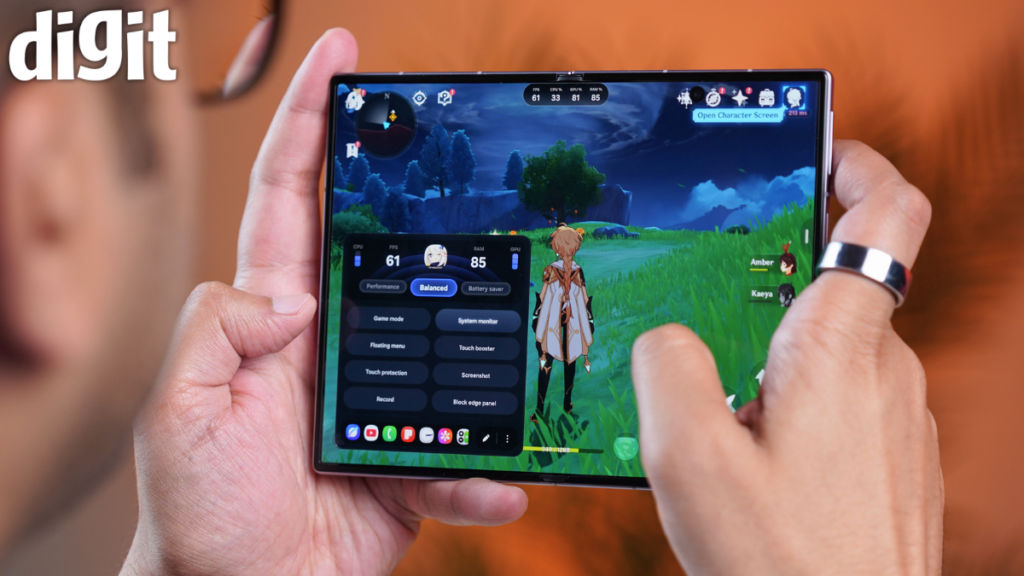
When I last wrote my early review, the aforementioned games were not fully optimised, and many benchmarking apps were also not whitelisted. I am happy to report that both BGMI and COD: Mobile now support 120fps in both battle royale and TDMs.
For everyday use, the Galaxy Z Fold 8 feels and behaves like a flagship in every sense of the word. And because I have actually been using it as my primary phone, rather than keeping it around as a secondary device for testing, that tells me more than any benchmark score could.
Software goes hand in hand with the hardware
Samsung’s software experience has come a long way, particularly when it comes to foldables. The Galaxy Z Fold 8 runs Android 17 out of the box with Samsung’s One UI 9 layered on top, and the combination works well with the larger inner display.
Multitasking remains one of the biggest reasons to buy a foldable, and Samsung has made it easy to run multiple apps side by side. But what I like most is that I am not constantly thinking about the fact that I am using a foldable — which might sound strange, but it is important.
The best technology becomes invisible when it works properly. I am not constantly unfolding the phone just to show someone that it can unfold. I use the cover screen when I want a traditional phone, and I open it when I need more screen. And that is exactly how it should work.
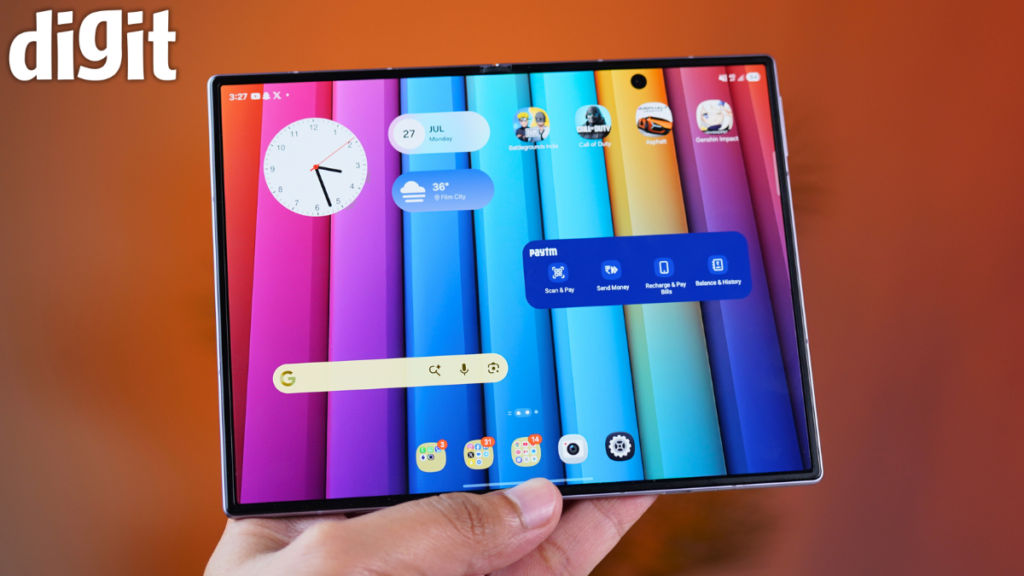
Galaxy AI is also a big part of Samsung’s software strategy, although some of the more interesting features are still dependent on region and availability. For instance, the cool Gemini Intelligence demo, which lets you do your trip and hotel bookings with a single prompt, is only coming later this year to the US and South Korean markets. Now, if and when this feature eventually comes to India, that’s going to be a big deal.
But otherwise, too, I have said this a lot of times, and I will say it again — One UI is by far the best and the most feature-loaded Android skin out there. The suite of features you get in Galaxy AI — whether it be call screening, live translate, photo assist, audio eraser, voice transcription, text generation, image generation, and so much more — is the most useful and practical set of AI features that actually work on any smartphone.
Of course, the potential is huge. Agentic AI is just getting started. But for me, the Galaxy Z Fold 8 does not just need AI features to justify its existence. The form factor itself is the biggest feature.
Cameras are finally good enough on a Fold
The Galaxy Z Fold 8 has a 50MP primary camera and a new 50MP ultra-wide camera, along with 10MP selfie cameras on the cover and inner displays. And, in a nutshell, the cameras are really good.
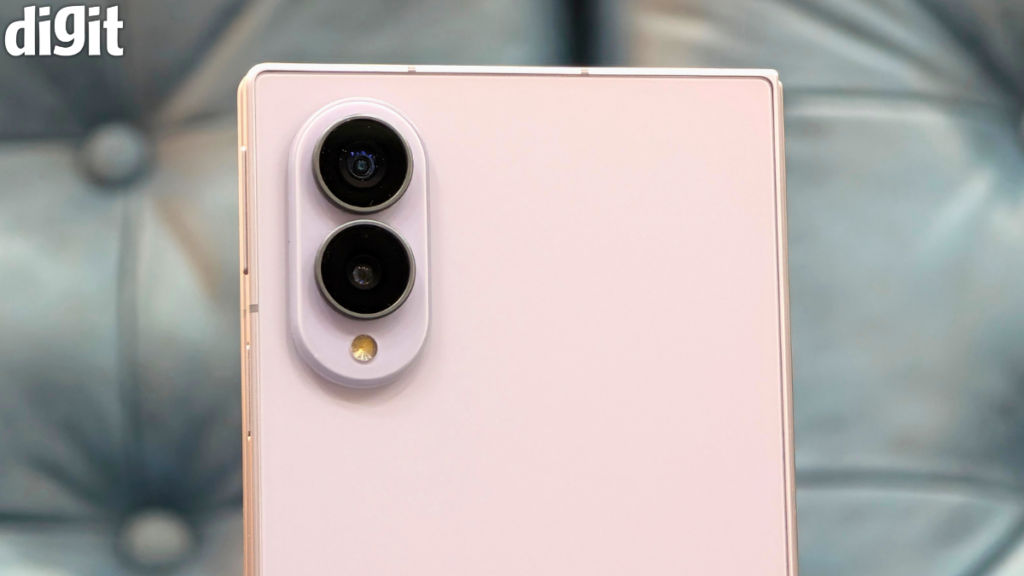
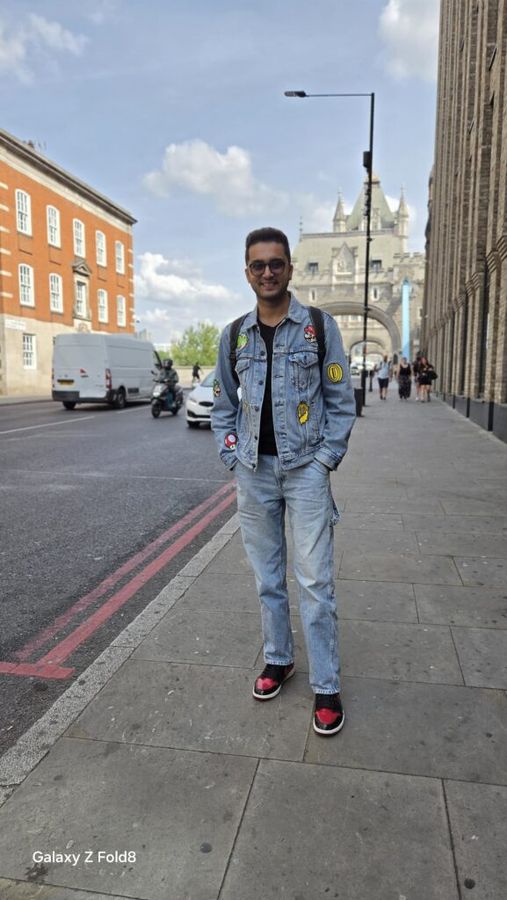
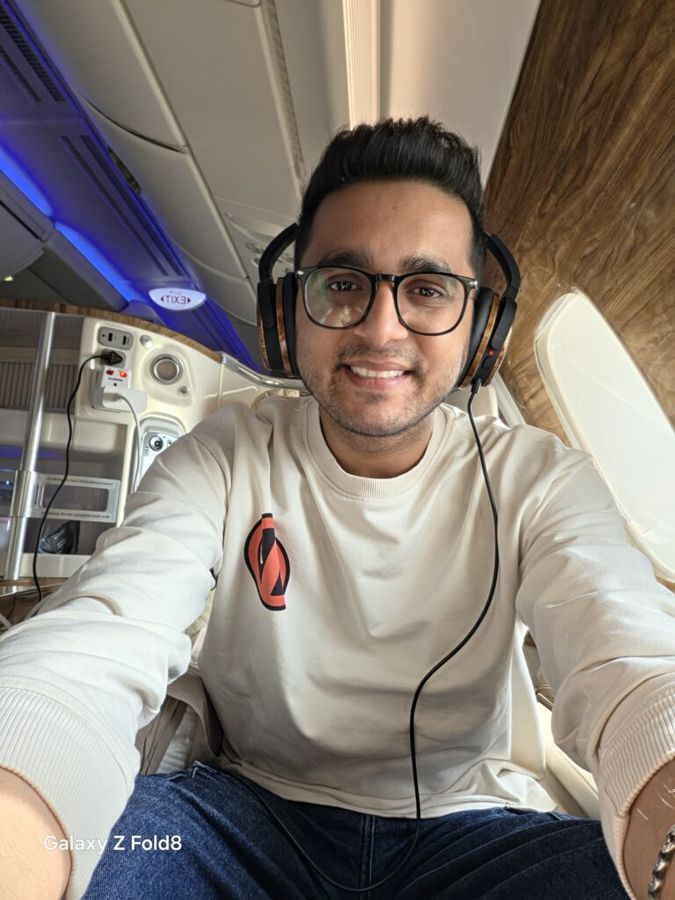
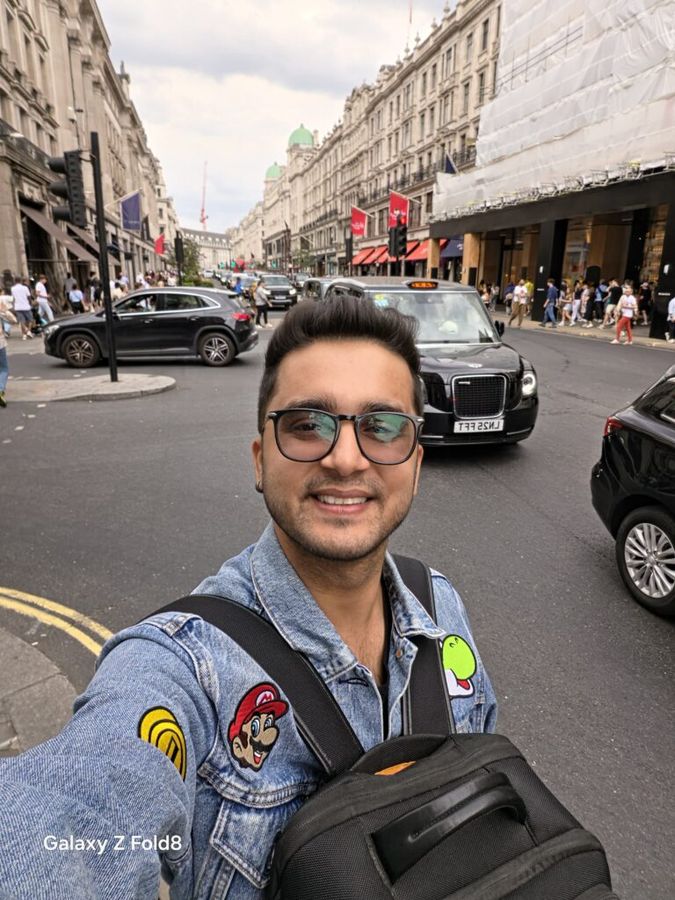
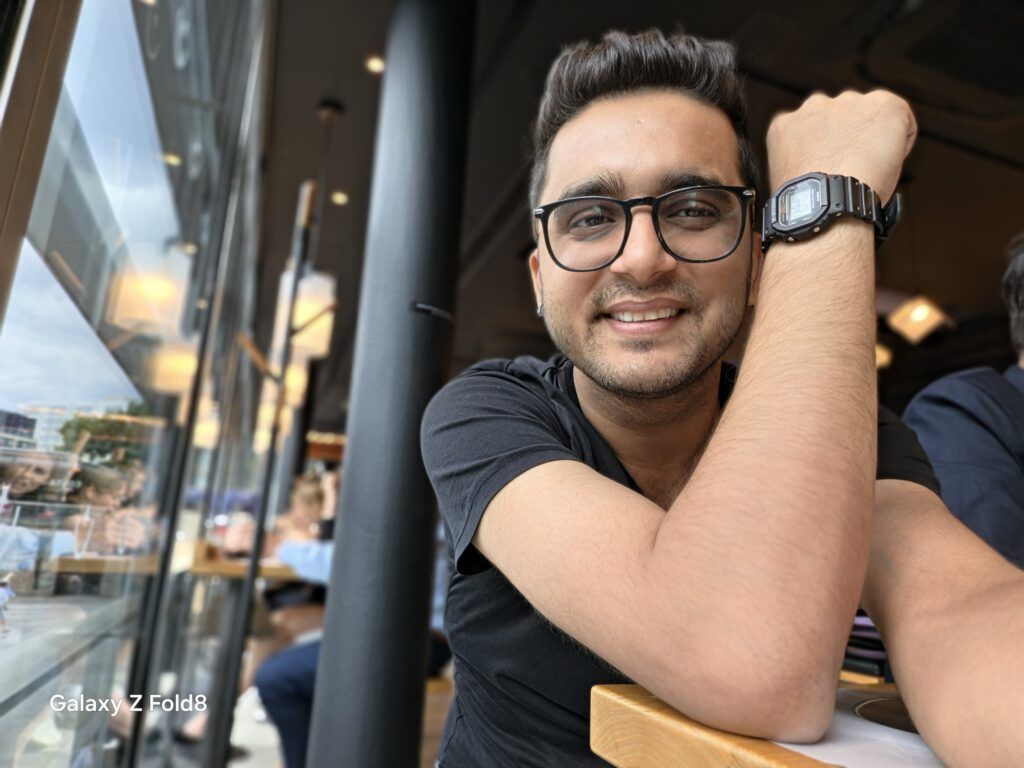
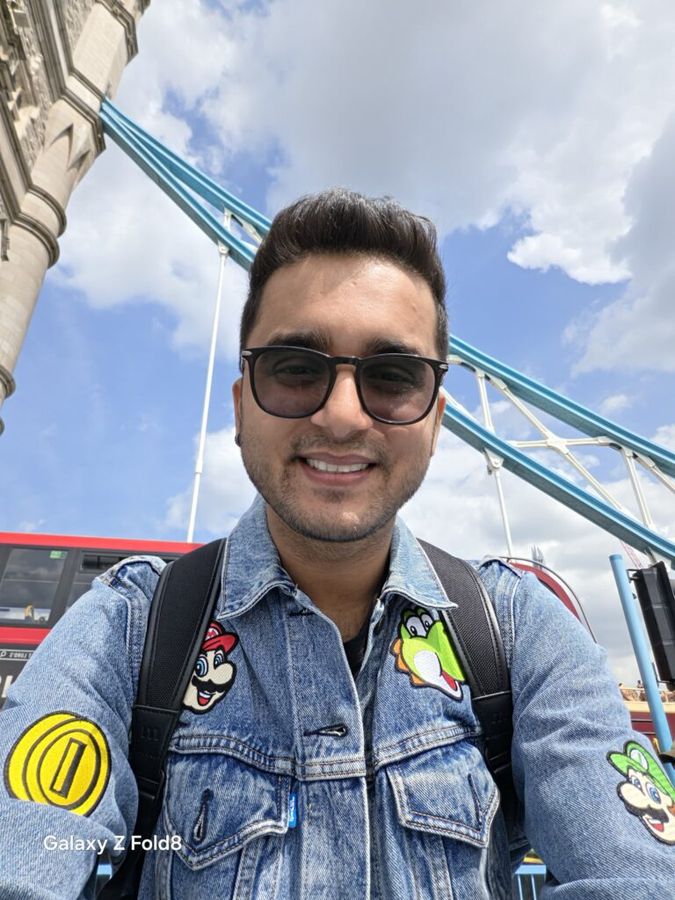
Starting with the primary camera, it produces excellent photos in almost every lighting condition I have tested it in. I took a bunch of photos in London, and the colours turned out pleasing with strong dynamic range, and Samsung’s image processing also does a great job of producing shots that are ready to share. I also really like how easy it is to use the cover screen as a viewfinder when taking selfies with the 50MP primary camera. You get a much better camera to work with, and the cover display makes it easy to frame yourself before taking the shot.
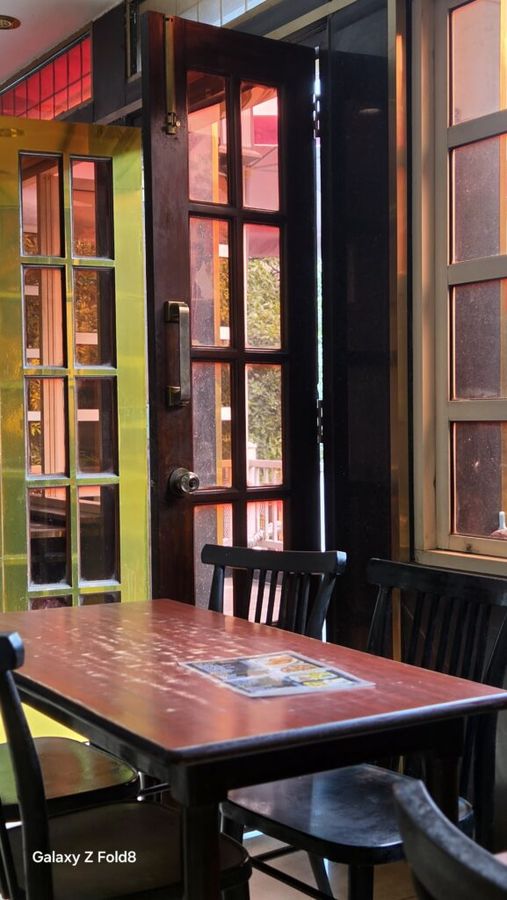
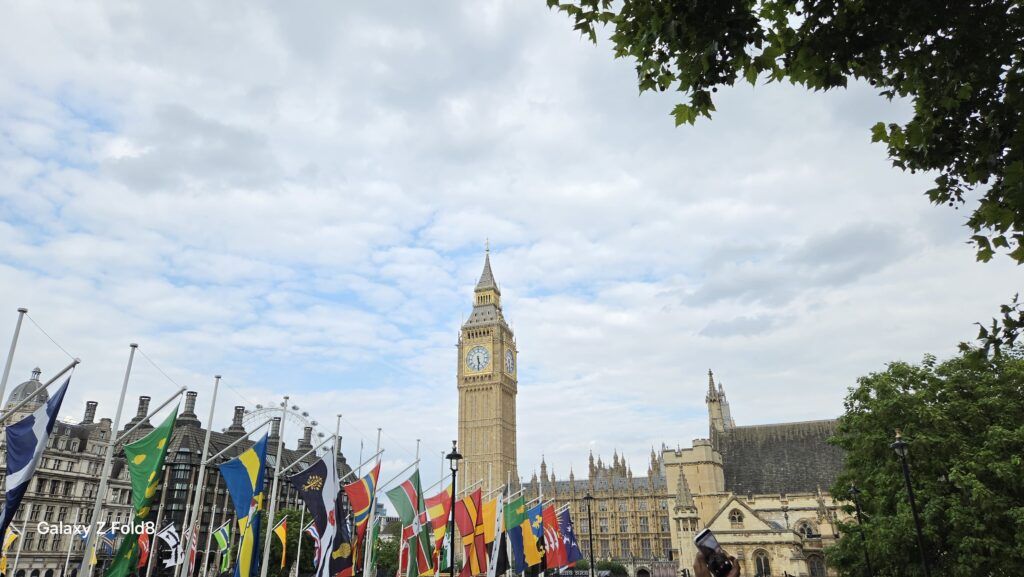
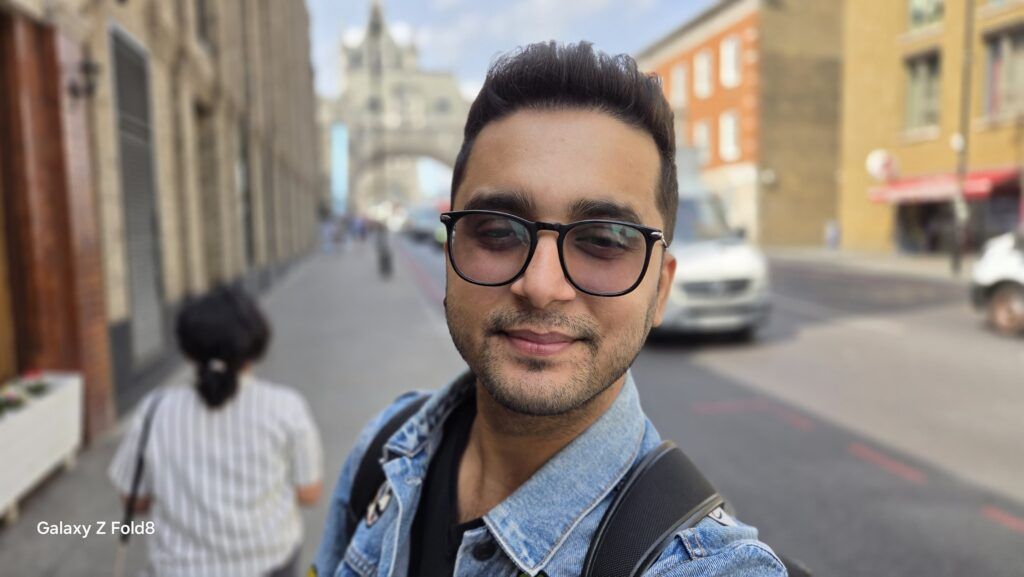
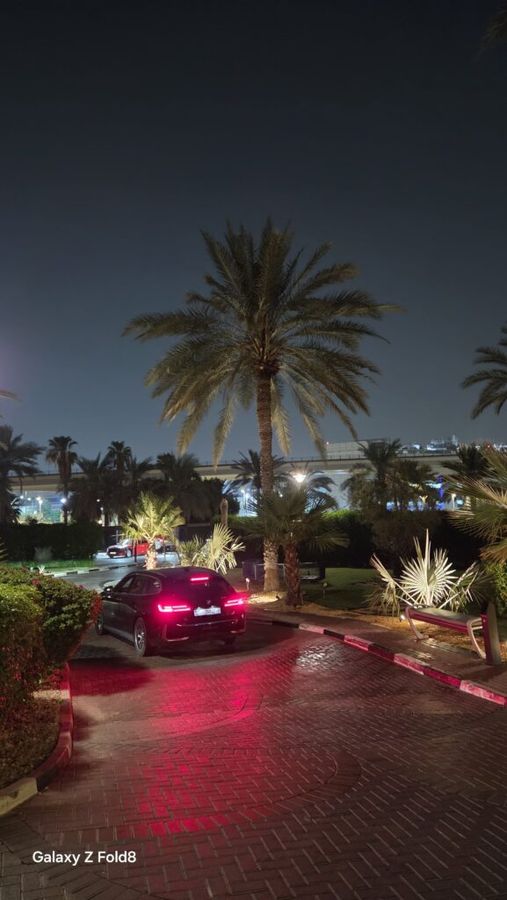
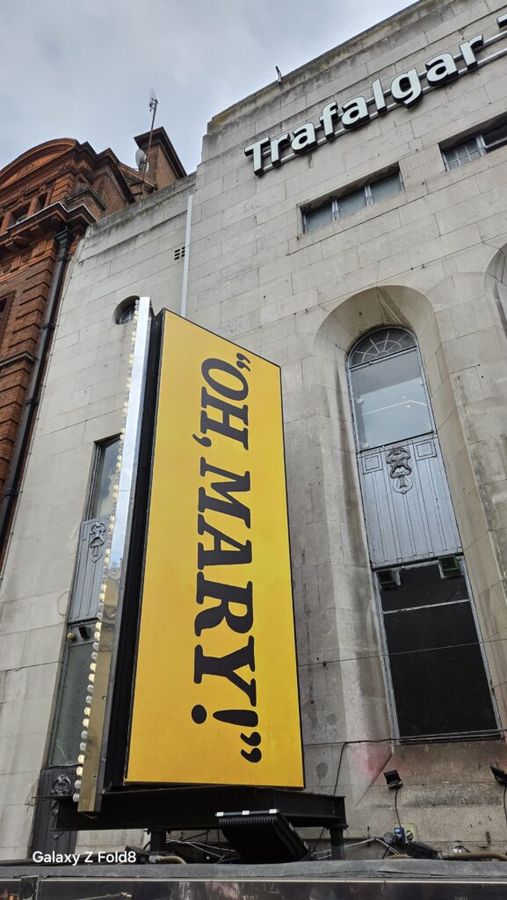
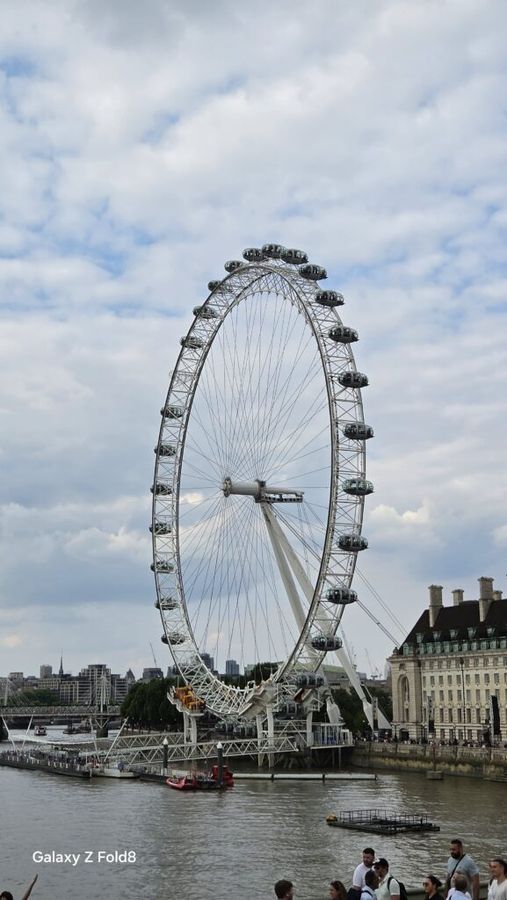
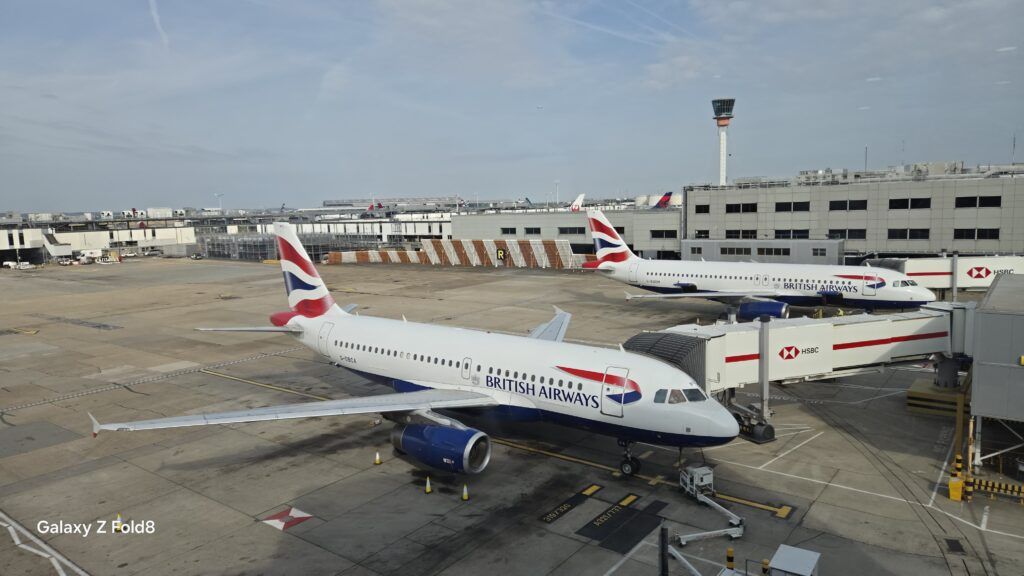
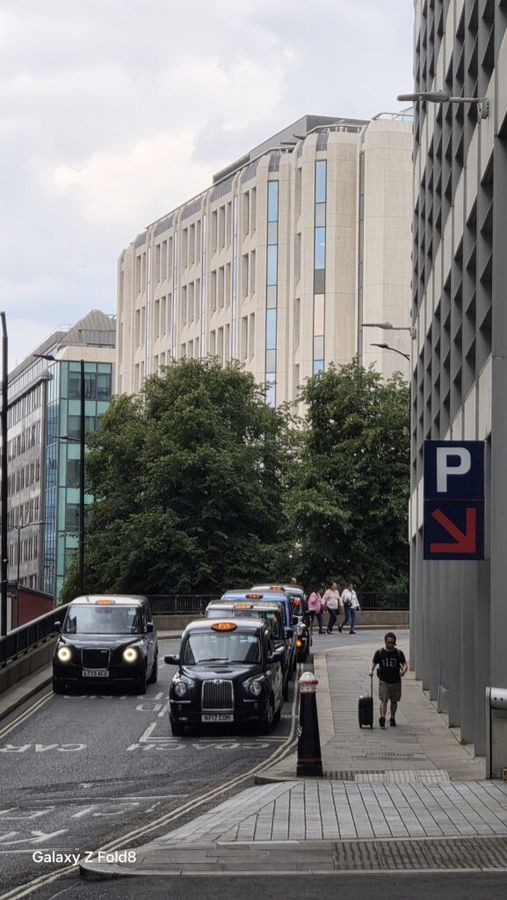
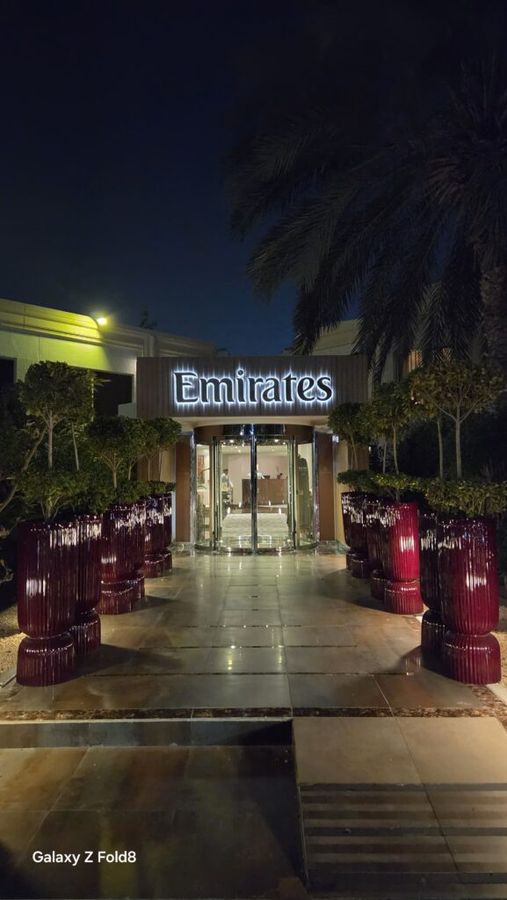
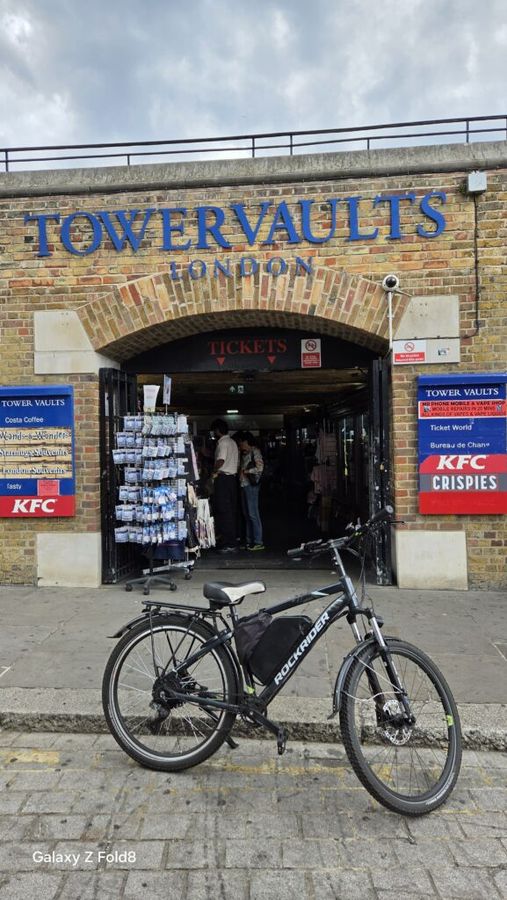
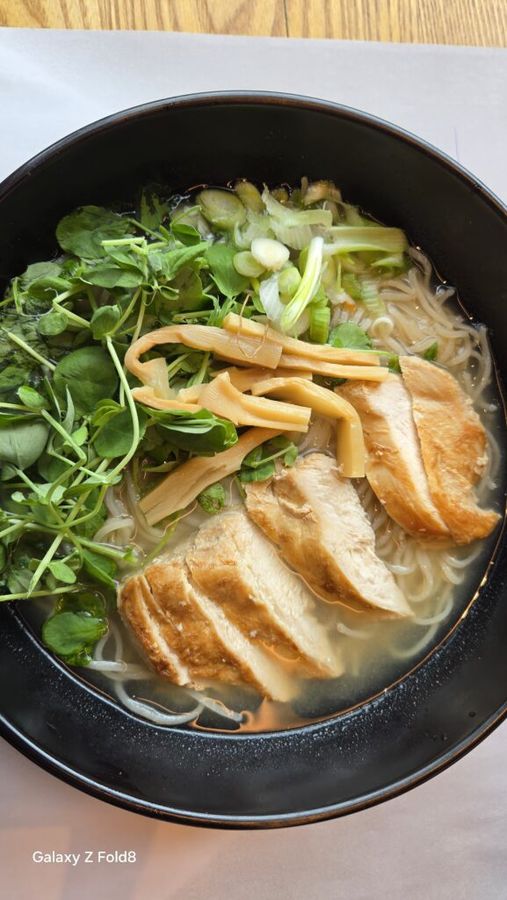
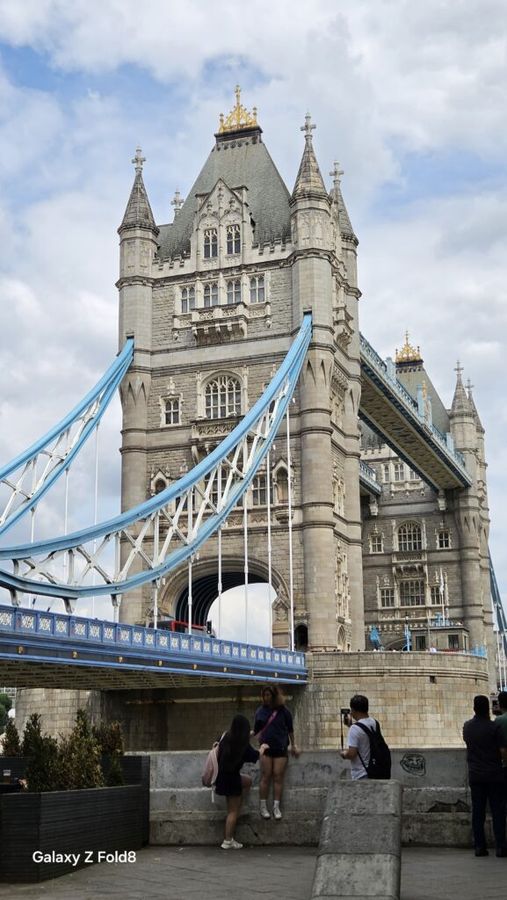
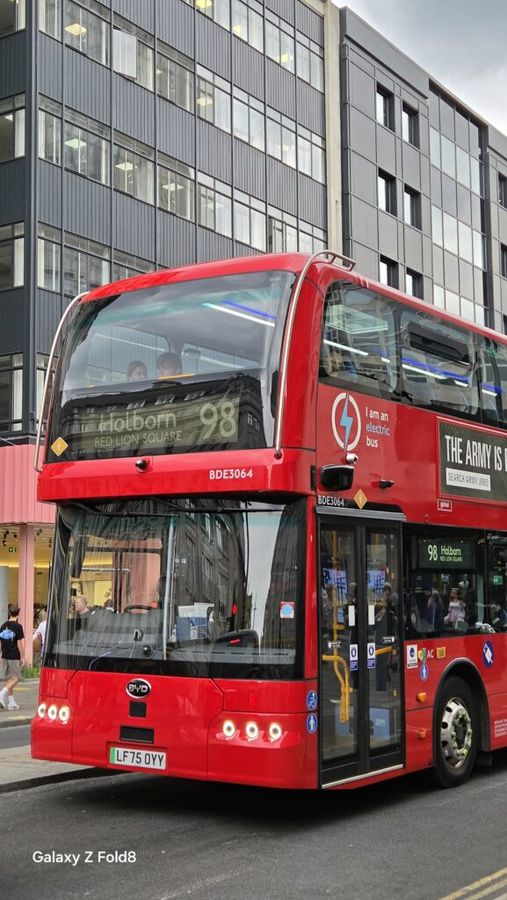
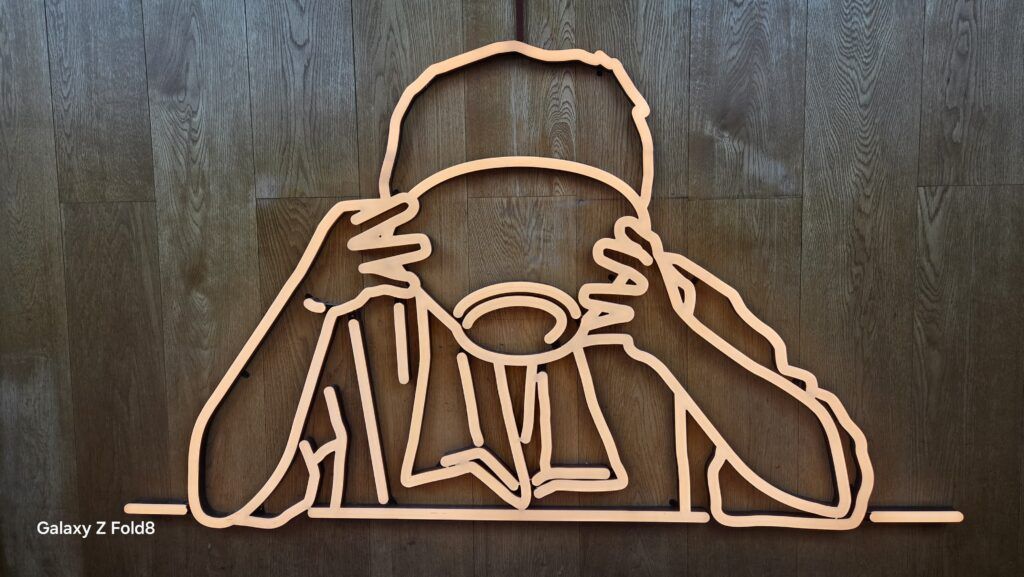
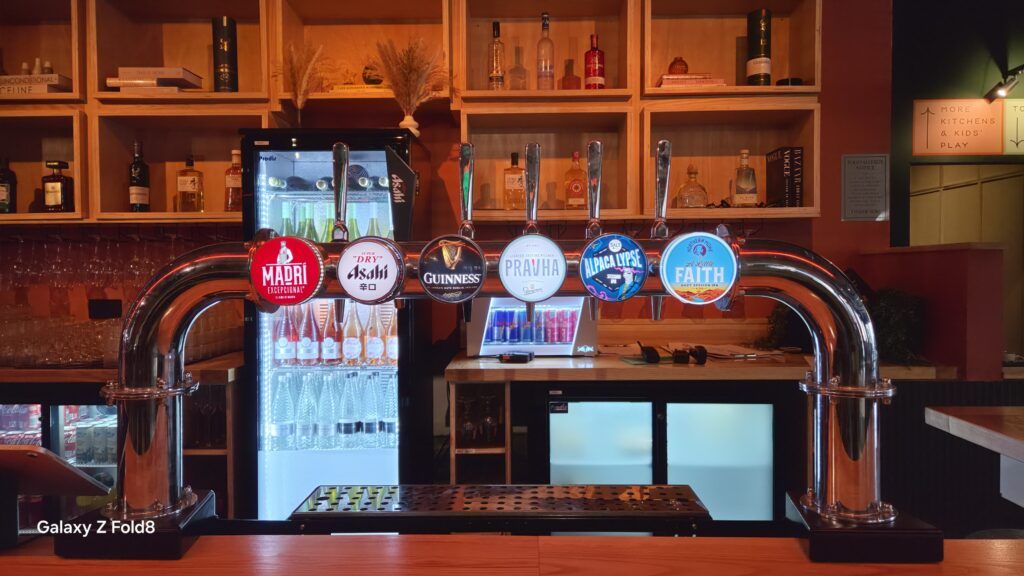
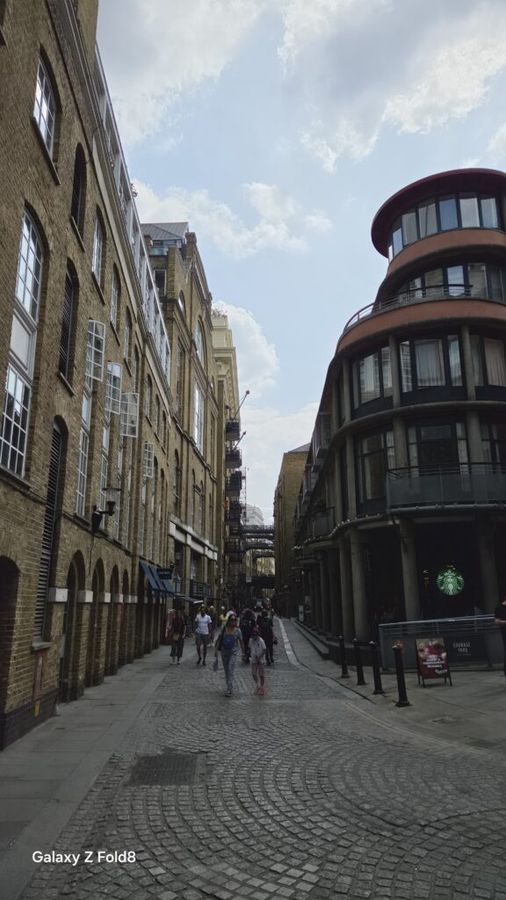
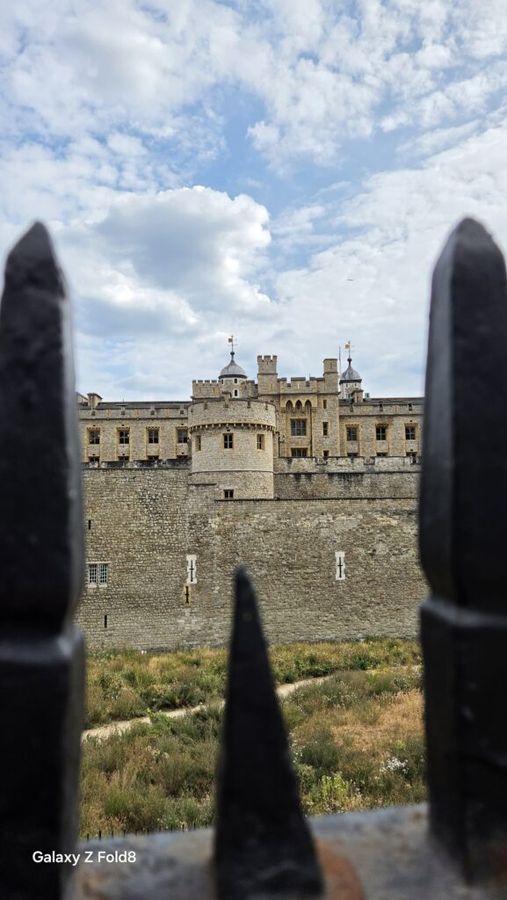
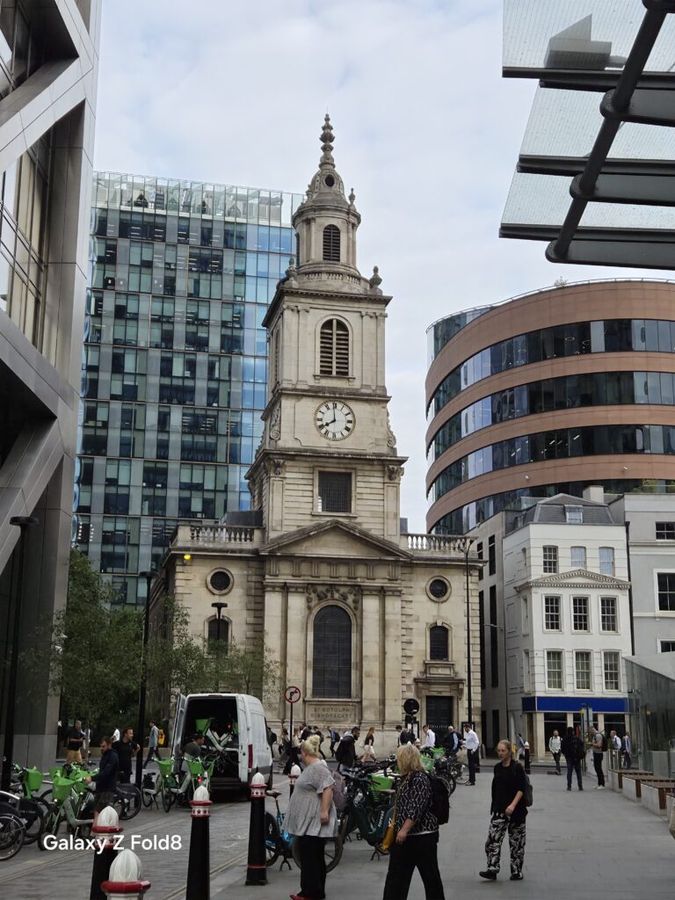
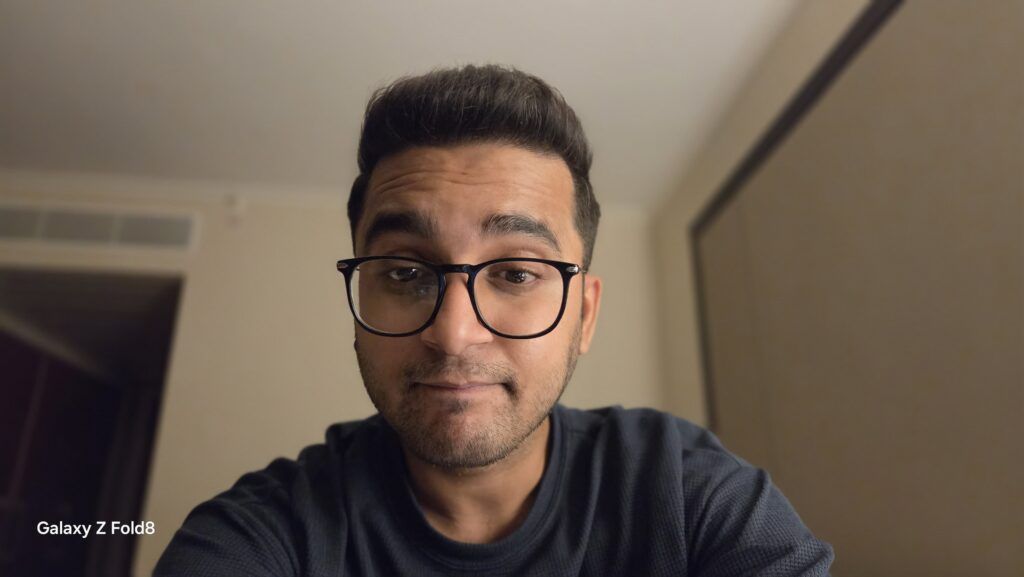
The ultra-wide camera is perhaps the bigger surprise. The 50MP sensor gives it considerably more detail than what we have traditionally seen from foldable phones, and I really like the consistency between the primary and ultra-wide cameras, especially when it comes to the tone and the colours. As always, the lens does a fine job of capturing a wider field of view, which comes in handy when you want to fit more into the frame.
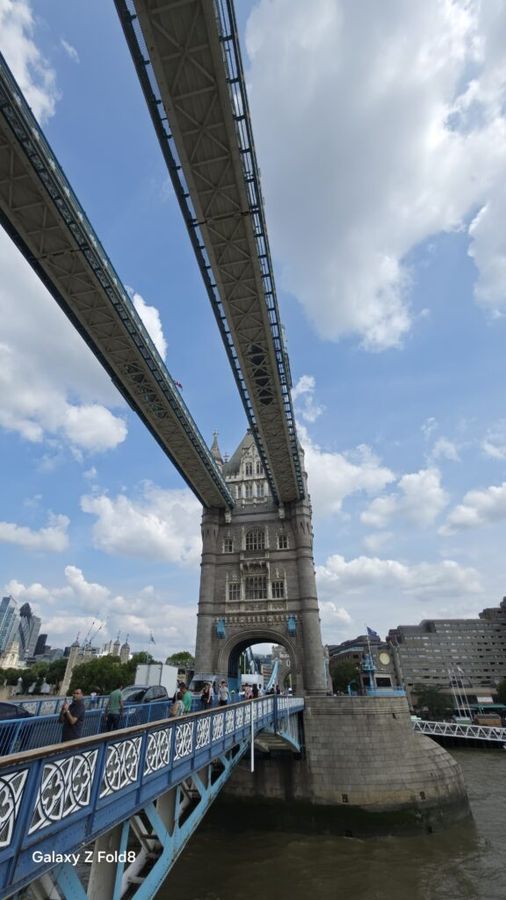
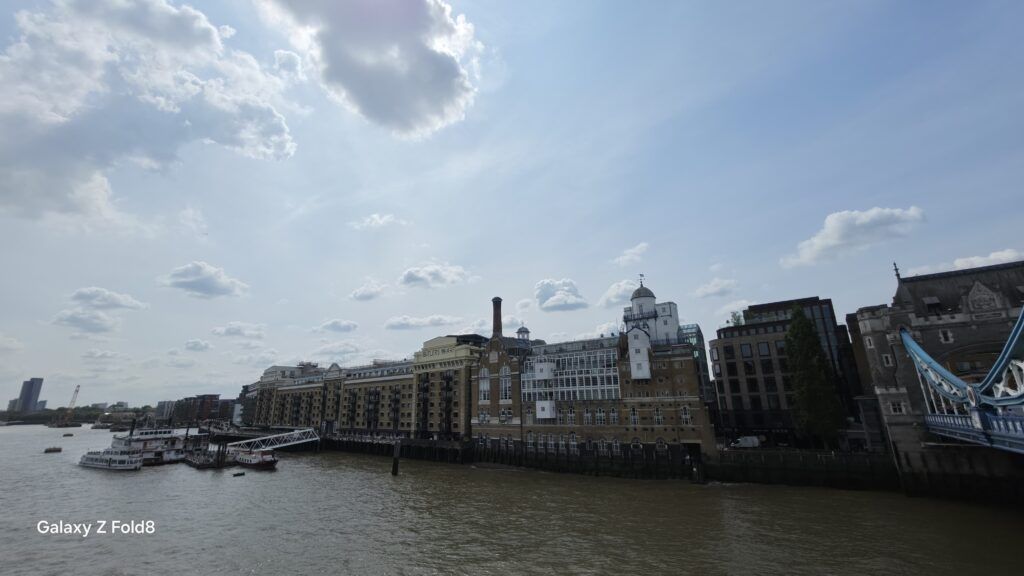
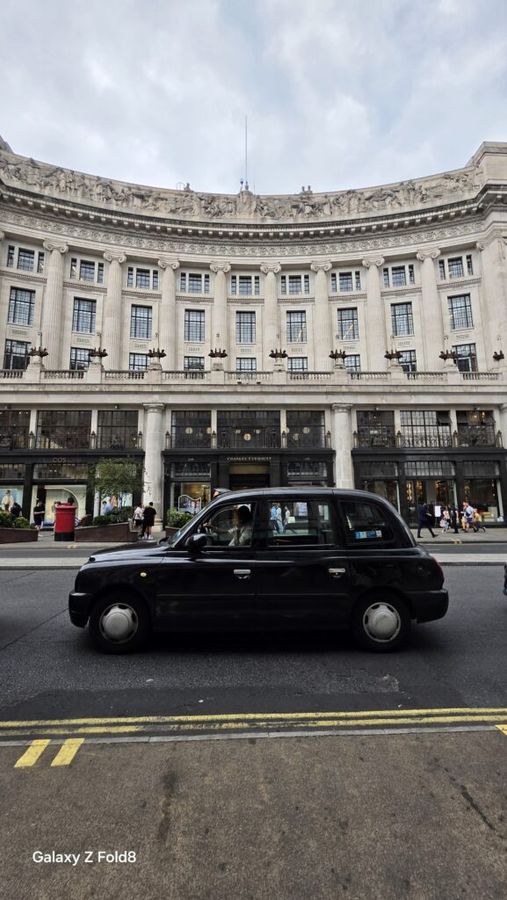
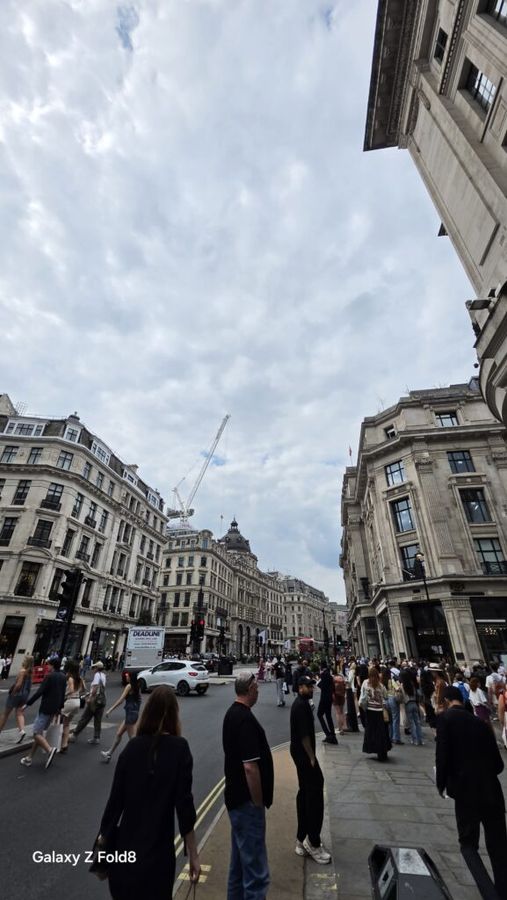
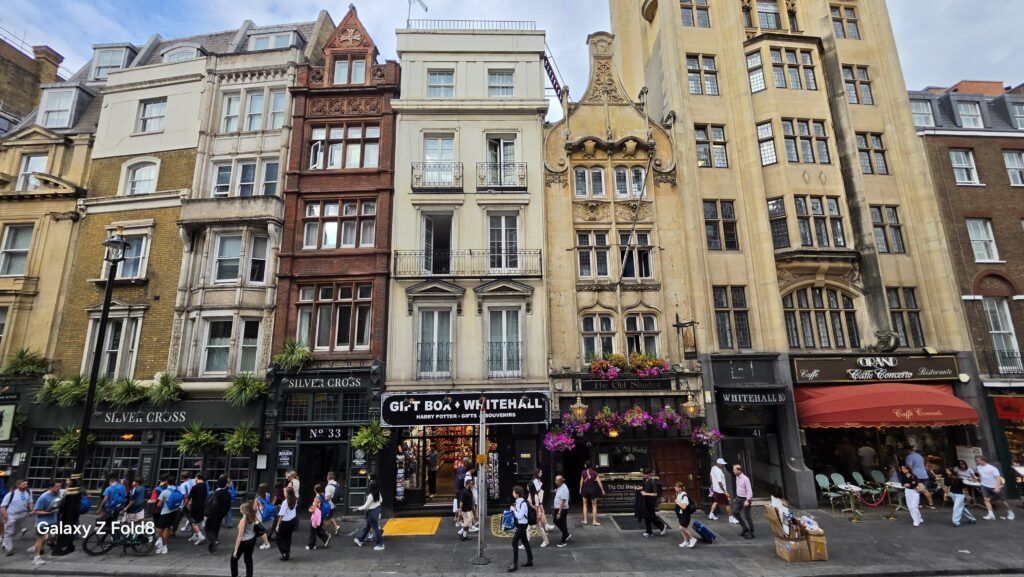
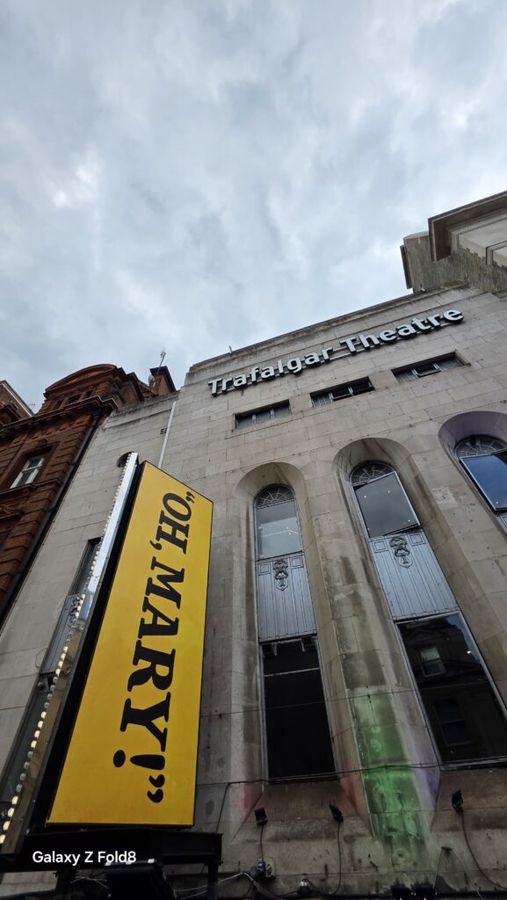
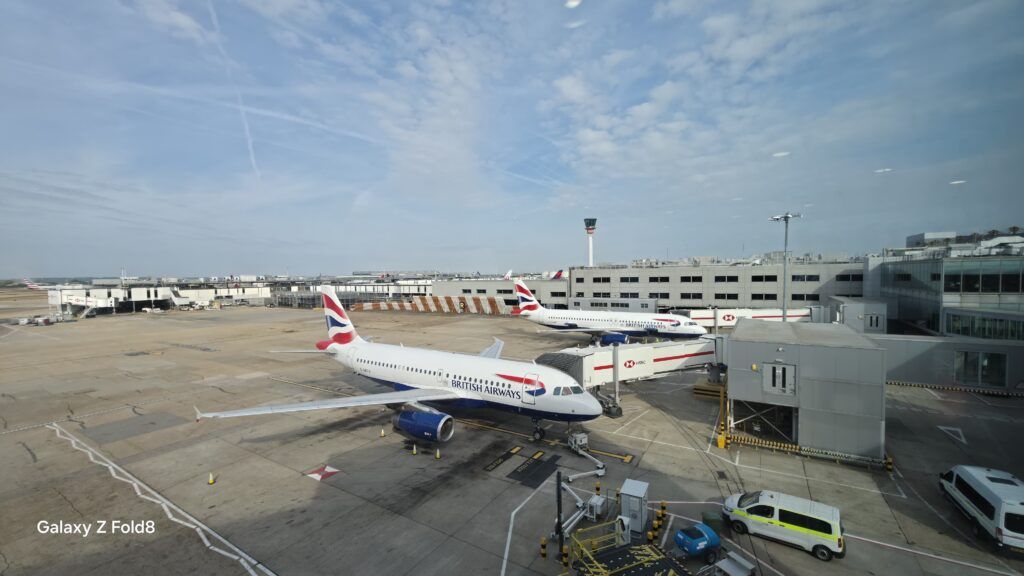
In good light, both cameras deliver excellent results. Even in more challenging conditions, they hold up well. The last time I used a fold, which was the Fold 6, I know I can’t say with the same confidence that the Fold 6’s camera was something I could completely rely on. With the Fold 8, though, I can. If I pull the phone out of my pocket to take a photo, I have confidence that it will give me a good result. And that is a big deal.
The 10MP selfie cameras on both the cover and inner displays are also perfectly capable for video calls and of course, the selfies. They do a good job in well-lit conditions, although I would still recommend using the 50MP primary camera whenever possible, especially if you want more detail and better overall image quality.

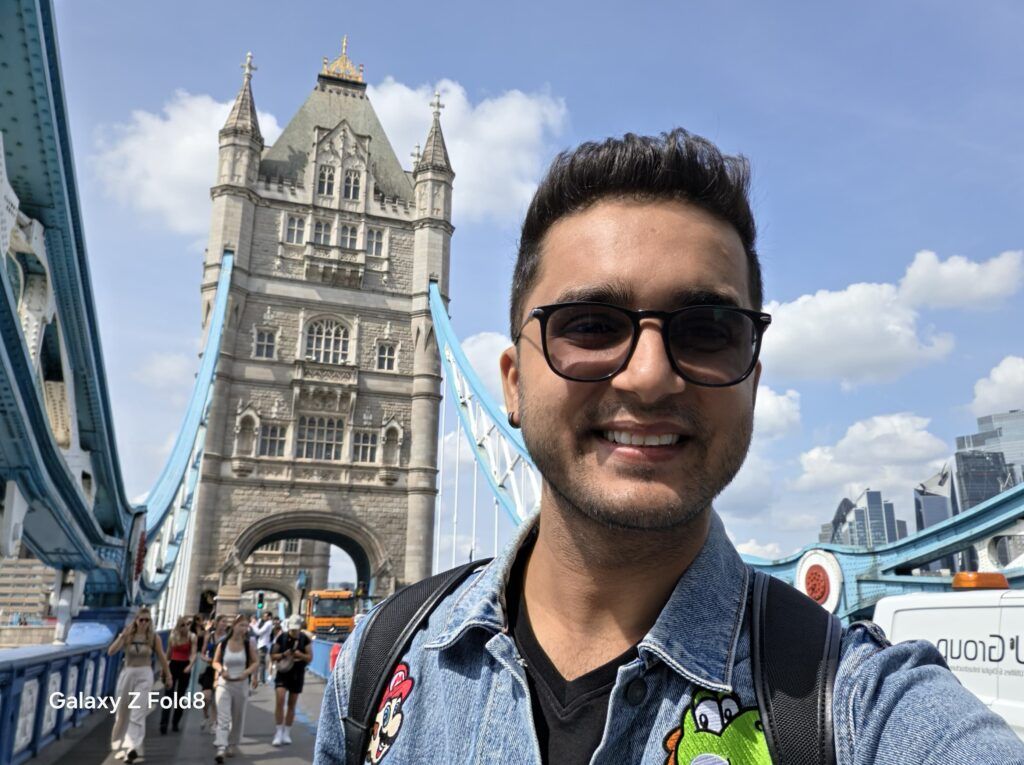
Of course, there is still one glaring omission — the telephoto camera. I really wish Samsung had managed to squeeze one into the Fold 8. The digital zoom works surprisingly well in good lighting. Samsung’s processing is good enough to make the results look convincing, particularly at moderate zoom levels. But once the light drops, you start seeing the limitations. Details become softer, noise creeps in, and the image simply does not have the same confidence as something captured using a proper telephoto lens. And that is when you find yourself thinking, if only Samsung had added a telephoto camera. It would have sealed the deal for me.
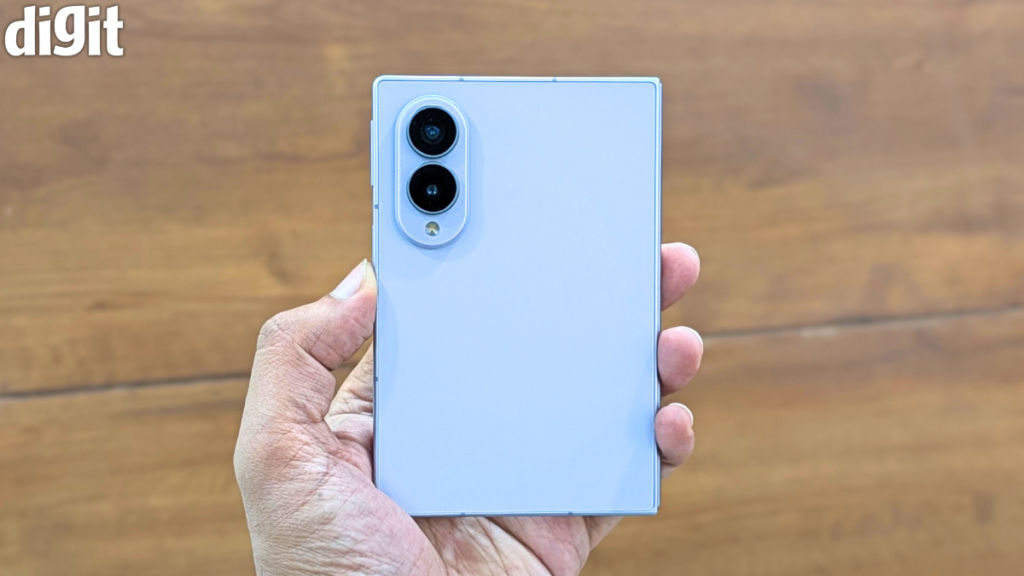
Again, don’t get me wrong. The camera system is good enough that I am comfortable relying on it, and that is something I could not say about previous Fold models. But let’s put it this way — the Galaxy S26 Ultra is my benchmark for smartphone cameras. I still consider it one of the best camera phones out there. The Fold 8 does not beat it.
But for the first time, I do not feel like I am making a huge camera compromise just because I chose a foldable. And that is what I call progress.
Galaxy Z Fold 8: The battery is surprisingly solid
The Galaxy Z Fold 8 packs a 4,800mAh silicon-carbon battery, which is not the biggest battery you will find in a flagship smartphone. But because this is silicon-carbon tech we are talking about here, this has allowed Samsung to fit more energy into a relatively small space, which is particularly important in a device that is as thin and light as the Fold 8.
In my experience, battery life has been good. The Galaxy Z Fold 8 comfortably gets me through a day, and there have hardly been days when I have had to charge the phone before evening. And this is particularly impressive when you consider the amount of time I spend using the larger 7.6-inch display.
Charging is also faster than previous Fold generations, with support for 45W wired charging and 20W wireless charging. The phone juices up about 65 per cent in 30 minutes, while a full charge takes about 70 minutes.
Of course, I would not call the battery life class-leading, but it is certainly good enough for the kind of phone this is.
Should you buy the Galaxy Z Fold 8?
The Galaxy Z Fold 8 is not perfect. As I said, some apps may still need to catch up with the new aspect ratio. The lack of a telephoto camera is felt, particularly when shooting in low light. Also, it is not the best camera phone. That crown still belongs to the Galaxy S26 Ultra for me. And then there is the price, which remains firmly in premium flagship territory.
Also read: Why right now is the best time to buy the Samsung Galaxy Z Fold 8 and Fold 8 Ultra
But look past those things, and there is something very compelling here. Something we haven’t seen before in a smartphone’s design and form factor in a very long time.
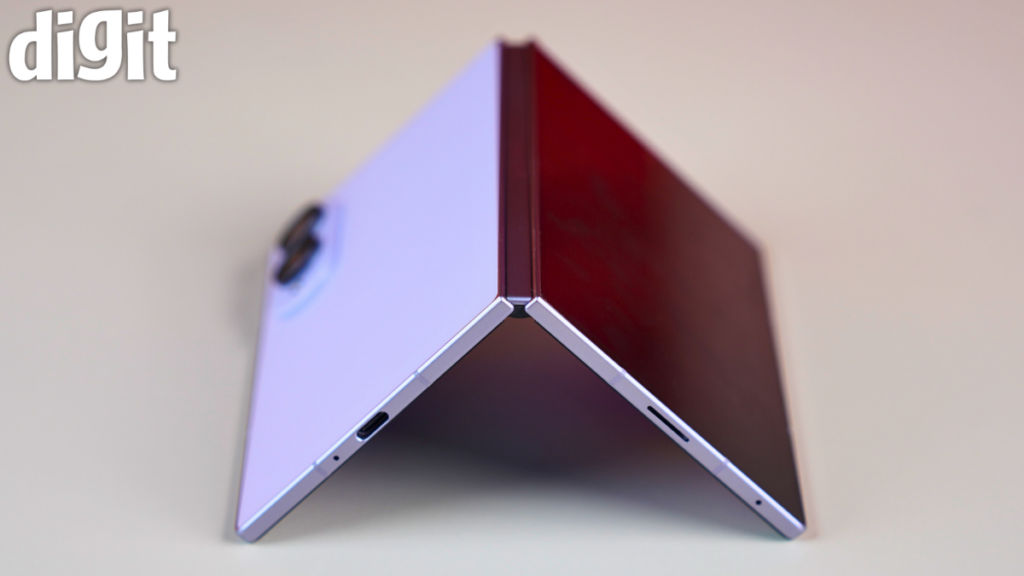
For what it’s worth, Samsung has finally figured out what a book-style foldable should’ve been in the first place. It should be compact when you want a phone. It should become a proper canvas when you need more screen space. It should be light enough to carry every day. It should be powerful enough to replace your flagship phone. And, most importantly, it should not make you feel like you are constantly compromising because you chose a foldable.
The Galaxy Z Fold 8 checks all of the aforementioned boxes.
I have used foldables, and then after a point, I have always resorted to a traditional slab phone. With the Fold 8, I don’t want to go back to a slab phone. So, what happens to my Galaxy S26 Ultra? Or how will I make the switch to the Galaxy S27 Ultra next year? I guess all of this is a conversation for a different time.
I am not simply using the Galaxy Z Fold 8 because it is a foldable. I am using it because I genuinely like this smartphone.


