
Semicon 2026: IT Minister Ashwini Vaishnaw talks about 6 pillars to build India’s semiconductor industry
 Follow Us
Union IT Minister Ashwini Vaishnaw has detailed the government’s plans for the next phase of India’s semiconductor push at Semicon 2026.
Vaishnaw revealed 6 pillars of Semicon 2.0.
These include chip design, machines and materials, semiconductor fabs, advanced packaging, research and development, and talent.
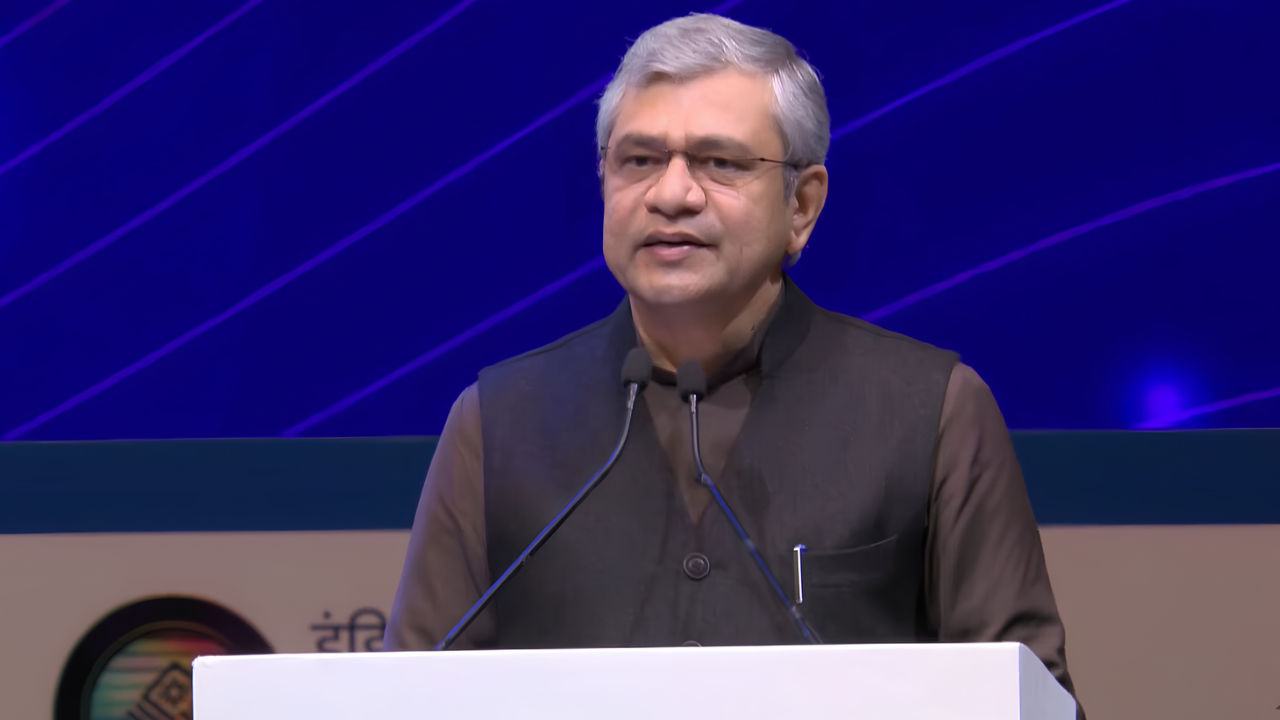

Semicon 2026: Union IT Minister Ashwini Vaishnaw has detailed the government’s plans for the next phase of India’s semiconductor push at Semicon 2026. Speaking at the event, Vaishnaw said Semicon 2.0 will focus on building a stronger semiconductor ecosystem in the country. He said the first phase focused on creating the foundation, including talent and an industry base. The next phase will expand this work across six key areas. These include chip design, machines and materials, semiconductor fabs, advanced packaging, research and development, and talent. Vaishnaw said the government wants India to move beyond building fabs and create a complete semiconductor ecosystem.
 Survey
Union IT Minister reveals 6 pillars of Semicon 2.0
1. Chip design
The first pillar will focus on chip design. Vaishnaw said more than 105 startups participated in the first phase. Among them, around 20 received venture capital funding worth about Rs 800 crore. Under Semicon 2.0, the government aims to support at least 200 chip design startups and companies in India.
2. Machines and materials
The second pillar will focus on the machines and materials needed to build semiconductors. This includes capital equipment, maintenance facilities, chemicals and gases. Vaishnaw said companies from more than 28 countries are participating in Semicon 2026. He also highlighted a $5 billion investment announced by an industry partner for this ecosystem.
He said the government has followed Prime Minister Narendra Modi’s advice to “don’t think short-term, think long-term” and “don’t think fab, think ecosystem”.
3. More semiconductor fabs
The third pillar will focus on expanding manufacturing capacity. The government plans to support more display, memory, silicon, compound and logic fabs. “The ecosystem runs over that, builds over that, that has the multiplier impact,” Vaishnaw said.
4. Advanced packaging
The fourth pillar is advanced semiconductor packaging. Vaishnaw said packaging is an important part of the semiconductor value chain. He revealed that a 3D packaging unit in Odisha is already in plans, and said the government wants to see more progress in advanced packaging facilities.
5. Research and development
The fifth pillar will focus on industry-driven R&D. The government plans to support projects that address real industry requirements. Vaishnaw said this will not be isolated research. Instead, industry and academia will work together on practical projects that can be used by the semiconductor sector.
6. Talent
The final pillar will focus on building a larger semiconductor workforce. Under Semicon 1.0, the government had targeted training 85,000 design engineers over 10 years. Vaishnaw said 70,000 engineers have already been trained in four years. More than 400 universities now have access to EDA tools from companies such as Cadence, Siemens and Synopsys.


