
Scammers are using Google’s Nano Banana AI to forge PAN cards, create fake images: Here’s how you can spot them
 Follow Us
A Bengaluru techie demonstrated how easily Nano Banana can generate realistic fake ID cards.
Experts warn that India’s reliance on visual checks leaves room for AI-generated documents to pass as genuine.
Platforms like Zomato and Swiggy are reporting rising delivery scams involving AI-manipulated images.
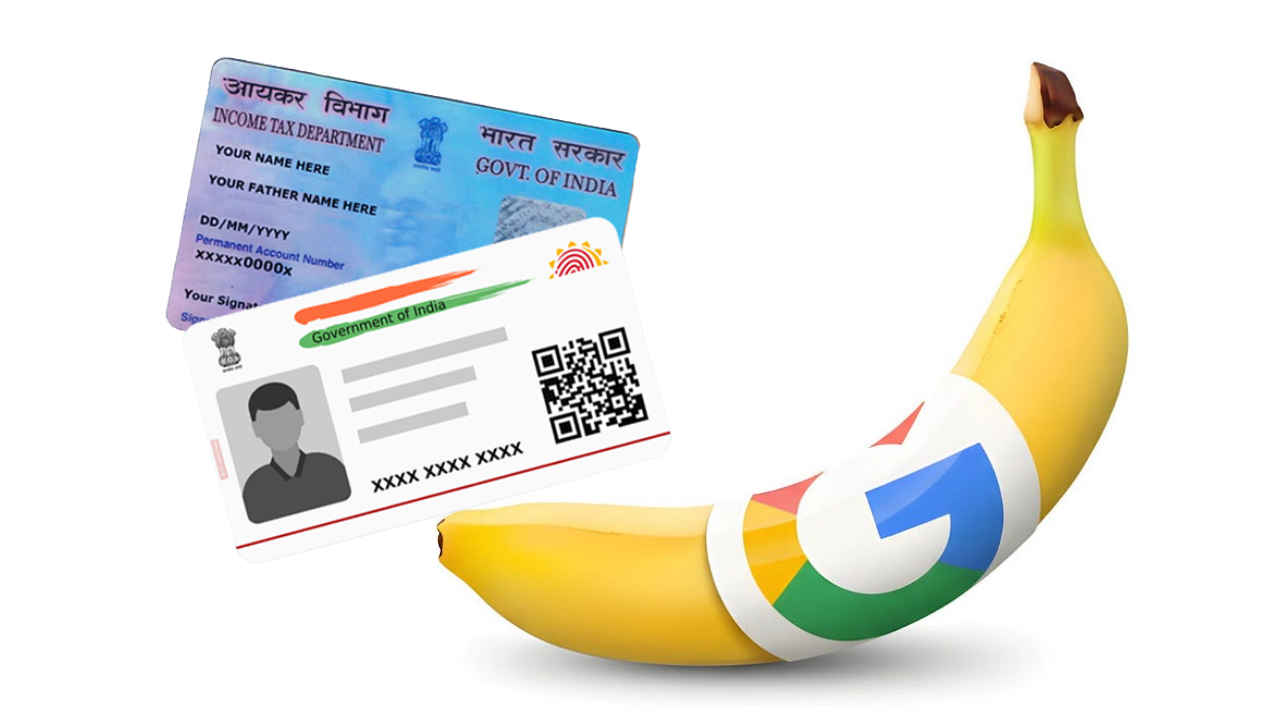

Almost all of us have used Google’s Nano Banana AI model to create or edit images. The new AI model drew users’ attention due to its creativity, precision, and accuracy. Recently, Google stepped up the game by introducing the Nano Banana Pro model, which it claims is more accurate and secure. Despite all of the upgrades, scammers continue to exploit the technology, creating fake IDs such as PAN cards, Aadhar cards, and even doctored images to defraud food delivery services such as Zomato and Swiggy.
 Survey
This gained attention when several users took to social media platforms to show how simple it is to do. Recently, a Bengaluru-based techie exposed how easily the model can create fake identity documents that appear visually authentic. Using publicly available tools, he created PAN cards with fictitious information and shared the results online.
What resulted was near-perfect alignment of fonts, layouts and security elements, raising serious concerns about how easily such forgeries could pass basic identification checks. Even cybersecurity experts have stated that this trend indicates a critical flaw in India’s verification practices. While both Aadhaar and PAN provide digital validation via QR codes and databases, many on-the-ground checks rely solely on visual inspection and result in fraud.
In terms of security, Google provides watermarking technology called SynthID, which is designed to mark AI-generated images. However, its effectiveness is dependent on someone actively scanning the images using compatible tools, which is rarely done by anyone. This creates a situation in which fraudsters can easily avoid manual checks, particularly in fast-paced interactions such as food delivery drop-offs or online marketplace returns.
Scammers using realistic fake images to trick delivery partners into handing over prepaid orders or accepting fake “verification photos” have already been reported in major cities. Platforms have started warning riders about the rise in AI-assisted fraud and are looking into automated screening tools that can detect manipulated images before they reach delivery personnel.
However, the current situation raises questions about the need for modern verification systems, broader deployment of automated authentication technologies, and public awareness, especially now that AI models are easily accessible.
How to identify deepfakes
You can always check the official portals to verify documents by entering details and validating them with OTPs. If not, look for obvious visual inconsistencies, such as distorted anatomy, mismatched eyes, and jumbled or blurry text. Lighting and shadows can also appear unnatural or contradictory, and textures can appear too smooth or artificial. Background elements may also appear illogical or poorly connected, making the overall scene seem contextually implausible.


