
Top 5 Apple innovations that changed tech forever
 Follow Us

Fifty years. Half a century of one company pulling the future forward by its collar. Before we get into what I think are the big five, let’s take a moment for the ones that deserve a quiet bow. Steve Jobs, who saw the world not as it was but as it stubbornly refused to be yet and then built it anyway. A man who made “one more thing” the most anticipated phrase in tech, who got fired from his own company, came back, and proceeded to have the greatest second act in business history. The Macintosh, which put a real computer in front of real people and said, go ahead, use it. AirDrop, the kind of thing you never knew you needed until the moment you did and then wondered how you ever shared anything without it. And AirPods, those little white stems that initially looked absurd on everyone and then became as natural as breathing. Apple turns fifty this year. And the most remarkable thing isn’t the products, it’s that the hunger never left. That’s the whole trick, really.
 Survey
Also read: Claude Code’s computer use: How it works and what it can do on your Mac
The iPod
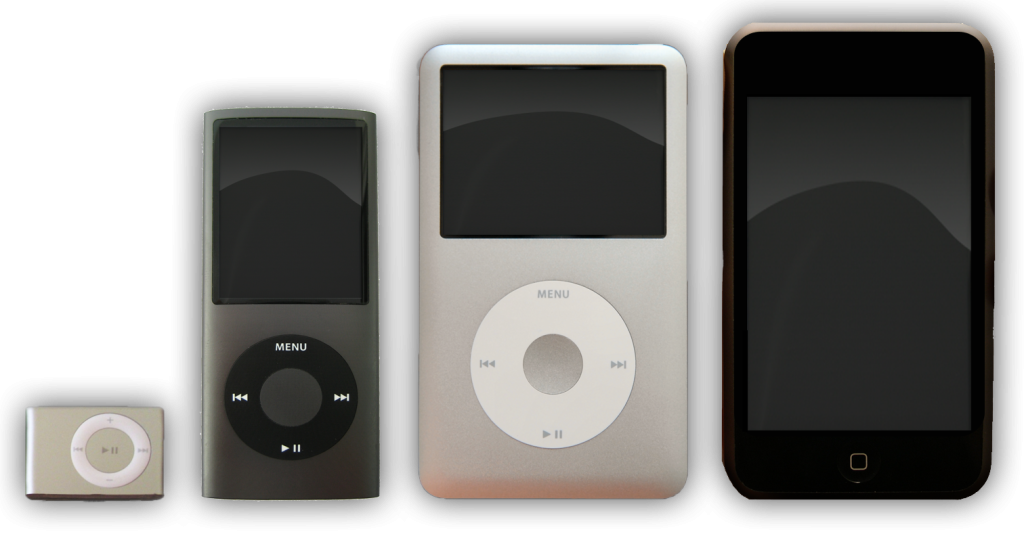
There’s something quietly poetic about the fact that Apple changed music before it changed smartphones. A thousand songs in your pocket, that line landed not because it was marketing, but because it was true. The iPod didn’t invent the MP3 player. It just made every other MP3 player feel like a consolation prize. It also, almost accidentally, rewired the entire music industry cracking open the album format and teaching a generation that a song could cost 99 cents and still feel like yours.
The iPhone
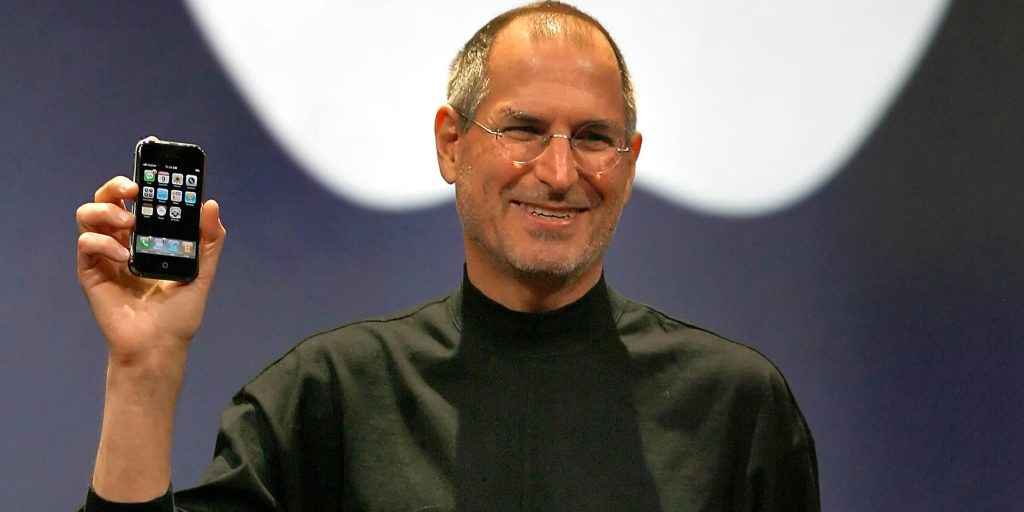
Steve Jobs walked out on stage in January 2007 and said Apple was introducing three revolutionary products – a widescreen iPod, a phone, and an internet communicator. The crowd laughed when they realised it was all one thing. The world stopped laughing pretty quickly. The iPhone didn’t just change phones, it changed everything phones touched – maps, cameras, banking, relationships, attention spans, the way we argue, the way we love, the way we find a restaurant at 9pm in a city we’ve never been to. Seventeen years on, it still sets the tempo.
The App Store
Also read: You can now run OpenAI’s Codex inside Claude Code: Here’s how
A year after the iPhone, Apple opened a store inside it. It was a very simple idea but it had a seismic impact. The App Store created a completely new economy, one where a bedroom developer in Bangalore could build something on Monday and sell it to someone in Bergen by Friday. It gave rise to industries that didn’t exist before – ride-hailing, food delivery, mobile gaming, social media as we know it. The App Store is also, admittedly, one of Apple’s most complicated legacies – a 30% cut and a lot of gatekeeping have made it contentious. But as a model for software distribution? It changed the game permanently.
Face ID
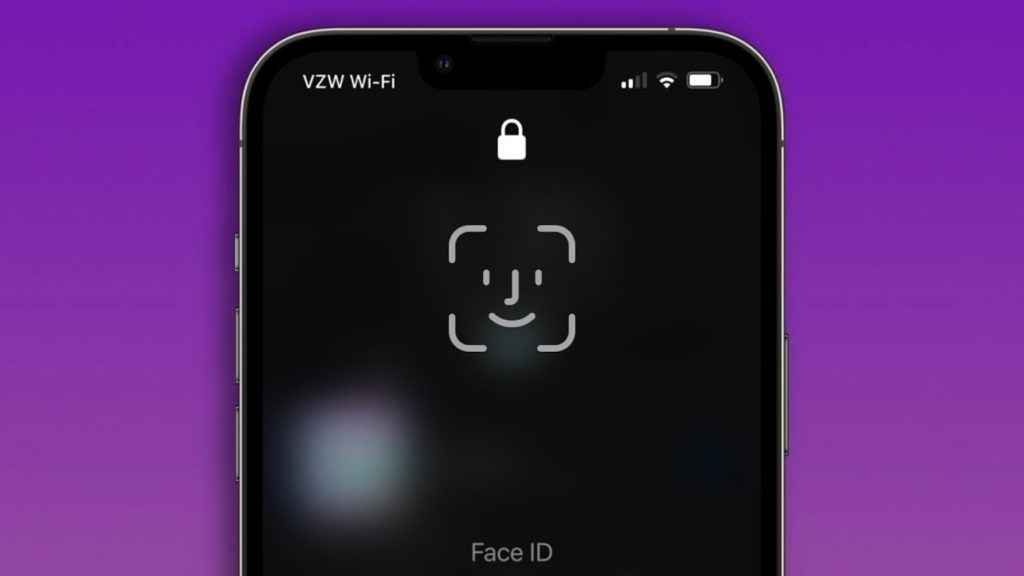
Passwords are a nuisance. PINs are better. Fingerprints were better still. And then Apple shipped the TrueDepth camera on the iPhone X and made your face the key. Face ID wasn’t just a biometric trick, it was a statement about what security could feel like when it stopped feeling like friction. It works in the dark. It works when you’ve just woken up. It works while you’re holding two grocery bags. As a piece of engineering that genuinely respects the human using it, it remains remarkable.
Apple Silicon
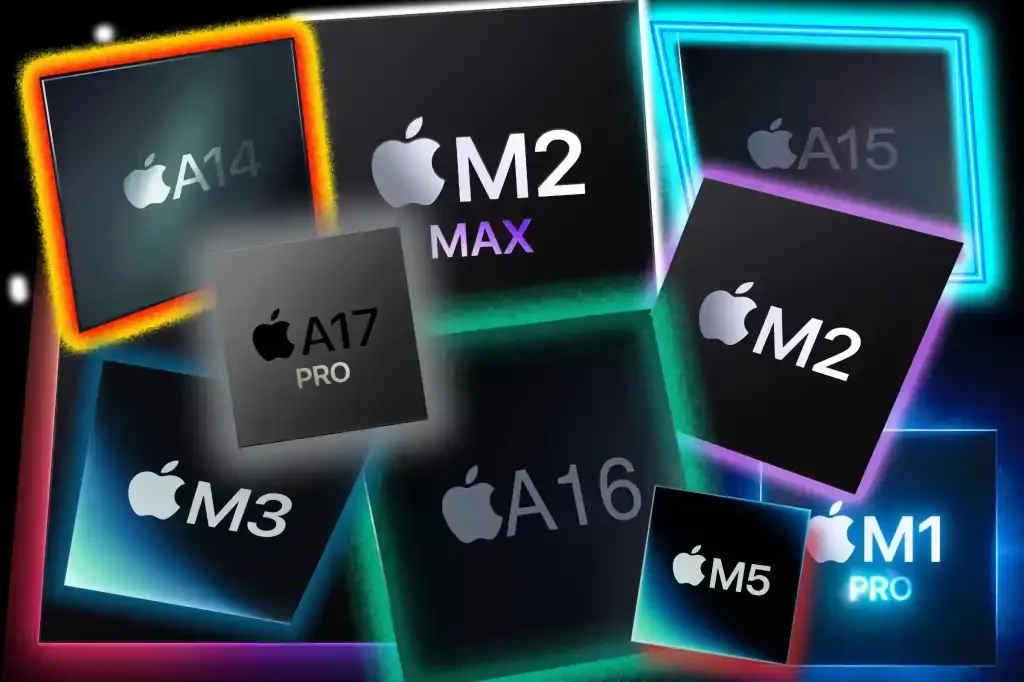
The tech world assumed Apple’s move away from Intel chips was a bold gamble. It turned out to be a humiliation… for Intel. What most people missed was that Apple had been rehearsing for this moment for years. Every A-series chip inside every iPhone – the A4, the A7 that first hit 64-bit, the A12 that brought on-device machine learning – was Apple quietly doing the reps, building the muscle, learning what it meant to own silicon from the ground up. By the time the M1 arrived in 2020, it wasn’t a leap of faith. The chip redrew what a laptop could be – cooler, quieter, faster, and lasting all day on a charge without drama. Apple Silicon wasn’t merely a performance leap, it proved that designing your own chips, tightly married to your own software, produces something no off-the-shelf component ever could. Every other chipmaker has been playing catch-up since. Most are still catching.
The best Apple products don’t ask you to adapt to them. They adapt to you and then you can’t imagine life any other way. Here’s to fifty years of that. And whatever comes next.
Also read: Apple iPhone 17e vs Google Pixel 10a: Which is a smarter buy


