
One-third of world’s Helium supply gone: How it affects chips to AI chatbots
 Follow Us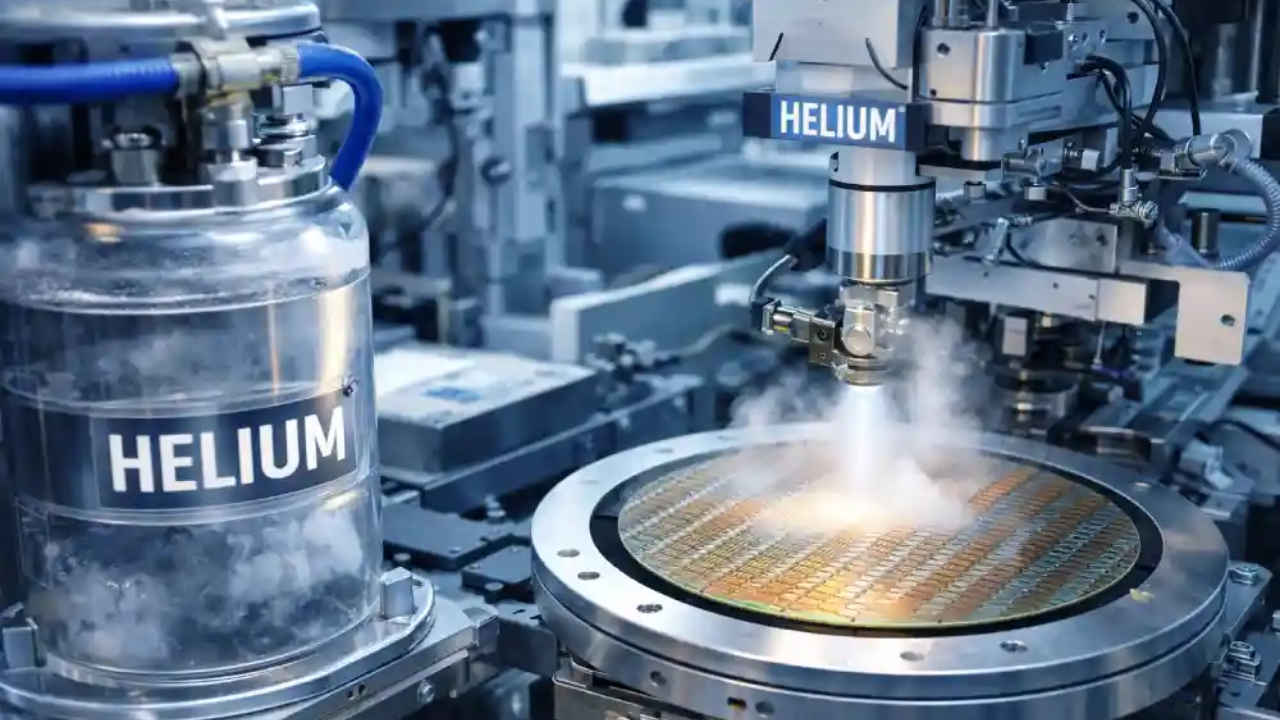

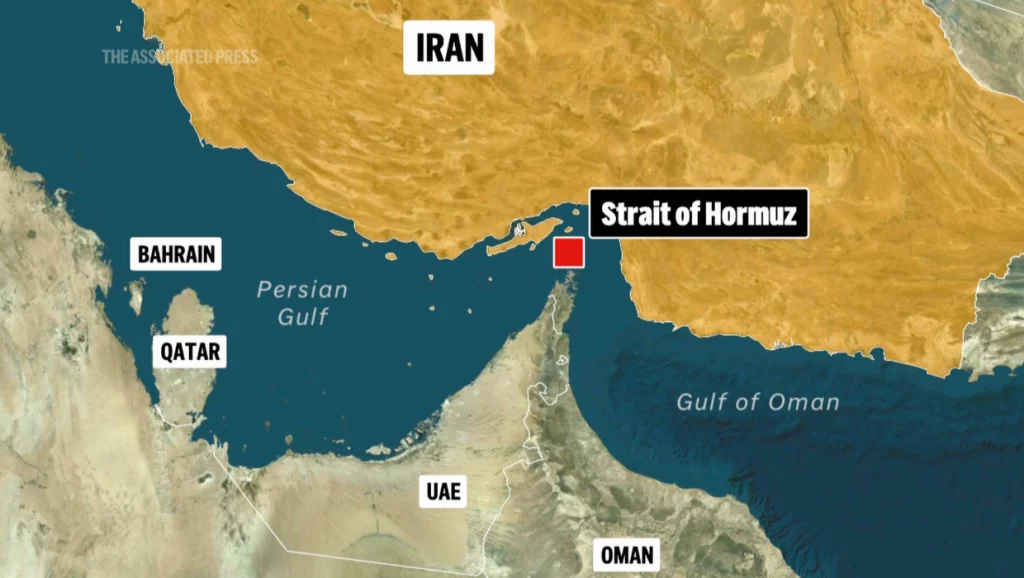
The next time your AI chatbot answers a question, thank helium. Not the balloon gas, but what is responsible for every chip fab, every MRI machine, and every semiconductor clean room on Earth. On March 2, Iranian drone strikes hit Qatar’s Ras Laffan facility, the world’s largest helium production base. A follow-up missile strike on March 19 finished the job. In one stroke, roughly a third of the planet’s helium supply went dark. And unlike oil, unlike gas, unlike almost every other industrial input, nobody can make more.
 Survey
Also read: Everything is localised for India: Thomson on entering the refrigerator segment
Helium is the only element that escapes Earth’s atmosphere permanently. It accumulates over billions of years in the same geological reservoirs as natural gas and is recovered as a byproduct during LNG liquefaction. When Qatar’s LNG production stopped, helium extraction stopped automatically. There is no workaround. You cannot produce helium without producing LNG.
Qatar produced roughly 63 million cubic metres of helium in 2025, between 30 and 36 percent of global supply from a total of approximately 190 million cubic metres. That share is now gone. The semiconductor industry is where this gets alarming. South Korea imports 64.7 percent of its helium from Qatar. SK Hynix and Samsung, the two companies that manufacture the high-bandwidth memory inside every AI accelerator, every data centre GPU, and every cloud computing cluster, depend on helium to cool silicon wafers, carry gases through deposition and etching tools, and maintain the precise temperature environments required for extreme ultraviolet lithography. Without helium, the fabrication process degrades. Without enough of it, it stops.
Also read: Microsoft’s new image generation model MAI-Image-2: How it stacks up against Gemini and ChatGPT
SK Hynix and Samsung currently hold two to three months of inventory. That is not a buffer. It is a countdown. If Ras Laffan remains offline beyond that window, South Korean memory production faces rationing and the AI hardware supply chain, from HBM3E memory stacks to advanced logic chips, faces a shortage with no short-term fix.
Spot helium prices have roughly doubled since the crisis began. Industry consultant Phil Kornbluth, the most cited voice in the helium market, has stated plainly: the world cannot compensate for losing a third of its supply. A major industrial gas supplier has already begun assessing customers a helium surcharge. Contract prices could approach $2,000 per thousand cubic feet if the disruption holds.
The United States and private reserves offer partial relief, and Canada’s Rocky Mountain deposits are drawing renewed investor interest. But none of this replaces 63 million cubic metres in weeks. Japan’s Iwatani has already begun drawing on US federal reserves.
The Hormuz crisis has now claimed oil, nitrogen, sulfur, and medicine. Helium is the eighth layer. The countdown on chip supply has started, and the clock is not waiting for a ceasefire.
Also read: Samsung Galaxy S26 Plus in Digit Test Labs: A flagship that sticks to its formula


