
NASA Artemis II mission isn’t landing on moon: Here’s why
 Follow Us
Artemis II establishes the foundation for future lunar and Mars missions.
Four astronauts will be testing Orion’s life support systems in real time.
This mission marks humanity’s farthest journey into deep space to date.
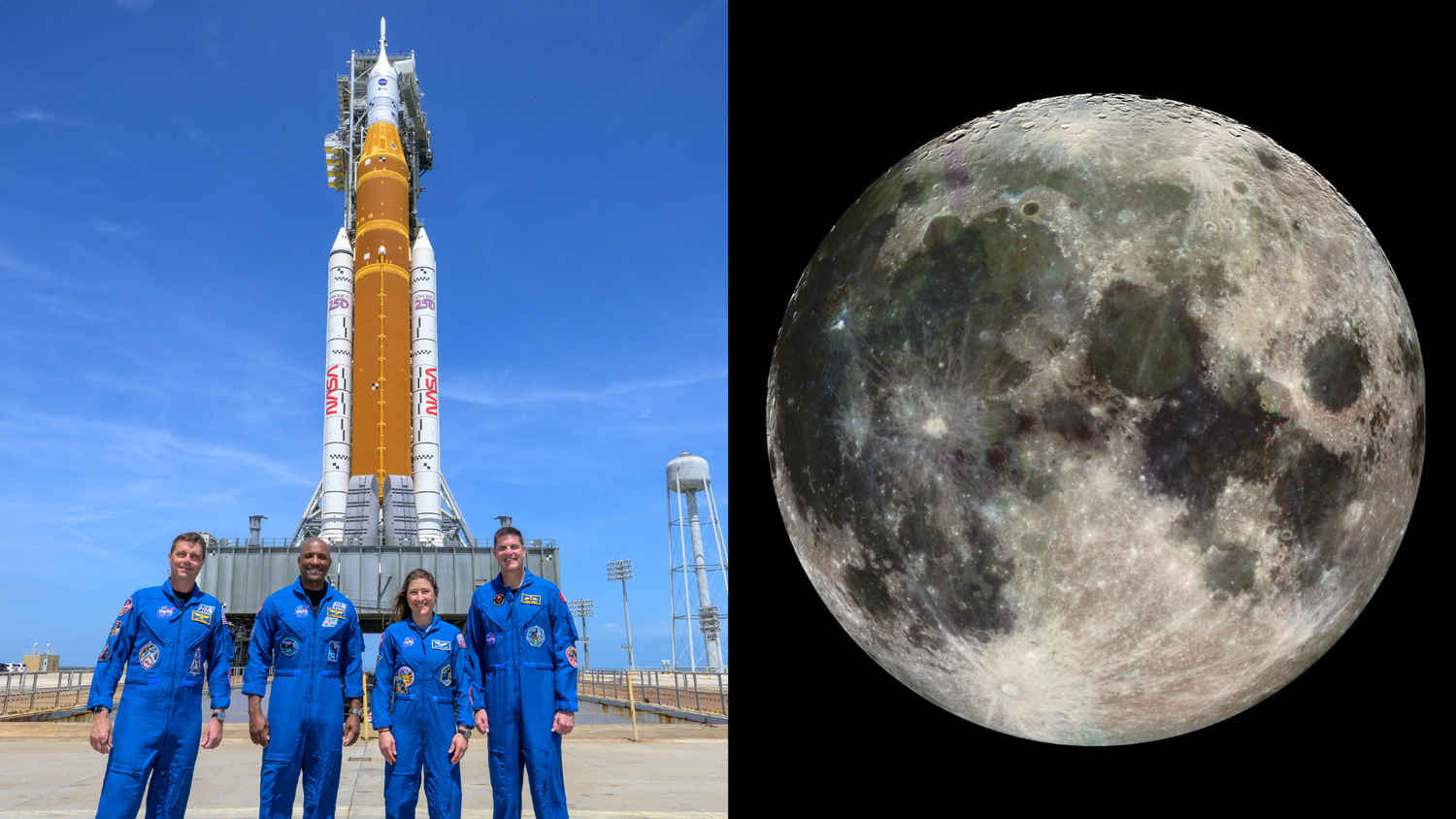

The NASA Artemis II lifted off just a few hours ago, and while it has been making headlines all over the internet, a lot of people aren’t aware of the importance of this mission.
 Survey
Initially, there was a lot of confusion, as most believed that Artemis II would land on the moon. And that thought does make sense, given that back in the late 1960s, humans did set foot on the moon.
So why isn’t NASA doing it once again with Artemis II? Well, there’s a deeper side to this story.
The point of the Artemis II mission isn’t that simple. In the current world of “instant results”, it may seem like NASA is slow, but rather they are future thinkers. Instead of rushing forward, their game plan is much different, as they have planned the mission in such a way that it lays the foundation for future Artemis III and IV space missions. Let’s take a deep dive and understand why the NASA Artemis II mission is much more important than you think.
Also Read: Artemis II explained: How humanity is making its first lunar trip since 1972
Why Artemis II isn’t landing on the moon
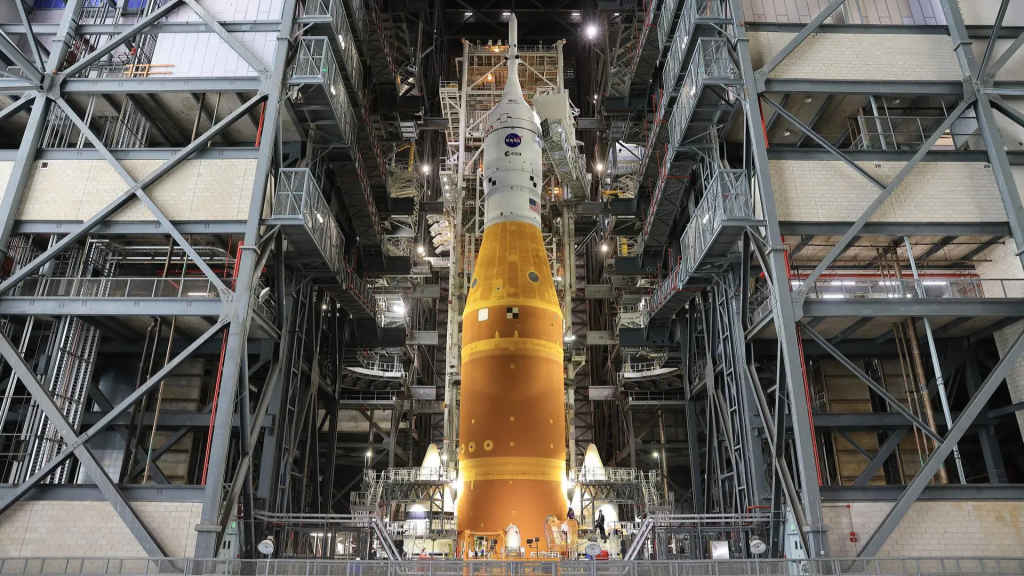
It’s not that NASA isn’t willing to land on the moon right away, but because it’s not possible given the current scenario. The moon landers for the Artemis missions are still in development by both SpaceX and Blue Origin. Once the development is complete, NASA plans to conduct the first crewed lunar landing with its Artemis IV mission in 2028.
But the bigger picture is that instead of a lunar landing, the point of the Artemis II mission is to pave the way for future lunar landings, i.e., the Artemis III and IV. During the 10 days of the mission, the spacecraft will take astronauts farther into space than the human race has ever been. Beyond the far side of the Moon, before it eventually returns to Earth.
NASA is doing this for two reasons. So that it can ensure that sustainable exploration is possible, and they are ready for future missions. The biggest problem with the early Apollo missions was that they were simply way too expensive. But if the Artemis II mission turns out to be successful, it would change things forever. The ultimate goal of sending astronauts to Mars would become possible.
Key mission objectives of Artemis II’s moon flyby
This mission serves as a crucial pre-check that would ensure the Orion spacecraft is built ready for future missions like Mars. While the initial Artemis I mission was a success, it was very different because it was completely uncrewed. But with this mission, NASA has sent over a total of 4 skilled astronauts who would be able to evaluate the systems in real-time, providing vital data for future crewed landings.
From the life-support systems to the navigation, and most importantly, the re-entry performance, this mission will be a complete endurance test to ensure that future explorations become possible. By building experience with long-duration deep-space missions, NASA would be able to develop all the necessary tech required for the eventual human missions to Mars. Safe to say that the future projects are definitely something to look forward to.
Also Read: Smartphones, cameras: Artemis II astronauts will use all these tech gadgets on moon flyby


