
Iran-US-Israel war: Guy used AI to build 24-hour replay of Operation Epic Fury
 Follow Us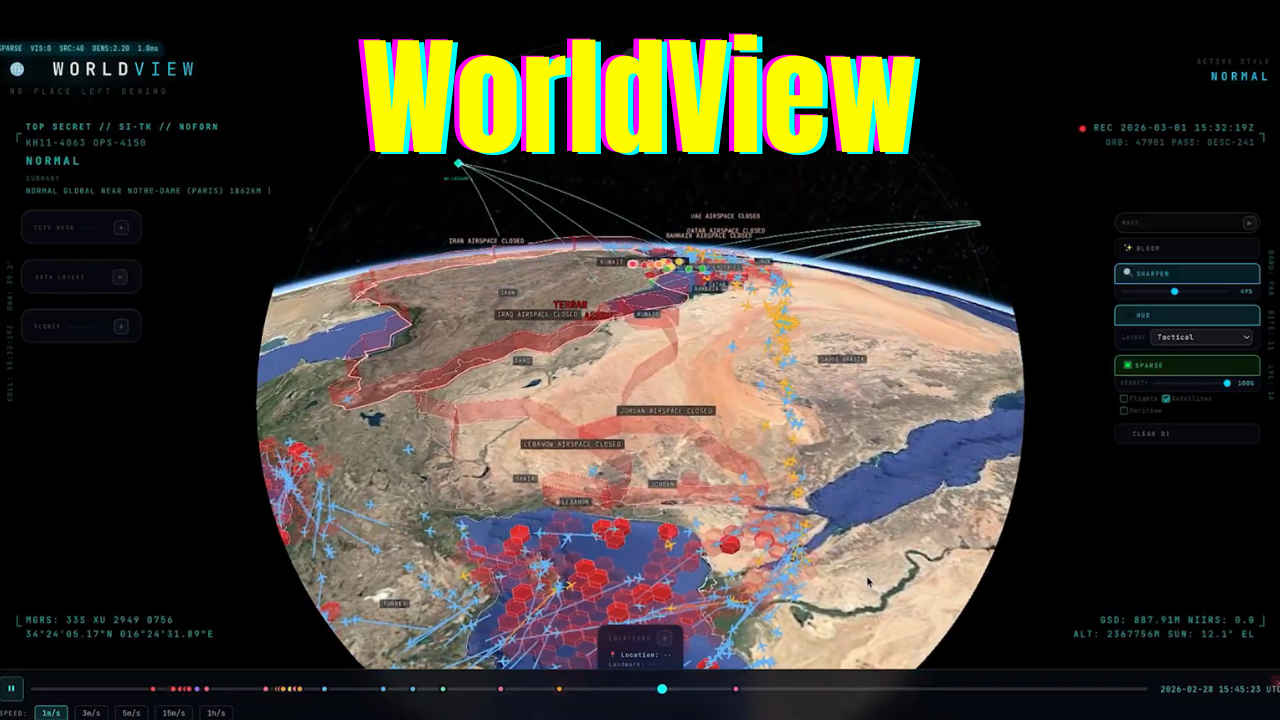

When the strikes on Iran began on February 28, I did what most people do during a breaking news event, I started refreshing feeds, watching fragments of information surface and disappear, trying to piece together what was actually happening. Grainy footage. Conflicting reports. The usual fog. Then I came across what Bilawal Sidhu had built, and I had to stop scrolling.
 Survey
Also read: Grok didn’t really predict US strike on Iran: Here’s why
While the rest of us were consuming the chaos, this former Google PM had deployed an AI agent swarm the moment Operation Epic Fury kicked off – dozens of automated collectors fanning out across every public signal he could reach, racing against the clock before caches cleared and the digital trail went cold. By the time most journalists had filed their first dispatches, Sidhu had something else entirely: a complete, minute-by-minute, 4D reconstruction of the opening 24 hours of one of the most significant military operations in recent memory. Airspace closures over Tehran. GPS interference spreading across the region like a shadow. Shipping fleets scattering at the Strait of Hormuz. No-fly zones locking down nine countries simultaneously. All of it, on a scrub-able 3D globe, built by one person, overnight, using entirely public data.
Also read: Dario Amodei refuses AI safety compromise: Why it matters
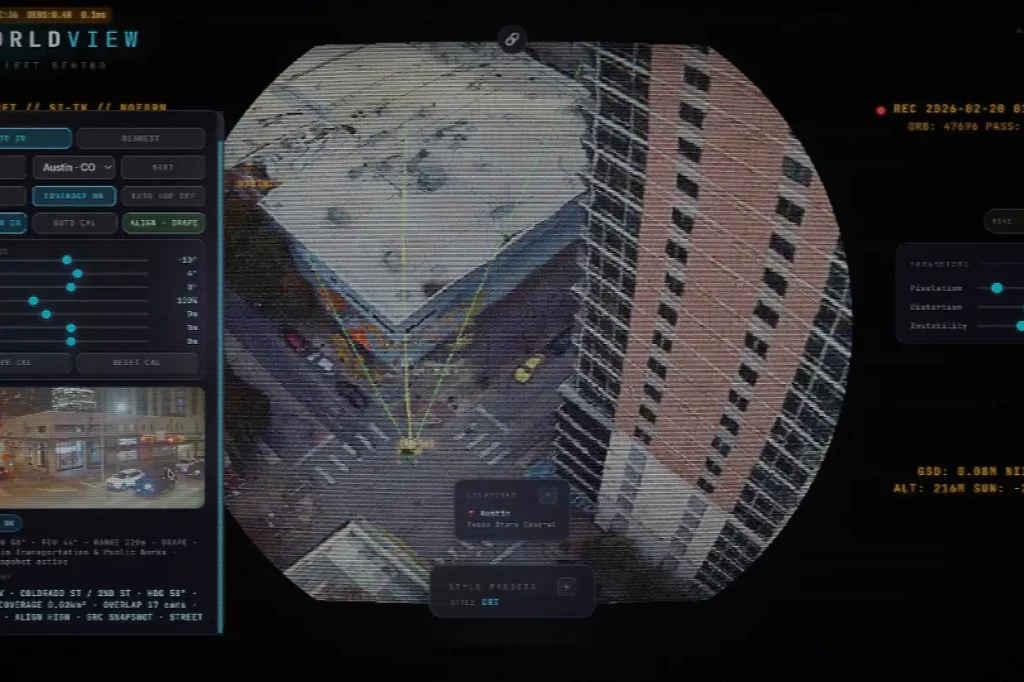
I’ve not spent much time around geospatial intelligence tools but what Sidhu built looks like the kind of situational awareness picture that should ideally require a room full of analysts, six-figure software licenses, and classified feeds. The data sources themselves aren’t secret – flight tracking, maritime AIS, GPS spoofing maps, satellite pass schedules, NOTAM feeds. It’s all out there. What didn’t used to exist was a single developer who could orchestrate it all in real time, under time pressure, before the window closes. That’s the architectural leap.
His upcoming platform, WorldView, drops publicly in April. And yes, the demo is impressive enough that 9,000+ people liked a post about it. But here’s what I keep thinking about. In the replies to his thread, someone praised the agent swarm. Sidhu’s response was offhand, almost casual: “Eventually software will be commodity – models will have some value, but ultimately it’ll all be wrappers around unique/proprietary data.” He said it like it was obvious.
It is obvious. But almost nobody is building from that assumption yet. What Sidhu quietly demonstrated isn’t just that one guy can now replicate a multi-million dollar agency situational awareness from his laptop. It’s that the people who win the next decade of AI won’t be the ones with just the best models. They’ll be the ones who figured out, early, which data streams the world actually needs and moved fast enough to own them.
Also read: US-Israel strike on Iran relied on Anthropic AI despite Trump’s ban: Report


