
How to remove unwanted apps from Windows 11 laptop and make it faster
 Follow Us

It’s a tale as old as time for PC users: you unbox your brand-new Windows laptop, excited by the promise of blazing-fast performance, only to find it’s bogged down with pre-installed programs you never asked for. From trialware to manufacturer-specific utilities and even games, this digital baggage, known as “bloatware,” can clutter your system, consume precious storage, and slow down your computer from the moment you turn it on.
 Survey
For many users, this is just an annoying fact of life. But for a growing number of tech-savvy individuals, a process called “debloating” is the key to unlocking their Windows 11 laptop’s true potential.
Also read: Data commons MCP explained: Google’s AI model context protocol for developers
What is bloatware?
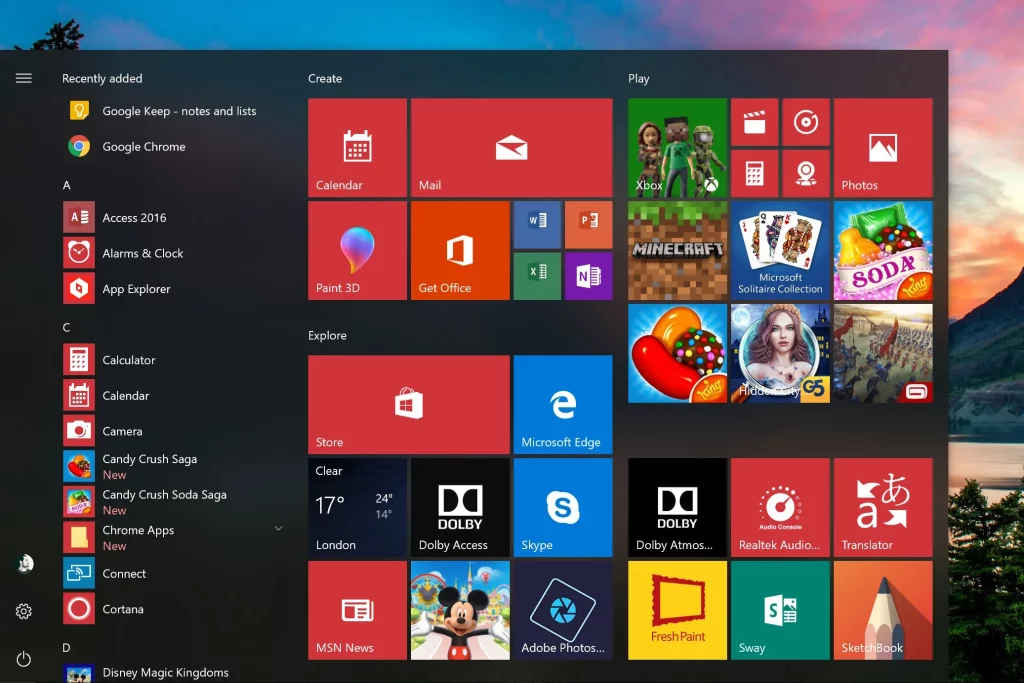
Bloatware isn’t malware, but it can be just as unwelcome. It’s the software that PC manufacturers or Microsoft itself pre-installs on a new machine. While some of it might be useful to a specific subset of users, much of it is either unnecessary, redundant, or designed to serve a company’s commercial interests, such as a limited-time trial of an antivirus program that will soon nag you for a subscription.
This unwanted software can manifest in several forms:
- Trialware: Limited-time versions of programs that expire, prompting you to buy the full version.
- Manufacturer-specific apps: Utilities for system updates, hardware management, or customer support that may duplicate existing Windows functions.
- Pre-installed apps: Games like Candy Crush, social media apps like TikTok, or productivity tools like Microsoft Teams that you may never use.
- Telemetry and advertising features: Hidden processes that track your usage for data collection or display targeted ads.
These programs and services run in the background, consuming CPU cycles, RAM, and disk space, leading to slower boot times, decreased responsiveness, and reduced battery life.
The debloating difference
The concept is simple: by removing these unnecessary programs and services, you free up system resources, allowing your laptop to run more efficiently. Users who have debloated their systems often report a noticeable difference in performance. One user on a tech forum noted their CPU usage at idle dropped from 40-60% to just 1-2% after debloating, with a corresponding decrease in fan noise and an increase in battery life.
Debloating can also be a matter of privacy. Many of the pre-installed features are designed to collect data on your usage. By removing them, you take back control of your digital footprint.
How to debloat your windows 11 laptop
There are several approaches to debloating, ranging from simple, manual methods to more advanced, automated scripts.
1. The manual method (for beginners)
This is the safest and most straightforward way to start. It involves using Windows’ built-in tools to uninstall unwanted apps one by one.
- Go to Start > Settings > Apps > Installed apps.
- Scroll through the list of applications. If you see something you don’t recognize and don’t think you’ll ever use, click the three dots next to it and select Uninstall.
Tip: Optimize your startup. After uninstalling, take a moment to review which apps launch with your PC.
- Press Ctrl + Shift + Esc to open Task Manager.
- Go to the Startup apps tab.
- For any app you don’t need to run at boot (e.g., Spotify, Discord), right-click on it and select Disable. This can significantly reduce your boot time.
Also read: Gaming peripherals 101: Your guide to building a custom mechanical keyboard
2. PowerShell (for advanced users)
For more stubborn or deeply integrated bloatware that doesn’t show up in the Settings menu, you can use PowerShell, a command-line tool. Several open-source PowerShell scripts are available online that are specifically designed to remove a comprehensive list of bloatware.
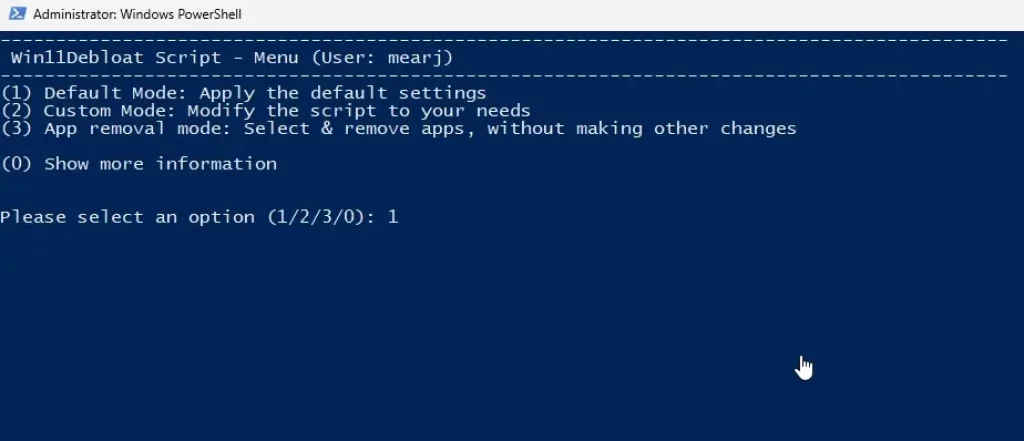
- A popular example is the Win11Debloat script. These scripts often come with different modes, allowing you to choose a default “remove all” option or a custom mode where you can select which apps to keep or remove.
- A word of caution: Using scripts requires a higher level of technical knowledge. You should always create a system restore point before running any script to ensure you can revert your system if something goes wrong.
3. Third-party debloating tools (the automated approach)
For users who want the thoroughness of a script without the command-line interface, there are third-party applications with a graphical user interface (GUI). Tools like SophiApp or Chris Titus Tech’s Windows Utility provide a user-friendly way to manage your debloating process. These tools often allow you to not only uninstall apps but also disable telemetry, privacy-invading features, and other non-essential services with a few clicks.
A note of caution
While the goal is to remove unnecessary software, be careful not to delete essential system components. Here is a list of applications and processes that are generally safe to keep as they are vital for system functionality and security:
- Microsoft Edge: While you might prefer a different browser, Edge is a core component of the Windows operating system and its web-based features.
- Windows Security: The built-in antivirus and security suite. Removing it would leave your system vulnerable to malware.
- Microsoft Store: Required to download and update apps from the Windows App Store.
- Explorer.exe: This is the process for your desktop, taskbar, and file explorer. Do not disable or remove it.
- Svchost.exe: A generic host process for services. Multiple instances are normal and essential for many Windows functions.
The debate over what constitutes “bloatware” will likely continue as operating systems evolve to cater to a wider audience. But for those who value speed, privacy, and a minimalist digital environment, debloating is a powerful way to reclaim their Windows 11 laptop from the digital clutter. Whether you choose a manual approach or an automated tool, the end result is a leaner, faster, and more personal computing experience.
Also read: Macrohard by Musk’s xAI: The AI-powered rival to Microsoft explained


