
Data commons MCP explained: Google’s AI model context protocol for developers
 Follow Us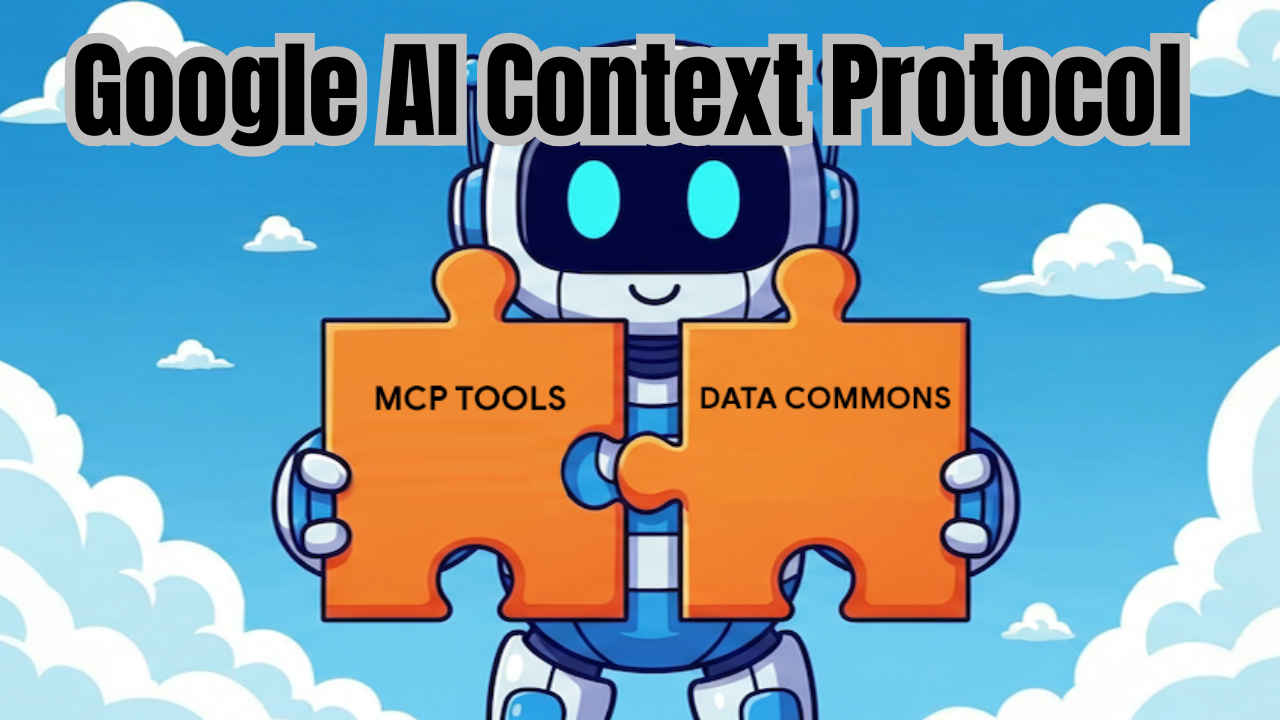

Google has unveiled the Data Commons Model Context Protocol (MCP) Server, an open-source tool designed to make public data more accessible to AI systems. For developers, this means a streamlined way to integrate real-world, structured datasets into applications powered by large language models (LLMs). The result: fewer hallucinations, more trust in AI outputs, and a smoother path to building intelligent agents that rely on accurate information.
 Survey
Also read: Macrohard by Musk’s xAI: The AI-powered rival to Microsoft explained
What is Data Commons MCP?
At its core, the Model Context Protocol is a standardized interface that connects AI systems to external data sources. The new MCP Server for Data Commons acts as a bridge between LLMs—such as Google Gemini—and the massive Data Commons repository of public datasets.
These datasets cover a wide range of domains: global health statistics, climate change indicators, economic data, census information, and more. By linking directly into this pool of knowledge, AI models can fetch relevant, up-to-date numbers instead of guessing or relying solely on training data.
For developers, the promise is clear: instead of wrestling with dozens of APIs and inconsistent formats, they can tap into a unified protocol that brings structured, reliable information directly into their AI workflows.
Tackling AI hallucinations
One of the biggest problems in generative AI is “hallucination”—when a model invents facts with confidence but no grounding. While retrieval-augmented generation (RAG) and custom databases have helped, they often require complex infrastructure.
The MCP Server takes a different approach by providing direct access to publicly verifiable datasets. When a model is asked about, say, maternal mortality rates in Sub-Saharan Africa or unemployment figures in Europe, the MCP can supply authoritative numbers from Data Commons. This grounding dramatically reduces the risk of fabricated answers.
Also read: Scientists have created AI-generated viruses that are killing bacteria: Here’s how
A real-world example is the ONE Data Agent, built by the ONE Campaign. Using the MCP Server, it provides policy advocates with instant access to reliable health and economic data. Instead of spending hours digging through spreadsheets and portals, advocates can query an AI assistant that delivers sourced, up-to-date figures on demand.
Why it matters for developers
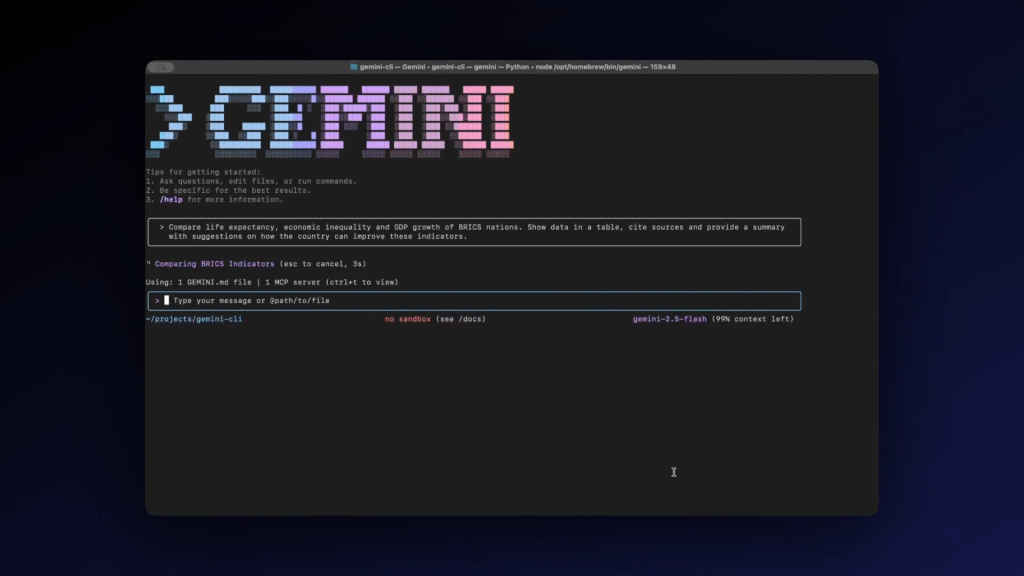
Beyond accuracy, MCP is about developer productivity. Google designed the Data Commons MCP Server to integrate seamlessly with existing AI toolkits. It already supports the Agent Development Kit (ADK) and the Gemini CLI, meaning developers can plug in trusted datasets without writing complex connectors or managing fragile API dependencies.
For teams building agents, chatbots, or analytic dashboards, this translates to faster prototyping and more reliable outputs. Instead of reinventing the wheel for every project, developers can rely on MCP as a ready-made data backbone.
It also opens up possibilities for smaller startups and research groups who lack the resources to maintain vast databases. With MCP, they gain access to a world of curated public data in a standardized format, narrowing the gap between independent developers and large tech companies.
Broader implications
The launch of the Data Commons MCP Server also has wider significance. By making structured public data easier to use, Google is helping anchor AI applications in transparency and accountability. Users can trace the origins of data, reducing the “black box” problem that plagues AI decision-making.
This has particular value in fields like public policy, healthcare, climate analysis, and education—areas where bad data can lead to poor decisions. A policy report generated with MCP-backed data is more trustworthy than one created purely from model predictions.
For governments and NGOs, MCP could become a vital bridge between open data initiatives and practical AI applications. For enterprises, it represents a scalable way to blend external public datasets with internal knowledge bases.
Getting started
Developers eager to explore MCP can find a quickstart guide, documentation, and examples on the official Data Commons site. The setup process involves connecting the MCP Server to an AI agent environment and defining the queries that matter most for the use case.
Early adopters report that integration is straightforward, and once configured, the server becomes a persistent data layer that AI tools can query as needed.
The Data Commons MCP Server is more than just another developer tool. It’s part of a larger shift toward making AI not only powerful but also trustworthy. By giving developers access to clean, reliable, and verifiable data, it helps close the gap between what AI models say and what the world actually is.
For developers, researchers, and organizations alike, MCP is an invitation: build smarter, faster, and with confidence that the facts behind your AI are real.
Also read: Gemini comes to Chrome browser: The new AI features explained


