
Explained: Special fiberglass cloth needed to make chips, which is in short supply
 Follow Us
Glass cloth shortage threatens AI chips smartphones as supply tightens
Apple Qualcomm Nvidia compete for Japanese fiberglass used in chips
Why a single glass material could bottleneck global semiconductor growth
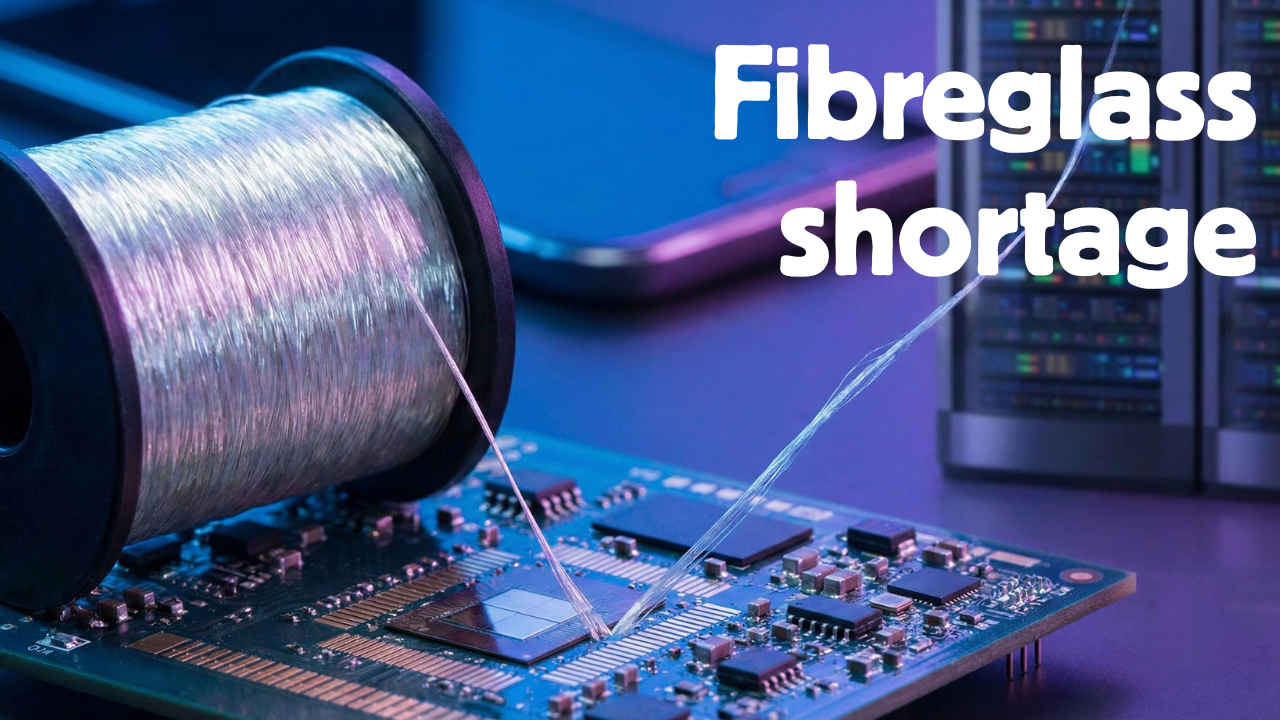

In the high-stakes world of semiconductor manufacturing, the spotlight usually falls on nanometer process nodes, lithography machines, or the sheer computing power of the latest GPUs. Yet, a looming crisis has revealed that the entire AI and smartphone ecosystem currently hinges on something much more tangible: a specialized fabric known as “glass cloth.”
 Survey
A recent supply chain bottleneck has pitted tech giants like Apple and Qualcomm against AI heavyweights like Nvidia, all fighting for a limited Japanese resource that won’t see eased availability until 2027. Here is a breakdown of what this material is, why it is critical, and how a single company became the chokepoint of the global chip industry.
Also read: Stanford to MIT: Claude AI is helping biological researchers unlock new science
What is “Glass Cloth”?
At the heart of the shortage is a specific type of high-performance glass fiber, often referred to as “T-glass” or low-dielectric glass. While standard glass fiber is common in basic electronics, high-end processors require something far more sophisticated. This specialized glass cloth serves as the core skeleton of the resin-based substrates that house chips.
Its primary value lies in its low dielectric constant. In non-technical terms, this material minimizes signal loss and delay. As chips become faster and data transmission speeds increase, driven by 5G and AI applications, the substrate must not interfere with the electrical signals. This glass ensures that high-speed data moves efficiently without overheating or losing integrity.
The Nittobo monopoly
Also read: Elon Musk on AGI timeline: His prediction will surprise you
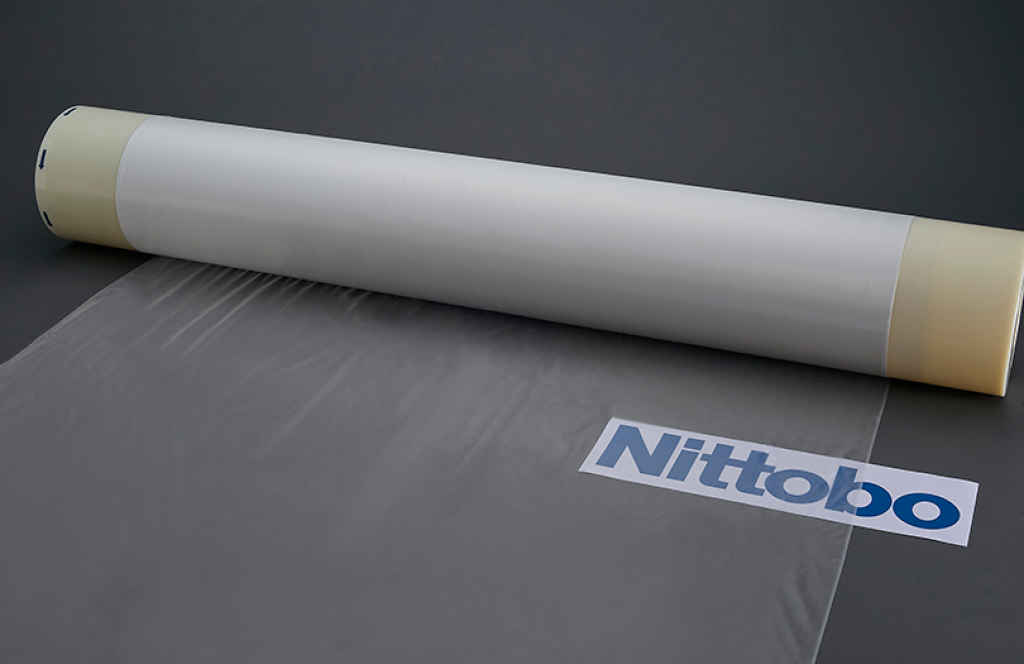
The crisis stems from an extreme lack of supplier diversity. The market for this high-end glass cloth is overwhelmingly dominated by a single Japanese firm: Nitto Boseki, commonly known as Nittobo. Nittobo holds a near-monopoly on the intellectual property and manufacturing capability required to produce this low-loss glass at scale. While other manufacturers exist, few can match the quality required for top-tier logic chips used in flagship iPhones or Blackwell AI accelerators.
For years, Apple was the primary driver of demand for Nittobo’s high-end glass. The company was an early adopter, using the material to ensure the iPhone’s processors remained class-leading in efficiency and speed. However, the generative AI boom has fundamentally altered the landscape.
AI servers require massive printed circuit boards (PCBs) and substrates that use significantly more glass cloth than a smartphone. A single AI server might consume tens or hundreds of times the surface area of material compared to a handset. Consequently, demand from Nvidia, Google, Microsoft, and Amazon has skyrocketed, effectively crowding out traditional mobile players.
Reports indicate that Apple and Qualcomm are now struggling to secure adequate inventory for their future roadmaps, with fears that the shortage could impact device availability or specifications in 2026.
The Timeline and Countermeasures
The supply constraint is not a short-term hurdle. Nittobo is currently expanding its production capacity, investing billions of yen into new factories. However, these facilities are not expected to come online and reach volume production until the second half of 2027.
In the meantime, tech giants are taking unusual and aggressive steps to mitigate the risk:
- Direct Intervention: Apple has reportedly stationed staff directly at Japanese supplier sites (specifically Mitsubishi Gas Chemical, which processes the glass cloth into substrate materials) to monitor output and secure inventory.
- Government Lobbying: There have been moves to engage the Japanese Ministry of Economy, Trade and Industry to ensure stability.
- Seeking Alternatives: Manufacturers are frantically testing alternatives from Chinese suppliers, such as Grace Fabric Technology. However, qualifying a new material for semiconductor use is a slow, rigorous process, and quality parity with Nittobo remains a significant hurdle.
The glass cloth shortage serves as a stark reminder of the fragility of the semiconductor supply chain. While the world focuses on the “chip war” between nations, the industry remains vulnerable to bottlenecks in foundational materials, where a single company in Japan holds the keys to the next generation of computing.
Also read: Grokipedia going to space: You can add your biography in easy steps, here’s how


