
Cochlear Nucleus Nexa: The world’s first smart hearing system
 Follow Us

Hearing is one of those things most people never think about until it’s gone. For millions living with severe to profound hearing loss, a cochlear implant isn’t just a device. It’s a way back to conversation, to music, to the sound of your own name.
 Survey
Cochlear implant technology has been quietly improving for decades. But what Cochlear has done with the Nucleus Nexa System feels like a genuine leap.
Also read: Gaming PC vs. gaming laptop: What makes more sense for you in 2026
Smart in the truest sense
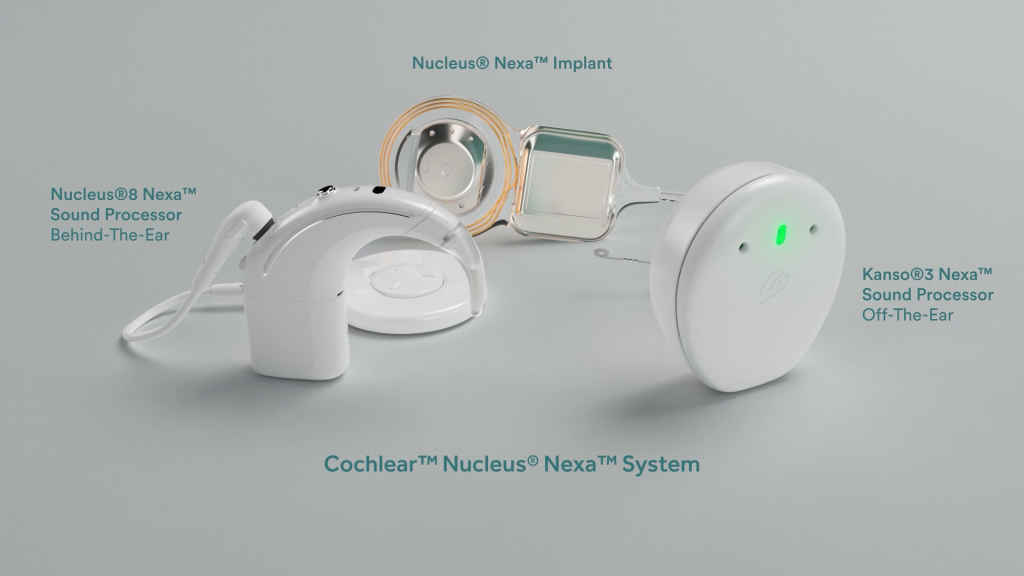
The Nucleus Nexa is a cochlear implant system. A surgically placed internal implant paired with a wearable external sound processor. Sound comes in, gets converted into electrical signals, and stimulates the auditory nerve directly. The brain does the rest. That part isn’t new. What’s new is everything happening inside.
At the heart of the system is the new NEXOS chipset, paired with a redesigned gold implant coil that makes power and data transfer between implant and processor significantly more efficient. These aren’t cosmetic upgrades, they’re the infrastructure that makes everything else possible.
Also read: Apple iPhone 17e vs iPhone 16: Top specs and features comparison
The Nexa’s internal implant has built-in memory, meaning your personalised hearing profile lives inside the implant itself, not just in the external processor. The piece you can never lose. Before this, if a processor was damaged or lost, reconfiguring everything could take multiple clinic visits. Now, a feature called Smart Sync restores all personal settings to a replacement processor in as little as 20 seconds.
Built to grow
Think of it like a smartphone. The Nucleus Nexa can receive firmware upgrades through clinical visits – both the processor and the implant itself – meaning new features and improvements can be delivered to an existing system long after it’s been fitted. Someone receiving a Nexa today isn’t simply locked into today’s capabilities.
Dynamic Power Management further optimises how data moves between implant and processor throughout the day, intelligently adapting to maximise efficiency and battery life. And the Nucleus 8 Nexa sound processor, roughly 9% smaller than its predecessor, is currently the smallest and lightest behind-the-ear processor on the market.
What Cochlear has done here is simple: they’ve built a system that respects the reality of living with an implant long-term. Processors get lost, technology moves on and peoples’ needs change. The Nucleus Nexa was designed with all of that in mind.
Also read: Samsung Galaxy S26 Ultra in the Digit Test Labs after 48 hours: What stands out?


