
 E-Magazine
Are ionizer air purifiers effective at removing pollutants like smoke and dust?
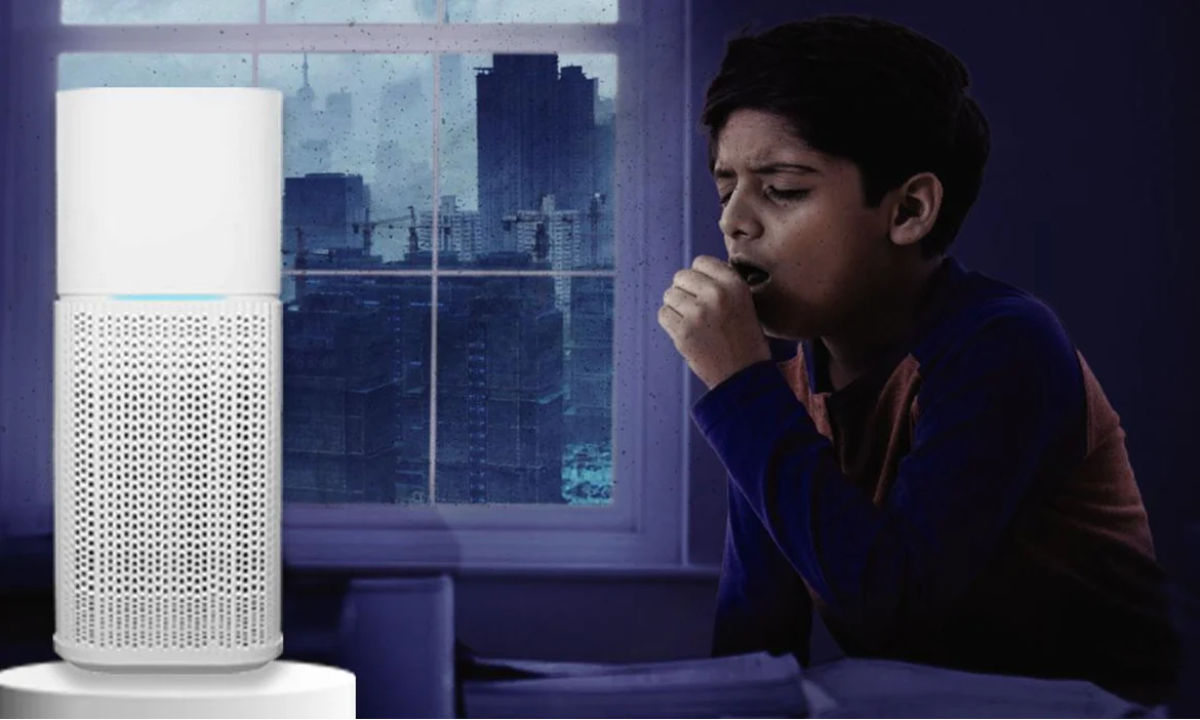
Step into an electronics store or browse online, and you will see dozens of devices promising pure indoor air at a glance. Among those options, ionizer air purifiers often stand out. They feature sleek designs, whisper-quiet operation, and surprisingly low-price tags.
At first, an ionizer looks like a great alternative to traditional mechanical models. It promises cleaner air without the roar of heavy internal fans or the continuous expense of replacement filters. However, when dealing with stubborn daily pollutants like heavy urban dust, construction dirt, and persistent smoke, how effective are ionizers really? Knowing how ionization works and where its limits lie will help you choose the best air purifier for your use.
How ionizer air purifiers actually work and deal with dust
Before we take a look at how effective an ionizer is against dust, let us first understand the science behind it.
Working of an ionizer air purifier
A standard air cleaner uses a motor to pull room air through a dense physical barrier. But an ionizer operates electronically. It releases thousands of negatively charged ions directly into the room. These charged ions seek out floating airborne particles such as dust and smoke particles, giving them an electrostatic charge.
This causes tiny particles to attract one another, clumping together into larger, heavier masses. As these clusters gain weight, they can no longer float in the air. Gravity takes over, forcing the heavy particles to fall out of your breathing space and settle onto nearby surfaces While some ionic models include internal collection plates to catch these charged particles, standard models simply drop them straight onto your furniture, walls, floors and carpets.
Dealing with dust with an ionizer air purifier
From the working of an ionizer air purifier, we can interpret that it may make the air appear cleaner by reducing the amount of visible dust floating around. However, the particles have not necessarily been removed from the room. Dust that settles on surfaces can become airborne again when disturbed by walking, cleaning, opening windows or running a fan. Ionizers may also leave dark deposits on nearby walls and surfaces over time, sometimes referred to as the “black wall” effect.
For a long-term solution to indoor dust, a mechanical air filter with True H13 HEPA filter and Plasma Filtration (which works on ionization principle) stages of air purification remain vastly superior. A high-grade HEPA filter physically pulls contaminated air inside, capturing up to 99.97% of fine dust particles down to 0.1 microns. The ionizer within will also help in dealing with harmful bacteria and viruses, along with smoke.
The smoke dilemma: Particles vs. toxic gases&
Smoke presents a double threat to indoor air quality. It contains fine particulate matter (PM2.5) that penetrates deep into the lungs, along with an array of invisible, toxic chemical gases.
While an ionizer can charge solid smoke ash and force it to settle onto surfaces, smoke is also packed with Volatile Organic Compounds (VOCs), formaldehyde, carbon monoxide, and strong odors. The process of ionization may not be enough to absorb, neutralize, or decompose these dangerous gaseous pollutants. The chemical vapors and lingering smells stay trapped inside your room.
To deal with smoke properly, an air purifier needs a multi-pronged approach:
- Pre-filter: Acts as the first line of defense, catching larger floating debris, coarse dust, and ash clumps before they can clog the inner filters.
- Activated carbon filter layer: Soaks up chemical gases, VOCs, and heavy smoke odors into its porous surface, neutralizing smells at the source.
- True HEPA H13 filter: Traps solid ash, soot, and tiny smoke particles down to 0.1 microns so they do not stay floating in the air.
- Plasma filtration: Actively breaks down harmful airborne pollutants and smoke compounds at a molecular level.
Air purifier price vs. real value
Ionizers often look attractive on paper because their initial air purifier price is lower, and they do not need new filters every few months. But relying on ionization alone isn’t enough when it comes to dealing with dust and chemical gases. And let’s not forget the potential exposure to ozone. Investing in a proper HEPA filtration unit that also combines ionization offers far better long-term value. Going for the best HEPA air purifier setup ensures that dust, smoke, and fine allergens are completely removed from your living space.
The final verdict
Are ionizer air purifiers effective at removing pollutants like smoke and dust? While they can force floating particles out of the air, they may fall short when it comes to dealing with entirely removing dust from your space and may not be able to handle the toxic gases or odors found in smoke.
If you want a genuinely clean and healthy home environment, choose an air purifier for home use that combines True HEPA filtration with plasma filtration. It remains the safest, most effective, and most reliable way to clear dust and smoke.