
Apple M-series: Tim Cook’s decision to build Apple Silicon changed the entire PC market
 Follow Us
Tim Cook's M1 decision forced AMD, Intel and Qualcomm to adapt
Apple's ARM shift made vertical integration the new PC industry standard
Apple Silicon outperformed Intel chips in speed and battery life
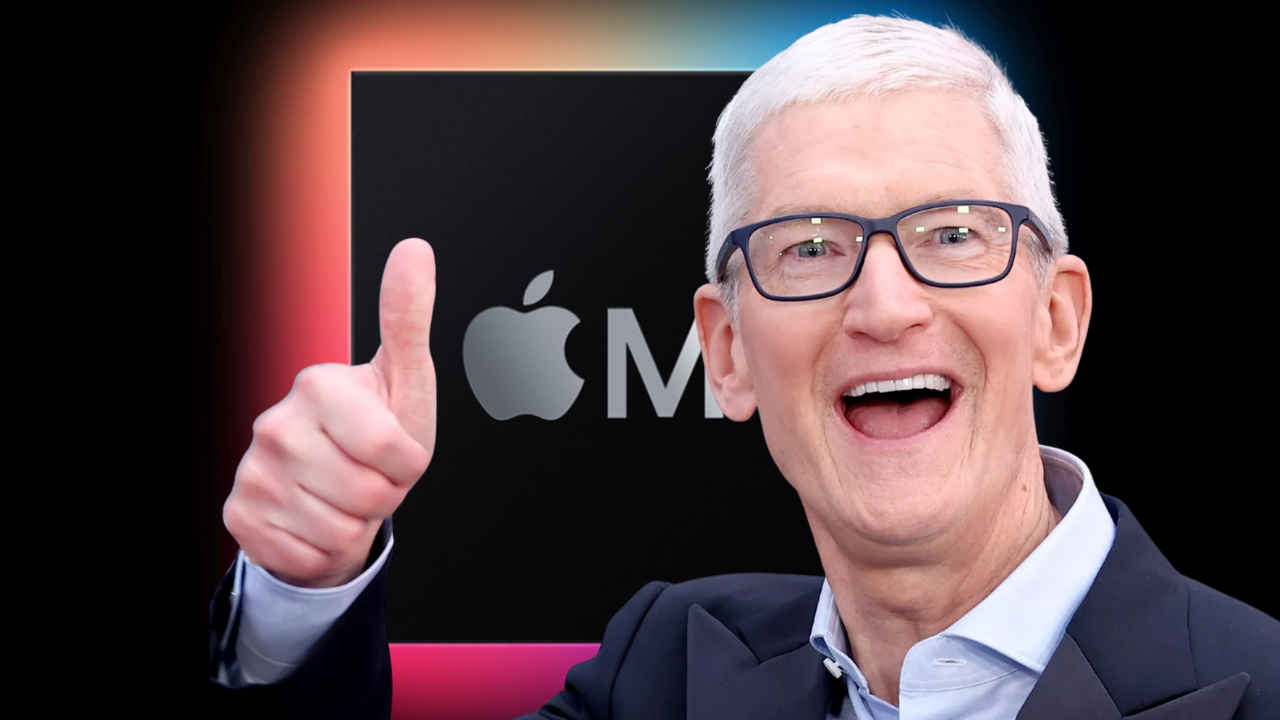

There was a version of Apple that still runs on Intel chips right here in my house. My mom still uses it. That version shipped decent MacBooks, and they did compete on specs. Tim Cook killed that version of Apple in 2020, and the PC industry has not been the same since.
 Survey
Also read: 10 defining moments of Tim Cook’s tenure: Milestones and missed bets
The reception to Apple’s announcing a move to their own silicon at WWDC in June 2020 was ranged from dismissive to confused. After all, Apple had changed their processor architecture twice before (Motorola chips to PowerPC chips in the 90s and then from PowerPC chips to Intel chips in 2005) so for them, it should almost be like “muscle memory.” But something was different about this announcement – this announcement was bold and could well have backfired spectacularly for Apple.
Fortunately, things turned out just fine.
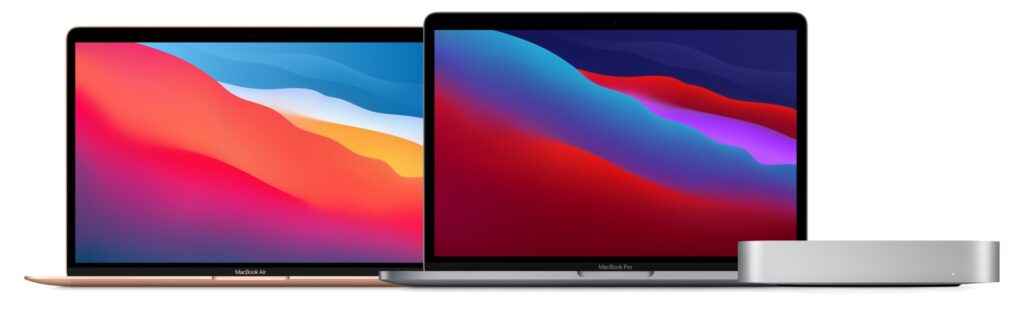
Launched during “One More Thing” in November 2020, the M1 came out as a part of the MacBook (both Air and Pro) and Mac Mini. And it left the rest of the laptop market in the dust. Benchmark numbers were through the roof, battery life that could outlast a transatlantic flight. It was several years ahead of anything Intel or AMD had put out. Most notably, the MacBook Air, which had been languishing in mediocrity, had suddenly become the hottest laptop on the planet.
Also read: Tim Cook steps down: Full text of his memo to Apple employees
But the real story was never just about Apple winning a benchmark, it was about what the decision meant. That vertical integration, the thing Apple had always done with the iPhone but never fully committed to on the Mac, was the future of personal computing. You design the chip, you design the software, you design the machine around both. You stop waiting for someone else’s roadmap.
Cook did not invent that philosophy, that is Steve Jobs’s fingerprint all over it, but he had the patience and the operational precision to see it through. The M1 project was years in the making, quietly incubated while the rest of the industry was still debating whether ARM chips could ever be serious workstation hardware. By the time Apple showed its hand, the game was already over.
The ripple effects landed fast. Qualcomm accelerated its push into PC silicon. Microsoft leaned harder into its ARM ambitions for Windows. Intel launched a frantic redesign of its efficiency architecture. The discussion around how chips should be optimised had changed in a matter of weeks. Apple had made more than just a better chip; they had transformed what a computer chip should be able to accomplish.
Apple Silicon wasn’t just better by the time the company got to M2, M3, M4, and M5 now – it was expected. Expected to perform better. Expected to run better. Expected to serve as a yardstick for everything else.
This expectation, too, can be attributed as much to Tim Cook as any other achievement in his tenure as CEO. From the iPhone 15 to the services business model to a valuation that crossed four trillion dollars. He ran Apple as a supply chain problem and in doing so, solved one of the most lingering problems of the entire PC industry.
Cook steps down as CEO at Apple this September, handing over the reins to John Ternus – who will take up the position of chief of Apple’s hardware organization. Apple’s revolutionary chip was always destined to become Ternus’s inheritance. Fitting, really.
Also read: ‘Legend’: Sam Altman and other leaders react as Tim Cook steps down as Apple CEO


