
Received an Intelligence Bureau letter threatening arrest? It may be a scam, how to stay safe
 Follow Us
Fraudsters are sending fake government letters claiming people are involved in crimes.
These fake notices create fear and may ask for personal details or money.
The government says it does not send arrest warnings or legal notices through email or social media.
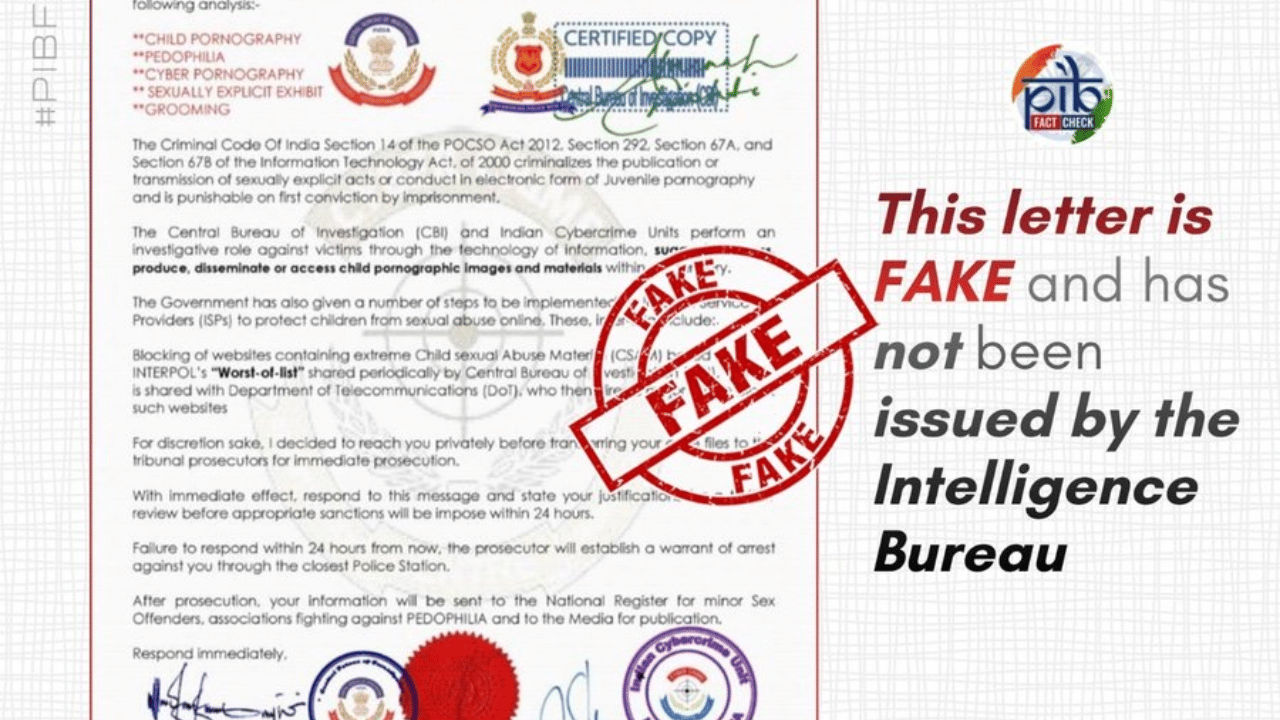

Scammers are getting smart these days as they have now started using AI. They create fake notices that look like the original and send them to the people to scam them. One such issue has recently come to light where the scammers are sending fake notices claiming to be from the Indian Cyber Crime Coordination Centre (I4C). The letter falsely accuses recipients of involvement in serious crimes and asks them to submit a response within a short period. The government has recently debunked the scam via its social media platform and reminded citizens that government agencies do not send arrest threats, legal notices, or investigation warnings through email, WhatsApp, or social media platforms. Follow along with the article to learn more about the scam and how you can stay safe.
 Survey
Cybercrime arrest scam
The Press Information Bureau (PIB), which is the government’s official fact-checking agency, has warned the citizens about a new scam. In this scam the fraudsters are sending fake letters that falsely accuse you of involvement in crimes such as money laundering, cyber offences, and other illegal activities. The letter also has wordings similar to those on an official letter that make it hard to catch if it’s real or fake. The fake letters usually create panic as the scammers, posing as the government, demand an immediate response and threaten legal action.
In a letter purportedly issued by the Indian Cyber Crime Coordination Center (I4C), several allegations are being leveled at the recipient & a reply is being sought#PIBFactCheck
— PIB Fact Check (@PIBFactCheck) June 28, 2026
✅ This letter is #Fake
✅ No such letter has been issued by any organization under Govt. of… pic.twitter.com/UIO8eHEfch
PIB Fact Check has recently confirmed over their official X handle that the letters circulating are fake and are part of a growing ‘cybercrime arrest’ scam. They further urged the citizens to be vigilant and avoid falling victim to such scams. Officials also clarified that government agencies do not send legal notices through email, WhatsApp, Instagram, or other social media and messaging platforms.
Also read: Apple iPhone 17 series may soon get price hike: Here is how much they can cost
How the scam works
The fraud sends you a fake letter accusing you of being involved in a serious crime and then asks you to respond quickly as they put a clock on your head. The whole idea is to exploit the fear and a sense of urgency to trick you into sharing personal information or transferring money.
They further use logos, stamps, signatures, and the names of government departments to make the letters appear genuine. Not only that but you will also be threatened with arrest, legal action, or account suspension if they fail to respond promptly. The fraudsters may also ask you to join video calls, share personal documents, disclose bank account details, or transfer money to avoid the fabricated charges.
Also read: EPFO 3.0: UPI-based PF withdrawals, ATM facility and launch timeline, all FAQs answered
How to stay safe

Protecting yourself from such scams is very simple. What you have to do is just remember the following guidelines:
- Remember that the government does not send such notifications through any social networking sites or emails.
- Governments don’t ask you for money, especially over a UPI transaction.
- Do not share any personal information over an email or a phone call even if someone says they are from a government agency.
- If you receive a suspicious message, then do not reply to it. Instead, report it to the cybercrime branch of the Indian government.


