
Elon Musk’s SpaceX acquires xAI with plans for AI data centres in space
 Follow Us
Elon Musk’s rocket company SpaceX has acquired his artificial intelligence startup xAI.
Musk said the deal will help create what he called “the most ambitious, vertically-integrated innovation engine on (and off) Earth."
Musk claims that space-based data centres would not only solve energy problems but also push human space travel forward.
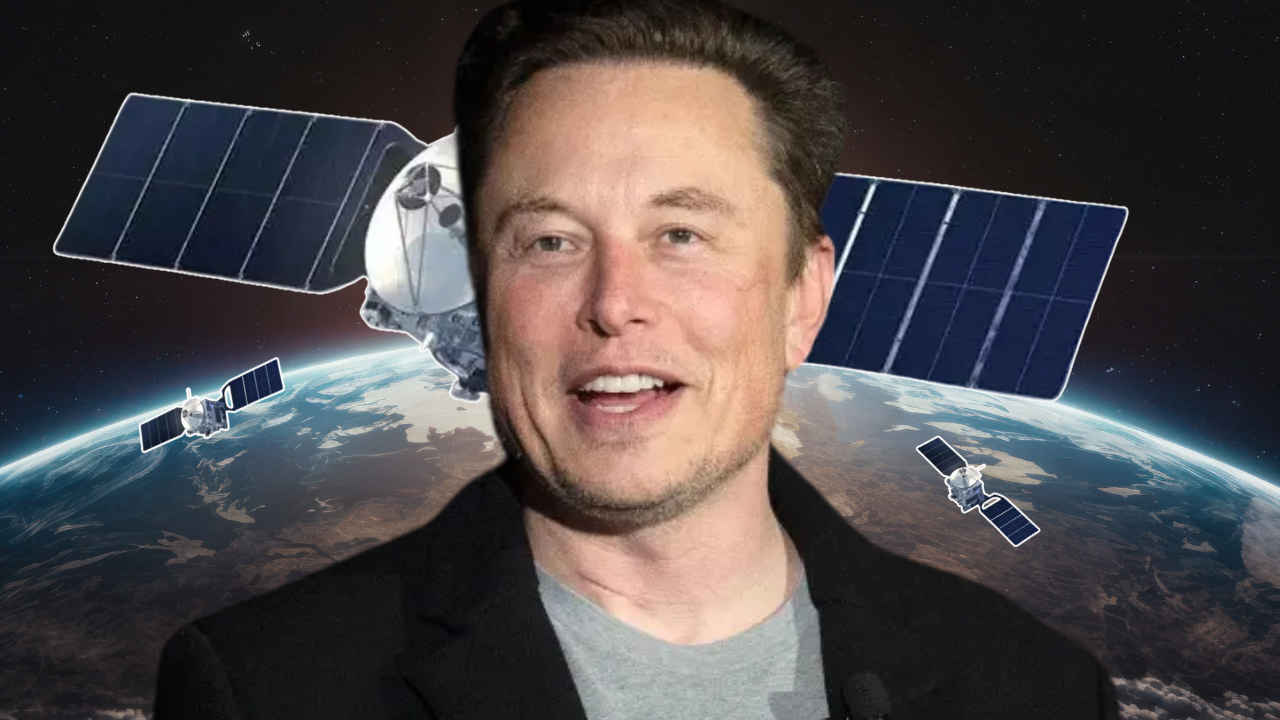

Elon Musk’s rocket company SpaceX has acquired his artificial intelligence startup xAI, according to an announcement. Musk said the deal will help create what he called “the most ambitious, vertically-integrated innovation engine on (and off) Earth, with AI, rockets, space-based internet, direct-to-mobile device communications and the world’s foremost real-time information and free speech platform.”
 Survey
The move links SpaceX directly to Musk’s broader vision of moving powerful AI systems beyond Earth. xAI is currently best known for its Grok chatbot, which has drawn criticism for generating harmful content. Even so, Musk believes the company will play a major role in a much larger plan: building AI data centres in space.
Also read: Apple may launch Samsung Galaxy Z Flip competitor anytime soon: Report
In the announcement, Musk argued that AI’s energy needs are growing too fast to be handled on Earth alone. He wrote that “global electricity demand for AI simply cannot be met with terrestrial solutions” and said that shifting data centres into orbit is “the only logical solution.” To support this idea, SpaceX recently filed an application with the US Federal Communications Commission (FCC) to launch an “orbital data centre” made up of up to one million new satellites, according to reports.
Musk claims that space-based data centres would not only solve energy problems but also push human space travel forward. He said, “The capabilities we unlock by making space-based data centres a reality will fund and enable self-growing bases on the Moon, an entire civilization on Mars and ultimately expansion to the Universe.” However, Musk has made similar bold promises before. In 2017, he predicted that SpaceX would send people to Mars by 2024.
This is not the first time Musk has combined his own companies. Last year, he merged xAI with X. Because of that deal, SpaceX now indirectly owns the social network. More recently, Musk announced that Tesla was investing $2 billion into xAI.


