
What is TDS in water purifier: Read this carefully before buying
 Follow Us
TDS means Total Dissolved Solids, measuring minerals and contaminants in water.
An ideal drinking water TDS range is 50 to 150 ppm.
RO purifiers are highly recommended for high TDS levels above 500 ppm.
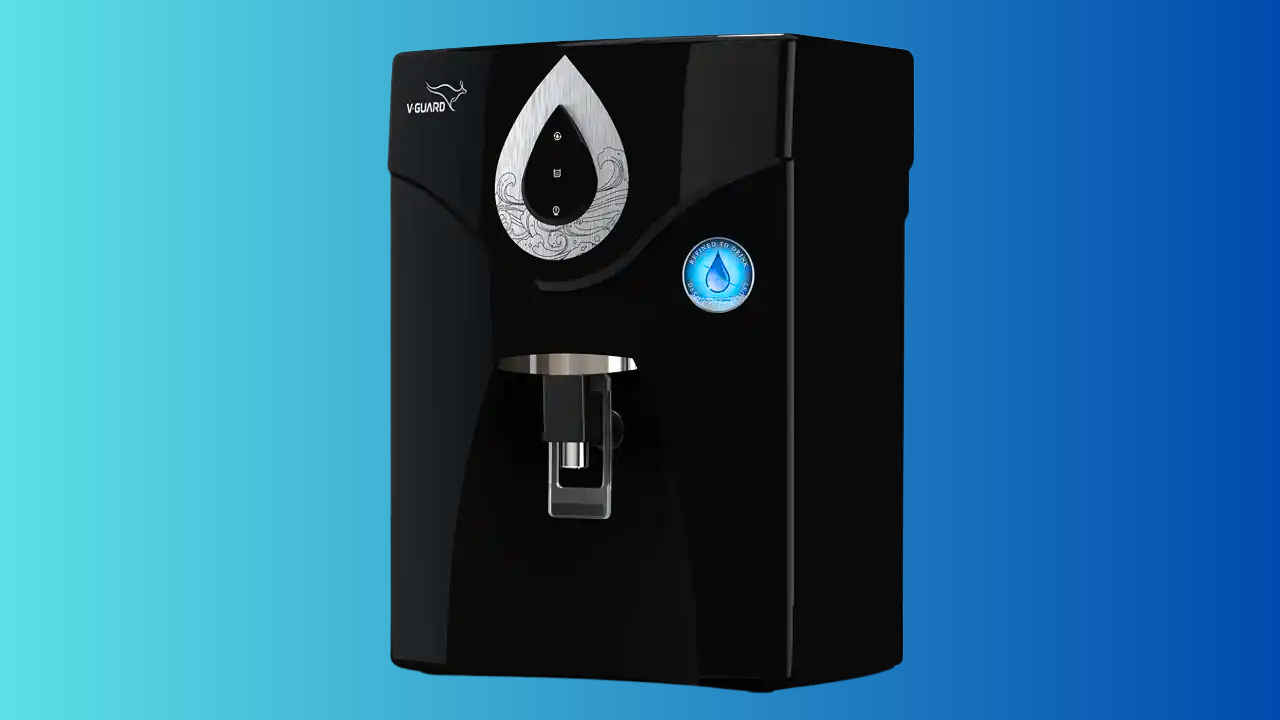

If you have ever shopped for a water purifier in India, you must have almost certainly come across the term ‘TDS’. It’s a term that shows up on every purifier product page, and if you’ve ever got your water purifier serviced, you might have seen those small handheld meters that technicians often walk around with, which are used to measure the TDS level.
 Survey
But have you ever wondered what TDS actually means? Well, it is one of the important and deciding factors when you pick a purifier. Here is everything you need to know about TDS and why it matters.
Also Read: Front-load vs top-load washing machine: Which one cleans clothes better?
What does TDS actually mean?
TDS stands for Total Dissolved Solids, and it refers to the total concentration of dissolved substances in water. It is calculated based on all minerals like calcium, magnesium, and potassium, as well as contaminants like heavy metals, nitrates, and salts. TDS in water is measured in parts that include ‘ppm’ and ‘mg/L’, and both units are effectively the same.
It’s important to understand that not all dissolved solids are bad. Many of them are naturally occurring minerals that your body actually needs. The problem arises when TDS levels climb too high or when the dissolved content includes harmful substances like arsenic, lead, or fluoride. That’s why TDS becomes an important metric when purchasing a water purifier.
Acceptable TDS range
As per the Bureau of Indian Standards and the World Health Organization, water with a TDS level below 500 ppm is considered acceptable for drinking. However, water in the range of 50–150 ppm is considered ideal. In major parts of India, we see TDS levels well above 500 ppm, so getting an RO installed is highly recommended.
Check out a simple breakdown of the TDS number below:
- Below 50 ppm: Too low; stripped of essential minerals, can taste flat
- 50 to 150 ppm: Ideal for drinking
- 150 to 500 ppm: Acceptable, slightly hard but generally safe
- 500 to 900 ppm: Borderline, but purification recommended
- Above 900 ppm: Very high TDS and RO purifier is strongly advised
When do you actually need an RO water purifier?
In case you’re wondering when you actually need an RO, first off, you need to understand what they’re made for. RO purifiers are made for reducing TDS, as they push water through a semi-permeable membrane that blocks dissolved solids and most contaminants. If you are on a water purifier for high TDS areas, typically above 500 ppm, an RO system is the ideal choice.
But in case your source water already has low TDS, let’s say, somewhere below 200 ppm, then running it through an RO purifier would remove all the essential minerals as well. For low to moderate TDS water, rather than an RO, a better option would be to pick up an UV purifier, as they would be enough to kill bacteria and viruses without affecting the minerals.
How to test your water’s TDS at home
Now that you’ve understood what TDS is and how it works, you must also be wondering how to get the TDS in your area tested. Well, rather than getting it tested externally, you can instead just get a basic TDS meter, which is available online for under Rs 500.
The process is pretty simple, as you’re required to just dip the machine into a glass of your tap water and wait a few seconds, and the TDS level will be available on the machine’s display. For an even more comprehensive test of your water quality, you can send a sample to a certified water testing lab, which typically costs between Rs 500 and 2,000.
Wrapping up
In the end, it’s safe to say that TDS is a useful indicator if you’re looking to get a water purifier for your home. For those who live in an area with high TDS, getting an RO purifier is a must, while those living in an area with low TDS may not even require it. So before you buy a water purifier and confuse yourself with all the different types and options available in the market, it’s best to test your water first, then buy your purifier based on that.
With that said, I hope this guide helped you understand TDS and why it’s an important metric if you want to buy a water purifier in 2026. For more such informative guides, keep on reading Digit.in
Also Read: What is an ISEER rating: Why it matters when buying an AC?


