
Zuckerberg wants AI CEO to run Meta: What could go wrong?
 Follow Us
Zuckerberg’s AI “second brain” could redefine executive decision-making
AI-assisted leadership risks narrowing reality and accountability at scale
Meta’s bold AI bet could become blueprint or cautionary tale
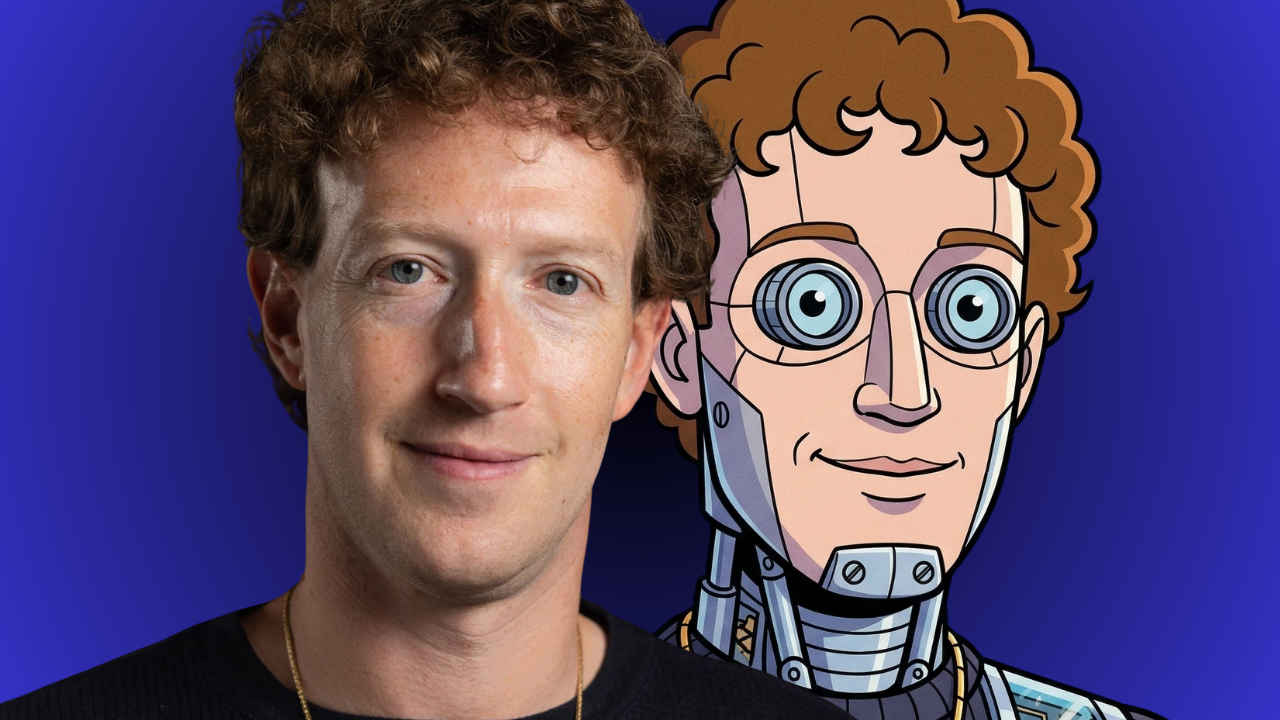

Mark Zuckerberg, the man who once tried to will an entire metaverse into existence (unsuccessfully), is now reportedly building something far more intimate, and arguably far more dangerous. An AI version of himself. Not Mark Zuckerberg the person, but Zuckerberg as the CEO of Meta.
 Survey
Not a clone, not a successor. But a “second brain.” There’s a certain poetic inevitability to this moment, if you think about it, given everything that Zuckerberg and Meta have been trying to do since Facebook.
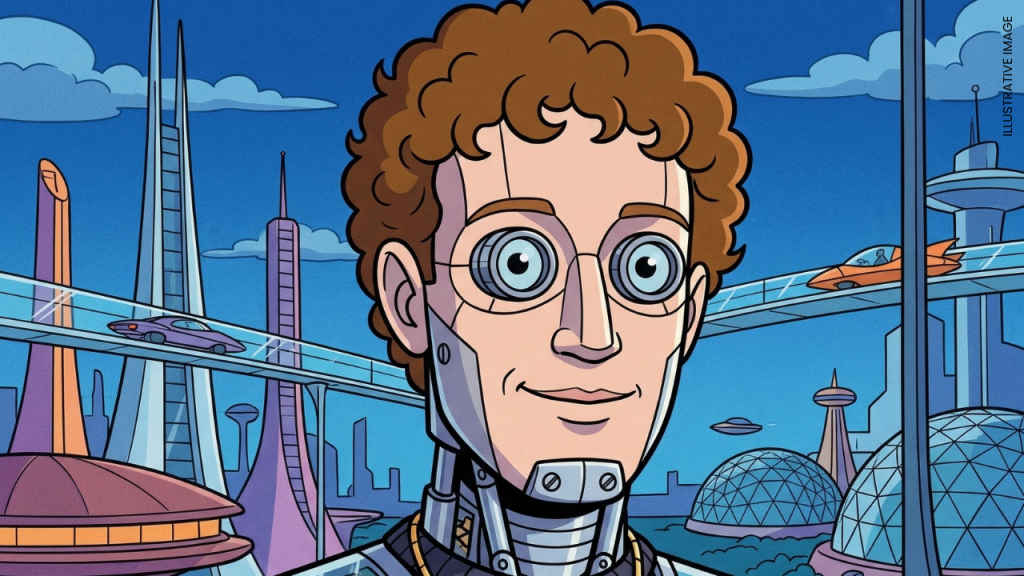
Reports suggest this internal AI agent is designed to help Zuckerberg cut through Meta’s sprawling layers. It will help surface context, decisions taken by different teams, and stitching together signals from across products faster. In effect, it’s a CEO’s chief-of-staff and analyst. Only it’s not a human, but an AI agent.
And in 2026, this isn’t an isolated experiment anymore. It’s the logical endpoint of Meta’s AI obsession. Zuckerberg himself has said AI will “dramatically change” how the company works, enabling smaller teams to do the work of entire org charts.
Which is precisely why this CEO AI agent idea is both brilliant and terrifying at the same time.
On paper, the upside is intoxicating. Running a company like Meta Platforms is less about intelligence and more about bandwidth. Decision making is a laborious task, based on overwhelming data, endless meetings, and layers of human filters. In theory, a CEO AI agent could flatten that complexity, giving Zuckerberg everything he needs for making faster decisions with fewer bottlenecks.
If it works, this becomes the blueprint. Not just for Meta, but for every enterprise leader drowning in dashboards and delayed insights. The age of “augmented executives” begins here.
But – and it’s a very Meta-sized but – this is also where things can go spectacularly wrong. Because the moment you let an AI curate your reality, you’re no longer just making decisions. You’re making decisions about what decisions you’re allowed to see.
Because, if this CEO AI agent prioritises certain data, frames certain trade-offs or recommendations, it moves from merely assisting powerful decision making to actually taking those decisions indirectly. After all, who can guarantee the CEO’s worldview doesn’t become just a reflection of the model’s architecture over time?
And Meta’s track record doesn’t exactly inspire blind faith.
This is, after all, a company that poured tens of billions into the metaverse before quietly pivoting away, even as Reality Labs losses crossed staggering levels. More recently, its aggressive AI push has come with layoffs, internal anxiety, and governance controversies. Now imagine layering an AI decision engine on top of that.
Who is accountable when an AI-influenced decision backfires? The CEO? The model? The data it was trained on? This is the paradox of AI at the top: the more powerful the tool, the harder it becomes to trace responsibility.
And yet, dismissing this outright would be a mistake. Because the trajectory is clear. AI isn’t just replacing tasks, it’s slowly moving in the direction of influencing executive decision making. Zuckerberg’s CEO agent sits right at that inflection point.
Handled right, it becomes the gold standard for human-AI collaboration at the highest level – provided it’s transparent and auditable. Handled wrong, it becomes something else entirely: a feedback loop of machine-curated reality guiding one of the most powerful executives on the planet. And what does history tell us about Meta getting things right on the first try?
Also read: Mark Zuckerberg’s Metaverse failure: A digital future that no one wanted


