
What happens to our brain in deep sleep? AI finally has an answer
 Follow Us

Every night while you sleep, your brain gets to work – no memory storage, no dreams, just housekeeping. Your brain operates the glymphatic system: a fluid pathway network that cleans the brain of its waste products, including proteins associated with Alzheimer’s disease. Scientists have known about the existence of the glymphatic system for over a decade now. What they were lacking until now was a full understanding of the mechanism behind it. Thanks to artificial intelligence, they’re starting to get an answer.
 Survey
Also read: Don’t want AI in your search? Try these 5 traditional search engines
In a study recently published in Science Advances by the University of Rochester, physicists have employed machine learning to create the first detailed map of the glymphatic system. With the help of MRI scans showing the distribution of contrast dyes over time, scientists trained the machine to figure out the flow rate of the fluids and permeability of the brain tissue. This is the sort of thing that used to be impossible to measure on a live organism.
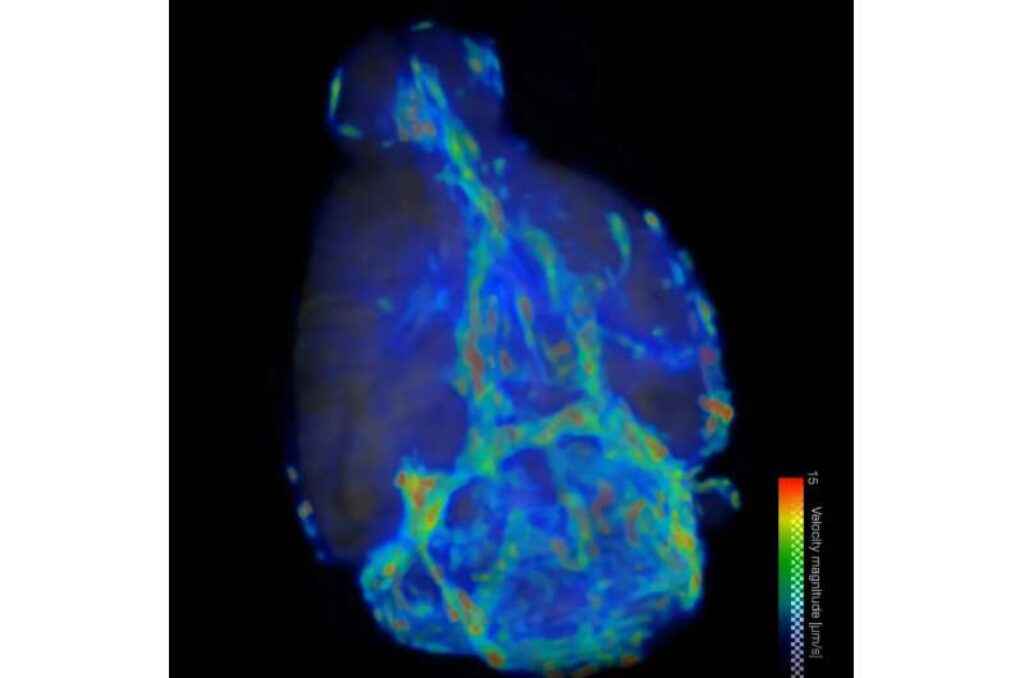
What is remarkable about this discovery is the way in which the glymphatic system uses a dual drainage strategy that allows protective fluid to drain from the brain at 50 times the rate on its surface compared to the rate of drainage from the deeper brain structures. In more concrete terms, fast drainage would occur at approximately 3 micrometers per second around the brain’s open spaces, for example, between the skull and the brain, whereas slow drainage occurs in deeper parts of the brain like the hippocampus, caudate, and thalamus, at 0.1 micrometer per second.
It is crucially important because the hippocampus and thalamus happen to be one of the first areas to be affected by Alzheimer’s disease, and it might be due to the slower drainage of waste products in these areas.
The amazing thing about this research finding is that the glymphatic system drains out the fluid in the brain in two different ways, where the draining rate of protective fluid through the surface is 50 times higher than the drainage rate of fluid from the deep brain tissues. More specifically, the fast drainage takes place at a rate of 3 micrometer/second from the surface regions like the space surrounding the brain, for example, the space between the skull and brain tissue, while slow drainage happens in other brain deep tissues like the hippocampus, caudate, and thalamus at a rate of 0.1 micrometer/second.
Also read: DuckDuckGo is the biggest winner of Google I/O 2026: Here’s why
This is extremely important because both the hippocampus and thalamus are the first parts to get affected by Alzheimer’s disease, and that could be attributed to the low rate of drainage of waste products in these regions.
The implications stretch well beyond curiosity. If doctors can one day measure a person’s glymphatic efficiency from a routine brain scan, it could become an early warning signal for neurodegenerative disease, flagging risk years before symptoms emerge. Better still, it may point toward something actionable: evidence that the quality of your deep sleep, not just its duration, directly shapes how thoroughly your brain clears itself each night.
For now, the research offers a rare and precise window into one of the body’s most vital nightly rituals, and a reminder that what happens when we close our eyes may be just as important as everything we do when we’re awake.
Also read: X is cracking down on accounts who share others’ content: What’s happening


