

VitalID explained: No password, it uses your skull’s vibration for login
 Follow Us
New biometric system authenticates users via unique skull vibrations
VitalID replaces passwords using heartbeat and breathing patterns
Rutgers researchers turn VR headset sensors into skull authentication
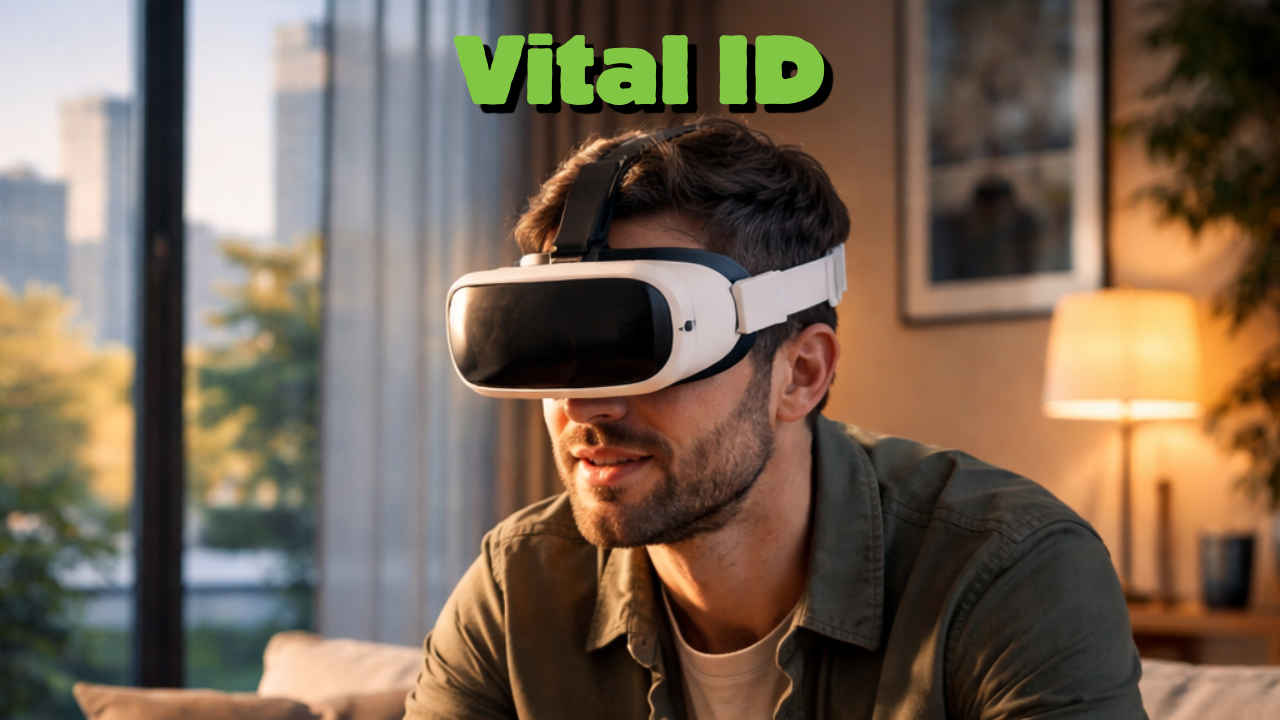

VitalID is a new biometric authentication system developed by researchers at Rutgers University. Instead of passwords, PINs, or eye scans, it identifies you by the unique way your skull vibrates simply as a result of being alive.
 Survey
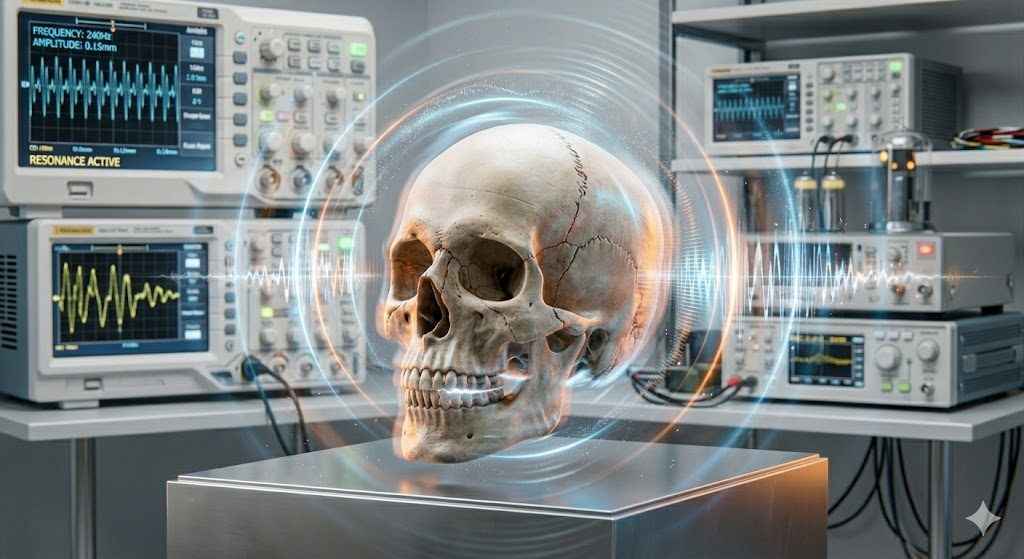
Your body is never truly still. Every breath you take and every heartbeat sends tiny vibrations travelling upward through your neck and into your head. When these vibrations reach your skull, they cause it to oscillate ever so slightly. Because every person’s skull has a different shape, thickness, and bone density, and because the soft tissues of the face like muscle and fat also influence how waves travel, these vibrations form a pattern that is unique to you. VitalID reads that pattern as your identity.
Also read: What is World ID: Iris-scanned based human verification protocol, how does it work
How it actually works
VitalID doesn’t require any new hardware. Modern VR and AR headsets already contain motion sensors designed to track head movement for the virtual environment. VitalID repurposes those same sensors to pick up the far subtler skull vibrations caused by your heartbeat and breathing. The software filters out noise from everyday head movements like nodding, turning, walking and isolates only the biological signal underneath. It then matches that signal against a stored profile to confirm who you are, continuously and silently in the background.
Also read: Top 5 Apple innovations that changed tech forever
Most biometrics can be spoofed with effort. A face can be photographed, a fingerprint lifted, an iris scanned from a distance. Skull vibrations are trickier. While someone could theoretically mimic your breathing rhythm, they cannot replicate the precise biomechanical properties of your skull. The signal comes from deep inside the body, not the surface.
How well does it work?
In a study conducted over ten months with 52 participants, VitalID correctly identified the right user more than 95% of the time and rejected impostors more than 98% of the time. It also earned a Distinguished Paper Award at the ACM Conference on Computer and Communications Security in November 2025. As VR and AR headsets become gateways to banking, medical records, and workplace systems, secure and frictionless login becomes critical. VitalID offers authentication that requires nothing from the user. You simply put the headset on, and it knows it’s you.
Also read: Why are RAM prices falling, and is it the best time to upgrade?


