
This guy saved his dog from cancer by creating a mRNA vaccine using ChatGPT
 Follow Us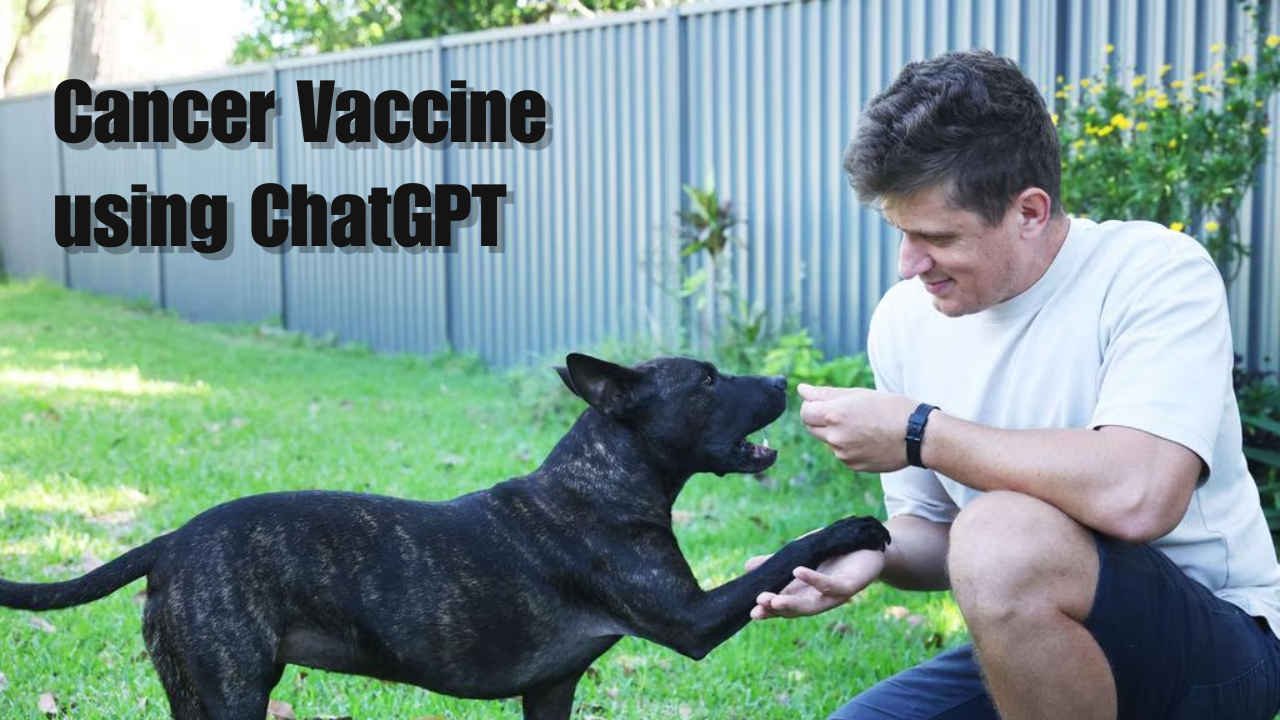

When veterinary chemotherapy failed to stop Rosie – his rescue dog – from succumbing to aggressive mast cell cancer, Paul Conyngham didn’t just grieve quietly. He instead opened ChatGPT and used it much better than you and I do.
 Survey
Also read: Will humanoid robots fight future wars? A startup has already sent them to Ukraine
What followed, as reported by The Australian, is one of the most remarkable intersections of artificial intelligence, citizen science, and sheer human stubbornness and it may have just quietly changed the future of cancer medicine. Paul is not a biologist. He’s a Sydney-based data engineer, co-founder of Core Intelligence Technologies, and a former director of the Data Science and AI Association of Australia. When conventional treatment slowed but couldn’t stop the tennis-ball-sized tumour growing on his staffy-shar pei cross, he approached the problem the only way he knew how, as a data problem.
ChatGPT suggested immunotherapy and pointed him toward the UNSW Ramaciotti Centre for Genomics. He called Associate Professor Martin Smith, who was skeptical but intrigued. Paul paid $3,000 for genomic sequencing – mapping DNA from Rosie’s healthy cells against her tumour cells to identify exactly where mutations had occurred. He described it to The Australian plainly: “It’s like having the original engine of your car and then a version 300,000 kilometres down the road – you can see where there’s damage.”
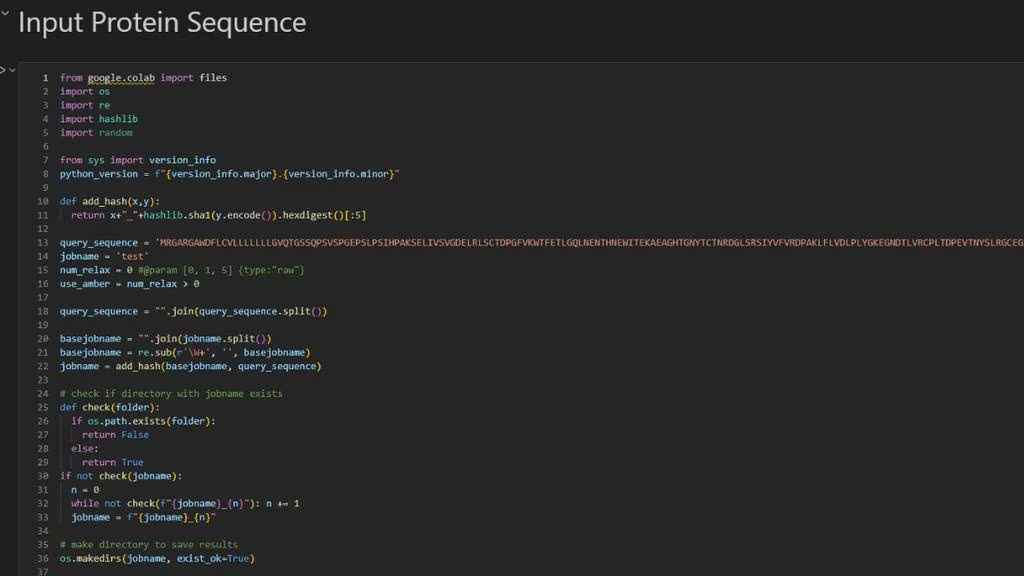
Then he decoded it himself. Using ChatGPT to navigate biological pipelines he’d never encountered, he ran the data through algorithms, used Google DeepMind’s AlphaFold to map mutated proteins, identified drug targets, and built 3D models of Rosie’s cancer. Smith watched with growing disbelief. “Paul was relentless,” he said. “I was like, ‘Woah, that’s crazy!'”
When a pharmaceutical company refused to supply the immunotherapy drug Paul’s team had identified, fate intervened. Smith mentioned mRNA vaccines in passing. Paul circled back the next day with a barrage of questions – and a new plan.
Professor Pall Thordarson, director of the UNSW RNA Institute, took Paul’s months of analysis – condensed to half a page of formulas – and built something unprecedented: a bespoke mRNA cancer vaccine, personalised to Rosie’s specific tumour mutations. The first of its kind ever designed for a dog. “He ran an algorithm to inform the design and sent it to us, and we made a little nanoparticle,” Thordarson said. “It’s democratising the whole process.”
After three months of navigating ethics approvals – Paul spent two hours every night writing a 100-page application – a University of Queensland veterinary professor with existing ethics clearance agreed to administer the treatment. Paul drove ten hours to Gatton with Rosie in December for her first injection.
One week later, the tumour began to shrink. It has since halved in size. Rosie’s treating vet called it magical. Six weeks post-treatment, Rosie spotted a rabbit at the dog park and jumped the fence after it. Paul is already designing a second vaccine for a remaining tumour, and UNSW researchers are now asking the obvious question – if this works in a dog, why aren’t we doing this for humans? “There’s a chance,” Paul says, “that we can change some cancers from a terminal sentence to a manageable disease.” One rescue dog and a chatbot might just have lit the way.
Also read: Right to Think: Indian cyber lawyer wants new fundamental right in age of AI


