
Will humanoid robots fight future wars? A startup has already sent them to Ukraine
 Follow Us
Robotics firm Foundation sent two Phantom Mk-I humanoid robots to Ukraine earlier this year for frontline reconnaissance.
Co-founder Mike LeBlanc said future versions of the robot may be able to operate weapons used by human soldiers.
Ukraine has already conducted over 7,000 robotic missions in the Russia–Ukraine War, mostly for logistics and support roles.
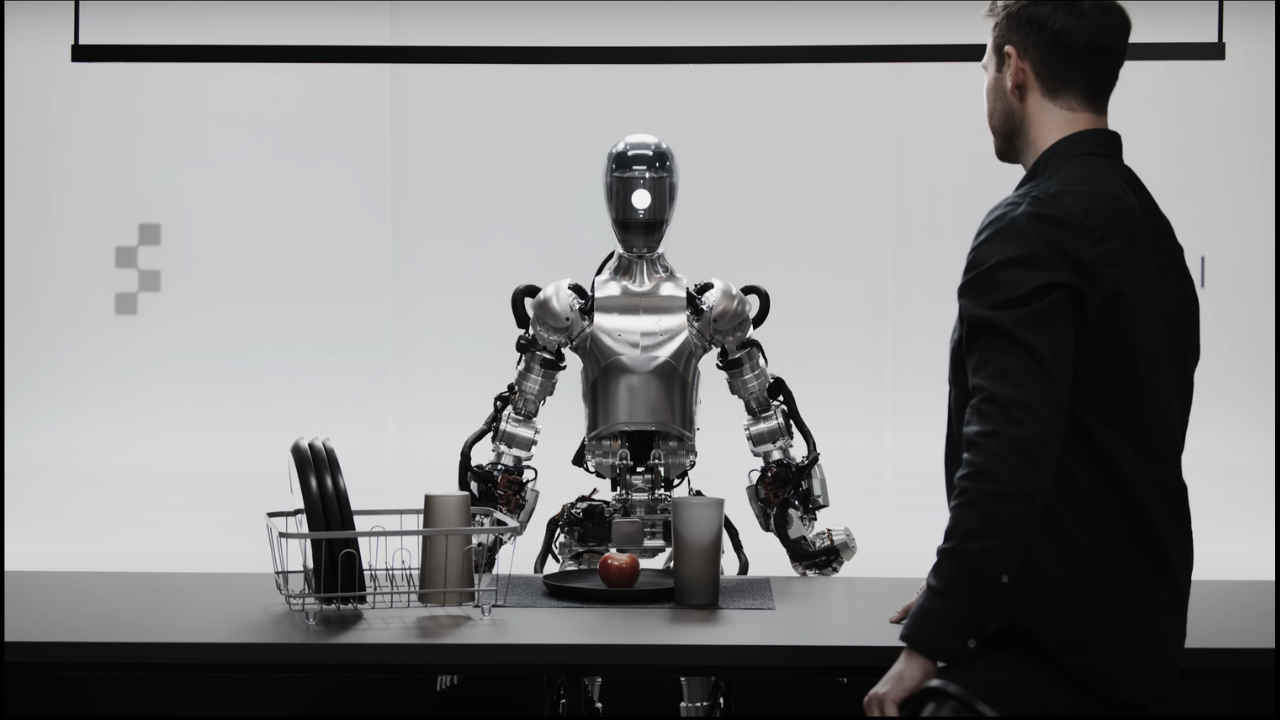

We have already seen humanoid robots show their abilities at technology shows, being tested for tasks like factory work and household chores. However, the report now suggests that these robots could enter more controversial spaces, such as the battlefield. This comes after a report claimed that a startup had sent humanoid machines to Ukraine for reconnaissance purposes. If true, this can entirely change the way wars are fought.
 Survey
In an interview with Time, Mike LeBlanc, a combat veteran and co-founder of robotics company Foundation, confirmed that the company sent two Phantom Mk-I humanoid robots to Ukraine earlier this year. The units were dispatched in February to help with frontline reconnaissance during the ongoing Russia-Ukraine conflict.
For the unversed, the Phantom Mk-I platform is currently under testing in the industrial environment in different countries. If confirmed, it would represent the first instance of a humanoid robot being used directly in a conflict zone.
According to the report, LeBlanc stated that the company believes robots will eventually reduce the risk to human soldiers. He also stated that future versions of the Phantom system may be capable of handling the same weapons that human fighters currently use.
Other reports confirmed that the Mk-I prototype can already hold and operate a variety of firearms, including pistols and shotguns, as part of internal testing. The company has also reportedly tested mock military equipment to investigate potential battlefield roles.
Since entering the war, Ukraine has increased the integration of robotic systems into its military operations. According to data from United 24, the country’s state-backed platform that supports defence initiatives, more than 7,000 robotic missions were completed in January alone. Many of these operations require logistics tasks, such as delivering ammunition, weapons, or food supplies to soldiers in combat areas.
However, humanoid robots are not yet widely used in combat, and it will take some time for countries to develop such infrastructure before using them in frontline wars and defence.


