
Tata-ASML deal: Why it matters for India’s semiconductor ambitions
 Follow Us
ASML lithography support boosts Tata’s Dholera fab ambitions
Partnership focuses on tools, talent and supply-chain resilience
India’s first commercial 300mm fab gains strategic credibility

India’s semiconductor ecosystem just got an interesting boost in the form of ASML’s partnership with Tata Electronics. It doesn’t seem like another MoU with a famous logo, aiming to plug a key missing piece of the jigsaw that is India’s effort towards a serious commercial front-end fab effort.
 Survey
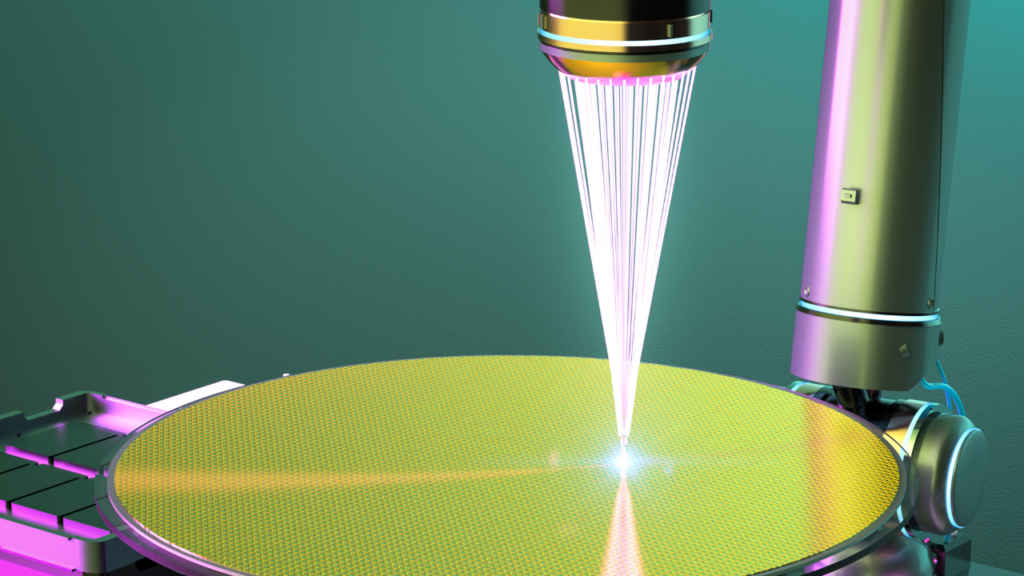
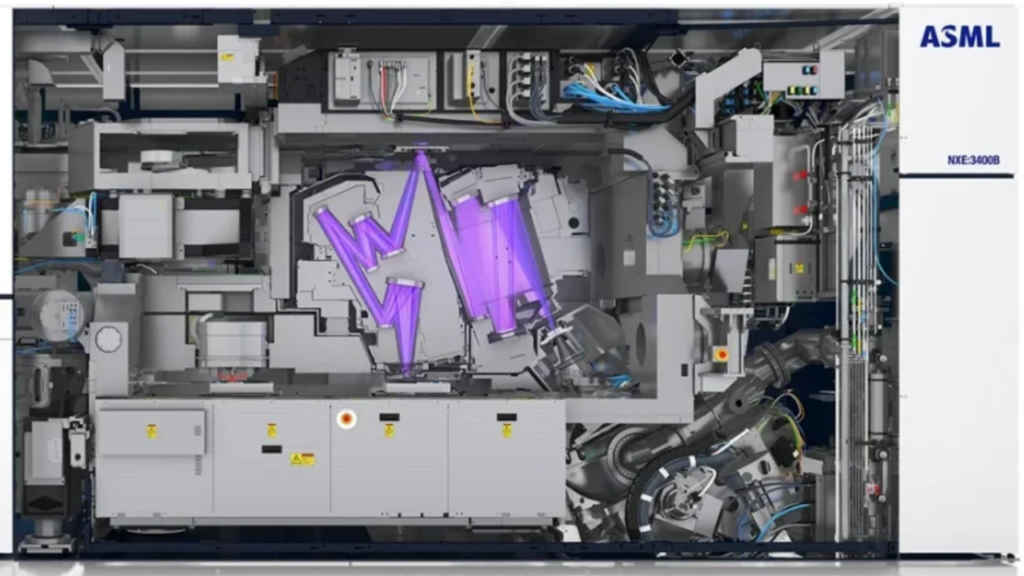
Lithography, that process which magically prints and deposits circuit designs onto silicon wafers, is one of the most unforgiving parts of the modern semiconductor manufacturing process. ASML is the world’s leading authority in this domain, and their partnership with Tata Electronics’ Dholera fab gives it much-needed credibility.
According to Tata Electronics, ASML’s announced partnership will help them “establish and ramp up” their upcoming 300mm, 12-inch silicon wafer manufacturing fab in Dholera, Gujarat. ASML’s lithography tools and solutions will be fundamental in running the fab reliably, with practical yields for both domestic as well as global customers.
Undoubtedly, this ASML partnership gives Tata and India’s semiconductor story a more credible ecosystem shape. In 2024, Tata already announced Taiwan’s PSMC as its tech and execution support partner. Now ASML strengthens the fab’s equipment and lithography requirements. This isn’t the beginning of Tata or India’s fab story, it’s fundamentally strengthening it like never before.
In all of this, it’s important to remember that Tata’s upcoming fab isn’t meant to produce the latest and greatest 2nm/3nm silicon wafers. According to Tata’s own release, the fab is geared to produce analog and logic ICs ranging from 28nm to 110nm process technologies, with up to 50,000 wafers per month. This should be easily manageable for ASML’s machines, making chips that go into auto and power sectors, everything from microcontrollers, IoT and wireless connectivity chips for Indian scale.
Also read: Micron’s chip assembly plant: 3 Key features, why it matters
Don’t forget that there’s a strong talent development angle in this Tata Electronics and ASML partnership. According to their joint statements on this venture, this partnership is expected to “drive initiatives to strengthen the domestic talent pipeline and ensure a readily available pool of experts” for India’s semiconductor ecosystem. That’s crucial for the longevity of any serious dent India wants to make in the global chip manufacturing supply chain, according to several industry insiders I have spoken to in the past few months for Digit’s March 2026 cover story “Chip It Up”.
From seasoned industry professionals to leading academicians, everyone agrees creating hundreds and thousands of engineers and process specialists is going to be essential for India’s chip aspirations. There’s no official number on what the Tata Electronics-ASML partnership aim to achieve in this direction, but you can be rest assured their combined gravity will attract talent needed to get this operation off the ground and in full swing.
One can’t ignore the geopolitical angle in this partnership, which was signed in the presence of Indian PM Narendra Modi and Dutch PM Rob Jetten. According to Reuters, Dutch semiconductor companies are actively looking for expansion opportunities to new markets – something beyond the tension of US-China export control regimes. ASML is the latest partner in Tata Electronics’ race to India’s first modern chip making fab, and that will only strengthen the local chip manufacturing ecosystem in India.
Also read: IIT Madras’ semiconductor chip research gets boost from Applied Materials: What it means


