
Robot surpasses human? Neo’s robotic hand dexterity feels scary good right now
 Follow Us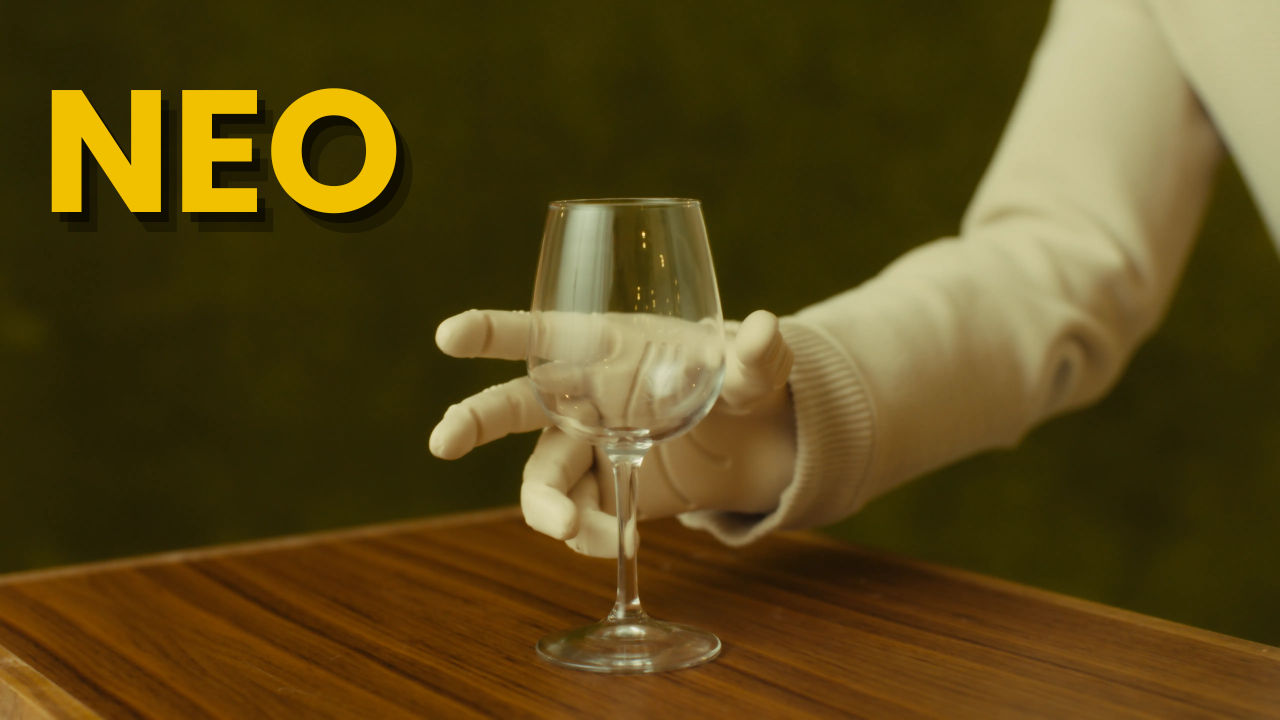

I have witnessed many humanoid robots in action through the years and, despite the advancements being made in this field, their movement is mostly reminiscent of hands covered in oven mitts. However, when I came across the press release of the 1X company regarding their robot Neo, I had to give it a pause. According to the specifications, the hand will feature 25 degrees of freedom actuated with tendon-driven movement that the makers claim will allow for near-human level dexterity, strength and reliability. This number is far from unprecedented in robotic industry marketing. The innovation in 1X’s case, however, is the way they achieved this result. While typically robots use the strategy of overpowered, high-ratio gearing, which results in their hands being very strong but numb, in this case, the hand operates with much lower gear ratio (between 5-to-1 and 15-to-1) by moving its fingers via tendons, thus turning each joint into both a motor and a sensor. Pressing the finger – it moves. The finger is backdrivable and measures exactly how hard you pressed it. This is what 1X calls “force transparency”.
 Survey
Also read: India uses Claude for entrepreneurship work more than rest of the world
Compared to the majority of humanoid hands available today, which operate on a 100:1 or 200:1 ratio, that’s something entirely different, because at those ratios, friction consumes the contact force before it reaches the motors, and the hand operates blindly from the fingertips, with cameras being attached externally as a way to compensate. The dexterity claim was the part that really caught my attention.
According to 1X, Neo hands are capable of assembling LEGO constructions, picking up screws and coins, screwing off a light bulb, using a screwdriver, sorting grapes by colour, and pouring tea without spilling a drop. This is not just another warehouse-grade pick and place task. It is something that robots have been struggling with for many years.
Also read: Adidas Trionda: Meet the smart football used at the FIFA World Cup
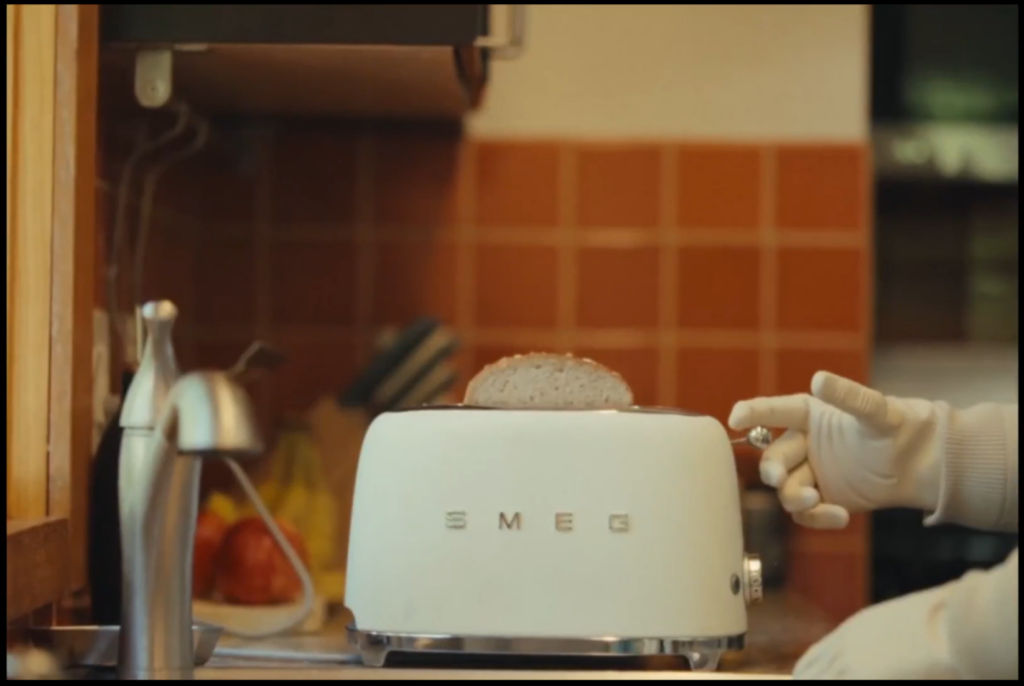
There is one feature of Neo’s hands that almost looks domestic in nature: they are sealed up to IP68 standard, so Neo can simply dunk its hands into water without any issues, making it possible for it to wash them after cooking food or getting all covered in peanut butter. This may seem insignificant, but this is the difference between a robot helping in the kitchen and one that creates a mess for others to manage.
But I’m not ready to call this “surpassing” of human hands just yet, and 1X has not sent these yet to me. But the narrative which 1X is trying to create, namely, that hands and not legs or body is what makes a humanoid robot actually useful for things such as folding clothes, sweeping and cooking, is tough to dispute after seeing the video. There is also a genuine recognition here of the fact that the hardware has already exceeded what the AI of Neo can actually handle.
Robot hands have quietly become the true battleground of humanoid robotics, even before the legs, even before the face, even before the language model layer stack. And if the fingers on Neo perform anything like as well away from a demonstration room as in 1X’s videos, the “uncanny valley” debate is going to move from the face to the fingertips.
Also read: Grok 4.5 and Cursor were trained together: It could change who codes with what


