
Meta Business Agent: Is your data private, who does it work for?
 Follow Us

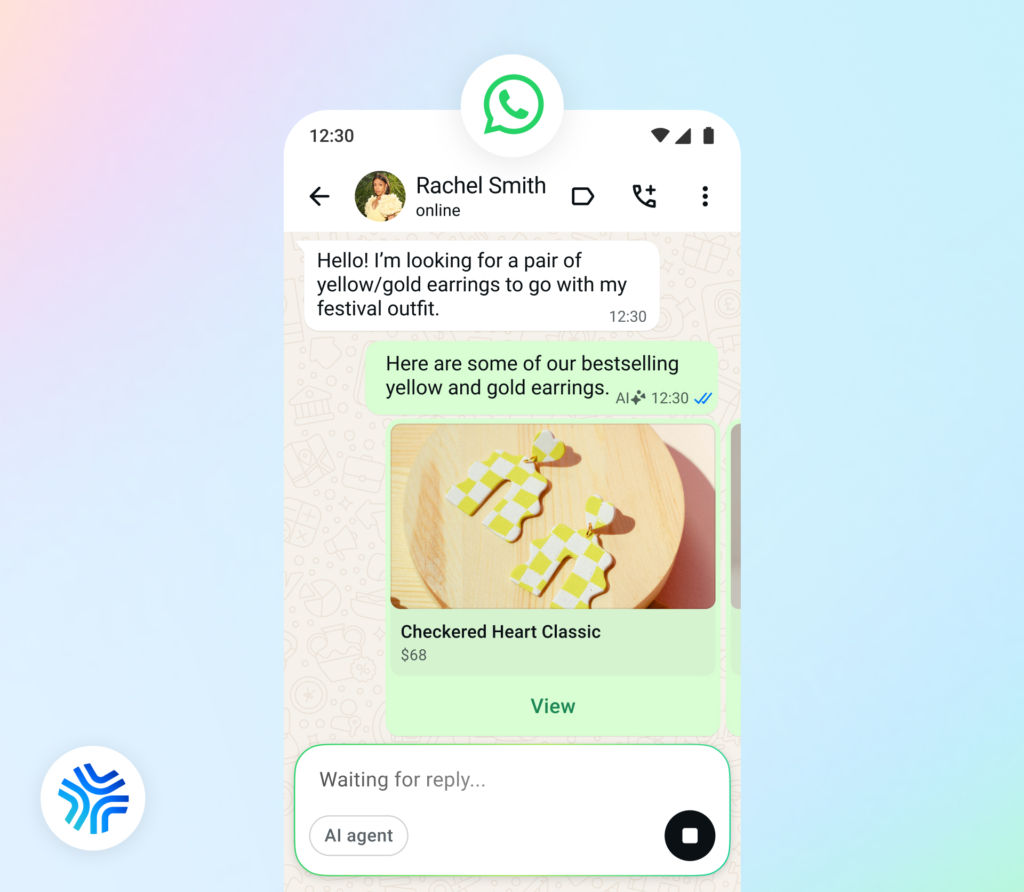
Meta is out to make its AI the backbone of any business, and for that, they launched the Meta Business Agent. This tool is designed to manage customer questions, schedule appointments, qualify leads, close sales, and even give a daily roundup of overnight chats. It’s all set to work across WhatsApp, Messenger, and Instagram, takes just minutes to set up, and best of all, it’s free at first. For many small businesses overwhelmed with customer messages, this looks like a godsend.
 Survey
Also read: At Build 2026, Mustafa Suleyman finally revealed Microsoft’s AI moves
However, one big thing Meta glosses over in its announcement is where your data ends up. Customers are already using Meta platforms. With this move, your business info is part of the deal too. Customer messages have always resided on Meta’s servers when sent via WhatsApp. But the Meta Business Agent goes further – it hooks into other systems like Shopify and Zendesk. So now, not only chat histories but purchase details and CRM records are zipping through Meta’s networks. The “morning briefing” feature clearly shows that Meta’s AI does more than shuffle messages around; it actively reads and analyzes them, pulling together useful insights from the flood of info.
Meta says they’ll have “enterprise-grade controls and guardrails,” yet they fail to explain what those guardrails mean. Like, do they protect against anything? Do they stop business conversation data from being used to train their models? What about data retention policies? Plus, does this affect Meta’s data practices at all?
Also read: Sony State of Play: From God of War spin-off to a new look at Wolverine, all key announcements here
To be honest, their track record makes people skeptical. I mean, Meta’s history with handling user data is rough, to say the least. They’ve been slapped with lawsuits more than once. Take the Cambridge Analytica scandal and their constant spats with European authorities over data sharing issues. It seems like they tend to roll out data usage stuff first, then they figure out the explanations later on.
But it’s not only about protecting business data; personal data is in trouble too. Recently, hackers got into the game, exploiting Meta’s AI support chatbot. All the hackers needed was to pretend they owned certain Instagram accounts and ask the chatbot to link those accounts to emails the hackers controlled. Crazy part? No verification was needed. Although Meta stated the issue was resolved, account hacks kept happening even after their fix. Even ordinary Instagram users – not businesses, not enterprise customers – found themselves locked out of their accounts because Meta had wired its AI too deep into account controls without adequate safeguards. That’s the platform Meta is now asking businesses to run their customer relationships on.
The real question for businesses
Meta Business Agent is really useful. It integrates deeply and its distribution is unmatched. Plus, a billion people already use Meta’s platforms daily to message businesses. The free entry point makes it easier too.
For small businesses without a CRM strategy, it could be worth it. However, for those who’ve spent years building customer relationships and data pipelines they control, it’s different. Deploying this agent means giving Meta access to your customer conversations. They’re not just an app; it’s like having them as a silent partner. And since they’ve shown they push boundaries with what they do with user info, there’s a lot to think about before connecting.
Also read: What is Microsoft’s Project Solara: The platform that wants to end the app era


