
Google I/O 2026: What the new Search and Universal Cart mean for your daily routine
 Follow Us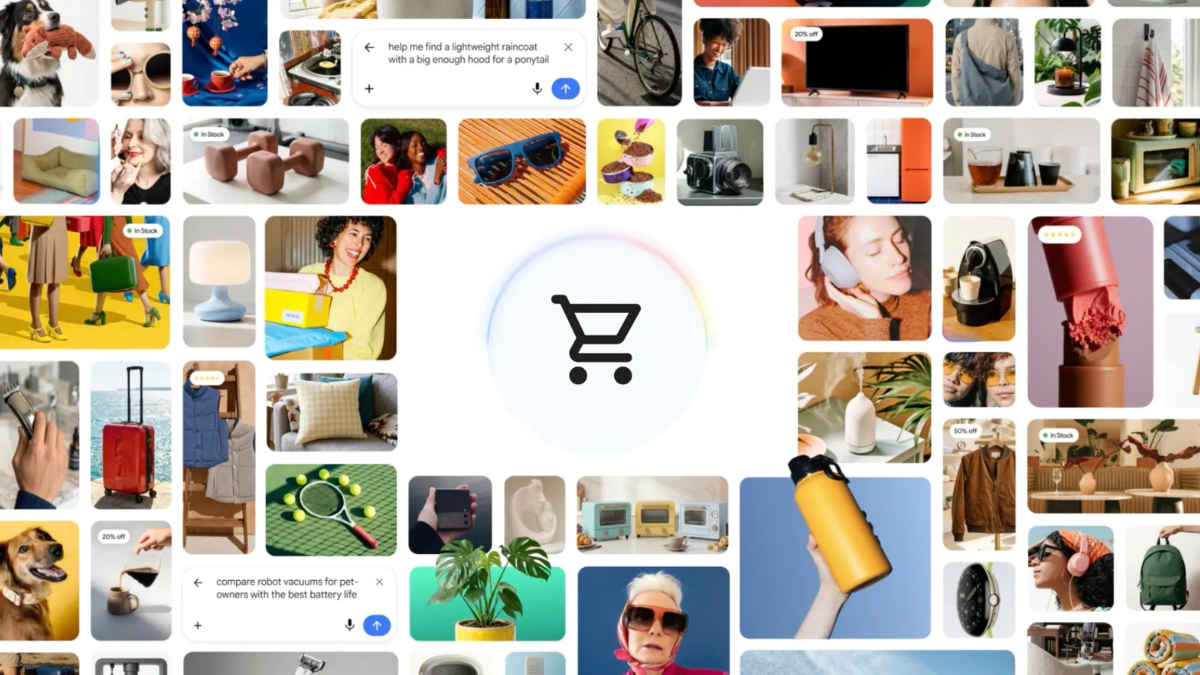

There’s no doubt that Google has put in decades to make Search smarter, and what it showed at Google I/O 2026 feels peak. This time, the company is not just improving how we search for things online; it is trying to change how we use the internet altogether. So, instead of typing keywords, opening dozens of tabs, comparing websites, and checking prices manually, Google wants its AI to handle much of that work in the background. Two things that really caught my attention: the redesigned Search experience and the new Universal Cart clearly focus on automation and convenience.
 Survey
Of course, I haven’t tried these things for myself, but if the demos that were shown on stage at the I/O are anything to go by, we may be looking at a future where we do less clicking and the AI does more of the heavy lifting. Let me explain.
A Search experience that feels more natural
The first thing that stands out is the redesigned Google Search bar. On the surface, this may sound like a small change, but it actually says a lot about where Google wants Search to go next. The box is now built for longer, more natural conversations instead of short keyword-based searches. For years, we have been trained to search like machines. You type a few words, hope Google understands what you mean, and then dig through the results yourself. Now Google wants people to simply type the way they speak, in natural language. And the bigger shift is what happens after you hit the search button.
Google introduced what it calls ‘information agents,’ and these could completely change how people track things online. Instead of repeatedly checking websites yourself, you can ask Search to monitor something for you in the background. Say you are waiting for a sneaker restock, tracking a house listing, or hoping a smartphone drops in price. Rather than checking every day, you tell Google what you want once, and the AI keeps watching the web for updates. When something changes, you get notified.
Again, all of this sounds quite simple, but it changes the role of Search completely. You don’t need to look at and keep a tab on something you want throughout the day. Instead, the tool will quietly do the work for you in the background, and you can get on with your life.
Universal Cart wants to fix the online shopping chaos
The other big announcement was Universal Cart, and honestly, this feels like something many people, including me, could end up using daily.
Even in 2026, online shopping is quite messy. I, for one, juggle between multiple apps and websites just to buy one thing. I then compare prices on Amazon, check another retailer for stock, look at reviews elsewhere, and then probably forget where I saw the best deal in the first place.
What I am trying to say here is that Google wants to bring all of this into one place. From the looks of the demos, Universal Cart acts like a shared shopping hub across Google services. If you come across a product while browsing Search, watching YouTube, or even checking Gmail, you can add it to the same cart. From there, you can let the AI do the work for you.
From what was shown on stage, Universal Cart can track price history, alert you about discounts, and tell you when an out of stock product becomes available again.
One other interesting feature is how it handles compatibility checks. Say, if someone is building a custom PC setup or buying gadgets that need to work together, Universal Cart can reportedly spot compatibility issues before checkout. That could genuinely save people from making expensive mistakes.
Google is also linking the system closely with Google Wallet and Google Pay. The AI can apparently check loyalty perks, discounts, and saved offers automatically, so users do not miss potential savings while paying.
Convenience always comes with a trade-off
On paper, all of this sounds extremely useful. There is no denying that the internet can feel exhausting sometimes. With too much information at our disposal, and too many things competing for attention, Google’s new AI tools are clearly designed to reduce that clutter.
But while seeing these tools in action during the demos, I could also not stop thinking about what might get lost in the process. You see, part of using the internet has always been the experience of exploring. You search for one thing and accidentally discover something else along the way. Maybe you find a small independent blog, a niche review site, or a retailer you would never have visited otherwise. If Google’s AI starts summarising everything, tracking everything, and handling shopping from one central place, people may stop visiting those websites directly.
That is probably the biggest question hanging over all of this. Is this the future of convenience people actually want, or are we slowly giving up too much control to a single platform in exchange for speed and simplicity?
Also read: Google I/O 2026: Gemini 3.5 Flash, AI video tool and major Gemini app upgrades announced
I would still want to put emphasis on the fact that right now, these are still stage demos, and Google’s polished presentations do not always reflect how these features will work in real life. But one thing that becomes crystal clear after I/O 2026 is that Google no longer just wants to try to help people search the internet. It wants to become the layer that sits between users and the web itself.
Whether that feels exciting or slightly uncomfortable probably depends on how much control you are willing to hand over to AI. Again, a subject of debate for another time.


