
What are dark patterns on websites: How to avoid them
 Follow Us
Dark patterns are design tricks that influence users into making unwanted choices online.
Some companies have faced action for using misleading tactics on their platforms.
Checking details carefully can help users avoid hidden charges and unwanted sign-ups.
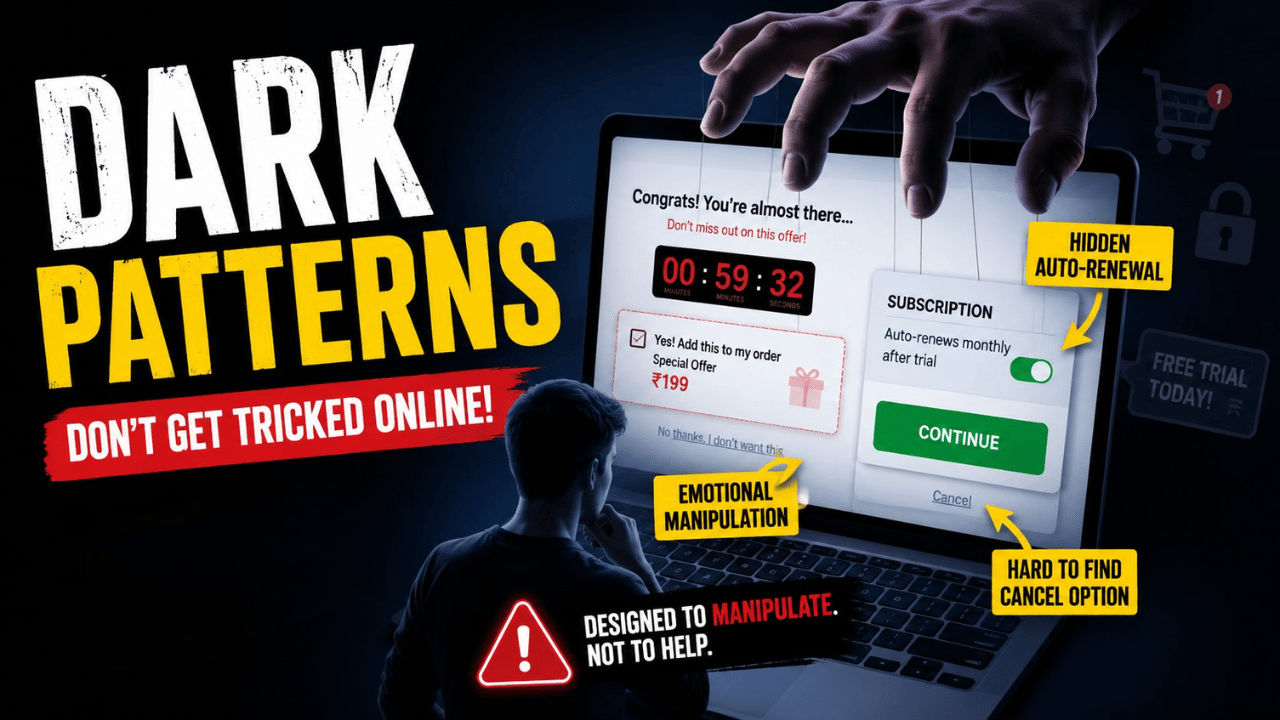

Do you think you’re making free choices every time you click something online? Not always. Many websites are designed to quietly push you in a certain direction. They might hide the cancel button or write their terms and conditions in language so confusing that you just give up and click agree. These tricks are called dark patterns. They’re not always obvious, and that’s exactly the point. The harder they are to spot, the better they work. However, once you know what to look for, the pattern loses its power over you. In this guide I’ll walk you through what dark patterns are and how you can be protected against them.
 Survey
What are dark patterns on websites?
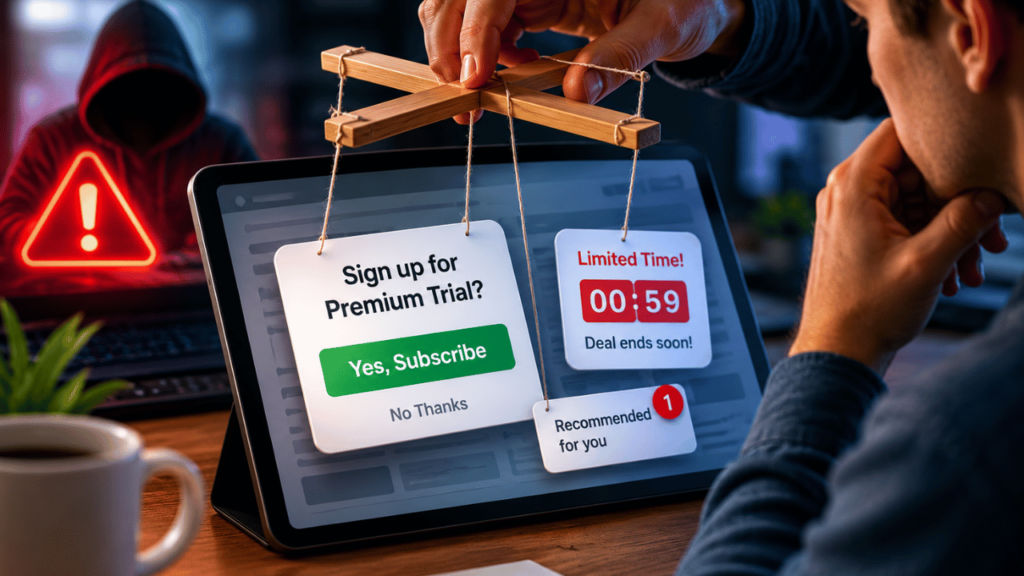
Dark patterns are cheap tricks used in app and website designs that twist your actions away from what you planned. Platforms use confusing layouts or misleading buttons so that they can lead you into choices that mostly benefit the company. These manipulations can be really frustrating since they restrict your actual choice and benefit the business in ways that often leave you feeling scammed.
One of the most common tricks used for the dark patterns is to automatically check a box for a paid add-on during checkout. Other than that, some brands also use emotional guilt trips to stop you from opting out. These methods depend on how people skim through text really fast, making it super easy to accidentally sign up for hidden subscriptions or share personal info.
Also read: Xiaomi 17T vs OnePlus 15R vs Vivo X200T: Price, camera, display, battery and other specs compared
PhysicsWallah and McAfee fined
India’s consumer protection watchdog recently took strict action against these deceptive setups. The regulator penalised the educational platform PhysicsWallah five lakh rupees and the security firm McAfee one lakh rupees.
The investigation showed that PhysicsWallah automatically added a ten-rupee donation to student bills at checkout without their clear permission. If students tried to remove it, the app displayed emotional messages about children’s welfare to make them feel guilty. The platform also forced users to share personal data to access courses labelled as free.
Meanwhile, McAfee also got penalised, as the renewal screen of the platform only gave options to renew right away or accept the risks. This approach created fear to rush customers into buying quickly.
Also read: Xiaomi 17T with Leica backed camera, 6,500 mAh battery launched in India: Check price and specs
How to avoid dark patterns
To avoid dark patterns, just follow these easy tips:
- Double-check that final cart total before paying to spot any hidden costs.
- Don’t choose auto-renewals or opt-in boxes for stuff like insurance or newsletters.
- Go slow when countdown clocks try to rush you into buying things.
- Don’t give out your phone number or email if they only want it for giving you freebies and skip that trap.


