
Received an email to download your e-PAN card? It can be a scam, here is how to stay safe
 Follow Us
PIB has warned that emails asking people to download an e-PAN card are fake and may be part of a phishing scam.
Avoid clicking on links in such emails. Download your e-PAN only from the official Income Tax website.
Never share OTPs, passwords, bank details, or personal information without verifying the source.
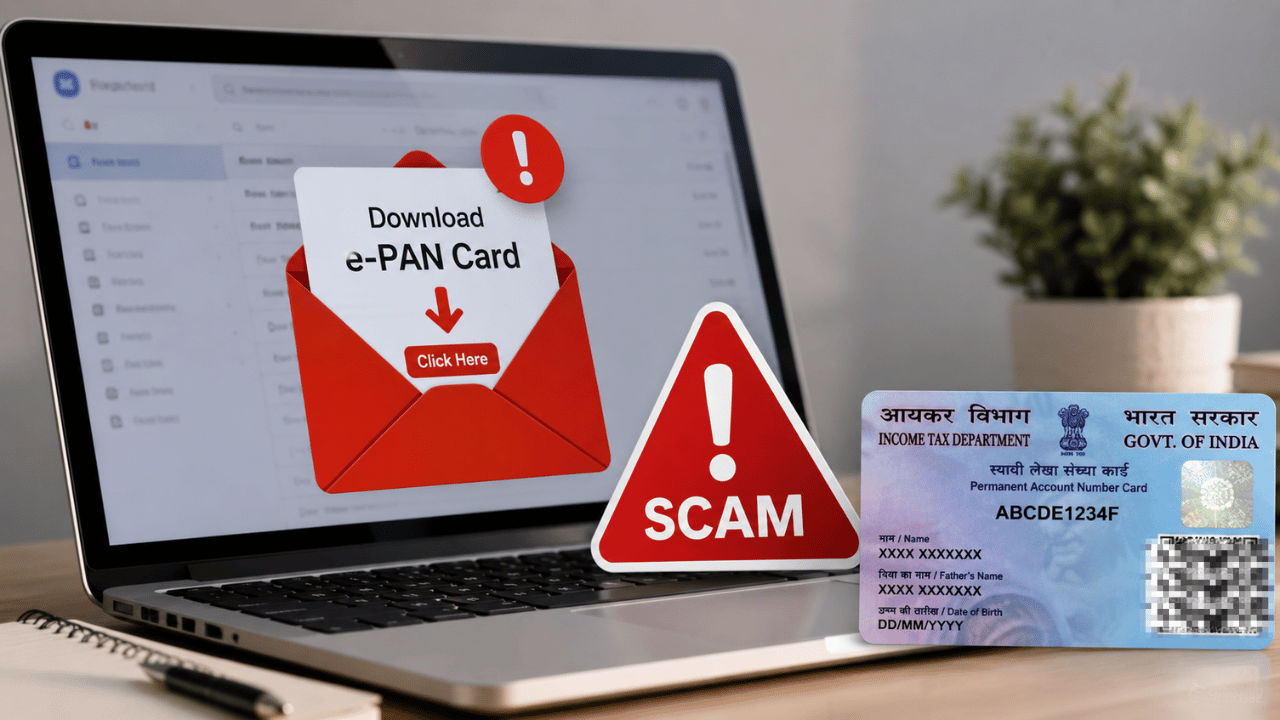

PAN is a unique 10-digit alphanumeric identifier issued by the Indian Income Tax Department. It tracks financial and tax-related transactions to prevent fraud. You need it to open bank accounts, invest in mutual funds, or file taxes. While the government sends a physical card for the same, you may not want to carry that everywhere with you. This is when the e-PAN card comes into action because you will not have to carry a physical card anymore. But now there is another scam that is going around for Indian people. The scam tells people to download their e-PAN card. It sounds like an official message, but it is a fraud. Here’s everything you need to know about this new download e-PAN card phishing link scam.
 Survey
Download e-PAN card scam
The Indian citizens are reportedly receiving an email asking them to download their e-PAN card. The email appears genuine, as it uses official-looking words and formatting. These things make it difficult to identify it as a scam. However, the Indian government has now stepped in, as the Press Information Bureau (PIB), which is also the fact-checking agency of the government, had recently clarified via a post that the email is a scam.
📢Have you also received an email asking you to download e-PAN Card❓#PIBFactCheck
— PIB Fact Check (@PIBFactCheck) July 18, 2026
⚠️This Email is #Fake
✅Do not respond to any emails, links, calls & SMS asking you to share financial & sensitive information
➡️Details on reporting phishing E-mails: https://t.co/nMxyPtwN00 pic.twitter.com/BXwZXbPk70
The authorities have advised the citizens to avoid replying to such mail or clicking on any links attached to them. These links usually lead the users to fake websites that ask them to enter confidential information such as bank details, passwords, OTPs, or identity documents.
These kinds of phishing links are used by cybercriminals to gather personal information which is then used against them in the form of financial fraud or identity theft. Fraudsters also make follow-up phone calls or send SMS messages posing as officials to win their confidence.
Also read: Samsung moves US headquarters to Texas, hundreds of employees impacted: Report
How to stay safe
Phishing scams are nothing new, as the scammers have been using them for a while now. If you want to make sure that you don’t fall victim to any such scam, then you can simply follow the tips below:
Also read: No mobile network in Central Delhi? Here is why your calls and internet may not work
- Avoid clicking on any such links. Rather, you can simply visit the official website and download your e-PAN card from there.
- Do note that the government charges a nominal fee for the e-PAN card, but the payment goes through secured channels. Also note that no one from the government will ever reach out to you via call or message asking you to pay.
- Never share your bank details, passwords, OTPs, Aadhaar number, PAN number, or any other private information through email, phone calls, or SMS unless you have confirmed that the person or source is genuine.
- Always check the sender’s email address carefully, as the scam emails use addresses or names that are similar to legitimate names.
- If you wish to download the e-PAN card or carry out any other income tax-related activity, use only the Income Tax Department’s official website.


