
 E-Magazine
Govt launches Network Anubhav: What it is and how it helps check internet speed, track complaints and report spam
TRAI’s new platform lets users check network performance across India.
Users can compare internet speeds and network quality by location and service provider.
The platform also allows users to manage DND preferences and report spam calls online.
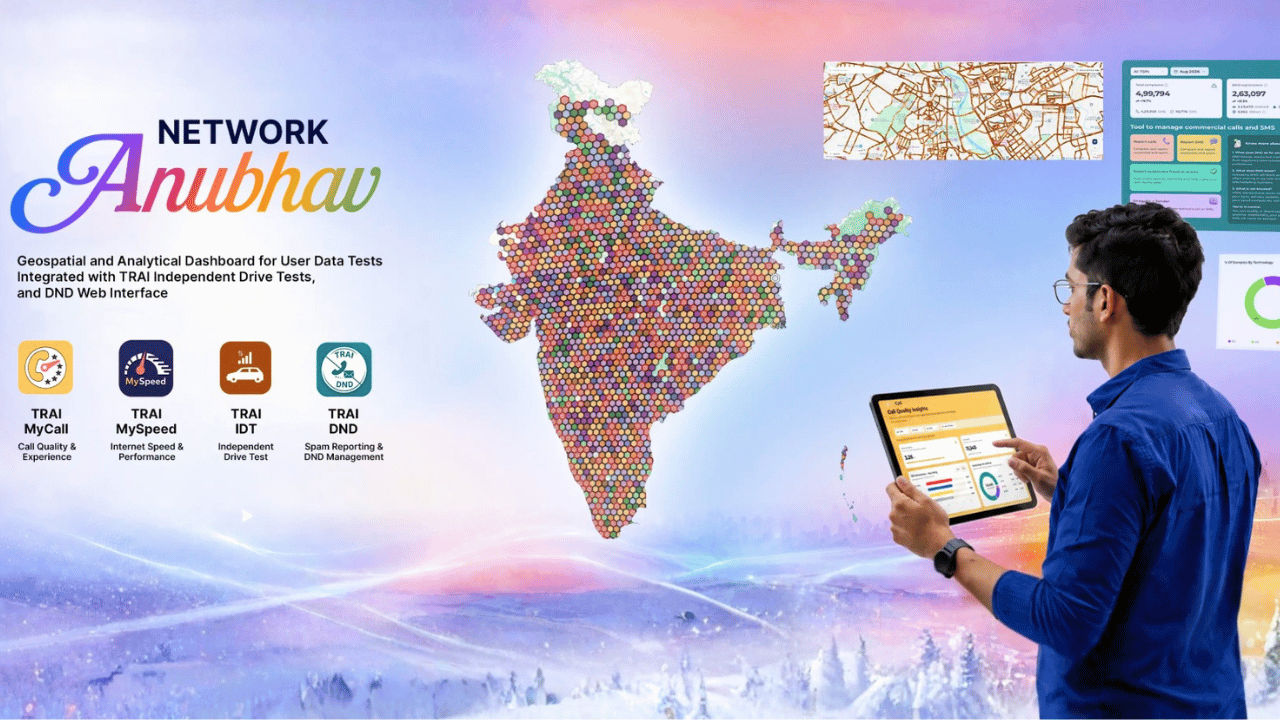
The Telecom Regulatory Authority of India (TRAI) has recently launched the Network Anubhav, which is an online platform that lets you explore user test data and independent drive test data from different locations. The platform showcases the data collected through TRAI’s MySpeed and MyCall apps, along with TRAI’s independent drive tests. The platform is designed in a way that can help a user to understand the experience of other users at various locations. Not only that, but the data can also help telecom operators to identify locations that may need attention. The new platform also provides access to Do Not Disturb services online. Here is everything you need to know about the new Network Anubhav platform.
Network Anubhav: What users can check
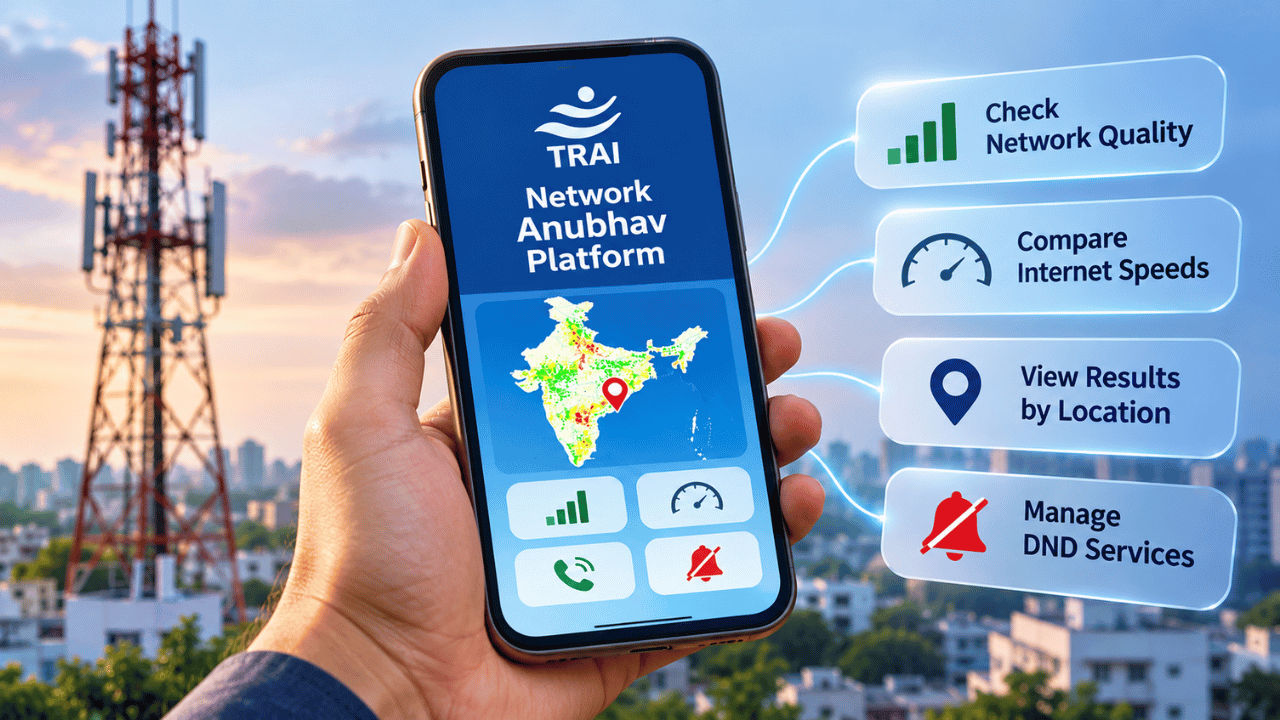
Network Anubhav has many features, but one of the main highlights of the platform is the geospatial maps that allow users to view network results for cellular or fixed broadband across India. You can filter the connections based on service provider and technology. Not only that, but you can also segregate it based on download and upload speeds. The platform also allows the users to navigate and zoom the map to examine the location and distribution of test observations.
Not only that, but the platform also shows three speed levels based on tests done in an area. These are as follows:
- P50 (the middle speed): Half of the tests recorded this speed or faster.
- P80 (Mobile Broadband): The speed that 80 per cent of tests achieved or exceeded.
- P90 (Fixed Broadband): The speed that 90 per cent of tests achieved or exceeded.
TRAI also clarified that these values, which are based on user tests, do not represent a comprehensive assessment of network quality under standard methodology. However, they help show the experience of other users at various locations and provide results from independent drive tests.
How the platform can help consumers and telecom operators
Users can use TRAI’s apps to check internet speed and report spam calls. Furthermore, the dashboard brings together data from MySpeed, MyCall, the web interface and independent network tests. It also allows users to view location-specific test results shared by others.
Telecom service providers can also securely access data on call quality, network coverage and internet speed, along with details such as location, date, time and technical results. This information helps them identify areas where network services need improvement. TRAI can also use the combined data to monitor the overall quality of telecom services and consumer experience.
DND services now available online
The platform also brings Do Not Disturb (DND) services to a web interface, using which consumers can now set their preference for commercial communication, submit complaints about unsolicited commercial communication, track complaint status, and view consolidated and service-provider-wise complaint information.
Not only that, but TRAI’s MySpeed software development kit also lets eligible third-party apps add connectivity measurement features. TRAI has urged users to contribute tests regularly through both the MySpeed and MyCall apps to improve the platform’s coverage.