E-Magazine
Google will switch AI off by default for school students: What changes and why
Google is reversing the default for AI in the classroom. Gemini, Gemini Notebook, Gemini in Classroom and Google Search will remain disabled for K-12 student accounts until school administrators turn them on deliberately. This change comes as part of an announcement on November 3rd from Google, which includes a new emphasis on their Guided Learning tool, which coaches rather than answers questions posed by students. It seems to be a modest adjustment to a settings page. But it sounds like a tacit admission that throwing AI in the classroom and crossing your fingers wasn't ever going to fly. Here’s what changes, and why Google did it now.
What is Google switching off for school students by default?
There are four products that are going to be affected. These include Gemini, Gemini Notebook, Gemini in Classroom, and Google Search, which will all be turned off for K-12 student accounts. There will be no change until the school administrator activates them. Google has stated that it will give the details to the schools in the coming months before the launch. No date has been provided for this in the post.
Why is Google making AI opt-in for K-12 schools?
Google says it paid heed to schools, educators, leading researches and policymakers. And the last item on this list is important. In my interpretation of the situation, opting in is the most cost-effective way of solving all problems regarding children and AI. Should something go wrong with the technology, the school is to blame and not Google. It is a good strategy for protection and also makes it easier for parents to complain. The objective set by Google is to provide school leadership with control and confidence. Rightfully so.
What is Guided Learning in Google Classroom?
Guided Learning is the carrot to the stick of opting-in. Guided Learning works with the help of open-ended questions and process breakdowns rather than providing the ultimate answer. Google refers to the approach as productive struggle, which implies that students can be challenged without being overwhelmed. Guided Learning is now offered in Classroom since November 3rd as a global live function that is linked to class materials and assigned by teachers while teachers receive insights about the problems students have. Google claims that there is evidence of effective learning due to research by Google.
How will Guided Learning change Google Search for students?
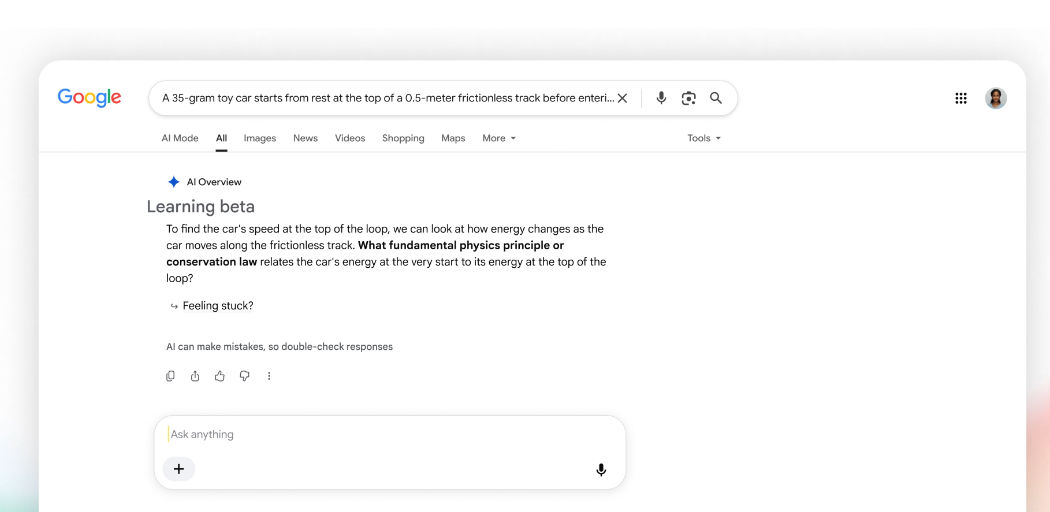
Search is the big swing. In terms of student accounts, if Google knows that a student is seeking help in completing specific homework, then Google Search will guide students through the topic piece by piece. Paste in an extremely difficult physics problem, and you get guidance on how to complete it, but not the solution. Request help in completing a book report, and the policy still stands. Testing begins in a few select U.S. schools at the end of the month, to be followed by others in the coming months. Think about it. The default answer engine of the world is learning how to withhold information. It is still unclear how Google draws the line.
Will the change affect Indian schools?
Guided Learning in Classroom is a global offering, which means that all the schools in India using Classroom are included in the announcement. However, the Search pilot is a U.S.-only offer, and there is no mention of when it will be made available in India. But the larger issue is whether schools in India will opt for even one part of it. Examination-oriented classrooms value speed and scoring.